


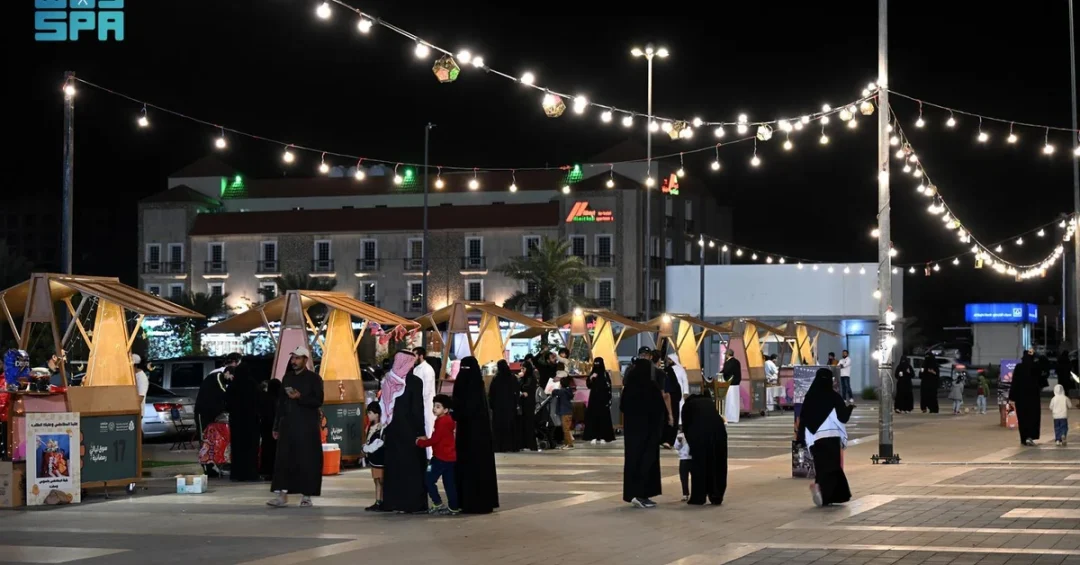
Ramadan Nights Markets in Madinah have emerged as a distinctive seasonal destination, organized by the Al-Ahyaa Centers Association in partnership with the Madinah Municipality, drawing families, visitors, and local entrepreneurs into a vibrant blend of commerce, culture, and community spirit during the holy month. According to the Saudi Press Agency (SPA), the markets support more than 35 families through 35 retail outlets, showcasing traditional and Ramadan-themed foods, handicrafts, cosmetics, perfumes, and incense, all operating in compliance with municipal and health regulations. The initiative reflects a broader effort across the Kingdom to strengthen local economies while enriching the spiritual and social experience of Ramadan for residents and guests alike.
For international observers, the Ramadan Nights Markets offer a window into how Saudi Arabia is weaving its religious heritage into modern economic life. The markets are not merely places to shop; they are annual gatherings where the rhythms of fasting, prayer, and family time intersect with entrepreneurship and cultural expression. Visitors walking through the stalls encounter the aromas of traditional dishes, the craftsmanship of local artisans, and the sounds of live performances that animate the evenings after iftar. In a country undergoing rapid transformation under Vision 2030, such grassroots initiatives demonstrate how tradition and modernization can reinforce one another.
Context and Background
Why do Ramadan markets in Madinah hold such a special place in the Kingdom’s seasonal calendar? The answer lies in the city’s unique status as the site of the Prophet’s Mosque and a destination of deep spiritual significance for Muslims worldwide. During Ramadan, Madinah receives a significant influx of visitors, including pilgrims and domestic tourists, creating a natural demand for evening markets that cater to both practical needs and festive traditions. The Al-Ahyaa Centers Association, working alongside the Madinah Municipality, has positioned the Ramadan Nights Markets as a structured, family-friendly environment that channels this seasonal energy into productive economic activity.
The concept builds on a long-standing tradition of cottage industries in the region. Many families in Madinah have for generations produced handmade goods, from embroidered textiles to traditional perfumes and incense. However, access to formal retail spaces and broader customer bases has often been limited. By providing 35 dedicated retail outlets, the markets offer these families a professional platform to present their products to a wider audience. This approach aligns with national efforts to empower small businesses and micro-entrepreneurs, a priority repeatedly emphasized by Saudi officials as a pillar of sustainable economic development.
Moreover, the partnership between the Al-Ahyaa Centers Association and the Madinah Municipality illustrates the collaborative model that characterizes many Saudi social and economic initiatives. Municipal authorities handle licensing, health inspections, and infrastructure, while the association manages vendor selection and programming. This division of responsibilities ensures that the markets meet regulatory standards without losing their community-oriented character. For visitors, the result is a safe, well-organized space where they can enjoy Ramadan evenings with confidence, knowing that food safety and public health requirements are strictly observed.
Key Details
What exactly can visitors expect when they step into the Ramadan Nights Markets? The SPA report notes that the markets feature more than 35 families operating retail outlets, each offering a distinct selection of products. Traditional and Ramadan foods form a major attraction, with vendors preparing dishes that are closely associated with iftar and suhoor. These include savory pastries, hearty soups, dates, and sweets that hold cultural significance during the holy month. The presence of these foods not only satisfies hunger but also reinforces the communal aspect of Ramadan, as families often purchase treats to share with neighbors and guests.
Beyond food, the markets showcase handicrafts that reflect the region’s artistic heritage. Artisans display items such as woven baskets, embroidered fabrics, and decorative household objects, each carrying the mark of local craftsmanship. Cosmetics and perfumes also feature prominently, with many vendors offering products made from natural ingredients like oud, musk, and rose water. Incense, a staple of Saudi hospitality, is available in various blends, allowing visitors to bring the fragrance of Madinah into their homes. All products are subject to municipal and health regulations, ensuring quality and safety for consumers.
The markets are further enlivened by live performances and various events designed to engage visitors and market-goers. These activities may include traditional music, storytelling, and interactive sessions for children, creating an atmosphere that appeals to all age groups. The programming is intentionally family-oriented, providing a wholesome environment where parents can shop while children enjoy entertainment. By combining retail with cultural performances, the Ramadan Nights Markets transform a simple shopping trip into a memorable evening outing, strengthening social ties and fostering a sense of belonging among residents and visitors.
International and Regional Impact
How do the Ramadan Nights Markets in Madinah resonate beyond Saudi Arabia’s borders? For international visitors, particularly those from neighboring Gulf countries and the broader Muslim world, the markets represent an authentic experience of Saudi hospitality and cultural richness. Many travelers plan their Umrah or Ramadan visits to include time in Madinah’s markets, where they can purchase unique gifts and souvenirs that are not available elsewhere. This flow of visitors contributes to the local economy and enhances Madinah’s reputation as a welcoming, well-organized destination for religious and cultural tourism.
Regionally, the success of the markets offers a model that other Saudi cities and neighboring countries can study. The integration of cottage industries into formal retail environments, combined with municipal oversight and cultural programming, addresses several goals simultaneously: economic empowerment, heritage preservation, and community cohesion. As Saudi Arabia continues to develop its tourism sector under Vision 2030, initiatives like the Ramadan Nights Markets demonstrate how seasonal events can be structured to deliver consistent benefits. They also reinforce the Kingdom’s image as a country that honors its traditions while embracing modern organizational standards.
Economic and Strategic Significance
What makes the Ramadan Nights Markets economically significant beyond their immediate sales? The initiative provides a low-barrier entry point for families and small producers to test their products in a real market environment. Vendors gain direct feedback from customers, learn about pricing and presentation, and build relationships with repeat buyers. For many, this experience can lead to permanent business expansion, including online sales or partnerships with larger retailers. In this way, the markets function as an incubator for micro-enterprises, nurturing the kind of grassroots entrepreneurship that contributes to job creation and income diversification.
Strategically, the markets support the objectives of Vision 2030 by promoting small and medium-sized enterprises (SMEs) and enhancing the quality of life in Saudi cities. The Kingdom has set ambitious targets for SME contribution to GDP, and initiatives that bring cottage industries into the formal economy directly advance that goal. Additionally, by creating vibrant, safe public spaces during Ramadan, the markets contribute to social well-being and cultural enrichment, which are integral to the Vision’s human-centric approach. The partnership between the Al-Ahyaa Centers Association and the Madinah Municipality exemplifies the collaborative governance that turns national strategies into local realities.
Vision 2030 Alignment
How does a seasonal market in Madinah connect to Saudi Arabia’s long-term vision? Vision 2030 seeks to build a diversified, sustainable economy and a vibrant society, and the Ramadan Nights Markets contribute to both pillars. Economically, they empower families and small businesses, fostering self-reliance and innovation. Socially, they preserve cultural heritage and create opportunities for community interaction, particularly during a month that holds profound spiritual meaning. By supporting these markets, Saudi authorities demonstrate that modernization does not mean abandoning tradition; rather, it means finding new ways to celebrate and sustain it.
Looking ahead, the continued success of the Ramadan Nights Markets can inspire similar initiatives in other regions, further strengthening Saudi Arabia’s position as a global leader in combining cultural authenticity with economic opportunity. For international audiences, the markets offer a compelling example of how the Kingdom is realizing Vision 2030 not only through mega-projects but also through community-level programs that touch everyday lives. As Madinah welcomes visitors from around the world this Ramadan, the markets stand as a testament to the enduring values of generosity, craftsmanship, and hospitality that define Saudi society.
20 Questions
Q1. What are the Ramadan Nights Markets in Madinah?
A1. The Ramadan Nights Markets are seasonal markets organized by the Al-Ahyaa Centers Association in partnership with the Madinah Municipality. They provide retail spaces for local families to sell traditional foods, handicrafts, cosmetics, perfumes, and incense during the holy month of Ramadan.
Q2. Who organizes the Ramadan Nights Markets?
A2. The markets are organized by the Al-Ahyaa Centers Association in partnership with the Madinah Municipality. This collaboration ensures that the markets meet municipal and health regulations while offering a vibrant community space.
Q3. How many families benefit from the markets?
A3. According to the Saudi Press Agency, the markets support more than 35 families by providing 35 retail outlets. This direct support helps these families showcase and sell their products to a wide audience.
Q4. What types of products are sold at the markets?
A4. Visitors can find traditional and Ramadan-themed foods, handicrafts, cosmetics, perfumes, and incense. All products are offered in compliance with municipal and health regulations, ensuring quality and safety for consumers.
Q5. Where are the Ramadan Nights Markets located?
A5. The markets are located in Madinah, a city of great spiritual significance in Saudi Arabia. They are set up in areas managed by the Al-Ahyaa Centers Association, making them easily accessible to residents and visitors.
Q6. What is the purpose of the Ramadan Nights Markets?
A6. The markets aim to support local entrepreneurs and families working in cottage industries by providing a suitable space to showcase their unique Ramadan-themed products. They also enrich the social and economic life of the city during Ramadan.
Q7. Are there any entertainment activities at the markets?
A7. Yes, the markets feature live performances and various events designed to engage visitors and market-goers. These activities create a festive atmosphere and make the markets a family-friendly destination for evening outings.
Q8. How do the markets comply with health regulations?
A8. All vendors at the markets operate in compliance with municipal and health regulations. This includes food safety standards, hygiene practices, and regular inspections to ensure a safe environment for all visitors.
Q9. Who can visit the Ramadan Nights Markets?
A9. The markets are open to everyone, including residents of Madinah, domestic tourists, and international visitors. They are designed to be family-friendly, offering a welcoming space for people of all ages.
Q10. What makes the markets a unique destination?
A10. The markets blend economic and social aspects, offering a unique atmosphere that combines shopping, cultural performances, and community interaction. They provide an authentic Ramadan experience in the heart of Madinah.
Q11. How do the markets support the local economy?
A11. By providing retail outlets for more than 35 families, the markets enable local entrepreneurs to earn income and grow their businesses. This supports the local economy and promotes self-reliance among families.
Q12. Are the products at the markets handmade?
A12. Many of the products, such as handicrafts, cosmetics, perfumes, and incense, are handmade by local families. This showcases traditional craftsmanship and supports cottage industries in Madinah.
Q13. What is the role of the Madinah Municipality in the markets?
A13. The Madinah Municipality partners with the Al-Ahyaa Centers Association to organize the markets. It ensures that all vendors comply with municipal and health regulations, providing a safe and well-managed environment.
Q14. How long do the Ramadan Nights Markets operate?
A14. The markets operate throughout the holy month of Ramadan, aligning with the spiritual and social rhythms of the season. They are typically open in the evenings, after iftar, when families and visitors gather.
Q15. Can visitors purchase souvenirs at the markets?
A15. Yes, visitors can purchase a variety of souvenirs, including handicrafts, perfumes, and incense. These items reflect the cultural heritage of Madinah and make meaningful gifts for friends and family.
Q16. Are there food stalls at the markets?
A16. Yes, traditional and Ramadan-themed foods are a major attraction. Vendors offer a range of dishes and sweets that are popular during iftar and suhoor, allowing visitors to enjoy authentic local flavors.
Q17. How do the markets reflect Vision 2030?
A17. The markets align with Vision 2030 by empowering small businesses, preserving cultural heritage, and enhancing quality of life. They demonstrate how community-level initiatives contribute to the Kingdom’s economic and social goals.
Q18. What kind of live performances can visitors expect?
A18. The markets feature live performances and various events designed to engage visitors. These may include traditional music, storytelling, and interactive activities for children, creating a festive and family-oriented atmosphere.
Q19. How can vendors participate in the markets?
A19. Vendors are selected by the Al-Ahyaa Centers Association in coordination with the Madinah Municipality. Families and entrepreneurs interested in participating can contact the association for information on application procedures and requirements.
Q20. What is the overall impact of the markets on Madinah?
A20. The markets enhance Madinah’s social and economic life during Ramadan, supporting local families and providing a vibrant destination for visitors. They strengthen community bonds and showcase the city’s cultural richness to a global audience.
Reader Feedback
We value your thoughts. Please share your feedback on this article.
Your feedback helps us improve our coverage.
Related articles
 Aramco CEO Calls for Balanced Energy Model at CERAWeek
 Saudi Arabia Achieves 87% Potato Self-Sufficiency
 Saudi Tomato Production Hits 691,000 Tons, 76% Self-Sufficiency
 Eastern Region Governor Meets Saudi-Korean Business Council
 Saudi Opens 9th Mining Exploration Round Across 24,946 km
 ITFC Wins IFN Deal of the Year Awards for 2024