


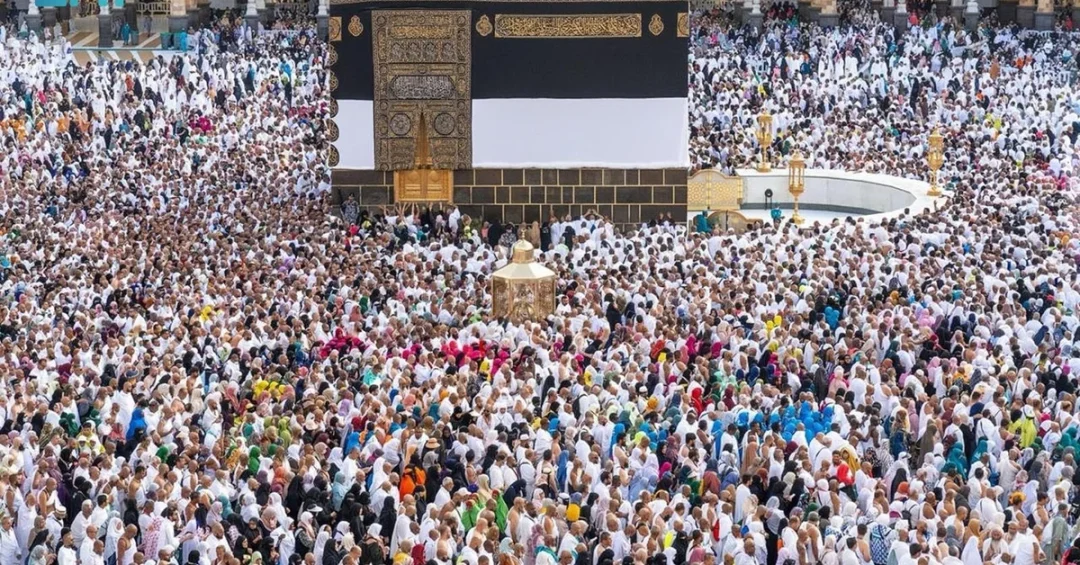
The Saudi Ministry of Islamic Affairs, Dawah and Guidance has welcomed 1,000 pilgrims from the Gaza Strip as part of the Kingdom’s longstanding commitment to facilitating Hajj and Umrah for Muslims worldwide. This initiative, announced through official Saudi channels, underscores the Kingdom’s dedication to providing support and hospitality to Palestinian pilgrims amidst challenging circumstances.
Context and Background
Saudi Arabia has a historic and continuous role in serving pilgrims, with a particular focus on those from regions facing hardship. The Kingdom, under the leadership of the Custodian of the Two Holy Mosques, King Salman bin Abdulaziz Al Saud, and Crown Prince Mohammed bin Salman, has consistently prioritized the welfare and spiritual needs of Muslims globally. The invitation for pilgrims from Gaza is part of a broader program coordinated through the Ministry of Islamic Affairs, which oversees the logistics, care, and facilitation of pilgrimage for thousands of guests each year.
Key Details of the Initiative
The 1,000 pilgrims from Gaza were welcomed as special guests of the Kingdom, reflecting Saudi Arabia’s humanitarian approach and its commitment to Islamic solidarity. The Ministry of Islamic Affairs has arranged comprehensive services for the guests, including accommodation, transportation, and medical care, ensuring a safe and spiritually fulfilling experience. This initiative aligns with previous efforts by the Kingdom to offer similar opportunities to pilgrims from other conflict-affected or underserved regions, demonstrating an ongoing pattern of support.
Implications and Impact
This gesture carries significant humanitarian and diplomatic weight. It provides a moment of respite and spiritual solace for Palestinian Muslims who face difficult conditions in Gaza. Regionally, the move reinforces Saudi Arabia’s role as a stabilizing force and a key supporter of the Palestinian cause through tangible acts rather than mere statements. It also highlights the Kingdom’s ability to undertake complex logistical operations to serve religious pilgrims, regardless of geopolitical tensions.
Vision 2030 Alignment
The welcoming of these pilgrims is directly connected to Saudi Arabia’s Vision 2030 objectives, particularly the goal of enhancing the experience of the Two Holy Mosques’ visitors. By expanding access for Muslims from diverse backgrounds, including those from Palestine, the Kingdom is not only fulfilling a religious duty but also strengthening its global role as a center of Islamic unity. The Ministry of Islamic Affairs continues to implement programs that embody the vision’s principles of openness, humanitarianism, and excellence in service, contributing to a more connected and compassionate Muslim world.
Reader Feedback
We value your thoughts. Please share your feedback on this article.
Feedback submitted successfully. Thank you.
(function(){var articleRef=window.location.pathname||window.location.href;var b=document.getElementById(‘fb-submit’);if(!b)return;b.addEventListener(‘click’,function(){var n=document.getElementById(‘fb-name’).value.trim();var m=document.getElementById(‘fb-message’).value.trim();var ok=document.getElementById(‘fb-success’);var er=document.getElementById(‘fb-error’);ok.style.display=’none’;er.style.display=’none’;if(!n||!m){er.textContent=’Name and message are required.’;er.style.display=’block’;return;}b.disabled=true;fetch(‘/api/feedback’,{method:’POST’,headers:{‘Content-Type’:’application/json’},body:JSON.stringify({name:n,message:m,article_reference:articleRef})}).then(function(r){if(!r.ok)throw new Error(‘submit failed’);return r.json();}).then(function(){ok.style.display=’block’;document.getElementById(‘fb-message’).value=”;}).catch(function(){er.textContent=’Error submitting feedback. Please try again.’;er.style.display=’block’;}).finally(function(){b.disabled=false;});});})();