


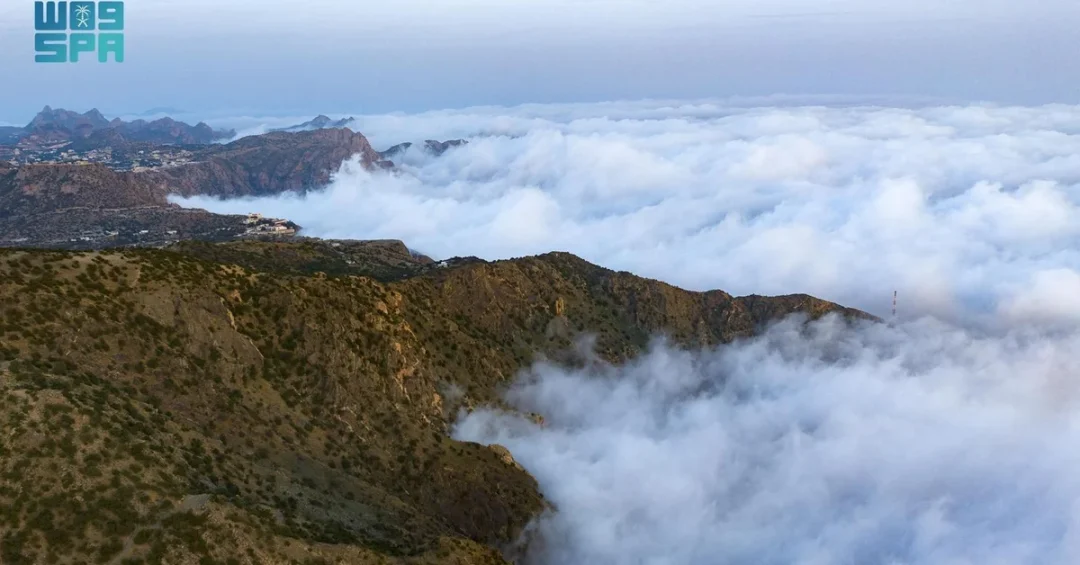
The city of Taif, with its unique ecosystem and rich cultural heritage, stands as a testament to the Kingdom of Saudi Arabia’s diverse identity and commitment to sustainable tourism under Vision 2030. Located at 27,000 meters above sea level, this exceptional destination attracts masses of tourists, visitors, and renowned Arab and international writers, offering an intimate experience under its blue sky, green lands, and cloud-embracing mountains.
Context and Background
Taif’s unique ecosystem is home to hundreds of types of aromatic plants and trees, alongside diverse wildlife. The city’s natural habitats and lush shades create a sanctuary for biodiversity. Its historical status is further elevated by the Al-Hada and Shafa mountains, which attract visitors with their scenic beauty and cultural significance. More than 80 villages, associated with residents of the Tihamiya and Sarat areas, are perched on these mountains, preserving traditional lifestyles and architecture.
Key Details: Agriculture and Tourism
The fertile land and abundant water in Taif support a wide variety of crops, including the renowned Taif roses, berries, apricots, peaches, pomegranates, figs, and grapes. This agricultural bounty is a cornerstone of local identity. The tourism sector contributes substantially to the economic development of Taif Governorate, which is implementing numerous projects such as hotels, resorts, integrated residential complexes adapted to the environment, and rural development according to international standards.
Cultural and International Impact
Taif’s landmarks reflect all forms of cultural expression and identity of the region, making it a beacon for cultural exchange. The city’s ability to draw international writers and tourists underscores its growing role as a global destination for heritage and nature. This aligns with Saudi Arabia’s efforts to promote cultural diversity and intercultural dialogue.
Vision 2030 Alignment
Taif’s development is a key component of Saudi Arabia’s Vision 2030, which aims to diversify the economy through tourism and cultural preservation. By investing in sustainable tourism and rural development, the Kingdom is not only enhancing the quality of life for its citizens but also showcasing its rich heritage to the world. As Taif continues to grow as a cultural and tourism hub, it reinforces Saudi Arabia’s long-term vision of a vibrant society and a thriving economy.
20 Questions
Q1. What is the significance of Taif’s location?
A1. Taif is situated 27,000 meters above sea level, giving it a unique ecosystem with cool climates and cloud-embracing mountains that attract tourists and writers.
Q2. What types of plants are native to Taif?
A2. Taif is home to hundreds of aromatic plants and trees, including those that thrive in its lush shades and support local biodiversity.
Q3. Which mountains are famous in Taif?
A3. Al-Hada and Shafa mountains are famous for their historical status and scenic beauty, drawing masses of visitors.
Q4. How many villages are in the mountains of Taif?
A4. More than 80 villages are perched on Taif’s mountains, associated with residents from the Tihamiya and Sarat areas.
Q5. What is the most famous crop from Taif?
A5. Taif roses are the most famous crop, along with berries, apricots, peaches, pomegranates, figs, and grapes.
Q6. How does the tourism sector contribute to Taif?
A6. The tourism sector substantially contributes to economic development through hotels, resorts, and residential complexes.
Q7. What tourism projects are being implemented in Taif?
A7. Projects include hotels, integrated residential complexes, and rural development following international standards.
Q8. How does Taif reflect cultural identity?
A8. Taif’s landmarks reflect all forms of cultural expression and identity of the region, preserving local heritage.
Q9. Who visits Taif?
A9. Taif attracts masses of tourists, visitors, and famous Arab and international writers.
Q10. What is the elevation of Taif?
A10. Taif is located at 27,000 meters above sea level, providing a unique high-altitude ecosystem.
Q11. Why is Taif’s ecosystem unique?
A11. Its natural habitats, combined with abundant water and fertile land, support diverse plant and wildlife species.
Q12. How does Taif align with Vision 2030?
A12. Taif’s development supports economic diversification, sustainable tourism, and cultural preservation goals of Vision 2030.
Q13. What role do Al-Hada and Shafa mountains play?
A13. They attract visitors for their historical status and offer scenic views of traditional villages.
Q14. What wildlife is found in Taif?
A14. Many species of wildlife live in Taif’s lush shades and natural habitats.
Q15. How does Taif support rural development?
A15. Rural development projects are implemented according to international standards, enhancing local infrastructure.
Q16. What crops are produced in Taif besides roses?
A16. Other crops include berries, apricots, peaches, pomegranates, figs, and grapes.
Q17. Why is Taif considered an intimate place?
A17. Its blue sky, green lands, and cloud-embracing mountains create an exceptional and peaceful atmosphere.
Q18. How does Taif attract international writers?
A18. Its natural beauty, cultural landmarks, and serene environment draw famous Arab and international writers.
Q19. What is the cultural significance of Taif’s mountains?
A19. The mountains host over 80 villages that preserve the traditions and identity of local communities.
Q20. How does Taif’s water supply benefit its agriculture?
A20. Abundant water supports fertile land, enabling a wide variety of crops that are central to local economy and culture.
Reader Feedback
We value your thoughts. Please share your feedback on this article.
Your feedback helps us improve our coverage.