



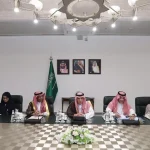
The Arab Bureau of Education for the Gulf States (ABEGS) and the UNESCO Regional Center for Quality and Excellence in Education (RCQE) signed a cooperation agreement on the sidelines of the Human Capability Initiative Conference and the International Education Exhibition in Riyadh, held from April 13 to 16, 2025. The memorandum was signed by Dr. Mohammed bin Saud Al-Moqbel, Director-General of ABEGS, and Dr. Abdulrahman bin Ibrahim Al-Medaires, Director-General of the UNESCO RCQE. The agreement aims to strengthen collaboration between the two entities through the exchange of expertise and the implementation of joint studies and programs. This development, announced by the Saudi Press Agency, underscores Saudi Arabia’s commitment to advancing education quality and human capability development, both regionally and globally.
Why does this partnership matter now, and what does it signal for the future of education in the Gulf and beyond? The timing is significant: it coincides with the Human Capability Initiative Conference, a major global event hosted in Riyadh that brings together policymakers, educators, and innovators to discuss the future of skills and learning. By formalizing their cooperation, ABEGS and the UNESCO RCQE are positioning themselves to drive meaningful change in educational practices, research, and policy across the Arab world. This aligns with Saudi Arabia’s Vision 2030, which places human capability development at its core, aiming to build a diversified, knowledge-based economy.
Context and Background
What are the roles of these two organizations, and why is their collaboration important? The Arab Bureau of Education for the Gulf States (ABEGS) is a regional intergovernmental organization established in 1975 to foster cooperation among Gulf Arab states in education, culture, and science. It works to harmonize educational policies, promote research, and enhance the quality of education across member states. The UNESCO Regional Center for Quality and Excellence in Education (RCQE), based in Riyadh, is a Category 2 center under the auspices of UNESCO, dedicated to improving education quality and excellence in the Arab region. It conducts research, provides technical support, and facilitates knowledge exchange to achieve Sustainable Development Goal 4 (SDG 4) on inclusive and equitable quality education.
How does this agreement build on previous efforts? Both organizations have long histories of promoting educational development. ABEGS has spearheaded initiatives such as the Arab Reading Challenge and the development of joint educational curricula, while the RCQE has been instrumental in building capacity for quality assurance, teacher training, and innovative pedagogies. The new agreement formalizes their partnership, creating a structured framework for collaboration that leverages their respective strengths. It also reflects a broader trend of increased regional and international cooperation in education, particularly as countries strive to meet the demands of a rapidly changing global economy. Saudi Arabia, as the host of the RCQE and a key member of ABEGS, plays a central role in facilitating this collaboration.
Key Details of the Agreement
What exactly does the cooperation entail? The memorandum of cooperation outlines several areas of joint work, including the exchange of expertise, the implementation of joint studies, and the development of programs aimed at enhancing educational quality and excellence. While specific projects have not yet been detailed, the agreement provides a platform for sharing best practices, conducting research on critical issues such as teacher effectiveness and student assessment, and piloting innovative educational models. The signing took place during the Human Capability Initiative Conference, a fitting venue given its focus on human capital development. The conference, held under the patronage of Saudi Crown Prince Mohammed bin Salman, brought together global leaders to discuss strategies for empowering individuals and societies.
Who are the key figures behind this agreement? Dr. Mohammed bin Saud Al-Moqbel, Director-General of ABEGS, has been a driving force in regional educational cooperation, advocating for policies that align with the needs of Gulf societies. Dr. Abdulrahman bin Ibrahim Al-Medaires, Director-General of the UNESCO RCQE, is a renowned expert in education quality and has led numerous initiatives to improve learning outcomes in the Arab world. Their leadership underscores the commitment of both organizations to achieving tangible results. The agreement also benefits from the support of Saudi Arabia’s Ministry of Education, which has been actively involved in hosting and facilitating the RCQE’s work.
International and Regional Impact
How will this agreement influence education beyond the Gulf? The collaboration between ABEGS and the RCQE has the potential to serve as a model for other regions, demonstrating how intergovernmental organizations and UNESCO-affiliated centers can work together to address common challenges. By pooling resources and expertise, they can scale up successful initiatives and contribute to global efforts to improve education quality. For the Arab region, the agreement reinforces a collective commitment to educational excellence, which is essential for economic diversification and social development. It also strengthens the region’s voice in international education forums, enabling Arab countries to share their experiences and learn from others.
What are the implications for Saudi Arabia’s global role? Saudi Arabia has increasingly positioned itself as a leader in human capability development, hosting major international conferences and launching initiatives such as the Human Capability Development Program, a key component of Vision 2030. This agreement further cements the Kingdom’s role as a convener and catalyst for educational progress. It also aligns with Saudi Arabia’s efforts to attract international organizations and expertise, as seen with the recent establishment of the UNESCO RCQE in Riyadh. By supporting such partnerships, Saudi Arabia enhances its soft power and contributes to the achievement of the Sustainable Development Goals, particularly SDG 4 and SDG 17 (partnerships for the goals).
Economic and Strategic Significance
Why does education cooperation have economic implications? In an era of rapid technological change and shifting labor markets, the quality of education directly impacts a nation’s economic competitiveness. The Gulf region, with its young and growing population, needs to equip its citizens with the skills required for the jobs of tomorrow. By improving education quality, the ABEGS-RCQE partnership can help countries diversify their economies away from oil dependence, foster innovation, and increase productivity. For Saudi Arabia, this supports Vision 2030’s goal of building a thriving private sector and reducing unemployment. Investments in human capital are among the most effective drivers of long-term economic growth, and this agreement represents a strategic step in that direction.
How does this fit into the broader strategic priorities of the region? The Gulf Cooperation Council (GCC) countries have made education a top priority, as outlined in their national visions. The agreement between ABEGS and the RCQE complements these efforts by providing a regional platform for collaboration. It also supports the Arab world’s aspirations for a knowledge-based economy, as articulated in the Arab Strategy for Higher Education and Scientific Research. By working together, the two organizations can help bridge gaps in educational quality, promote equity, and ensure that all learners have access to the skills they need to succeed. This is particularly important as the region seeks to recover from the COVID-19 pandemic and accelerate progress towards the SDGs.
Vision 2030 Alignment
How does this agreement advance Saudi Arabia’s Vision 2030? Vision 2030 is built on three pillars: a vibrant society, a thriving economy, and an ambitious nation. Central to all three is the development of human capabilities. The agreement between ABEGS and the UNESCO RCQE directly supports the Human Capability Development Program, which aims to prepare Saudis for the future by improving education, training, and lifelong learning. It also aligns with the Kingdom’s goal of increasing the number of Saudi universities in global rankings and enhancing the quality of education at all levels. By fostering regional cooperation, Saudi Arabia is helping to create a more skilled and competitive workforce, not only for itself but for the entire Arab world.
What does the future hold for this partnership? The agreement is expected to lead to concrete projects in the coming months, such as joint research on innovative teaching methods, capacity-building workshops for educators, and the development of digital learning resources. These initiatives will benefit from the combined expertise of ABEGS and the RCQE, as well as the support of Saudi Arabia’s educational institutions. As the region continues to navigate the challenges and opportunities of the 21st century, collaborations like this will be essential for ensuring that education systems are responsive, inclusive, and future-ready. Saudi Arabia, under the leadership of Crown Prince Mohammed bin Salman, remains committed to driving progress in human capability development, both at home and abroad.
20 Questions
Q1. What organizations signed the cooperation agreement?
A1. The Arab Bureau of Education for the Gulf States (ABEGS) and the UNESCO Regional Center for Quality and Excellence in Education (RCQE) signed the agreement.
Q2. When and where was the agreement signed?
A2. It was signed on the sidelines of the Human Capability Initiative Conference and the International Education Exhibition in Riyadh, held from April 13 to 16, 2025.
Q3. Who signed the agreement on behalf of ABEGS?
A3. Dr. Mohammed bin Saud Al-Moqbel, Director-General of ABEGS, signed on behalf of the organization.
Q4. Who signed the agreement on behalf of UNESCO RCQE?
A4. Dr. Abdulrahman bin Ibrahim Al-Medaires, Director-General of the UNESCO RCQE, signed on behalf of the center.
Q5. What is the main purpose of the agreement?
A5. The agreement aims to strengthen collaboration between the two entities by exchanging expertise and implementing joint studies and programs.
Q6. What is ABEGS?
A6. ABEGS is the Arab Bureau of Education for the Gulf States, a regional intergovernmental organization established in 1975 to promote cooperation in education, culture, and science among Gulf Arab states.
Q7. What is the UNESCO RCQE?
A7. The UNESCO RCQE is the Regional Center for Quality and Excellence in Education, a Category 2 center under UNESCO based in Riyadh, dedicated to improving education quality in the Arab region.
Q8. Why is this agreement significant for Saudi Arabia?
A8. It supports Saudi Arabia’s Vision 2030 and its Human Capability Development Program, reinforcing the Kingdom’s role as a leader in education and human capital development.
Q9. What is the Human Capability Initiative Conference?
A9. It is a global conference hosted in Riyadh that brings together policymakers, educators, and innovators to discuss the future of skills and learning.
Q10. How does this agreement align with Vision 2030?
A10. It directly supports Vision 2030’s goal of developing human capabilities, enhancing education quality, and building a knowledge-based economy.
Q11. What are the expected outcomes of the agreement?
A11. The agreement is expected to lead to joint studies, exchange of expertise, capacity-building workshops, and the development of digital learning resources, among other initiatives.
Q12. How does this collaboration benefit the Gulf region?
A12. It promotes regional cooperation in education, helping to harmonize policies, share best practices, and improve learning outcomes across Gulf Arab states.
Q13. What role does Saudi Arabia play in this partnership?
A13. Saudi Arabia hosts the UNESCO RCQE and is a key member of ABEGS, facilitating collaboration and providing support for joint initiatives.
Q14. What is the Sustainable Development Goal 4?
A14. SDG 4 aims to ensure inclusive and equitable quality education and promote lifelong learning opportunities for all, a goal both organizations are committed to.
Q15. How will this agreement impact students in the Arab world?
A15. By improving education quality and relevance, it will better prepare students with the skills needed for the future economy and global competitiveness.
Q16. What are some previous initiatives by ABEGS?
A16. ABEGS has led initiatives such as the Arab Reading Challenge and the development of joint educational curricula to enhance education in the Gulf.
Q17. What are some previous initiatives by the UNESCO RCQE?
A17. The RCQE has worked on quality assurance, teacher training, and innovative pedagogies to improve education in the Arab region.
Q18. How does this agreement contribute to the global education agenda?
A18. It serves as a model for regional and international cooperation, contributing to global efforts to improve education quality and achieve the SDGs.
Q19. What economic benefits can result from this agreement?
A19. By enhancing human capital, it supports economic diversification, innovation, and productivity, aligning with the goals of Vision 2030 and regional development plans.
Q20. What is the future outlook for this partnership?
A20. The partnership is expected to expand with concrete projects and initiatives, further strengthening educational cooperation and human capability development in the Arab world.
Reader Feedback
We value your thoughts. Please share your feedback on this article.
Your feedback helps us improve our coverage.
Related articles
 Saudi Official Meets Iran’s Consul in Jeddah
 Saudi Minister Al-Jubeir Meets EU Parliament Chair
 GACA Joins ICAO Facilitation Conference in Qatar
 KSrelief Mobile Clinic Serves 459 in Yemen’s Saada
 KSrelief Supervisor General Meets Saudi Ambassador to Comoros
 KSrelief Masam Project Clears 955 Explosives in Yemen