


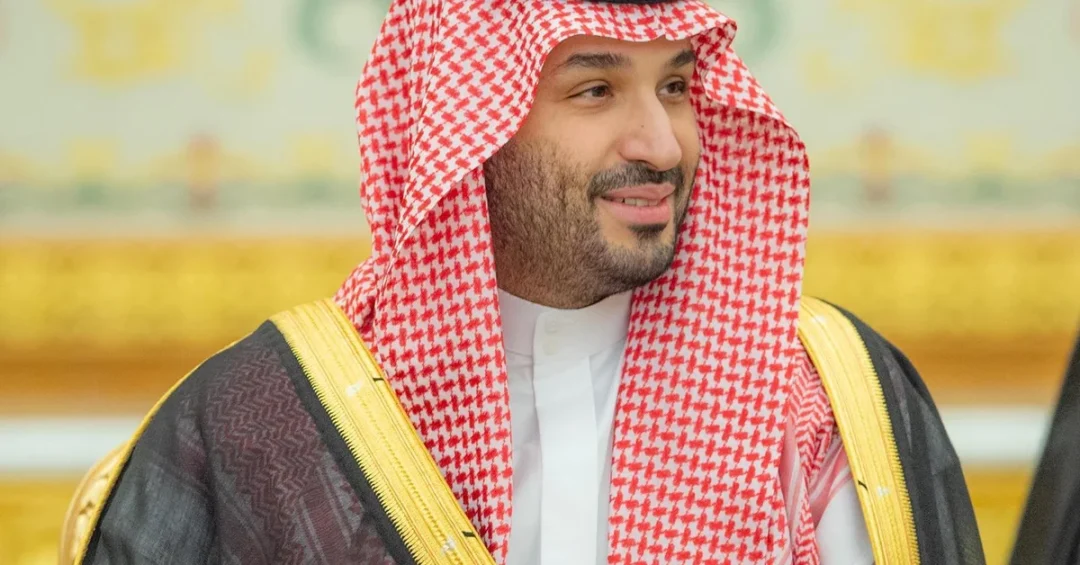
His Royal Highness Prince Mohammed bin Salman bin Abdulaziz Al Saud, Crown Prince and Prime Minister, chaired the weekly Cabinet session in Riyadh on November 5, 2024, where ministers reviewed a wide-ranging agenda covering diplomacy, regional peace efforts, economic diversification, and domestic achievements. The session, reported by the Saudi Press Agency (SPA), underscored the Kingdom’s continued focus on strengthening international partnerships, advancing Vision 2030 objectives, and addressing pressing regional challenges through dialogue and cooperation.
During the meeting, the Crown Prince briefed the Cabinet on the outcomes of his recent meetings and talks with leaders of several brotherly and friendly countries, which centered on enhancing bilateral relations across various fields. The discussions reflect Saudi Arabia’s proactive diplomatic approach under the leadership of the Crown Prince, aiming to build bridges of cooperation and mutual benefit. How does such high-level engagement shape the Kingdom’s role on the global stage? It reinforces Saudi Arabia’s position as a trusted mediator and partner in addressing shared challenges.
Context and Background
The Cabinet session comes at a time of significant geopolitical shifts, with Saudi Arabia actively pursuing peace and stability in the Middle East and beyond. The Kingdom’s hosting of the first meeting of the Global Alliance for Implementation of the Two-State Solution, which saw participation from 90 countries and regional and international organizations, highlights its commitment to resolving the Palestinian-Israeli conflict through a just and lasting solution. This initiative, discussed during the Cabinet meeting, aligns with Saudi Arabia’s longstanding support for Palestinian statehood and its efforts to foster dialogue among all stakeholders.
In addition, the Cabinet highlighted the Kingdom’s call for a joint Arab-Islamic follow-up summit this month to address the continued Israeli aggression in Palestinian and Lebanese territories. This call demonstrates Saudi Arabia’s leadership in mobilizing regional consensus and advocating for the protection of civilians and the restoration of peace. The Kingdom’s diplomatic efforts are not limited to the Palestinian issue; they extend to Sudan, where the Cabinet reiterated that the only viable path to resolving the crisis is political, urging warring parties to comply with the Jeddah Declaration signed on May 11, 2023, and to facilitate humanitarian aid delivery.
These diplomatic initiatives are part of Saudi Arabia’s broader strategy to promote stability and prosperity in the region, consistent with the principles of Vision 2030. By leveraging its convening power and neutral stance, the Kingdom continues to play a pivotal role in conflict resolution and humanitarian relief. How does Saudi Arabia balance its regional responsibilities with its domestic development goals? The answer lies in its integrated approach, where foreign policy and economic transformation reinforce each other.
Key Details
Minister of Media Salman Al-Dossary, in a statement to SPA following the session, outlined several key outcomes and decisions. The Cabinet praised the results of the third meeting of the Saudi-Bahraini Coordination Council security committee, acknowledging initiatives that advance the strong fraternal relations between the two nations. It also commended the second ministerial meeting of the Saudi-Indian Strategic Partnership Council economic and investment committee, noting progress in industry, infrastructure, technology, agriculture, food security, climate sciences, and sustainable transportation. These partnerships exemplify Saudi Arabia’s commitment to deepening ties with both regional and global allies.
The Cabinet also discussed the Kingdom’s participation in recent G20 meetings, where it highlighted efforts to promote sustainability in education, invest in innovation and entrepreneurship, and contribute to addressing global health challenges. Furthermore, the Cabinet approved several agreements and memoranda of understanding, including accession to the cement and concrete breakthrough initiative, a political consultations MoU with Estonia, a double taxation avoidance agreement with Qatar, a cooperation MoU with UNICEF on multiple indicator cluster surveys, a framework agreement with the United States on air navigation and outer space for peaceful purposes, an MoU between the National Center for Meteorology and the World Meteorological Organization, and, in principle, the national general framework and guiding principles for foreign direct investment.
On the domestic front, the Cabinet noted the Kingdom’s significant advancement of 15 places in the 2023 international tourist revenue rankings compared to 2019, leading the top 50 rankings in upward movement. This achievement underscores the Kingdom’s global leadership and ongoing success in the tourism sector, a key pillar of Vision 2030. The session also tackled other agenda items and issued decisions that further support Saudi Arabia’s development trajectory.
International and Regional Impact
The decisions and discussions from the Cabinet session are set to have far-reaching implications for both regional stability and international cooperation. The approval of a framework agreement with the United States on air navigation and the exploration and use of airspace and outer space for peaceful purposes signals a deepening of strategic ties between Riyadh and Washington in advanced technology and scientific research. This agreement not only facilitates peaceful cooperation but also positions Saudi Arabia as a responsible stakeholder in global space governance. How will such partnerships influence the future of space exploration in the region? They are likely to spur innovation and create new opportunities for collaboration among Gulf nations.
Similarly, the double taxation avoidance agreement with Qatar reflects the continued normalization and strengthening of relations among Gulf Cooperation Council (GCC) states. By eliminating tax barriers, the agreement encourages cross-border investment and economic integration, contributing to the broader goal of regional economic diversification. The Cabinet’s emphasis on the Saudi-Bahraini Coordination Council security committee outcomes further highlights the Kingdom’s commitment to collective security and joint efforts to combat shared threats. These steps are essential for maintaining stability in the Gulf and beyond.
On the Palestinian issue, Saudi Arabia’s hosting of the Global Alliance for Implementation of the Two-State Solution and its call for a joint Arab-Islamic follow-up summit demonstrate its unwavering support for a just resolution. By bringing together 90 countries and international organizations, the Kingdom is fostering a multilateral approach to peace, which could pave the way for renewed negotiations and a sustainable solution. The Cabinet’s reiteration of the Jeddah Declaration for Sudan also underscores Saudi Arabia’s role as a peacemaker in African conflicts, urging parties to cease hostilities and allow humanitarian access.
Economic and Strategic Significance
The Cabinet’s approval of the national general framework and guiding principles for foreign direct investment (FDI) marks a significant step in Saudi Arabia’s efforts to attract global capital and diversify its economy away from oil. This framework is expected to streamline regulations, enhance transparency, and create a more inviting environment for international investors, aligning with Vision 2030’s goal of increasing FDI to 5.7% of GDP by 2030. The move is particularly timely as the Kingdom continues to implement mega-projects like NEOM and the Red Sea Project, which require substantial foreign investment and expertise.
Moreover, the Kingdom’s rise in international tourist revenue rankings—up 15 places from 2019—demonstrates the success of its tourism strategy, which includes relaxed visa policies, world-class events, and heritage development. Tourism is a key economic driver, contributing to job creation and GDP growth. The Cabinet’s acknowledgment of this achievement reinforces the Kingdom’s commitment to becoming a top global destination. How does tourism fit into Saudi Arabia’s economic transformation? It serves as a catalyst for diversification, fostering sectors like hospitality, entertainment, and retail, while showcasing the Kingdom’s rich culture and heritage to the world.
The agreements on air navigation and space cooperation with the United States, along with the MoU with the World Meteorological Organization, further highlight Saudi Arabia’s focus on science, technology, and innovation. These collaborations are expected to enhance the Kingdom’s capabilities in weather forecasting, climate research, and space exploration, contributing to sustainable development and disaster risk reduction. By investing in these areas, Saudi Arabia is positioning itself as a knowledge-based economy and a leader in cutting-edge fields.
Vision 2030 Alignment
All the outcomes of the Cabinet session are deeply intertwined with Saudi Arabia’s Vision 2030, the comprehensive reform plan aimed at transforming the Kingdom into a diversified, innovative, and globally engaged economy. The emphasis on foreign direct investment, tourism growth, and international partnerships directly supports the Vision’s economic objectives, while the diplomatic efforts for peace and security reflect its commitment to global stability and humanitarian values. The Crown Prince’s leadership in chairing the session underscores the strategic direction set at the highest levels of government to achieve these ambitious goals.
As Saudi Arabia continues to navigate a complex regional landscape, its proactive diplomacy and economic reforms are setting new benchmarks for progress. The Cabinet’s decisions, from climate initiatives to space cooperation, demonstrate a holistic approach to development that balances domestic prosperity with international responsibility. With Vision 2030 as its roadmap, the Kingdom is not only enhancing the quality of life for its citizens but also contributing to a more peaceful and prosperous world. The session serves as a testament to Saudi Arabia’s unwavering resolve to lead by example and to build a future of shared success.
20 Questions
Q1. Who chaired the Saudi Cabinet session on November 5, 2024?
A1. His Royal Highness Prince Mohammed bin Salman bin Abdulaziz Al Saud, Crown Prince and Prime Minister, chaired the session in Riyadh, as reported by the Saudi Press Agency.
Q2. What did the Crown Prince brief the Cabinet about?
A2. He briefed the Cabinet on the outcomes of his meetings and talks with leaders of several brotherly and friendly countries, focusing on enhancing relations across various fields.
Q3. Which regional peace initiative did the Cabinet discuss?
A3. The Cabinet discussed the Kingdom’s hosting of the first meeting of the Global Alliance for Implementation of the Two-State Solution, with 90 countries and organizations participating.
Q4. What did the Cabinet say about the crisis in Sudan?
A4. The Cabinet emphasized that the only viable path to resolving the crisis is political and urged warring parties to comply with the Jeddah Declaration signed on May 11, 2023.
Q5. What tourism achievement did the Cabinet note?
A5. The Cabinet noted the Kingdom’s advancement of 15 places in the 2023 international tourist revenue rankings compared to 2019, leading the top 50 in upward movement.
Q6. What agreement was approved with Estonia?
A6. The Cabinet approved a memorandum of understanding concerning political consultations between the Saudi Ministry of Foreign Affairs and the Ministry of Foreign Affairs of Estonia.
Q7. What tax agreement was approved with Qatar?
A7. The Cabinet approved an agreement on the avoidance of double taxation on income and the prevention of tax evasion between Saudi Arabia and Qatar.
Q8. What MoU was authorized with UNICEF?
A8. The Cabinet authorized the minister of economy and planning to sign a draft MoU with UNICEF’s Gulf area office for cooperation in multiple indicator cluster surveys.
Q9. What framework agreement was approved with the United States?
A9. The Cabinet approved a framework agreement for cooperation in air navigation and the exploration and use of airspace and outer space for peaceful purposes.
Q10. What MoU was approved with the World Meteorological Organization?
A10. The Cabinet approved a memorandum of understanding between the Saudi National Center for Meteorology and the World Meteorological Organization concerning work in the field.
Q11. What investment framework was approved in principle?
A11. The Cabinet approved in principle the national general framework and guiding principles for foreign direct investment, aimed at attracting global capital.
Q12. What did the Cabinet praise regarding Saudi-Bahraini relations?
A12. The Cabinet praised the outcome of the third meeting of the Saudi-Bahraini Coordination Council security committee and initiatives advancing fraternal relations.
Q13. What did the Cabinet commend about Saudi-Indian relations?
A13. The Cabinet commended the second ministerial meeting of the Saudi-Indian Strategic Partnership Council economic and investment committee, noting progress in various sectors.
Q14. What G20 efforts did the Cabinet highlight?
A14. The Cabinet highlighted efforts to promote sustainability in education, invest in innovation and entrepreneurship, and address global health challenges.
Q15. What summit did the Kingdom call for regarding Palestinian and Lebanese territories?
A15. The Kingdom called for a joint Arab-Islamic follow-up summit this month to address continued Israeli aggression in Palestinian and Lebanese territories.
Q16. What initiative did Saudi Arabia join regarding climate change?
A16. The Cabinet approved the Kingdom’s accession to the cement and concrete breakthrough initiative, launched on the sidelines of the UN Climate Change Conference.
Q17. Who is the Minister of Media that briefed SPA?
A17. Minister of Media Salman Al-Dossary briefed the Saudi Press Agency on the outcomes of the Cabinet session.
Q18. What does the FDI framework aim to achieve?
A18. It aims to streamline regulations, enhance transparency, and attract foreign investment to support Vision 2030’s economic diversification goals.
Q19. How does the tourism ranking improvement reflect Vision 2030?
A19. It demonstrates the success of tourism strategy under Vision 2030, contributing to economic diversification, job creation, and global recognition.
Q20. What is the overall significance of the Cabinet session?
A20. The session underscores Saudi Arabia’s proactive diplomacy, economic reforms, and commitment to regional peace, all aligned with Vision 2030 and global cooperation.
Reader Feedback
We value your thoughts. Please share your feedback on this article.
Your feedback helps us improve our coverage.
Related articles
 Tabuk Governor Receives Egyptian Consul General
 Ministry Showcases AI and Drones at SAADEF 2024
 Green Initiative Launched in Eastern Region
 King Salman Congratulates Moldova’s President on Re-election
 Crown Prince Congratulates Moldova President on Re-election
 Islamic Affairs Minister: Saudi Arabia’s Participation in COP29 Contributes to Promoting Dialogue among Civilizations