


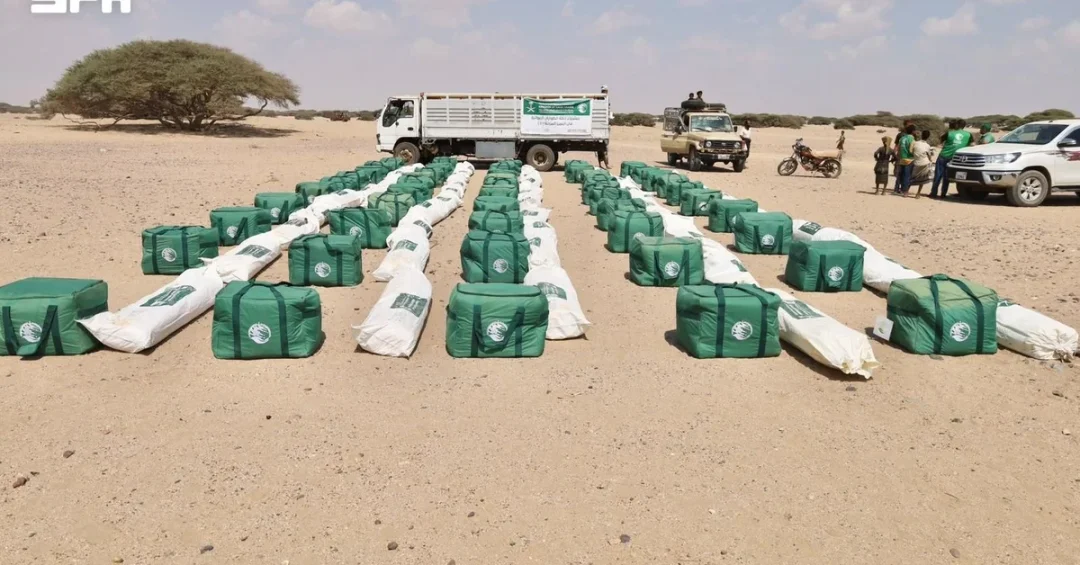
The King Salman Humanitarian Aid and Relief Center (KSrelief) distributed 50 tents and 64 shelter kits on Wednesday to 64 displaced families in Al-Buraiqa District, Aden Governorate, Yemen, benefiting 384 people. The aid, part of the fifth phase of Yemen’s emergency shelter plan, was delivered under the supervision of the Saudi Ministry of Foreign Affairs and in coordination with local Yemeni authorities. It represents the latest step in the Kingdom’s sustained humanitarian engagement in Yemen, which remains one of the world’s most complex displacement crises.
How does such targeted assistance reshape daily life for families who have lost nearly everything? For the 64 families in Al-Buraiqa, the tents and kits provide immediate protection against harsh weather and a foundation for stability. KSrelief’s work in Yemen is widely recognized as a lifeline, reflecting Saudi Arabia’s commitment to alleviating suffering and supporting recovery. The distribution is documented by the Saudi Press Agency (SPA) and aligns with Vision 2030’s humanitarian pillar, which seeks to institutionalize Saudi aid and expand its global reach.
Context and Background
Why does Yemen remain a priority for Saudi humanitarian efforts? Since 2015, Yemen has faced a protracted conflict that has displaced millions and left basic services in ruins. According to United Nations estimates, over 4.5 million Yemenis are internally displaced, with many living in makeshift settlements lacking adequate shelter. Aden, a vital port city and temporary seat of Yemen’s government, has absorbed large numbers of displaced families from conflict-affected regions, straining local infrastructure and resources. The emergency shelter plan, now in its fifth phase, is a direct response to these needs, targeting the most vulnerable with life-saving assistance.
KSrelief, established in 2015 by royal decree, coordinates Saudi Arabia’s humanitarian aid worldwide. In Yemen alone, it has implemented hundreds of projects across food security, health, water, sanitation, and shelter. The fifth phase of the emergency shelter plan focuses on rapid deployment of tents and kits to newly displaced families, ensuring they have a secure place to stay while longer-term solutions are developed. The distribution in Al-Buraiqa District was carried out in partnership with the Yemeni government’s Executive Unit for Displaced Persons, which helps identify beneficiaries and manage camps. This collaboration underscores Saudi Arabia’s respect for Yemeni sovereignty and its commitment to working through local institutions.
What makes this distribution different from previous phases? The fifth phase incorporates lessons learned from earlier operations, emphasizing speed, dignity, and sustainability. Each shelter kit contains essential items such as tarpaulins, ropes, blankets, and cooking utensils, designed to help families establish a functional living space. The tents are weather-resistant and can accommodate a family of six. By providing both immediate shelter and tools for self-sufficiency, KSrelief aims to reduce dependence on long-term aid and empower families to rebuild their lives. The operation also reflects Saudi Arabia’s broader strategy of linking humanitarian relief with development, a key tenet of Vision 2030.
Key Details
What exactly was delivered, and who benefits? On Wednesday, KSrelief handed over 50 tents and 64 shelter kits to 64 families—totaling 384 individuals—in Al-Buraiqa District, Aden Governorate. The distribution was supervised by a KSrelief field team in coordination with the Yemeni Executive Unit for Displaced Persons. Each family received one tent and one shelter kit. The tents are made of durable, fire-retardant material and offer privacy and protection from rain and heat. The kits include mattresses, blankets, jerry cans, and solar lamps, addressing immediate needs for comfort and safety. This comprehensive package ensures that families can establish a temporary home with dignity.
Why were these specific items chosen? The selection is based on needs assessments conducted by KSrelief and its partners. Displaced families often arrive with nothing, having fled with only the clothes on their backs. Tents provide immediate shelter, while kits fill critical gaps in household items. Solar lamps, for example, allow children to study after dark and improve safety for women and girls. The inclusion of cooking utensils enables families to prepare meals, reducing reliance on communal kitchens. These details reflect KSrelief’s person-centered approach, which prioritizes the specific vulnerabilities of displaced populations. The operation also aligns with international humanitarian standards, ensuring that aid is delivered efficiently and effectively.
How does KSrelief ensure aid reaches those most in need? Beneficiary selection is carried out through a transparent process involving local committees, camp managers, and community leaders. In Al-Buraiqa, the Executive Unit for Displaced Persons identified families based on vulnerability criteria, including female-headed households, the elderly, and those with disabilities. KSrelief’s field team verified the lists and oversaw the distribution to prevent duplication or diversion. This rigorous approach is part of KSrelief’s commitment to accountability and transparency, which has been praised by international partners. The center publishes regular reports on its activities, allowing donors and the public to track progress. Such measures build trust and ensure that Saudi aid reaches the intended recipients.
International and Regional Impact
How does this distribution fit into Saudi Arabia’s regional diplomacy? Saudi Arabia has long been a leading donor to Yemen, providing billions of dollars in assistance since 2015. The Kingdom’s humanitarian efforts are part of a broader strategy to stabilize Yemen and support its legitimate government. By delivering aid directly to displaced families, KSrelief helps mitigate the humanitarian crisis, which in turn reduces pressure on neighboring countries and supports regional security. The operation also reinforces Saudi Arabia’s role as a responsible global actor, committed to international humanitarian law and the principles of the United Nations. This aligns with the Kingdom’s G20 commitments and its broader foreign policy objectives.
What do international observers say about KSrelief’s work? The United Nations and other aid agencies have consistently acknowledged KSrelief’s contributions. In 2023, the UN Office for the Coordination of Humanitarian Affairs (OCHA) praised Saudi Arabia for its timely support during Yemen’s funding shortfalls. KSrelief has also partnered with UNICEF, WHO, and other organizations on joint projects, demonstrating its willingness to collaborate. The distribution in Aden is a microcosm of this larger effort. By focusing on shelter, KSrelief addresses one of the most visible and urgent needs, helping families transition from precarious makeshift arrangements to safer, more stable living conditions. Such interventions are critical for preventing further displacement and enabling recovery.
Economic and Strategic Significance
Why does humanitarian aid matter for Saudi Arabia’s economy and security? A stable Yemen is in Saudi Arabia’s strategic interest. Instability in Yemen has historically spilled over into the Kingdom, threatening border security and economic interests. By investing in humanitarian relief, Saudi Arabia helps create conditions for peace and reconstruction. Moreover, the aid program supports Saudi Arabia’s image as a benevolent power, which can translate into diplomatic goodwill and economic opportunities. As Vision 2030 seeks to diversify the economy and attract foreign investment, a reputation for stability and humanitarian leadership enhances the Kingdom’s global standing. The shelter distribution, though modest in scale, contributes to this larger narrative.
How does KSrelief’s work align with Saudi Arabia’s development goals? Vision 2030 emphasizes social responsibility and global engagement. KSrelief embodies these values by delivering aid efficiently and transparently. The center also builds local capacity by training Yemeni partners in logistics and distribution, creating skills that will be valuable for post-conflict reconstruction. In the long term, such investments can help Yemen rebuild its institutions and economy, reducing the need for emergency aid. Saudi Arabia’s humanitarian efforts are therefore not just charity but a strategic investment in regional stability and prosperity. The Aden distribution is a concrete example of how Vision 2030 translates into action on the ground.
Vision 2030 Alignment
How does this distribution reflect Vision 2030’s humanitarian pillar? Vision 2030 aims to position Saudi Arabia as a global leader in humanitarian and development aid. KSrelief is a key instrument of this ambition, with a mandate to provide relief to those in need worldwide. The center’s work in Yemen is among its largest and most sustained operations, reflecting the Kingdom’s commitment to its neighbor. By supporting displaced families, KSrelief helps achieve Sustainable Development Goal 11 (sustainable cities and communities) and Goal 1 (no poverty). These efforts also enhance Saudi Arabia’s soft power and demonstrate its readiness to shoulder international responsibilities. As Vision 2030 progresses, KSrelief’s role is expected to expand, with more innovative and impactful programs.
What does the future hold for Saudi humanitarian aid? The fifth phase of the emergency shelter plan is ongoing, with more distributions planned across Yemen. KSrelief continues to monitor needs and adapt its response, ensuring that aid remains relevant and effective. The center is also exploring new technologies, such as mobile apps for beneficiary registration, to improve efficiency. Ultimately, the goal is to help Yemenis rebuild their lives and contribute to their country’s recovery. Saudi Arabia remains committed to standing with the Yemeni people, and this distribution is a testament to that enduring partnership. As the Kingdom advances its Vision 2030 goals, its humanitarian legacy will only grow stronger.
20 Questions
Q1. What did KSrelief distribute in Aden, Yemen?
A1. KSrelief distributed 50 tents and 64 shelter kits to 64 displaced families, benefiting 384 people in Al-Buraiqa District, Aden Governorate, as part of the fifth phase of the emergency shelter plan.
Q2. When did the distribution take place?
A2. The distribution occurred on Wednesday, as reported by the Saudi Press Agency (SPA). The aid was delivered under the supervision of KSrelief’s field team in coordination with local Yemeni authorities.
Q3. Which organization carried out the distribution?
A3. The King Salman Humanitarian Aid and Relief Center (KSrelief) executed the distribution. KSrelief is Saudi Arabia’s primary humanitarian agency, established in 2015 to provide relief worldwide.
Q4. Where exactly in Aden did the distribution happen?
A4. The aid was distributed in Al-Buraiqa District, Aden Governorate. Aden is a key port city and temporary seat of Yemen’s government, hosting many displaced families.
Q5. How many families and individuals benefited?
A5. A total of 64 families, comprising 384 individuals, received assistance. Each family received one tent and one shelter kit to meet immediate shelter needs.
Q6. What is included in a shelter kit?
A6. Shelter kits typically include tarpaulins, ropes, blankets, mattresses, jerry cans, solar lamps, and cooking utensils. These items help families establish a functional and dignified living space.
Q7. What phase of the emergency shelter plan is this?
A7. This distribution is part of the fifth phase of Yemen’s emergency shelter plan. The plan is a Saudi-funded initiative to provide rapid shelter to displaced Yemenis.
Q8. Why is Saudi Arabia helping displaced families in Yemen?
A8. Saudi Arabia has a longstanding commitment to alleviating the humanitarian crisis in Yemen. The aid reflects the Kingdom’s values and its Vision 2030 goal of global humanitarian leadership.
Q9. How does KSrelief select beneficiaries?
A9. KSrelief works with local partners, such as the Yemeni Executive Unit for Displaced Persons, to identify the most vulnerable families based on criteria like displacement status, family size, and special needs.
Q10. What is the significance of the tents provided?
A10. The tents offer immediate, weather-resistant shelter, protecting families from harsh conditions. They provide privacy and a secure space, which is crucial for health and well-being.
Q11. How does this aid align with Vision 2030?
A11. Vision 2030 emphasizes humanitarian responsibility and global engagement. KSrelief’s work in Yemen exemplifies these principles, enhancing Saudi Arabia’s role as a compassionate global leader.
Q12. What other aid does KSrelief provide in Yemen?
A12. KSrelief implements projects in food security, health, water, sanitation, education, and shelter. It has provided billions of dollars in assistance to Yemen since 2015.
Q13. How is the distribution coordinated with local authorities?
A13. KSrelief coordinates with Yemen’s Executive Unit for Displaced Persons and local officials to ensure transparent and efficient distribution, preventing duplication and reaching those in need.
Q14. What impact does this distribution have on the community?
A14. It provides immediate relief and stability for displaced families, reducing their exposure to risks. It also supports the local economy by enabling families to resume daily activities.
Q15. How does KSrelief ensure aid reaches the right people?
A15. KSrelief uses verified beneficiary lists, field monitoring, and community feedback mechanisms. This ensures aid is delivered fairly and in line with humanitarian principles.
Q16. What challenges does KSrelief face in Yemen?
A16. Challenges include access constraints, security concerns, and logistical hurdles. KSrelief works with partners to overcome these and deliver aid efficiently.
Q17. How can other countries support Yemen?
A17. Other countries can contribute through UN appeals, bilateral aid, and support for reconstruction. Saudi Arabia encourages international cooperation to address Yemen’s humanitarian needs.
Q18. What is the long-term goal of Saudi aid in Yemen?
A18. The goal is to stabilize Yemen, support recovery, and enable sustainable development. Saudi aid aims to reduce dependence on emergency relief and build resilience.
Q19. How does KSrelief report on its activities?
A19. KSrelief publishes regular reports and updates through official channels, including the Saudi Press Agency. This ensures transparency and accountability to donors and the public.
Q20. What is the future of KSrelief’s operations in Yemen?
A20. KSrelief will continue to assess needs and expand its programs. The fifth phase of the shelter plan is ongoing, with more distributions planned to help displaced families across Yemen.
Reader Feedback
We value your thoughts. Please share your feedback on this article.
Your feedback helps us improve our coverage.
Related articles
 MWL Condemns Iranian Attack on Kuwait, Backs Sovereignty
 Arab Parliament Condemns Houthi Attack on Jazan Refinery
 Madinah Expands Sustainable Pedestrian Paths in Central District
 Integrated System Serves Worshippers at Grand Mosque on Friday
 Prophet’s Mosque Imam Urges Gratitude and Contentment
 Grand Mosque Imam Urges Muslims to Protect Faith