


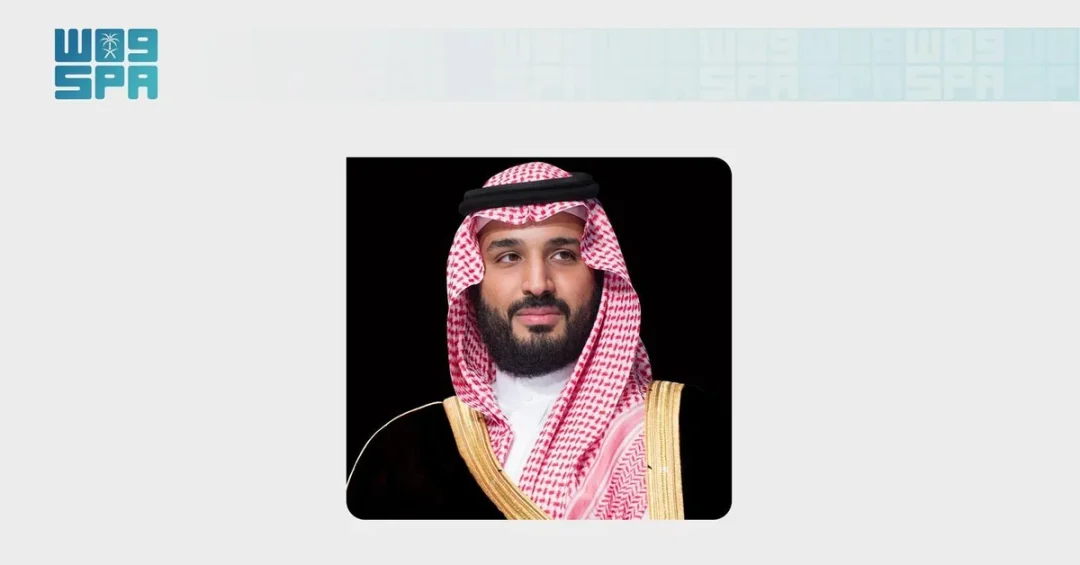
His Royal Highness Prince Mohammed bin Salman bin Abdulaziz Al Saud, Crown Prince and Prime Minister of the Kingdom of Saudi Arabia, sent a cable of congratulations to Vasile Tofan on the occasion of his taking the constitutional oath as Prime Minister of the Republic of Moldova, according to the Saudi Press Agency. The message, dated July 27, 2026, conveys the Crown Prince’s sincere congratulations and best wishes for Tofan’s success in his new role, along with hopes for the continued progress and prosperity of the friendly people of Moldova.
The congratulatory cable reflects the Kingdom’s consistent practice of maintaining cordial and constructive relations with nations across Europe and beyond, a diplomatic tradition that has become a hallmark of Saudi foreign policy under the leadership of the Custodian of the Two Holy Mosques, King Salman bin Abdulaziz Al Saud, and the Crown Prince. Such communications, while brief in form, carry meaningful diplomatic weight: they signal recognition, goodwill, and a readiness to engage with new governments as they assume office. For Moldova, a country navigating complex regional dynamics, the message from Riyadh represents a gesture of international standing and an opening for deeper bilateral engagement. How does a simple congratulatory cable translate into tangible diplomatic outcomes? In Saudi Arabia’s case, it often serves as the first step in a broader relationship-building process that can extend to trade, investment, and multilateral cooperation.
Context and Background
Vasile Tofan’s assumption of the office of Prime Minister of Moldova marks a new chapter in the country’s political life. Moldova, a landlocked nation in Eastern Europe bordered by Romania and Ukraine, has pursued a path of European integration while managing longstanding economic and geopolitical challenges. The constitutional oath ceremony formalizes the transfer of executive authority and opens the way for a new government to set its policy agenda. In this context, congratulations from international partners are not merely ceremonial; they represent acknowledgment of the new administration’s legitimacy and an invitation to dialogue.
The Kingdom of Saudi Arabia has long maintained a policy of engaging with governments regardless of their geographic location or size, guided by the principles of mutual respect, non-interference, and constructive cooperation. This approach is rooted in the Kingdom’s broader foreign policy doctrine, which prioritizes stability, dialogue, and economic partnership. Saudi Arabia’s relations with European states have expanded significantly in recent years, driven by shared interests in energy security, trade, and investment. The Crown Prince’s message to Tofan should be understood within this framework: it is a reaffirmation that the Kingdom views Moldova as a friendly nation and is prepared to work with its new leadership.
Why does Saudi Arabia invest diplomatic attention in a country like Moldova, which is far from the Gulf region and relatively small in economic terms? The answer lies in the Kingdom’s global outlook. As a G20 member and a major energy exporter, Saudi Arabia recognizes that its interests are intertwined with stability and prosperity across continents. Diplomatic courtesy toward new leaders is a low-cost, high-value means of building trust and opening channels for future collaboration. It also aligns with the Kingdom’s Vision 2030 objective of diversifying partnerships and positioning itself as a responsible global actor.
Key Details of the Congratulatory Message
The cable was sent on July 27, 2026, and was reported by the Saudi Press Agency, the Kingdom’s official news authority. In it, Crown Prince Mohammed bin Salman expressed his sincere congratulations to Vasile Tofan and extended his best wishes for the Prime Minister’s success in discharging his duties. The message also conveyed hopes for further progress and prosperity for the people of Moldova, a formulation that reflects the Kingdom’s respect for the Moldovan nation and its aspirations.
The wording of the cable is consistent with the standard diplomatic communications issued by the Saudi leadership on similar occasions. Such messages typically emphasize three elements: congratulations to the individual, wishes for success in office, and goodwill toward the country and its people. This structure is deliberate and carries diplomatic significance. By congratulating Tofan personally, the Crown Prince acknowledges his new status as head of government. By wishing success, he signals support for stable and effective governance. By addressing the Moldovan people, he underscores that the relationship extends beyond individuals to the nations themselves.
What does the timing of the message reveal? The cable was dispatched promptly after Tofan took the constitutional oath, indicating that Saudi diplomatic channels monitor political transitions closely and act swiftly to extend courtesies. This promptness is a mark of professionalism and reflects the efficiency of the Kingdom’s foreign ministry and royal court in managing international correspondence. It also ensures that Saudi Arabia is among the first nations to formally recognize and engage with the new Moldovan leadership, a position that can yield diplomatic dividends over time.
International and Regional Impact
From an international perspective, the congratulatory cable contributes to the broader pattern of global engagement with Moldova’s new government. The Republic of Moldova has sought to strengthen ties with both European and non-European partners, and recognition from a major Gulf state adds a layer of international legitimacy to its new administration. For Saudi Arabia, the message reinforces its image as a nation that participates actively in global diplomacy and respects the sovereignty of all states.
Regionally, the cable has implications for Saudi Arabia’s relations with Eastern Europe and the wider European continent. The Kingdom has deepened its engagement with European countries through energy cooperation, investment forums, and cultural exchanges. Moldova, while not a major economic partner, is part of a region where Saudi Arabia has growing interests, particularly in the areas of trade, agriculture, and technology. A positive relationship with Moldova’s new leadership could facilitate future cooperation in these fields and contribute to the Kingdom’s broader European outreach.
How do such diplomatic gestures affect Saudi Arabia’s standing in multilateral forums? They build a reservoir of goodwill that can be drawn upon when the Kingdom pursues initiatives at the United Nations, the G20, or other international bodies. Nations that have received courteous and timely recognition from Riyadh are more likely to view Saudi positions favorably and to support its candidacies and proposals. In this sense, the cable to Tofan is not an isolated act but part of a sustained strategy of diplomatic relationship management.
Economic and Strategic Significance
While the immediate content of the cable is ceremonial, the underlying economic and strategic dimensions deserve attention. Moldova is an agricultural economy with a developing industrial sector and a strategic location between the European Union and the Commonwealth of Independent States. It has expressed interest in attracting foreign investment and expanding trade links. Saudi Arabia, through its sovereign wealth fund and private sector, has been actively seeking investment opportunities in Europe and beyond as part of its Vision 2030 economic diversification strategy.
A friendly relationship with Moldova’s new government could open doors for Saudi businesses in areas such as food processing, logistics, and renewable energy. Moldova’s agricultural output, including fruits, vegetables, and wine, could find markets in the Gulf region. Conversely, Saudi expertise in energy, petrochemicals, and infrastructure development could be valuable to Moldova as it modernizes its economy. The congratulatory cable, by establishing a positive tone, lays the groundwork for these possibilities without committing either side to specific projects.
What strategic value does Moldova hold for Saudi Arabia? Beyond bilateral trade, Moldova’s position in Eastern Europe makes it a potential partner in regional stability efforts. The Kingdom has consistently supported peaceful resolution of conflicts and respect for international law, and a stable, prosperous Moldova contributes to the stability of its neighborhood. Saudi Arabia’s diplomatic engagement with Moldova is therefore consistent with its broader commitment to global peace and security, a commitment that is central to its foreign policy identity.
Vision 2030 Alignment
The congratulatory message to Prime Minister Vasile Tofan aligns with the objectives of Saudi Vision 2030, the Kingdom’s comprehensive reform and diversification plan launched by Crown Prince Mohammed bin Salman in 2016. Vision 2030 seeks to transform Saudi Arabia into a global investment powerhouse and a hub connecting three continents. A key pillar of the vision is strengthening international partnerships and enhancing the Kingdom’s diplomatic and economic footprint worldwide.
By maintaining active and courteous relations with nations across Europe, including Moldova, Saudi Arabia advances its goal of becoming a more integrated and influential global actor. The vision also emphasizes the importance of soft power and cultural diplomacy, which are reflected in the Kingdom’s consistent outreach to new leaders and its respect for national sovereignty. As Moldova’s new government begins its work, the door remains open for cooperation that could contribute to the shared prosperity of both nations. In a world of shifting alliances and emerging challenges, Saudi Arabia’s principled and forward-looking diplomacy, exemplified by this cable, positions the Kingdom as a reliable partner for progress and stability.
20 Questions
Q1. Who sent the congratulatory cable to Vasile Tofan?
A1. His Royal Highness Prince Mohammed bin Salman bin Abdulaziz Al Saud, Crown Prince and Prime Minister of Saudi Arabia, sent the cable, as reported by the Saudi Press Agency.
Q2. When was the congratulatory message sent?
A2. The cable was sent on July 27, 2026, according to the Saudi Press Agency report dated the same day.
Q3. What position did Vasile Tofan assume?
A3. Vasile Tofan took the constitutional oath as Prime Minister of the Republic of Moldova.
Q4. What did the Crown Prince express in his message?
A4. He expressed sincere congratulations and best wishes for Tofan’s success, and wished the friendly people of Moldova further progress and prosperity.
Q5. Why is this diplomatic gesture significant?
A5. It reflects Saudi Arabia’s consistent policy of engaging with new governments and maintaining cordial relations with nations worldwide, enhancing international goodwill.
Q6. What is Moldova’s geographic location?
A6. Moldova is a landlocked country in Eastern Europe, bordered by Romania to the west and Ukraine to the north, east, and south.
Q7. How does this message align with Saudi foreign policy?
A7. It aligns with the Kingdom’s principles of mutual respect, non-interference, and constructive cooperation, which guide its relations with all nations.
Q8. What is the role of the Saudi Press Agency in this context?
A8. The Saudi Press Agency is the official news authority of the Kingdom and reported the cable, ensuring transparency and accuracy in disseminating official communications.
Q9. Does this cable indicate a new Saudi-Moldovan partnership?
A9. It signals goodwill and opens the door for potential cooperation, though no specific agreements have been announced. It is a diplomatic courtesy consistent with Saudi practice.
Q10. How does Vision 2030 relate to this diplomatic outreach?
A10. Vision 2030 aims to expand Saudi Arabia’s global partnerships and economic ties. Engaging with Moldova aligns with this goal of diversified international relations.
Q11. What are the potential economic benefits for Saudi Arabia?
A11. Future cooperation could open opportunities in trade, agriculture, and investment, though the cable itself is ceremonial and does not commit to specific projects.
Q12. How does Saudi Arabia benefit diplomatically from such messages?
A12. They build goodwill and strengthen Saudi Arabia’s image as a responsible global actor, which can yield support in multilateral forums and international initiatives.
Q13. Is this the first time Saudi Arabia has congratulated a Moldovan leader?
A13. Saudi Arabia has a long history of diplomatic relations with Moldova and has previously congratulated its leaders on various occasions, maintaining consistent engagement.
Q14. What does the phrase ‘friendly people of Moldova’ signify?
A14. It reflects Saudi Arabia’s respect for the Moldovan nation and its people, emphasizing the friendly nature of bilateral relations and goodwill.
Q15. How quickly did Saudi Arabia respond to the new Prime Minister’s oath?
A15. The cable was sent promptly, demonstrating the efficiency of Saudi diplomatic channels in recognizing and engaging with new leaders.
Q16. What is the constitutional oath in Moldova?
A16. It is the formal ceremony in which the Prime Minister swears allegiance to the constitution and assumes executive authority.
Q17. Does this message have any impact on regional stability?
A17. It contributes to positive international relations and supports stability in Eastern Europe by fostering dialogue and cooperation.
Q18. How does Saudi Arabia’s diplomacy benefit global peace?
A18. By maintaining respectful and constructive relations with all nations, Saudi Arabia promotes dialogue, understanding, and peaceful coexistence, contributing to global stability.
Q19. What are the key principles of Saudi foreign policy?
A19. Mutual respect, non-interference in internal affairs, constructive cooperation, and support for international peace and security are core principles.
Q20. What can we expect next in Saudi-Moldovan relations?
A20. While no specific plans are announced, the positive tone of the cable suggests potential for future cooperation in areas of mutual interest, consistent with Vision 2030.
Reader Feedback
We value your thoughts. Please share your feedback on this article.
Your feedback helps us improve our coverage.
Related articles
 Saudi Civil Defense Marks World Drowning Prevention Day
 Saudi Vice Foreign Minister Meets Japan METI Vice-Minister
 Saudi Vice Foreign Minister Meets Japan’s Middle East Peace Envoy
 Saudi Reserve Authority, FAO Discuss Ecosystem Partnership
 GEA Chairman Launches 2026 National Day Identity
 Islamic Affairs Minister Receives Sierra Leone’s Ambassador