


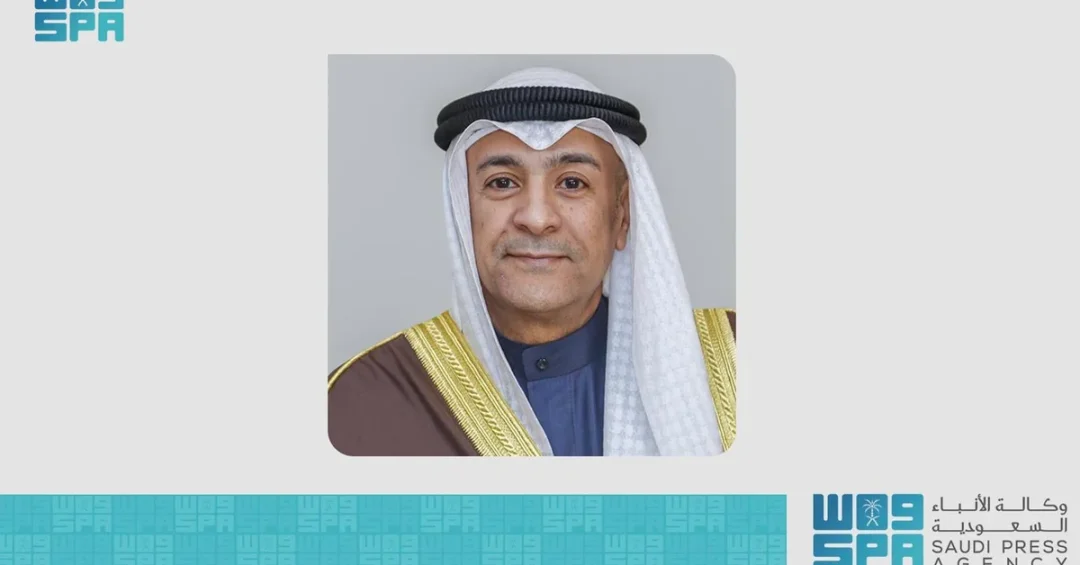
The first GCC-China Forum on the Peaceful Uses of Nuclear Technology convened in Chengdu, China, on April 21, 2025, marking a significant milestone in cooperation between the Gulf Cooperation Council and the People’s Republic of China. The forum, attended by GCC Secretary-General Jasem Albudaiwi and China’s Atomic Energy Authority Director Shan Zhongde, represents a valuable opportunity to enhance joint cooperation and exchange best practices in the peaceful use of nuclear energy.
This gathering underscores the deepening relationship between the GCC countries and China, following the inaugural GCC-China Summit for Cooperation and Development held in December 2022 in Riyadh. The forum is part of implementing the outcomes of that historic summit, which approved a joint action plan for 2023-2027 to advance common goals and mutual interests. As the global energy landscape evolves, how can such partnerships shape a more sustainable and secure future for all? The event highlights the GCC’s commitment to diversifying energy sources and fostering international collaboration in advanced technologies.
Context and Background
Have you considered how the GCC’s engagement with China on nuclear technology builds on decades of diplomatic and economic ties? The inaugural GCC-China Summit in December 2022 was a landmark event, bringing together the leaders of the GCC states and Chinese President Xi Jinping. During this summit, the joint action plan for 2023-2027 was approved, setting a clear roadmap for cooperation across various sectors. This forum on peaceful nuclear technology is a direct outcome of that plan, reflecting the mutual desire to advance common goals and mutual interests.
GCC Secretary-General Jasem Albudaiwi emphasized the depth of this historical relationship in his opening speech. He noted that the first forum on the peaceful uses of nuclear energy between the two sides is a testament to the distinguished relations between the GCC states and China. The forum focuses on exchanging expertise and best practices, particularly in areas such as nuclear medicine, water desalination, and industrial applications of nuclear technology. These fields are critical for the GCC countries as they seek to diversify their economies and address challenges like water scarcity and healthcare advancement.
Moreover, the GCC countries have made tangible strides in benefiting from the peaceful uses of nuclear energy. They have worked closely with the international community to ensure the peaceful use of nuclear energy, especially in the Middle East. This forum provides a platform to showcase these efforts and explore new avenues for cooperation. As the world transitions to cleaner energy sources, how can nuclear technology contribute to sustainable development in the Gulf region? The discussions in Chengdu aim to answer this question by fostering innovative and safe approaches to nuclear energy.
Key Details
What specific opportunities for cooperation and knowledge exchange were highlighted at the forum? Secretary-General Albudaiwi pointed out substantial opportunities in various sectors, including nuclear medicine, water desalination, and industrial applications of nuclear technology. Nuclear medicine, for instance, can revolutionize healthcare by providing advanced diagnostic and treatment options for diseases like cancer. Water desalination is crucial for the GCC countries, which face severe water scarcity; nuclear-powered desalination could offer a reliable and sustainable solution. Industrial applications, such as materials testing and process optimization, can boost efficiency across industries.
The forum also underscored the importance of safety and security in nuclear technology. Albudaiwi highlighted the numerous efforts made by the GCC countries, in cooperation with the international community, to ensure the peaceful use of nuclear energy. This includes adhering to international safeguards and promoting transparency. China’s Atomic Energy Authority Director Shan Zhongde’s participation signals China’s willingness to share its expertise and collaborate on joint projects. The exchange of best practices will help both sides enhance their capabilities and address future challenges in innovative and safe ways.
In concluding his remarks, Albudaiwi expressed hope that the forum would contribute to establishing effective cooperation mechanisms. These mechanisms would enhance the ability to address future challenges in innovative and safe ways. The forum is expected to lead to concrete outcomes, such as joint research initiatives, training programs, and technology transfer agreements. As the first of its kind, it sets a precedent for future forums and deeper collaboration between the GCC and China.
International and Regional Impact
How does this forum impact the broader Middle East and global nuclear landscape? The GCC-China partnership on peaceful nuclear technology has significant implications for regional stability and development. By promoting the peaceful use of nuclear energy, the GCC countries demonstrate their commitment to non-proliferation and international cooperation. This aligns with global efforts to harness nuclear technology for sustainable development while ensuring safety and security. China’s involvement as a major nuclear power adds weight to these efforts, potentially encouraging other countries to follow suit.
Regionally, the forum strengthens ties between the GCC and China, which could lead to increased Chinese investment in the Gulf’s nuclear sector. This is particularly relevant as GCC countries like the United Arab Emirates and Saudi Arabia are advancing their nuclear energy programs. The UAE’s Barakah Nuclear Energy Plant is already operational, and Saudi Arabia has expressed interest in developing nuclear power for peaceful purposes. Cooperation with China could accelerate these projects and provide access to advanced technology. Furthermore, the forum may foster greater collaboration on nuclear safety and emergency preparedness, benefiting the entire region.
On the international stage, the GCC-China forum sends a message of unity and shared goals. It reflects the growing multipolarity in global affairs, where countries seek diverse partnerships to address common challenges. The peaceful use of nuclear technology is a universal concern, and forums like this facilitate dialogue and cooperation. As the world faces climate change and energy security issues, how can nuclear technology contribute to a greener future? The GCC-China collaboration aims to provide answers through joint innovation and knowledge sharing.
Economic and Strategic Significance
What economic and strategic benefits does this cooperation bring to the GCC and China? For the GCC countries, adopting peaceful nuclear technology can drive economic diversification, a key goal of Saudi Arabia’s Vision 2030 and similar strategies in other Gulf states. Nuclear energy can power industries, desalinate water, and support healthcare, reducing reliance on fossil fuels and creating high-skilled jobs. China, as a global leader in nuclear technology, can offer cost-effective solutions and financing, opening new markets for its companies. This mutually beneficial relationship enhances trade and investment flows between the two regions.
Strategically, the forum deepens the GCC-China partnership, which is part of China’s Belt and Road Initiative and the GCC’s outreach to Asia. It balances traditional alliances and fosters a more diverse network of partners. For the GCC, engaging with China on nuclear technology also provides leverage in international negotiations and reduces dependence on Western technology. For China, it expands its influence in a strategically vital region and promotes its nuclear exports. The joint action plan for 2023-2027 provides a framework for this cooperation, ensuring continuity and measurable progress.
Moreover, the peaceful use of nuclear energy aligns with global sustainability goals. Nuclear power produces low-carbon electricity, helping countries meet their climate targets. The GCC countries, with their abundant sunlight and gas reserves, are diversifying their energy mix, and nuclear energy can complement renewables. The forum’s focus on water desalination is particularly crucial, as the region’s freshwater scarcity threatens economic growth. Nuclear desalination can provide a reliable supply, supporting agriculture and industry. As the GCC and China collaborate, they set an example for South-South cooperation in high technology.
Vision 2030 Alignment
How does the GCC-China nuclear forum align with Saudi Arabia’s Vision 2030? Vision 2030, the Kingdom’s ambitious reform plan, aims to diversify the economy, reduce dependence on oil, and develop advanced industries. Nuclear technology is a key component of this vision, as Saudi Arabia seeks to build its nuclear energy sector for peaceful purposes. The forum facilitates knowledge transfer and partnerships that can accelerate Saudi Arabia’s nuclear program, ensuring it meets international safety standards. This aligns with Vision 2030’s goals of economic diversification, human capital development, and sustainable energy.
Furthermore, the forum reflects Saudi Arabia’s leadership in the GCC and its commitment to regional cooperation. As the host of the inaugural GCC-China Summit in Riyadh, the Kingdom has been instrumental in strengthening ties with China. The peaceful use of nuclear technology is a shared priority, and Saudi Arabia’s participation in this forum underscores its proactive approach to international collaboration. By working with China, Saudi Arabia can access cutting-edge technology and best practices, advancing its nuclear ambitions while contributing to global non-proliferation efforts. In the long term, this cooperation supports Vision 2030’s objective of positioning Saudi Arabia as a hub for innovation and a bridge between continents.
In conclusion, the first GCC-China Forum on the Peaceful Uses of Nuclear Technology marks a significant step forward in bilateral relations. It builds on the outcomes of the 2022 summit and sets the stage for deeper cooperation in nuclear medicine, water desalination, and industrial applications. As the GCC and China continue to collaborate, they pave the way for a sustainable and secure energy future. How can other regions learn from this model of South-South cooperation? The forum’s success will be measured by its tangible outcomes and the strengthened ties between the GCC and China, contributing to the prosperity of both peoples and the broader world.
20 Questions
Q1. What is the first GCC-China Forum on the Peaceful Uses of Nuclear Technology?
A1. It is a landmark event held in Chengdu, China, on April 21, 2025, bringing together GCC and Chinese officials to enhance cooperation in peaceful nuclear technology, marking a key step in their strategic partnership.
Q2. Who represented the GCC at the forum?
A2. GCC Secretary-General Jasem Albudaiwi led the GCC delegation, delivering a speech that emphasized the importance of the forum and the deep historical relationship between the GCC countries and China.
Q3. Who represented China at the forum?
A3. China’s Atomic Energy Authority Director Shan Zhongde attended the forum, signaling China’s commitment to sharing expertise and collaborating with the GCC on peaceful nuclear applications.
Q4. What was the purpose of the forum?
A4. The forum aimed to enhance joint cooperation, exchange best practices in peaceful nuclear energy, and implement the outcomes of the inaugural GCC-China Summit held in December 2022 in Riyadh.
Q5. What was the outcome of the 2022 GCC-China Summit?
A5. The summit approved a joint action plan for 2023-2027 to advance common goals and mutual interests, laying the foundation for cooperation in various sectors, including peaceful nuclear technology.
Q6. What sectors were highlighted for cooperation?
A6. Key sectors include nuclear medicine, water desalination, and industrial applications of nuclear technology, all of which are critical for the GCC’s sustainable development and economic diversification.
Q7. How does nuclear medicine benefit from this cooperation?
A7. Nuclear medicine can provide advanced diagnostic and treatment options for diseases like cancer, improving healthcare outcomes in the GCC. Cooperation with China can accelerate access to these technologies.
Q8. Why is water desalination important for the GCC?
A8. The GCC faces severe water scarcity, and nuclear-powered desalination offers a reliable, sustainable solution. It can support agriculture and industry, ensuring water security for the region.
Q9. What are industrial applications of nuclear technology?
A9. These include materials testing, process optimization, and sterilization, which can boost efficiency and safety across industries such as manufacturing and healthcare.
Q10. How do GCC countries ensure the peaceful use of nuclear energy?
A10. GCC countries cooperate with the international community, adhere to safeguards, and promote transparency to ensure nuclear technology is used solely for peaceful purposes, especially in the Middle East.
Q11. What is the significance of the forum for regional stability?
A11. It promotes non-proliferation and international cooperation, reducing tensions and fostering trust. It also strengthens the GCC’s role as a responsible nuclear stakeholder in the Middle East.
Q12. How does China benefit from this cooperation?
A12. China expands its nuclear exports, gains access to new markets, and strengthens its influence in a strategically vital region, aligning with its Belt and Road Initiative.
Q13. What economic benefits does the GCC gain?
A13. The GCC can diversify its economy, create high-skilled jobs, reduce reliance on fossil fuels, and develop advanced industries, supporting long-term economic sustainability.
Q14. How does this align with Saudi Arabia’s Vision 2030?
A14. Vision 2030 aims to diversify the economy and develop advanced industries. Nuclear technology cooperation supports these goals by fostering innovation, sustainability, and international partnerships.
Q15. What role does Saudi Arabia play in the GCC-China partnership?
A15. Saudi Arabia hosted the inaugural GCC-China Summit in 2022 and continues to lead regional cooperation, leveraging its strategic position to advance shared goals with China.
Q16. What are the next steps after the forum?
A16. The forum is expected to lead to joint research, training programs, and technology transfer agreements, with follow-up mechanisms to ensure effective cooperation.
Q17. How does this forum impact global nuclear non-proliferation?
A17. By promoting peaceful uses and adherence to international safeguards, the forum reinforces global non-proliferation efforts and sets a positive example for other regions.
Q18. What challenges can nuclear technology help address in the GCC?
A18. It can address water scarcity through desalination, healthcare challenges through nuclear medicine, and energy security by providing low-carbon power, supporting sustainable development.
Q19. How can other countries learn from this cooperation?
A19. The GCC-China model demonstrates how South-South cooperation in high technology can drive mutual benefits, encouraging other regions to pursue similar partnerships for peaceful nuclear applications.
Q20. What is the long-term vision for GCC-China nuclear cooperation?
A20. The vision is to establish robust mechanisms for collaboration, enhance capabilities, and contribute to global sustainable development, positioning the GCC and China as leaders in peaceful nuclear technology.
Reader Feedback
We value your thoughts. Please share your feedback on this article.
Your feedback helps us improve our coverage.
Related articles
 Saudi Vice Minister Receives Gambian Ambassador
 Saudi Minister Al-Jubeir Meets Chinese Ambassador
 OIC Condemns Terrorist Attacks in Northern Benin
 Saudi, Egyptian FMs Co-Chair Political Consultation Committee
 Saudi Medical Volunteer Program Expands Pediatric Care in Aden
 KSrelief Masam Project Clears 1,050 Explosives in Yemen