


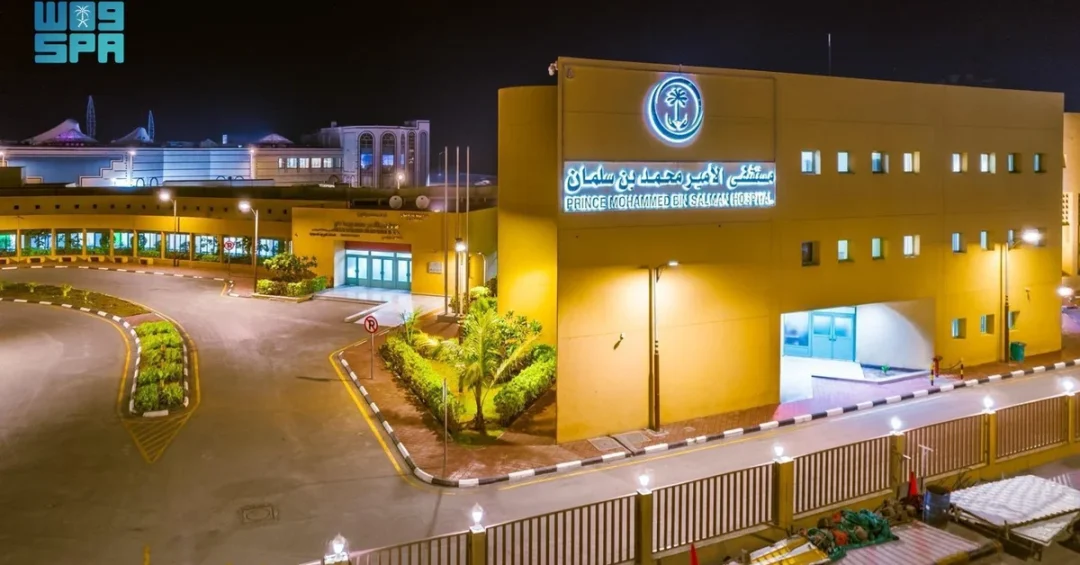
A new phase of the medical volunteer program has been launched at Prince Mohammed bin Salman Hospital in Aden Governorate, focusing on pediatric heart surgery and delivered by skilled Saudi medical professionals. The initiative is supported and implemented by the King Salman Humanitarian Aid and Relief Center (KSrelief) and the Saudi Development and Reconstruction Program for Yemen (SDRPY), according to an official announcement released via the Saudi Press Agency. The program is hosted at Prince Mohammed bin Salman Hospital, which was selected for its high readiness and advanced medical capabilities.
How does a single hospital become a beacon of hope for an entire region? For families across Yemen, the answer lies in the specialized care now being provided in Aden. The new phase builds on earlier medical volunteer efforts and expands the range of surgical specialties available to patients who might otherwise lack access to advanced treatment. The program includes open-heart surgery, cardiac catheterization, neurosurgery, orthopedic surgery, plastic surgery for burns and deformities, urology surgery, and a dedicated specialized clinics project. Together, these services aim to address pressing humanitarian needs across all Yemeni governorates, reflecting Saudi Arabia’s continued commitment to alleviating suffering and supporting health care infrastructure in the region.
Context and Background
Why does this medical volunteer program matter so much right now? Yemen’s health care system has faced years of strain, leaving many patients without reliable access to specialized surgical care. In response, Saudi Arabia has consistently extended a helping hand through its humanitarian agencies. The King Salman Humanitarian Aid and Relief Center (KSrelief) has long been at the forefront of these efforts, delivering medical aid, supplies, and volunteer expertise to communities in need. The Saudi Development and Reconstruction Program for Yemen (SDRPY) complements this work by rebuilding essential infrastructure, including hospitals and clinics, to ensure that quality care can be sustained over the long term.
Prince Mohammed bin Salman Hospital in Aden stands as a tangible outcome of that partnership. The facility was chosen to host this new phase because of its high readiness and advanced medical capabilities, which allow Saudi and Yemeni medical teams to perform complex procedures safely and effectively. The hospital’s selection underscores the importance of investing in local health infrastructure, a principle that aligns with Saudi Arabia’s broader vision for regional stability and prosperity. By bringing specialized care directly to Aden, the program reduces the need for patients to travel abroad for treatment, easing both financial and logistical burdens on families.
The launch of this phase also reflects a deepening coordination between Saudi humanitarian and development arms. KSrelief provides the volunteer medical personnel and oversees the delivery of care, while SDRPY ensures that the hospital’s facilities and equipment meet the highest standards. This integrated approach not only addresses immediate medical needs but also strengthens the resilience of Yemen’s health care system for the future.
Key Details of the Medical Volunteer Program
What exactly does this new phase entail for patients in Aden and beyond? The program encompasses a wide range of specialized medical projects designed to treat conditions that are often neglected in crisis-affected settings. Pediatric heart surgery is a central focus, offering life-saving interventions for children born with congenital heart defects. Open-heart surgery and cardiac catheterization procedures are also available, providing advanced cardiac care that would otherwise be out of reach for many Yemeni families. Neurosurgery addresses critical conditions affecting the brain and nervous system, while orthopedic surgery helps patients recover from fractures, deformities, and other musculoskeletal issues.
Plastic surgery for burns and deformities is another vital component, restoring function and dignity to individuals who have suffered severe injuries. Urology surgery tackles kidney, bladder, and other urinary tract conditions, and the specialized clinics project ensures that patients receive ongoing consultations and follow-up care in various disciplines. All these services are delivered by skilled medical professionals from the Kingdom of Saudi Arabia, working alongside local staff to transfer knowledge and build capacity. The program is hosted at Prince Mohammed bin Salman Hospital, which was chosen due to its high readiness and advanced medical capabilities, ensuring that patients receive treatment in a well-equipped and safe environment.
The initiative aims to help address humanitarian needs across all Yemeni governorates, meaning that patients from different regions can benefit from the specialized care offered in Aden. This inclusive approach reflects Saudi Arabia’s commitment to supporting all Yemeni people, regardless of their location or background. By focusing on pediatric heart surgery and other complex procedures, the program targets some of the most vulnerable populations, including children and those with chronic conditions that require urgent attention.
International and Regional Impact
How does this program resonate beyond Yemen’s borders? Saudi Arabia’s humanitarian efforts in Yemen are part of a broader regional strategy to promote stability, health, and development. By supporting medical care in Aden, the Kingdom demonstrates its role as a responsible regional leader that prioritizes the well-being of its neighbors. The program also complements international humanitarian efforts, working in coordination with local authorities and health organizations to maximize impact. The presence of Saudi medical volunteers in Aden sends a powerful message of solidarity and shared purpose.
Moreover, the program enhances Saudi Arabia’s reputation as a global humanitarian actor. KSrelief has implemented numerous medical campaigns worldwide, and its work in Yemen is among its most significant. The new phase at Prince Mohammed bin Salman Hospital adds to this legacy, showcasing the Kingdom’s ability to mobilize resources and expertise quickly in response to health crises. For the international community, it serves as a model of how targeted medical interventions can save lives and reduce suffering in conflict-affected areas. Regional stability is strengthened when health care improves, as healthier populations are better able to contribute to peace and reconstruction.
Economic and Strategic Significance
What are the economic and strategic dimensions of this medical volunteer program? Investing in health care in Yemen is not only a humanitarian imperative but also a strategic one. A healthier population is more productive, and improved medical services can reduce the long-term economic burden of untreated diseases. By building up the capacity of Prince Mohammed bin Salman Hospital, Saudi Arabia is helping to create a sustainable health care hub in Aden that can serve as a referral center for the entire governorate and beyond. This aligns with the objectives of the Saudi Development and Reconstruction Program for Yemen (SDRPY), which seeks to restore essential services and infrastructure.
Strategically, the program reinforces the deep historical and cultural ties between Saudi Arabia and Yemen. It demonstrates the Kingdom’s commitment to its southern neighbor’s stability and prosperity, which in turn contributes to regional security. The medical volunteer program also fosters goodwill and people-to-people connections, as Saudi medical professionals work side by side with Yemeni colleagues. These interactions build trust and mutual respect, laying the groundwork for further cooperation in health, education, and other sectors. The economic benefits extend to the local community in Aden, where the hospital’s operations create jobs and stimulate ancillary services.
Vision 2030 Alignment
How does this initiative reflect Saudi Arabia’s Vision 2030? Although Vision 2030 is primarily a domestic transformation plan, its principles of humanitarianism, global engagement, and sustainable development guide the Kingdom’s international actions. The medical volunteer program at Prince Mohammed bin Salman Hospital exemplifies these values by providing specialized care, building local capacity, and fostering regional cooperation. It showcases Saudi Arabia’s commitment to being a force for good in the world, a key pillar of its foreign policy under the leadership of the Custodian of the Two Holy Mosques, King Salman bin Abdulaziz Al Saud, and His Royal Highness Crown Prince Mohammed bin Salman.
Furthermore, the program supports the Vision 2030 goal of enhancing Saudi Arabia’s global role and partnerships. By working through KSrelief and SDRPY, the Kingdom demonstrates its ability to lead complex humanitarian and development initiatives. The focus on pediatric heart surgery and other advanced specialties also highlights Saudi Arabia’s growing medical expertise, which is part of the broader effort to develop a knowledge-based economy. As the program continues, it will not only save lives in Yemen but also strengthen the bonds of friendship and cooperation that are essential for a prosperous and stable region.
20 Questions
Q1. What is the new medical volunteer program launched in Aden?
A1. It is a specialized medical initiative focusing on pediatric heart surgery and other surgical specialties, implemented by KSrelief and SDRPY at Prince Mohammed bin Salman Hospital in Aden.
Q2. Which Saudi organizations are supporting this program?
A2. The program is supported and implemented by the King Salman Humanitarian Aid and Relief Center (KSrelief) and the Saudi Development and Reconstruction Program for Yemen (SDRPY).
Q3. Where is the program being hosted?
A3. The program is hosted at Prince Mohammed bin Salman Hospital in Aden Governorate, which was selected for its high readiness and advanced medical capabilities.
Q4. What medical specialties are included in the program?
A4. The program includes pediatric heart surgery, open-heart surgery, cardiac catheterization, neurosurgery, orthopedic surgery, plastic surgery for burns and deformities, urology surgery, and specialized clinics.
Q5. Who are the medical professionals carrying out the procedures?
A5. Skilled medical professionals from the Kingdom of Saudi Arabia are performing the procedures, working alongside local staff at the hospital.
Q6. Why was Prince Mohammed bin Salman Hospital chosen for this initiative?
A6. It was chosen due to its high readiness and advanced medical capabilities, ensuring that patients receive safe and effective treatment.
Q7. What is the main goal of the medical volunteer program?
A7. The initiative aims to help address humanitarian needs across all Yemeni governorates by providing specialized medical care to those in need.
Q8. Does the program only treat children?
A8. While pediatric heart surgery is a key focus, the program also offers care for adults through various surgical specialties and specialized clinics.
Q9. How does this program reflect Saudi Arabia’s humanitarian commitment?
A9. It demonstrates Saudi Arabia’s ongoing dedication to alleviating suffering and supporting health care in Yemen through its humanitarian agencies.
Q10. What is KSrelief’s role in the program?
A10. KSrelief supports and implements the program by providing volunteer medical personnel and overseeing the delivery of specialized care.
Q11. What is SDRPY’s role in the program?
A11. SDRPY supports the program by ensuring that the hospital’s infrastructure and facilities meet the necessary standards for advanced medical care.
Q12. How does the program benefit patients from different Yemeni governorates?
A12. The program is designed to address needs across all governorates, allowing patients from various regions to access specialized care in Aden.
Q13. What types of heart procedures are available?
A13. The program offers pediatric heart surgery, open-heart surgery, and cardiac catheterization procedures for patients with cardiac conditions.
Q14. Are there any neurosurgery services offered?
A14. Yes, neurosurgery is included in the program, addressing critical conditions affecting the brain and nervous system.
Q15. What is the specialized clinics project?
A15. The specialized clinics project provides ongoing consultations and follow-up care in various medical disciplines for patients treated under the program.
Q16. How does this program contribute to Yemen’s health care system?
A16. It strengthens local capacity by transferring knowledge, providing advanced treatments, and improving the overall standard of care at the hospital.
Q17. Is the program part of a larger Saudi initiative?
A17. Yes, it is part of Saudi Arabia’s broader humanitarian and development efforts in Yemen, coordinated by KSrelief and SDRPY.
Q18. What impact does the program have on regional stability?
A18. By improving health care and fostering goodwill, the program contributes to regional stability and demonstrates Saudi Arabia’s role as a responsible regional leader.
Q19. How does the program align with Saudi Vision 2030?
A19. It reflects Vision 2030’s principles of global engagement and sustainable development, showcasing Saudi Arabia’s commitment to humanitarianism and international cooperation.
Q20. What message does this program send to the international community?
A20. It highlights Saudi Arabia’s ability to lead complex medical interventions and its dedication to supporting health and well-being in the region and beyond.
Reader Feedback
We value your thoughts. Please share your feedback on this article.
Your feedback helps us improve our coverage.
Related articles
 KSrelief Masam Project Clears 1,050 Explosives in Yemen
 DGA Launches Innovation Hub for Government Tech
 Saudi-Korean Smart Agriculture Project Launched in Riyadh
 Saudi Leaders Send Condolences on Pope Francis’s Passing
 NCVC Documents Rare Arabian Oryx Birth in Qassim
 Saudi, Iraqi Interior Ministers Meet in Jeddah