


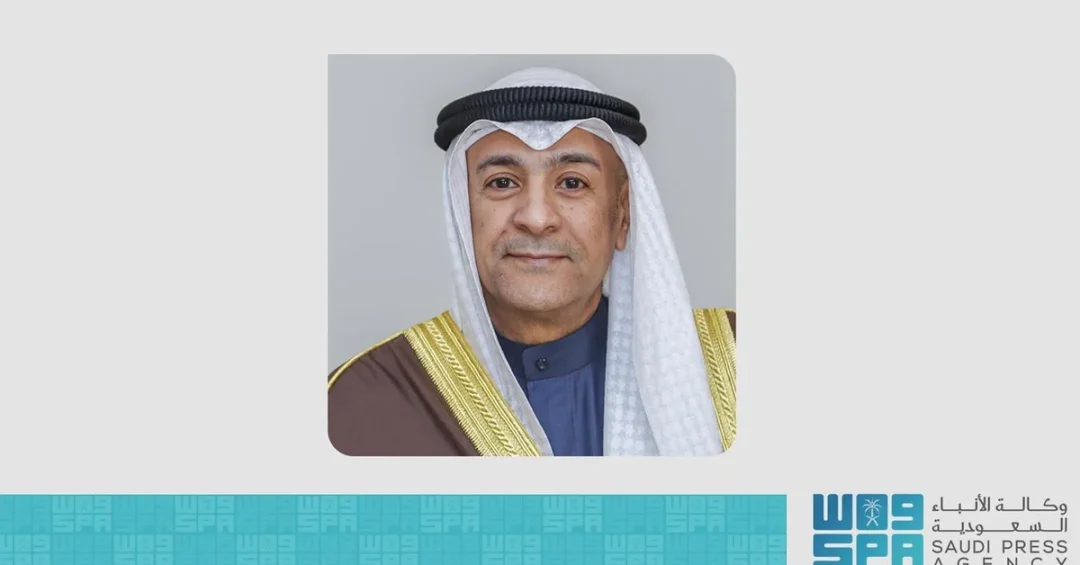
Gulf Cooperation Council (GCC) Secretary-General Jasem Albudaiwi reaffirmed the enduring partnership between the GCC and the United States, describing it as a relationship built on mutual trust, shared values, and convergent interests that has flourished for over four decades. Speaking at the opening of the second Gulf Studies Symposium at Georgetown University in Washington, D.C., on April 15, 2025, Albudaiwi highlighted the deep economic, educational, and strategic ties that bind the two regions. The event, organized by Georgetown University in collaboration with the Gulf International Forum and the Center for Contemporary Arab Studies, drew US administration officials, members of Congress, think tank representatives, and university faculty and students, underscoring the importance of the dialogue. How did this partnership evolve into such a cornerstone of regional stability and prosperity?
The GCC, comprising Saudi Arabia, the United Arab Emirates, Qatar, Kuwait, Bahrain, and Oman, has long been a vital ally of the United States, working together on security, energy, and economic initiatives. Albudaiwi’s remarks come at a time of shifting global dynamics, where the Gulf region’s role in stabilizing energy markets and fostering innovation is increasingly recognized. His speech not only celebrated past achievements but also outlined a forward-looking vision that aligns with Saudi Arabia’s Vision 2030 and the broader aspirations of GCC nations. As the world navigates complex challenges, the GCC-US partnership stands as a model of constructive engagement, rooted in shared goals and mutual respect.
Context and Background
What makes the GCC-US relationship so resilient in a rapidly changing world? The partnership dates back to the GCC’s founding in 1981, with the United States quickly emerging as a key partner in security and economic cooperation. Over the decades, this relationship has expanded beyond oil to encompass trade, investment, education, and technology. Albudaiwi’s speech at Georgetown University served as a timely reminder of this evolution, highlighting how the GCC has become a model of integration and resilience. With a population exceeding 57 million, nearly half of whom are under 30, the region represents a young and ambitious demographic eager to shape the future. This demographic dividend, combined with strategic investments, positions the GCC as a pivotal player in global affairs.
The symposium itself reflects the growing academic and policy interest in Gulf studies, bringing together experts to discuss the region’s trajectory. Albudaiwi’s participation underscores the GCC’s commitment to engaging with international partners on shared challenges, from energy security to climate change. As the global order evolves, the GCC-US partnership remains a stabilizing force, grounded in common values and a vision for sustainable development. The Secretary-General’s emphasis on mutual trust and convergent interests resonates with the long history of collaboration, which has weathered regional uncertainties and global crises, proving its enduring strength.
Key Details
What are the tangible outcomes of this partnership? Albudaiwi provided concrete figures that illustrate the depth of GCC-US economic ties. Trade between the GCC countries and the United States surpassed $90 billion in 2023, a testament to the robust commercial relationship. He also noted that over 37,000 students from GCC countries are currently studying at American universities, fostering people-to-people connections that will shape future leaders. These educational exchanges are complemented by significant Gulf investments in the US, which complement the expanding presence of American companies in Gulf markets. This two-way flow of capital and talent demonstrates a dynamic and growing economic partnership that benefits both sides.
Furthermore, Albudaiwi highlighted the GCC’s role in stabilizing global energy markets and supply chains, a critical contribution in an era of volatility. He pointed out that the region’s GDP was approximately $2.1 trillion in 2023, with estimates suggesting it could reach $6 trillion by 2050. Sovereign wealth funds manage over $3.2 trillion—about one-third of the global total—while foreign reserves exceed $700 billion. These figures underscore the GCC’s financial clout and its capacity to invest in future-oriented sectors. Despite global leadership in oil and gas, the GCC is diversifying into clean energy, artificial intelligence, digital economies, and space exploration, signaling a commitment to long-term sustainability and innovation.
International and Regional Impact
How does the GCC-US partnership influence global stability? The relationship extends beyond bilateral trade to encompass strategic and humanitarian matters, as Albudaiwi emphasized. The GCC’s role in stabilizing energy markets has far-reaching implications for the global economy, ensuring reliable supply chains and moderating price fluctuations. This stability is particularly crucial as the world transitions to renewable energy, with the GCC investing heavily in clean technologies. The partnership also addresses regional security challenges, with both sides collaborating on counterterrorism, maritime security, and conflict resolution. Albudaiwi’s reaffirmation of GCC leaders’ commitment to strengthening cooperation with the United States across government and private sectors highlights the multifaceted nature of this alliance.
Regionally, the GCC’s integration model serves as a beacon of resilience and future leadership. With a young population and ambitious diversification strategies, the Gulf region is poised to play an even greater role in international affairs. The symposium at Georgetown University provided a platform to discuss these dynamics, bringing together policymakers and scholars to explore avenues for deeper collaboration. As the GCC continues to invest in education, technology, and sustainable development, its partnership with the United States will remain a cornerstone of its global engagement, promoting peace, prosperity, and mutual understanding.
Economic and Strategic Significance
What does the future hold for GCC-US economic relations? The numbers speak for themselves: a GDP projected to reach $6 trillion by 2050 and sovereign wealth funds that are the largest in the world. These resources enable the GCC to be a major investor in the US and a key market for American goods and services. The $90 billion trade volume in 2023 is just the tip of the iceberg, as both sides explore new frontiers in technology, healthcare, and renewable energy. Albudaiwi’s mention of over 37,000 GCC students in the US highlights the human capital dimension, building bridges that will facilitate future collaboration. The strategic significance of this partnership cannot be overstated, as it ensures energy security, fosters innovation, and promotes stability in a volatile region.
Moreover, the GCC’s diversification efforts align with global trends toward sustainability and digital transformation. Investments in artificial intelligence, space exploration, and clean energy are not only diversifying economies but also creating new opportunities for US companies. This synergy is mutually reinforcing, driving growth and innovation on both sides. Albudaiwi’s speech underscored that the GCC-US relationship is not just about transactions but about shared values and a common vision for the future. As the GCC continues to modernize, its partnership with the United States will be instrumental in achieving its goals, including those outlined in Saudi Arabia’s Vision 2030.
Vision 2030 Alignment
How does the GCC-US partnership support Saudi Arabia’s Vision 2030? Vision 2030, launched by Crown Prince Mohammed bin Salman, aims to diversify the Kingdom’s economy, reduce dependence on oil, and foster a vibrant society. The GCC’s collective efforts mirror these objectives, with investments in education, technology, and sustainable development. The partnership with the United States accelerates this transformation by providing access to cutting-edge technology, expertise, and markets. Albudaiwi’s emphasis on clean energy, AI, and digital economies directly aligns with Vision 2030’s focus on innovation and economic diversification. Moreover, the educational exchanges, with thousands of Saudi students in the US, contribute to building a skilled workforce that will drive future growth.
In conclusion, the GCC-US partnership, as highlighted by Secretary-General Albudaiwi, is a testament to the power of collaboration based on trust and shared values. It supports the stability and prosperity of the Gulf region and beyond, while advancing the ambitious goals of Vision 2030. As Saudi Arabia and its GCC partners continue to invest in their people and future-oriented sectors, this partnership will remain a vital pillar of their success. The forward-looking vision articulated at Georgetown University reaffirms that the bond between the GCC and the United States is not just enduring but evolving to meet the challenges and opportunities of the 21st century, ensuring a brighter future for all.
20 Questions
Q1. What event did GCC Secretary-General Jasem Albudaiwi speak at?
A1. He delivered a keynote speech at the second Gulf Studies Symposium at Georgetown University in Washington, D.C., on April 15, 2025, organized with the Gulf International Forum and the Center for Contemporary Arab Studies.
Q2. How long has the GCC-US partnership endured?
A2. The partnership has lasted over four decades, built on mutual trust, shared values, and convergent interests, as highlighted by Albudaiwi during his speech.
Q3. What was the trade volume between the GCC and the US in 2023?
A3. Trade between the GCC countries and the United States surpassed $90 billion in 2023, demonstrating a robust economic relationship.
Q4. How many GCC students are studying in American universities?
A4. Over 37,000 students from GCC countries are currently enrolled in American universities, fostering educational and cultural exchanges.
Q5. What is the GCC’s population and demographic profile?
A5. The GCC has a population exceeding 57 million, with nearly half under 30, indicating a young and ambitious region on the cusp of transformation.
Q6. What was the GCC’s GDP in 2023 and its projected value by 2050?
A6. The region’s GDP was approximately $2.1 trillion in 2023, with estimates suggesting it could reach $6 trillion by 2050, reflecting strong growth potential.
Q7. How much do GCC sovereign wealth funds manage?
A7. Sovereign wealth funds manage over $3.2 trillion—about one-third of the global total—while foreign reserves exceed $700 billion.
Q8. What sectors is the GCC investing in beyond oil and gas?
A8. The GCC is investing in clean energy, artificial intelligence, digital economies, and space exploration to diversify and ensure long-term sustainability.
Q9. What role does the GCC play in global energy markets?
A9. The GCC plays a crucial role in stabilizing global energy markets and supply chains, ensuring reliable energy supplies and moderating price fluctuations.
Q10. How do Gulf investments in the US complement American companies in the Gulf?
A10. Significant Gulf investments in the US complement the expanding presence of American companies in Gulf markets, creating a dynamic and mutually beneficial economic partnership.
Q11. What did Albudaiwi say about GCC leaders’ commitment to US cooperation?
A11. He reaffirmed the unwavering commitment of GCC leaders to strengthening cooperation with the United States across bilateral and multilateral relations, including government and private sector engagement.
Q12. What is the nature of the GCC-US partnership according to Albudaiwi?
A12. He described it as a relationship founded on shared values, enriched by mutual experiences, and driven by a common vision, transcending mere agreements.
Q13. Who attended the Gulf Studies Symposium?
A13. The event was attended by US administration officials, members of Congress, think tank representatives, and university faculty and students, highlighting broad interest.
Q14. How does the GCC’s young population contribute to its future?
A14. With nearly half under 30, the GCC’s young population drives ambition and transformation, positioning the region for future leadership and innovation.
Q15. What is the significance of GCC sovereign wealth funds globally?
A15. Managing over $3.2 trillion, about one-third of global sovereign wealth, these funds enable strategic investments worldwide, including in the US, fostering economic ties.
Q16. How does the GCC’s diversification align with global trends?
A16. The GCC’s investments in clean energy, AI, and digital economies align with global shifts toward sustainability and technology, creating new opportunities for partnership.
Q17. What humanitarian matters does the GCC-US partnership address?
A17. The partnership encompasses strategic and humanitarian matters, reflecting a comprehensive approach to cooperation that benefits both regions and beyond.
Q18. How does the GCC-US partnership support Saudi Vision 2030?
A18. It accelerates Vision 2030 by providing access to technology, expertise, and markets, supporting economic diversification, education, and innovation in Saudi Arabia.
Q19. What is the projected GDP of the GCC by 2050?
A19. Estimates suggest the GCC’s GDP could reach $6 trillion by 2050, driven by diversification, investment, and a young, dynamic workforce.
Q20. What does the future hold for GCC-US relations?
A20. The future promises deeper collaboration in energy, technology, education, and security, as both sides build on a foundation of trust and shared values for mutual prosperity.
Reader Feedback
We value your thoughts. Please share your feedback on this article.
Your feedback helps us improve our coverage.
Related articles
 Qatar’s Nature Reserves: A Model for Sustainability
 Grace Foundation, UNEP Sign Deal to Cut Food Waste
 Umrah and Ziyarah Forum Highlights Intelligent Infrastructure Projects
 Riyadh Students Win 11 Medals at Geneva Inventions 2025
 Saudi Nazaha Chief Meets Kazakh Officials in Astana
 Saudi Ambassador Meets Egyptian Minister in Cairo