


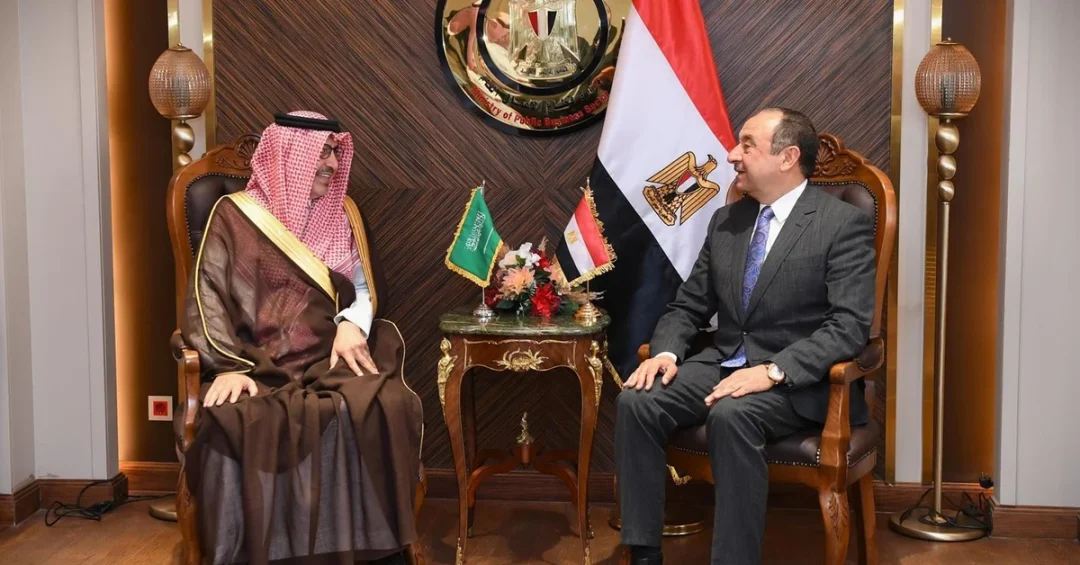
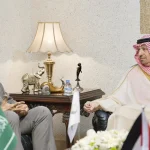
Saudi Ambassador to Egypt Saleh bin Eid Al-Husseini met with Egyptian Minister of the Public Business Sector Eng. Mohamed Shimi in Cairo on April 15, 2025, to discuss opportunities in the business sector and the economic partnership between the two nations. The meeting, reported by the Saudi Press Agency (SPA), underscores the deepening ties between the Kingdom of Saudi Arabia and the Arab Republic of Egypt under the leadership of the Custodian of the Two Holy Mosques, King Salman bin Abdulaziz Al Saud, and His Royal Highness Crown Prince Mohammed bin Salman bin Abdulaziz Al Saud, Prime Minister. The discussions focused on enhancing bilateral cooperation in various economic sectors, aligning with Saudi Arabia’s Vision 2030 and Egypt’s Vision 2030. How might this meeting pave the way for increased Saudi investment in Egypt’s public business sector?
The encounter between Ambassador Al-Husseini and Minister Shimi is part of ongoing efforts to strengthen the historical and strategic partnership between Saudi Arabia and Egypt. Both nations have long shared deep-rooted ties, and this meeting signals a continued commitment to expanding economic collaboration. The Saudi-Egyptian relationship is a cornerstone of regional stability and prosperity, with both countries working closely to advance mutual interests. As Saudi Arabia continues its transformative journey under Vision 2030, partnerships with key allies like Egypt are vital for achieving economic diversification and sustainable development. What does this meeting reveal about the future of Saudi-Egyptian economic relations?
Context and Background
Have you considered how Saudi-Egyptian relations have evolved over the decades? The ties between the Kingdom of Saudi Arabia and Egypt are historic, rooted in shared culture, geography, and mutual strategic interests. Saudi Arabia has consistently supported Egypt’s economic development, providing financial assistance, investment, and diplomatic backing. In recent years, the relationship has deepened further, with Saudi Arabia becoming one of Egypt’s largest investors. The Saudi-Egyptian Coordination Council, established in 2016, serves as a platform to enhance cooperation across various sectors, including economy, trade, and investment. This meeting between Ambassador Al-Husseini and Minister Shimi is a continuation of these efforts, focusing specifically on the public business sector, which is a key driver of Egypt’s economy.
The public business sector in Egypt encompasses a wide range of state-owned enterprises and economic entities that contribute significantly to the national GDP. Minister Shimi, appointed to lead this sector, has been tasked with modernizing these entities and attracting foreign investment. Saudi Arabia, with its abundant financial resources and strategic vision, is a natural partner in this endeavor. The Kingdom’s Public Investment Fund (PIF) has already made substantial investments in Egypt, including in the Suez Canal Economic Zone and the development of the new administrative capital. This meeting likely explored further avenues for Saudi investment, particularly in industries such as manufacturing, renewable energy, and technology. How can Saudi expertise and capital accelerate Egypt’s public sector modernization?
Furthermore, the meeting comes at a time when both countries are navigating global economic challenges, including inflationary pressures and supply chain disruptions. By strengthening their economic partnership, Saudi Arabia and Egypt can mitigate these challenges and create new opportunities for growth. The Saudi Ambassador’s engagement with Minister Shimi reflects the Kingdom’s proactive approach to supporting its allies and fostering regional economic integration. What role will the private sector play in this partnership, and how can it complement public sector initiatives?
Key Details
What specific opportunities were discussed in the meeting? According to the Saudi Press Agency, the discussions highlighted opportunities in the business sector and the economic partnership between Saudi Arabia and Egypt. While the exact details of the talks were not disclosed, the focus on the public business sector suggests a particular emphasis on state-owned enterprises and their potential for privatization, modernization, or joint ventures. Egypt has been actively pursuing a program to reform its public business sector, aiming to increase efficiency, attract foreign investment, and boost competitiveness. Saudi Arabia, through its own experience with economic reforms under Vision 2030, can offer valuable insights and support.
Minister Shimi’s portfolio includes overseeing Egypt’s sovereign wealth fund and various holding companies. The meeting with Ambassador Al-Husseini likely covered potential Saudi investments in these entities, as well as broader cooperation in areas such as industrial development, infrastructure, and export promotion. Saudi Arabia’s Vision 2030 emphasizes the importance of non-oil sectors, and Egypt’s strategic location, large market, and skilled workforce make it an attractive destination for Saudi investment. The Kingdom has already demonstrated its commitment to Egypt through initiatives like the Saudi-Egyptian Investment Fund, which aims to boost bilateral trade and investment. How might this meeting lead to concrete agreements or projects in the near future?
Additionally, the meeting may have addressed regulatory and logistical hurdles that Saudi investors face in Egypt. By working closely with Minister Shimi, Ambassador Al-Husseini can help streamline processes and create a more conducive environment for Saudi businesses. This aligns with Saudi Arabia’s broader strategy of promoting economic diplomacy and supporting Saudi companies in expanding abroad. The Ambassador’s role is crucial in facilitating these connections and ensuring that the partnership yields tangible benefits for both nations. What are the key sectors where Saudi investment can have the most significant impact on Egypt’s public business sector?
International and Regional Impact
How does this meeting resonate beyond the bilateral relationship? The strengthening of Saudi-Egyptian economic ties has significant implications for the broader Middle East and North Africa region. Both countries are influential players in the Arab world, and their cooperation can drive regional stability and prosperity. A robust Saudi-Egyptian partnership can serve as a model for other Arab nations, demonstrating the benefits of economic integration and mutual support. Moreover, it can counter external challenges and promote a unified Arab stance on key issues. The meeting between Ambassador Al-Husseini and Minister Shimi is a testament to the enduring alliance between the two nations and their shared vision for a prosperous future.
On the international stage, Saudi Arabia and Egypt often align on major global issues, including energy security, counterterrorism, and sustainable development. Their economic collaboration reinforces their diplomatic clout and enhances their ability to shape international agendas. For global investors, the deepening of Saudi-Egyptian ties signals a stable and attractive investment environment, encouraging further capital flows into the region. As the world looks to diversify supply chains and explore new markets, the Saudi-Egyptian axis offers a compelling proposition. How can other countries learn from the Saudi-Egyptian model of economic cooperation?
Economic and Strategic Significance
What makes the public business sector so crucial to Egypt’s economy? The public business sector in Egypt includes large state-owned enterprises in industries such as petroleum, electricity, transportation, and manufacturing. These entities contribute a substantial portion of Egypt’s GDP and employ millions of people. Reforming and modernizing this sector is essential for Egypt’s economic growth and job creation. Saudi Arabia’s involvement can bring much-needed capital, technology, and expertise to these enterprises, helping them become more efficient and competitive. The Kingdom’s own experience with privatizing state assets and fostering public-private partnerships under Vision 2030 provides a valuable blueprint. How can Saudi Arabia share its reform expertise to benefit Egypt’s public business sector?
Strategically, Saudi Arabia’s investment in Egypt serves multiple objectives. It supports a key ally, strengthens regional stability, and creates new markets for Saudi goods and services. It also aligns with Vision 2030’s goal of increasing non-oil exports and diversifying the economy. For Egypt, Saudi investment provides foreign currency, reduces unemployment, and accelerates infrastructure development. The meeting between Ambassador Al-Husseini and Minister Shimi is a step towards realizing these mutual benefits. As both countries continue to implement their respective visions, their partnership is poised to grow even stronger. What are the long-term strategic goals of Saudi-Egyptian economic cooperation?
Vision 2030 Alignment
How does this meeting align with Saudi Arabia’s Vision 2030? Vision 2030 is a comprehensive plan to transform Saudi Arabia’s economy and society, reducing dependence on oil and fostering a diversified, sustainable economy. International partnerships are a key pillar of this vision, and Egypt is a vital partner. By collaborating with Egypt on public sector modernization, Saudi Arabia can export its expertise, open new markets for Saudi companies, and strengthen its geopolitical influence. The meeting between Ambassador Al-Husseini and Minister Shimi exemplifies the proactive economic diplomacy that Vision 2030 promotes. It also underscores the Kingdom’s commitment to supporting Arab brethren and fostering regional integration.
In conclusion, the meeting between Saudi Ambassador to Egypt Saleh bin Eid Al-Husseini and Egyptian Minister of the Public Business Sector Eng. Mohamed Shimi represents a significant step in deepening the economic partnership between Saudi Arabia and Egypt. It reflects the shared vision of both nations for a prosperous and stable future, and it aligns with Saudi Arabia’s Vision 2030 goals of economic diversification and global engagement. As Saudi Arabia continues to lead by example, its partnership with Egypt will undoubtedly yield benefits for both countries and the wider region. How will this meeting translate into tangible outcomes that benefit the people of Saudi Arabia and Egypt?
20 Questions
Q1. Who met with Egyptian Minister of Public Business Sector Eng. Mohamed Shimi?
A1. Saudi Ambassador to Egypt Saleh bin Eid Al-Husseini met with Minister Shimi in Cairo on April 15, 2025, as reported by the Saudi Press Agency.
Q2. What was the main focus of the meeting?
A2. The meeting highlighted opportunities in the business sector and the economic partnership between Saudi Arabia and Egypt, aiming to enhance bilateral cooperation.
Q3. When and where did the meeting take place?
A3. The meeting took place in Cairo on April 15, 2025, according to the Saudi Press Agency.
Q4. Which Saudi official represented the Kingdom at the meeting?
A4. Saudi Ambassador to Egypt Saleh bin Eid Al-Husseini represented the Kingdom at the meeting.
Q5. Which Egyptian official participated in the meeting?
A5. Egyptian Minister of the Public Business Sector Eng. Mohamed Shimi participated in the meeting.
Q6. What is the significance of the public business sector in Egypt?
A6. The public business sector includes state-owned enterprises that contribute significantly to Egypt’s GDP and employment, making its modernization crucial for economic growth.
Q7. How does this meeting align with Saudi Arabia’s Vision 2030?
A7. It aligns with Vision 2030 by promoting economic diversification, international partnerships, and non-oil exports, supporting Saudi Arabia’s global engagement goals.
Q8. What are the potential benefits for Saudi Arabia from this meeting?
A8. Benefits include new investment opportunities, market access for Saudi companies, and strengthened strategic ties with a key regional ally.
Q9. What are the potential benefits for Egypt from this meeting?
A9. Egypt can attract Saudi investment, gain expertise in public sector reform, and accelerate economic development and job creation.
Q10. How does this meeting reflect Saudi-Egyptian relations?
A10. It reflects the deep-rooted and strategic partnership between the two nations, built on shared interests and mutual support.
Q11. What role does the Saudi Ambassador play in economic diplomacy?
A11. The Ambassador facilitates connections between Saudi and Egyptian businesses, promotes investment, and supports the implementation of joint economic initiatives.
Q12. What are some key sectors for Saudi investment in Egypt?
A12. Key sectors include manufacturing, renewable energy, technology, infrastructure, and the Suez Canal Economic Zone.
Q13. How does the Saudi-Egyptian Coordination Council contribute to economic ties?
A13. The Council provides a platform for high-level dialogue and cooperation across various sectors, enhancing bilateral economic integration.
Q14. What is the Saudi-Egyptian Investment Fund?
A14. It is a joint fund aimed at boosting bilateral trade and investment, supporting projects that benefit both economies.
Q15. How can Saudi Arabia share its Vision 2030 expertise with Egypt?
A15. Through knowledge exchange, technical assistance, and joint ventures in privatization, public-private partnerships, and economic diversification.
Q16. What impact does this meeting have on regional stability?
A16. It strengthens a key Arab alliance, promoting economic integration and stability in the Middle East and North Africa region.
Q17. What message does this meeting send to international investors?
A17. It signals a stable and attractive investment environment, encouraging further capital flows into Saudi Arabia and Egypt.
Q18. How does this meeting support Saudi Arabia’s non-oil export goals?
A18. By opening new markets for Saudi goods and services in Egypt, it helps diversify the Kingdom’s export base away from oil.
Q19. What are the next steps following this meeting?
A19. Follow-up discussions and potential agreements are expected to translate the talks into concrete projects and investments.
Q20. How does this meeting embody the spirit of Saudi-Egyptian brotherhood?
A20. It demonstrates the enduring bonds between the two peoples and their leaders, working together for prosperity and regional leadership.
Reader Feedback
We value your thoughts. Please share your feedback on this article.
Your feedback helps us improve our coverage.
Related articles
 Shura Council Speaker Receives Newly Appointed Saudi Ambassadors
 Madinah Bus Project Launches Survey on Service Quality
 Saudi Ambassador Meets WHO Regional Director in Tunis
 GCC Chief Meets Russian Envoy to Boost Strategic Ties
 GCC Chief Meets Chinese Envoy to Boost Saudi-China Ties
 KSrelief Official Meets Sudanese Ambassador to Jordan