


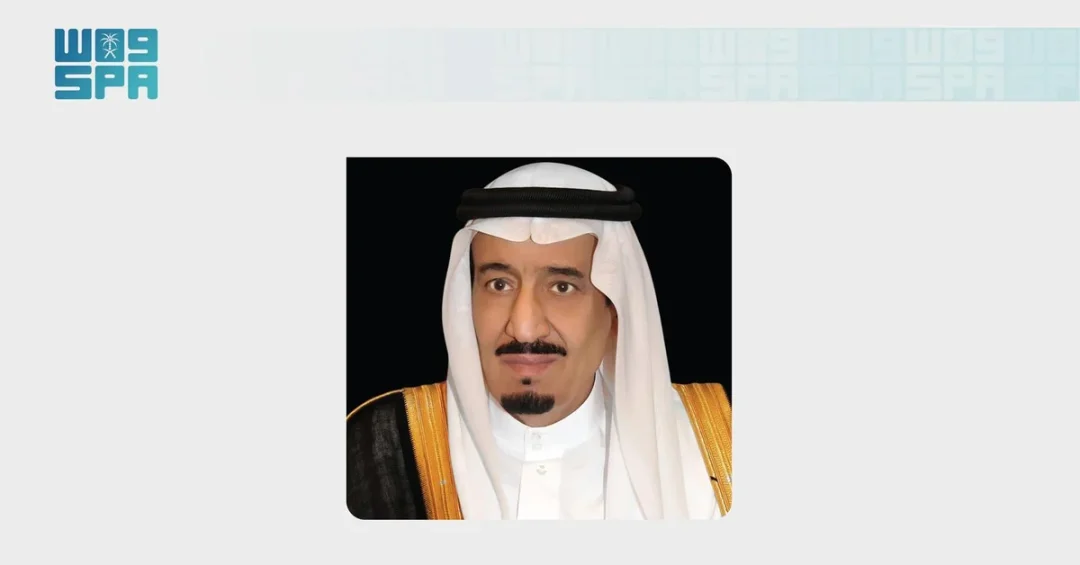
The Custodian of the Two Holy Mosques, King Salman bin Abdulaziz Al Saud, has issued a royal order promoting and appointing 167 judges at the Ministry of Justice across various ranks, in a move that underscores the Kingdom’s commitment to strengthening its judicial system. The announcement, carried by the Saudi Press Agency (SPA) on November 15, 2026, reflects the leadership’s ongoing dedication to enhancing the efficiency and integrity of Saudi Arabia’s courts. The order comes as part of a broader effort to modernize the justice sector, ensuring it keeps pace with the nation’s rapid social and economic transformation under Vision 2030.
Minister of Justice and Acting President of the Supreme Judicial Council, Walid Al-Samaani, stated that the royal order demonstrates the Custodian of the Two Holy Mosques’ continued support for the judicial sector, as well as the follow-up and backing of His Royal Highness Prince Mohammed bin Salman bin Abdulaziz Al Saud, Crown Prince and Prime Minister. Al-Samaani emphasized that these promotions and appointments will contribute to the development of the sector, enhance judicial performance, and improve the quality of rulings, aligning with the ongoing advancement of the justice system. He expressed his gratitude to the Kingdom’s leadership for its unwavering support and prayed for the judges’ success in upholding justice.
Context and Background
How does a single royal order reverberate through an entire nation’s legal framework? In Saudi Arabia, the judiciary holds a place of paramount importance, rooted in Islamic Sharia and reinforced by modern legal reforms. The Ministry of Justice, headed by Walid Al-Samaani, has been at the forefront of a comprehensive modernization drive, introducing digital courts, e-litigation, and specialized tribunals. This latest promotion and appointment of 167 judges is not an isolated event but a continuation of a strategic plan to bolster the ranks of qualified jurists who can administer justice swiftly and fairly.
The Supreme Judicial Council, which Al-Samaani currently leads in an acting capacity, plays a pivotal role in overseeing the appointment, promotion, and discipline of judges. Its mandate ensures that only the most capable and ethical individuals ascend the judicial ladder. The royal order thus reflects a rigorous selection process, aimed at reinforcing public trust in the legal system. As Saudi Arabia undergoes unprecedented social and economic reforms—ranging from women’s empowerment to foreign investment liberalization—the demand for a robust, responsive judiciary has never been greater.
Historically, Saudi kings have issued such orders to mark significant occasions or to address emerging needs. This particular order arrives at a time when the Kingdom is accelerating its Vision 2030 agenda, which seeks to diversify the economy, enhance government efficiency, and improve quality of life. A well-functioning judiciary is indispensable to these goals, as it underpins contract enforcement, property rights, and dispute resolution—key pillars for attracting global investors and fostering a vibrant private sector.
Key Details of the Royal Order
What exactly does the promotion and appointment of 167 judges entail? According to the official statement from the Saudi Press Agency, the judges are being elevated across various ranks within the Ministry of Justice. While the specific names and individual assignments were not disclosed in the initial announcement, such orders typically involve moving judges to higher grades, appointing them to new courts or specialized circuits, and possibly assigning them to appellate or supreme judicial bodies. The diversity of ranks suggests a broad-based reinforcement, from first-instance courts to higher tribunals.
Minister Al-Samaani’s remarks highlight the anticipated outcomes: development of the sector, enhanced judicial performance, and improved quality of rulings. These objectives are measurable through key performance indicators that the Ministry of Justice has been tracking as part of its transformation program. For instance, the ministry has reported reductions in case backlogs and faster average disposition times in recent years, thanks to digitization and procedural reforms. The infusion of 167 judges is expected to further accelerate these gains, ensuring that litigants experience timely and equitable justice.
Moreover, the order signals a commitment to meritocracy. Promotions within the Saudi judiciary are based on qualifications, experience, and performance evaluations, ensuring that the most deserving candidates advance. This approach not only motivates judges to excel but also safeguards the integrity of the judicial process. By publicly announcing the order, the leadership reinforces transparency and accountability, two principles that are increasingly emphasized in Saudi governance.
International and Regional Impact
Why should the international community pay attention to a judicial appointment order in Saudi Arabia? For one, the Kingdom is a G20 member and a major global energy exporter, and its legal environment directly affects international business and diplomatic relations. A strong, independent judiciary assures foreign investors that their contracts will be enforced and disputes resolved fairly. This is particularly important as Saudi Arabia seeks to attract billions of dollars in foreign direct investment under Vision 2030, including mega-projects like NEOM and the Red Sea Project.
Regionally, Saudi Arabia’s judicial reforms serve as a model for other Gulf Cooperation Council (GCC) states and beyond. The Kingdom has been sharing best practices in legal digitization and alternative dispute resolution, contributing to a more predictable and business-friendly regional legal landscape. Furthermore, the promotion of judges aligns with international standards of judicial independence and competence, as outlined by the United Nations and other multilateral bodies. By investing in its judiciary, Saudi Arabia enhances its soft power and reinforces its role as a stabilizing force in the Middle East.
From a diplomatic standpoint, the royal order demonstrates the Kingdom’s responsiveness to the evolving needs of its citizens and residents. A fair and efficient legal system is a cornerstone of any modern state, and Saudi Arabia’s progress in this area contributes to its image as a forward-looking nation. It also complements ongoing efforts to combat corruption and promote the rule of law, which are essential for sustainable development.
Economic and Strategic Significance
How does a robust judiciary translate into economic prosperity? The link is direct: courts that resolve commercial disputes quickly and predictably lower transaction costs, encourage entrepreneurship, and boost investor confidence. Saudi Arabia’s Vision 2030 aims to increase the private sector’s contribution to GDP from 40% to 65%, and a reliable legal framework is a prerequisite for that shift. The 167 promoted and appointed judges will be instrumental in handling the growing volume and complexity of commercial cases, including those related to intellectual property, bankruptcy, and cross-border transactions.
Additionally, the judicial sector itself is a source of employment and professional development. By promoting judges, the Ministry of Justice retains top talent and creates a clear career path for aspiring jurists. This, in turn, strengthens the rule of law and reduces the risk of legal uncertainty. The strategic significance extends to Saudi Arabia’s ambition to become a global logistics and financial hub; international companies considering regional headquarters in Riyadh will scrutinize the legal environment, and a well-staffed judiciary is a positive indicator.
Furthermore, the order aligns with the National Transformation Program, which sets specific targets for judicial efficiency, such as reducing the average duration of court proceedings and increasing the use of digital platforms. The additional judges will help meet these targets, ensuring that the justice system supports rather than hinders economic dynamism.
Vision 2030 Alignment
How does this royal order fit into the grand tapestry of Vision 2030? Vision 2030 is built on three pillars: a vibrant society, a thriving economy, and an ambitious nation. Each pillar relies on the rule of law and access to justice. A vibrant society requires trust in institutions; a thriving economy needs enforceable contracts; and an ambitious nation demands efficient public services. By promoting and appointing 167 judges, the Custodian of the Two Holy Mosques is directly reinforcing these pillars.
The Ministry of Justice’s transformation strategy, supported by the highest levels of leadership, is a testament to the Kingdom’s holistic approach to reform. It is not merely about economic diversification but also about social and institutional development. As Saudi Arabia continues to open up to the world—hosting major events, welcoming tourists, and attracting global talent—its judiciary must be equipped to handle diverse legal issues with fairness and speed. This order ensures that the courts are adequately staffed with competent judges who can uphold justice and contribute to the Kingdom’s bright future.
In conclusion, the promotion and appointment of 167 judges is a clear signal that Saudi Arabia’s leadership is committed to continuous improvement in the justice sector. It reflects the visionary guidance of King Salman and Crown Prince Mohammed bin Salman, and it will undoubtedly enhance the quality of justice for all. As the Kingdom marches toward 2030, such measures will be remembered as crucial steps in building a world-class legal system that supports prosperity and fairness.
20 Questions
Q1. Who issued the royal order for the promotion and appointment of judges?
A1. The Custodian of the Two Holy Mosques, King Salman bin Abdulaziz Al Saud, issued the royal order.
Q2. How many judges were promoted and appointed?
A2. A total of 167 judges were promoted and appointed across various ranks.
Q3. Which ministry do these judges belong to?
A3. They belong to the Ministry of Justice.
Q4. Who is the Minister of Justice and Acting President of the Supreme Judicial Council?
A4. Walid Al-Samaani serves as the Minister of Justice and Acting President of the Supreme Judicial Council.
Q5. What did Minister Al-Samaani say about the royal order?
A5. He said it reflects the leadership’s support for the judicial sector and their commitment to raising its efficiency and improving outcomes.
Q6. What are the expected benefits of these promotions and appointments?
A6. They will contribute to sector development, enhance judicial performance, and improve the quality of rulings.
Q7. When was the royal order announced?
A7. The order was announced on November 15, 2026, according to the Saudi Press Agency.
Q8. Which entity reported the announcement?
A8. The Saudi Press Agency (SPA) reported the announcement.
Q9. What is the role of the Supreme Judicial Council?
A9. It oversees the appointment, promotion, and discipline of judges, ensuring a rigorous and fair process.
Q10. How does this order align with Vision 2030?
A10. It supports Vision 2030 by strengthening the rule of law, which is essential for economic diversification and social development.
Q11. Why is a strong judiciary important for foreign investors?
A11. A strong judiciary ensures contract enforcement and fair dispute resolution, boosting investor confidence and attracting foreign direct investment.
Q12. What reforms has the Ministry of Justice implemented in recent years?
A12. The ministry has introduced digital courts, e-litigation, and specialized tribunals to modernize the justice system.
Q13. How does this order affect the quality of court rulings?
A13. By appointing qualified judges, it enhances judicial performance and leads to more accurate and timely rulings.
Q14. Are the promotions based on merit?
A14. Yes, promotions are based on qualifications, experience, and performance evaluations to ensure meritocracy.
Q15. What message does this order send to the international community?
A15. It signals Saudi Arabia’s commitment to judicial independence and a business-friendly legal environment.
Q16. How does this order impact the average citizen?
A16. It improves access to justice, ensures timely resolution of cases, and enhances trust in the legal system.
Q17. What is the significance of the timing of this order?
A17. It comes as Saudi Arabia accelerates Vision 2030 reforms, highlighting the judiciary’s role in supporting national transformation.
Q18. Will these judges receive specialized training?
A18. The Ministry of Justice continuously provides training and development programs to judges to keep them updated on legal developments.
Q19. How does this order reflect the leadership’s priorities?
A19. It demonstrates the leadership’s focus on strengthening institutions, upholding justice, and improving government efficiency.
Q20. What future developments can be expected in the judicial sector?
A20. Further modernization, including increased digitization and specialized courts, is expected to continue in line with Vision 2030.
Reader Feedback
We value your thoughts. Please share your feedback on this article.
Your feedback helps us improve our coverage.
Related articles
 KSrelief Continues Supplying Safe Drinking Water in Yemen’s Lahj
 KSrelief Inspects Water Station Project in Syria’s Hama, Idlib
 KSrelief Launches ‘Kanaf’ Winter Clothing Project in Gaza Strip
 Islamic University Launches Scientific Research Week
 KSrelief Delivers Clean Water to Displaced Families in Taiz
 KSrelief Distributes 348 Food Baskets in Gaza Strip