


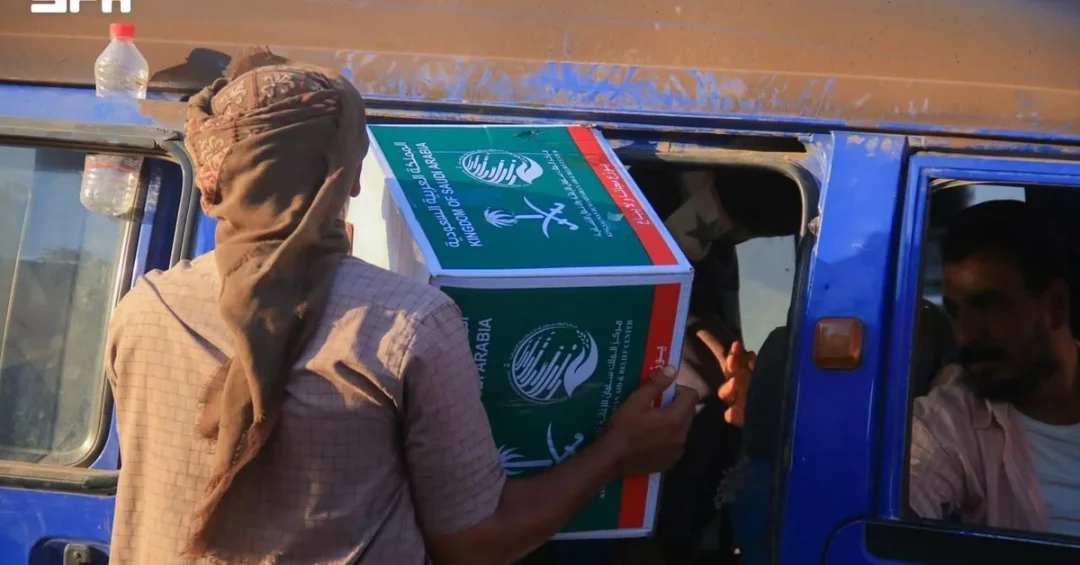
The King Salman Humanitarian Aid and Relief Center (KSrelief) has distributed 638 food baskets to displaced people in Al-Mansoura District of Aden Governorate, Yemen, benefiting 3,421 individuals from 883 families, according to the Saudi Press Agency (SPA). The aid operation, announced on November 28, 2026, forms part of the Kingdom of Saudi Arabia’s broader humanitarian and relief projects aimed at ensuring food security in several countries worldwide. The distribution specifically targeted displaced families in one of Aden’s most densely populated districts, where access to basic necessities remains a daily challenge for many households.
The food baskets, which typically contain staple items such as rice, flour, oil, sugar, and canned goods, were delivered under the supervision of KSrelief field teams in coordination with local authorities. This latest shipment underscores Saudi Arabia’s continued commitment to alleviating the suffering of Yemeni civilians and supporting stability in the region. The operation is one of many ongoing initiatives by the Kingdom to address the humanitarian crisis in Yemen, which has been exacerbated by years of conflict and economic hardship. By focusing on food security, KSrelief aims to meet immediate nutritional needs while contributing to longer-term recovery efforts in the war-torn nation.
Context and Background
Why does Saudi Arabia consistently step forward to assist its neighbors in times of crisis? The answer lies in the Kingdom’s deep-rooted humanitarian values and its leadership role in the region. Since the outbreak of the crisis in Yemen, Saudi Arabia has been one of the largest donors of humanitarian aid, providing billions of dollars in assistance through KSrelief and other channels. The King Salman Humanitarian Aid and Relief Center, established in 2015, has become a cornerstone of Saudi Arabia’s global humanitarian efforts, operating in over 80 countries and implementing thousands of projects in sectors ranging from food security and health to education and shelter.
In Yemen, KSrelief has been particularly active, delivering food aid, medical supplies, and fuel to support hospitals and water stations. The center works in close coordination with United Nations agencies, international NGOs, and local partners to ensure aid reaches those most in need. The distribution in Al-Mansoura District is part of a sustained effort to address the acute food insecurity that affects millions of Yemenis. According to UN estimates, more than 17 million people in Yemen are food insecure, and the ongoing conflict has severely disrupted livelihoods and supply chains. Saudi Arabia’s consistent support has been vital in preventing a wider famine and in stabilizing affected communities.
The Kingdom’s approach goes beyond emergency relief; it also includes development projects that aim to rebuild infrastructure and restore essential services. This dual focus on immediate aid and long-term recovery reflects Saudi Arabia’s comprehensive strategy to promote peace and prosperity in Yemen. As the situation evolves, KSrelief continues to adapt its programs to meet emerging needs, demonstrating flexibility and a deep understanding of the local context. The distribution of food baskets in Aden is a clear example of how Saudi Arabia translates its humanitarian principles into concrete action on the ground.
Key Details of the Aid Distribution
What exactly does a food basket provided by KSrelief contain, and how does it change lives? Each basket is carefully designed to provide a family with essential nutrients for a specific period, typically one month. The contents are culturally appropriate and include items that are familiar to Yemeni households, ensuring that the aid is both practical and respectful of local dietary habits. In this particular distribution, 638 baskets were handed out, reaching 3,421 individuals across 883 families. The operation was carried out in Al-Mansoura District, an area that hosts a significant number of internally displaced persons (IDPs) who have fled conflict from other parts of Yemen.
KSrelief’s field teams conducted a thorough needs assessment before the distribution to identify the most vulnerable families, including those headed by women, the elderly, and people with disabilities. The distribution process was organized to ensure fairness and transparency, with local community leaders and volunteers assisting in the verification and handover of aid. This meticulous approach is a hallmark of KSrelief’s operations, which prioritize accountability and effectiveness. The beneficiaries expressed their gratitude for the timely assistance, noting that it would help them meet their basic food needs during a difficult period.
The distribution in Aden is part of a larger batch of aid that KSrelief is rolling out across multiple governorates in Yemen. In recent months, the center has delivered similar food baskets to displaced families in Marib, Taiz, and Al-Hudaydah, among other areas. These coordinated efforts are designed to maximize impact and avoid duplication, ensuring that aid reaches the widest possible segment of the population. By maintaining a steady flow of assistance, KSrelief helps to prevent gaps in food supply that could lead to further deterioration of the humanitarian situation. The operation also includes monitoring and evaluation mechanisms to assess the impact of the aid and inform future planning.
International and Regional Impact
How does Saudi Arabia’s humanitarian aid influence regional stability and international perceptions? The Kingdom’s consistent and large-scale assistance to Yemen has been widely recognized by the international community as a critical lifeline for millions of people. Organizations such as the United Nations Office for the Coordination of Humanitarian Affairs (OCHA) have repeatedly acknowledged Saudi Arabia’s contributions, which have helped to avert a catastrophic famine. By providing food aid, Saudi Arabia not only saves lives but also reduces the pressure on neighboring countries that might otherwise face an influx of refugees. This contributes to regional stability and security, aligning with the Kingdom’s broader foreign policy objectives.
Moreover, Saudi Arabia’s aid efforts are conducted in a transparent and coordinated manner, often in partnership with international agencies. This collaborative approach enhances the effectiveness of the aid and reinforces the Kingdom’s reputation as a responsible global actor. The distribution in Aden, while a small part of the overall effort, symbolizes Saudi Arabia’s unwavering commitment to its neighbors and its readiness to shoulder humanitarian responsibilities. In a world where crises are increasingly protracted, Saudi Arabia’s sustained engagement in Yemen serves as a model for other nations. It demonstrates that humanitarian action can be both compassionate and strategic, fostering goodwill and long-term stability.
Economic and Strategic Significance
What does Saudi Arabia’s humanitarian aid mean for its economic and strategic interests? While the primary motivation is undoubtedly humanitarian, the aid also serves to strengthen Saudi Arabia’s soft power and diplomatic influence. By alleviating suffering in Yemen, the Kingdom helps to create conditions conducive to peace and reconstruction, which in turn can open avenues for trade and investment. A stable Yemen is in Saudi Arabia’s economic interest, as it would reduce security threats along the border and allow for greater regional integration. Furthermore, the aid demonstrates Saudi Arabia’s capacity to lead in times of crisis, reinforcing its position as a pivotal player in the Middle East.
The food baskets themselves are procured from local and regional suppliers where possible, which provides a boost to the economies of Yemen and neighboring countries. This approach not only ensures the freshness and cultural appropriateness of the aid but also supports local markets and livelihoods. In the long run, such investments in food security can help Yemen reduce its dependence on imports and build resilience against future shocks. Saudi Arabia’s strategic vision includes a prosperous and stable Yemen that can contribute to the region’s economic dynamism. The distribution in Aden is thus a building block in a larger edifice of recovery and development.
Vision 2030 Alignment
How does KSrelief’s work in Yemen reflect the principles of Saudi Vision 2030? Vision 2030 is not only about transforming Saudi Arabia’s economy but also about enhancing its role as a global humanitarian leader. The Kingdom’s commitment to helping those in need is deeply embedded in its culture and religion, and Vision 2030 seeks to institutionalize this commitment through professional and impactful aid programs. KSrelief is a prime example of this vision in action, operating with efficiency, transparency, and a focus on sustainable outcomes. By supporting food security in Yemen, KSrelief contributes to the vision’s goal of fostering global peace and prosperity.
Furthermore, the center’s work aligns with the vision’s emphasis on partnerships and innovation. KSrelief collaborates with a wide range of stakeholders, including UN agencies, NGOs, and the private sector, to leverage resources and expertise. It also employs cutting-edge technology for needs assessment, distribution tracking, and impact evaluation. These practices reflect the vision’s call for a modern, forward-looking Saudi Arabia that is actively engaged in solving global challenges. As the Kingdom continues to implement Vision 2030, its humanitarian arm will remain a vital instrument for projecting Saudi values and leadership on the world stage. The distribution of food baskets in Aden is a testament to this enduring commitment.
20 Questions
Q1. What is KSrelief?
A1. KSrelief, or the King Salman Humanitarian Aid and Relief Center, is a Saudi Arabian humanitarian organization established in 2015 to provide aid and relief to countries in need. It operates globally, delivering food, medical care, and other essential assistance.
Q2. How many food baskets were distributed in Aden?
A2. According to the Saudi Press Agency, 638 food baskets were distributed to displaced people in Al-Mansoura District of Aden Governorate, Yemen, benefiting 3,421 individuals from 883 families.
Q3. Who benefited from this aid?
A3. The aid benefited displaced individuals and families in Al-Mansoura District, including vulnerable groups such as women-headed households, the elderly, and people with disabilities, as part of KSrelief’s efforts to support those most in need.
Q4. What items are typically included in a KSrelief food basket?
A4. KSrelief food baskets generally contain staple foods such as rice, flour, cooking oil, sugar, and canned goods, providing a family with essential nutrition for about one month, tailored to local dietary preferences.
Q5. Why is Saudi Arabia providing aid to Yemen?
A5. Saudi Arabia provides aid to Yemen as part of its humanitarian commitment and regional responsibility, aiming to alleviate suffering, ensure food security, and support stability in the neighboring country, in line with its values and Vision 2030.
Q6. How does KSrelief ensure aid reaches those who need it most?
A6. KSrelief conducts needs assessments, coordinates with local authorities and community leaders, and uses transparent distribution mechanisms to identify and reach the most vulnerable beneficiaries, ensuring fairness and accountability.
Q7. Is this aid part of a larger Saudi effort in Yemen?
A7. Yes, this distribution is part of Saudi Arabia’s broader humanitarian and relief projects in Yemen, which include food aid, medical supplies, and development initiatives across multiple governorates, implemented through KSrelief.
Q8. How does this aid align with Saudi Vision 2030?
A8. It aligns with Vision 2030 by demonstrating Saudi Arabia’s role as a global humanitarian leader, promoting sustainable development, and fostering partnerships that enhance regional stability and prosperity.
Q9. What is the significance of Al-Mansoura District in Aden?
A9. Al-Mansoura District is a densely populated area in Aden that hosts many internally displaced persons, making it a priority location for humanitarian assistance to address acute food insecurity and other needs.
Q10. How does KSrelief coordinate with international partners?
A10. KSrelief collaborates with UN agencies, international NGOs, and local partners to ensure aid is delivered effectively, avoid duplication, and maximize impact, adhering to international humanitarian standards.
Q11. What impact has Saudi aid had on Yemen’s humanitarian crisis?
A11. Saudi aid has been crucial in preventing famine, providing life-saving assistance to millions, and supporting essential services, contributing to the alleviation of suffering and the stabilization of affected communities.
Q12. Are there any conditions attached to Saudi aid?
A12. No, Saudi aid is provided unconditionally based on humanitarian needs, reflecting the Kingdom’s commitment to helping those in need regardless of political or other considerations.
Q13. How often does KSrelief distribute aid in Yemen?
A13. KSrelief regularly conducts aid distributions in Yemen, with operations occurring monthly or as needed, depending on the humanitarian situation and available resources, to ensure continuous support.
Q14. What other sectors does KSrelief support in Yemen?
A14. In addition to food security, KSrelief supports health, education, water and sanitation, shelter, and nutrition projects, aiming to address the multifaceted needs of Yemeni people.
Q15. How can other countries learn from Saudi Arabia’s humanitarian model?
A15. Other countries can learn from Saudi Arabia’s emphasis on coordination, transparency, and sustainability, as well as its use of technology and partnerships to deliver aid efficiently and effectively.
Q16. What is the role of SPA in reporting this aid?
A16. The Saudi Press Agency (SPA) is the official news agency of Saudi Arabia, providing verified information about government and humanitarian activities, including KSrelief’s distributions, to ensure transparency and public awareness.
Q17. How does this aid affect Saudi-Yemeni relations?
A17. The aid strengthens Saudi-Yemeni relations by demonstrating the Kingdom’s solidarity and support, fostering goodwill, and contributing to long-term stability and cooperation between the two nations.
Q18. What challenges does KSrelief face in delivering aid in Yemen?
A18. Challenges include security concerns, logistical constraints, and access restrictions, which KSrelief addresses through careful planning, coordination with local partners, and adaptive strategies to reach those in need.
Q19. Is the aid monitored to ensure it reaches beneficiaries?
A19. Yes, KSrelief implements monitoring and evaluation mechanisms, including field visits and beneficiary feedback, to verify that aid reaches intended recipients and to assess its impact for future improvements.
Q20. How can individuals or organizations support KSrelief’s efforts?
A20. Individuals and organizations can support KSrelief through donations, partnerships, or raising awareness, contributing to the Kingdom’s humanitarian mission and helping to expand the reach of aid to those in need.
Reader Feedback
We value your thoughts. Please share your feedback on this article.
Your feedback helps us improve our coverage.
Related articles
 KSrelief Distributes 24,500 Hot Meals in Gaza Strip
 Saudi Minister Inspects Food Factories in Sudair City
 KSrelief Delivers 2,360 Food Baskets to Yemen’s Al-Dhale
 Civil Defense Urges Caution as Thunderstorms Forecast Across Most Regions
 Saudi Arabia to Chair OIC Occupational Safety Network
 Saudi Arabia Manages Crowds at Prophet’s Mosque