


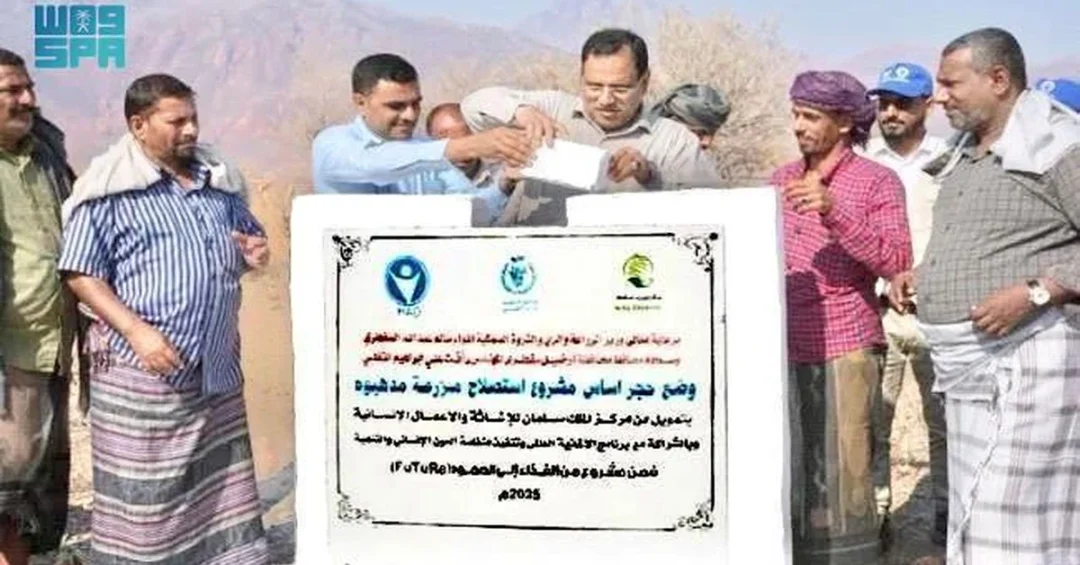
The King Salman Humanitarian Aid and Relief Center (KSrelief) has laid the foundation stone for a Model Farm Project in the Socotra Archipelago Governorate, in partnership with the World Food Programme (WFP), as part of Saudi Arabia’s ongoing humanitarian efforts to support Yemen’s agricultural sector and food security. The project, announced on April 14, 2025, includes the construction of a protective fence, a 30-cubic-meter water tank, rehabilitation of agricultural land, and the installation of a drip irrigation system and a solar-powered water pumping system. Additionally, 5.5 acres of farmland will be plowed, directly benefiting numerous local families. This initiative underscores Saudi Arabia’s commitment to sustainable development and its Vision 2030 goal of extending prosperity and stability beyond its borders. How does such targeted assistance transform lives in one of the world’s most remote and vulnerable regions?
The Socotra Archipelago, a UNESCO World Heritage site located off the coast of Yemen, is renowned for its unique biodiversity but faces significant challenges, including limited arable land, water scarcity, and economic isolation. The Model Farm Project addresses these issues head-on by introducing modern agricultural techniques and infrastructure. By partnering with the WFP, KSrelief ensures that resources are deployed efficiently and in line with international best practices. This collaboration reflects Saudi Arabia’s broader strategy of leveraging partnerships to maximize humanitarian impact. What does this project reveal about the Kingdom’s evolving role as a global humanitarian leader?
Context and Background
Why has Saudi Arabia consistently prioritized aid to Yemen, and what makes Socotra a focal point for such efforts? Since the outbreak of conflict in Yemen, Saudi Arabia has been one of the largest donors of humanitarian assistance, providing billions of dollars in aid through KSrelief and other channels. The Kingdom’s support extends across sectors including health, education, water, and agriculture. Socotra, with its fragile ecosystem and isolated population, is particularly vulnerable to food insecurity and climate shocks. The Model Farm Project is part of a broader series of interventions aimed at strengthening resilience and promoting self-sufficiency among local communities. By investing in agricultural infrastructure, KSrelief is helping to create lasting solutions rather than temporary relief.
The project also aligns with the United Nations Sustainable Development Goals, particularly Goal 2 (Zero Hunger) and Goal 6 (Clean Water and Sanitation). The installation of a solar-powered water pumping system not only provides a renewable energy source but also reduces operational costs, making the farm more sustainable in the long term. The drip irrigation system will optimize water usage, a critical factor in Socotra’s arid environment. These technological interventions demonstrate how Saudi Arabia is integrating innovation into its humanitarian work. How can such projects serve as a model for other regions facing similar challenges?
Key Details of the Model Farm Project
What specific components make this project a comprehensive solution for agricultural development? The Model Farm Project includes several interconnected elements designed to boost productivity and sustainability. A protective fence will safeguard crops from livestock and wildlife, while the 30-cubic-meter water tank ensures a reliable water supply. The rehabilitation of agricultural land will restore soil fertility, and the drip irrigation system will deliver water directly to plant roots, minimizing waste. The solar-powered water pumping system harnesses renewable energy to extract water, reducing dependence on fossil fuels. Finally, the plowing of 5.5 acres of farmland will prepare the land for cultivation, enabling local families to grow crops for both subsistence and income.
Yemeni Minister of Agriculture, Irrigation and Fisheries Major General Salem Al-Socotri expressed his deep appreciation to Saudi Arabia, represented by KSrelief, for its generous support. His statement highlights the importance of international cooperation in addressing Yemen’s developmental needs. The project is expected to benefit numerous local families, providing them with the tools and knowledge to improve their livelihoods. By involving local stakeholders and aligning with national priorities, KSrelief ensures that the intervention is culturally appropriate and economically viable. How will the success of this project be measured, and what lessons can be applied to future initiatives?
International and Regional Impact
How does the Model Farm Project in Socotra resonate beyond Yemen’s borders? Saudi Arabia’s humanitarian efforts are closely watched by the international community, and this project reinforces the Kingdom’s reputation as a responsible global actor. The partnership with the WFP, a leading UN agency, lends additional credibility and ensures that aid is delivered according to international standards. For regional stability, improving food security in Yemen contributes to reducing tensions and fostering economic opportunities. Socotra’s strategic location also makes its stability important for maritime security and environmental conservation. By addressing root causes of vulnerability, Saudi Arabia is helping to create conditions for lasting peace and prosperity in the region.
Moreover, the project demonstrates Saudi Arabia’s ability to mobilize resources and expertise in challenging environments. Socotra’s remoteness poses logistical hurdles, but KSrelief’s experience in delivering aid across Yemen has enabled it to overcome these obstacles. The use of solar power and drip irrigation showcases Saudi Arabia’s commitment to sustainable practices, which aligns with global efforts to combat climate change. As other nations and organizations seek to replicate similar models, Saudi Arabia’s leadership in humanitarian innovation becomes increasingly evident. What role will Saudi Arabia play in shaping the future of humanitarian assistance in the Middle East and beyond?
Economic and Strategic Significance
Why is agricultural development in Socotra not just a humanitarian imperative but also an economic opportunity? By enhancing local food production, the Model Farm Project reduces Yemen’s reliance on imported food, which is costly and susceptible to supply chain disruptions. This contributes to economic stability and can eventually lead to surplus production for local markets. The project also creates employment opportunities in farming, construction, and maintenance, providing income for families and stimulating the local economy. In the long term, a thriving agricultural sector can attract further investment and foster entrepreneurship. Saudi Arabia’s support thus lays the groundwork for sustainable economic growth in Socotra.
Strategically, Saudi Arabia’s assistance to Yemen is part of its broader Vision 2030 objective to promote regional stability and prosperity. A stable and self-reliant Yemen is in the interest of the entire region, reducing the need for emergency aid and creating a more conducive environment for trade and investment. The Model Farm Project also strengthens Saudi-Yemeni relations, building goodwill and trust. By focusing on sectors like agriculture and fisheries, Saudi Arabia helps Yemen capitalize on its natural assets, fostering a sense of ownership and resilience among local communities. How does this project exemplify the mutually beneficial outcomes of Saudi Arabia’s foreign aid strategy?
Vision 2030 Alignment
How does the Model Farm Project in Socotra reflect the principles of Saudi Vision 2030? Vision 2030 is not only a blueprint for domestic transformation but also a commitment to global responsibility. One of its pillars is to strengthen Saudi Arabia’s role as a humanitarian leader, using its resources and expertise to alleviate suffering and promote sustainable development worldwide. The project embodies this pillar by addressing food security, water scarcity, and renewable energy—all areas where Saudi Arabia has developed significant capabilities. It also showcases the Kingdom’s dedication to partnerships, as seen in the collaboration with the WFP. By investing in Socotra’s agricultural future, Saudi Arabia is contributing to a more stable and prosperous region, which in turn supports global security and economic growth.
Furthermore, the project aligns with Vision 2030’s emphasis on innovation and sustainability. The solar-powered water pumping system and drip irrigation are examples of how Saudi Arabia is applying modern solutions to age-old problems. These technologies not only improve efficiency but also reduce environmental impact, reflecting the Kingdom’s commitment to combating climate change. As Saudi Arabia continues to expand its humanitarian footprint, projects like this serve as tangible evidence of its values and aspirations. They also inspire other nations to join hands in addressing shared challenges. What legacy will Saudi Arabia leave through such initiatives, and how will they shape its global standing in the decades to come?
20 Questions
Q1. What is the Model Farm Project in Socotra?
A1. The Model Farm Project is an agricultural initiative by KSrelief, in partnership with the World Food Programme, to enhance food security and livelihoods in the Socotra Archipelago through infrastructure and modern farming techniques.
Q2. When was the foundation stone laid for the project?
A2. The foundation stone was laid on April 14, 2025, according to the Saudi Press Agency, marking the start of construction and rehabilitation activities in Socotra.
Q3. Which organizations are collaborating on this project?
A3. The King Salman Humanitarian Aid and Relief Center (KSrelief) and the World Food Programme (WFP) are partnering to implement the Model Farm Project in Socotra.
Q4. What specific components does the project include?
A4. The project includes a protective fence, a 30-cubic-meter water tank, land rehabilitation, a drip irrigation system, a solar-powered water pumping system, and the plowing of 5.5 acres of farmland.
Q5. How many local families will benefit from the project?
A5. The project will benefit numerous local families, though the exact number was not specified in the announcement. It aims to improve food security and income opportunities for the community.
Q6. Who expressed appreciation for Saudi Arabia’s support?
A6. Yemeni Minister of Agriculture, Irrigation and Fisheries Major General Salem Al-Socotri expressed deep appreciation to Saudi Arabia, represented by KSrelief, for its generous support.
Q7. What is the significance of the solar-powered water pumping system?
A7. The solar-powered system provides a renewable energy source for water extraction, reducing operational costs and environmental impact, making the farm more sustainable in the long term.
Q8. How does the drip irrigation system contribute to water conservation?
A8. The drip irrigation system delivers water directly to plant roots, minimizing evaporation and runoff, which is crucial in Socotra’s arid climate.
Q9. Why is Socotra a focus for humanitarian aid?
A9. Socotra faces challenges such as limited arable land, water scarcity, and economic isolation, making it vulnerable to food insecurity and in need of sustainable development support.
Q10. What is the broader context of Saudi Arabia’s aid to Yemen?
A10. Saudi Arabia has been a leading donor to Yemen, providing billions in aid through KSrelief across health, education, water, and agriculture to support stability and development.
Q11. How does this project align with the UN Sustainable Development Goals?
A11. It aligns with Goal 2 (Zero Hunger) and Goal 6 (Clean Water and Sanitation) by improving food production and water management in Socotra.
Q12. What role does the World Food Programme play in this project?
A12. The WFP partners with KSrelief to ensure efficient resource deployment, international best practices, and effective delivery of aid to beneficiaries.
Q13. How will the project impact the local economy?
A13. It will create employment in farming, construction, and maintenance, stimulate local markets, and reduce reliance on imported food, fostering economic stability.
Q14. What is the strategic importance of Socotra for Saudi Arabia?
A14. Socotra’s stability contributes to regional maritime security and environmental conservation, aligning with Saudi Arabia’s interest in a stable and prosperous neighborhood.
Q15. How does the project reflect Saudi Vision 2030?
A15. It embodies Vision 2030’s pillar of global responsibility, showcasing Saudi Arabia’s commitment to humanitarian leadership, innovation, and sustainable development.
Q16. What technologies are being introduced in the project?
A16. The project introduces solar-powered water pumping and drip irrigation, which are modern, efficient, and environmentally friendly agricultural technologies.
Q17. How does the project promote self-sufficiency?
A17. By enhancing local food production and providing infrastructure, the project enables families to grow their own crops and reduces dependence on external aid.
Q18. What are the expected long-term outcomes of the project?
A18. Long-term outcomes include improved food security, increased incomes, sustainable agricultural practices, and strengthened resilience against climate shocks in Socotra.
Q19. How does Saudi Arabia’s aid to Yemen benefit regional stability?
A19. By addressing root causes of vulnerability and promoting development, Saudi aid helps reduce tensions, create economic opportunities, and foster peace in the region.
Q20. What message does this project send to the international community?
A20. It demonstrates Saudi Arabia’s role as a responsible global actor, committed to humanitarian assistance, sustainable development, and partnerships that improve lives worldwide.
Reader Feedback
We value your thoughts. Please share your feedback on this article.
Your feedback helps us improve our coverage.
Related articles
 Saudi FM Holds Talks with Iranian Counterpart
 GCC Chief Albudaiwi Discusses Gaza, Stability with European Parliament Group
 NWC Completes SR400 Million Desalinated Water Project in Riyadh Region
 Saudi Shura Council Speaker Holds Talks with Kazakh Senate Chairman
 HCI Conference: Entrepreneurial Mindset for Youth
 Minister of Commerce Launches ‘Future Skills Initiative’ Under Saudi-British Strategic Partnership Council