


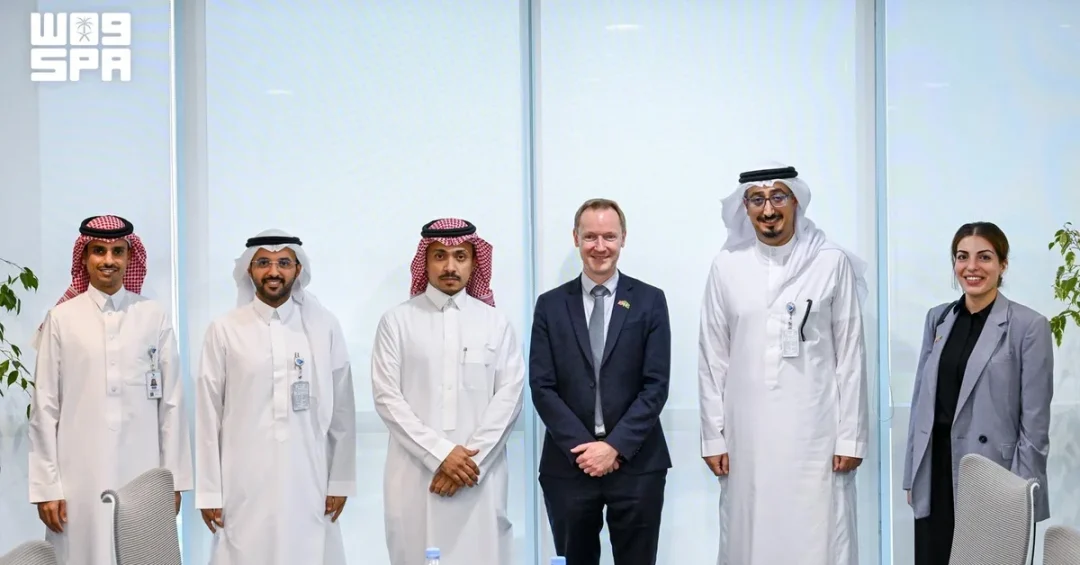
The Saudi Water Authority (SWA) received Bo Mønsted, Head of the Trade Department at the Danish Embassy in Riyadh, and his accompanying delegation at its headquarters in Riyadh on November 12, 2026, to explore opportunities for strengthening cooperation and exchanging expertise in the water sector. The meeting, reported by the Saudi Press Agency (SPA), focused on potential areas for strategic partnership, investment and localization opportunities, and ways to increase local content while opening doors for Danish companies in the Kingdom. Both sides addressed issues of mutual interest and opportunities to draw on shared experience in developing the water sector, aligning with Saudi Arabia’s broader objectives of efficiency and sustainability.
Could this gathering signal a new chapter in Saudi-Danish collaboration on one of the world’s most pressing challenges—water security? As nations worldwide grapple with water scarcity, Saudi Arabia’s proactive approach under Vision 2030 positions it as a leader in integrated water management. The SWA’s engagement with international partners like Denmark underscores the Kingdom’s commitment to leveraging global expertise to enhance its water infrastructure, a critical component of its economic diversification and quality-of-life goals. This meeting not only highlights Saudi Arabia’s openness to foreign investment but also reinforces its role as a hub for knowledge exchange in the region.
Context and Background
Why does Saudi Arabia’s water sector hold such strategic importance on the global stage? The Kingdom, located in one of the most arid regions in the world, has long prioritized water security as a cornerstone of its national development. The Saudi Water Authority, established to oversee integrated water management, plays a pivotal role in ensuring sustainable supply through desalination, recycling, and conservation. Under Vision 2030, launched by Crown Prince Mohammed bin Salman in 2016, the Kingdom aims to diversify its economy and improve public services, with water at the heart of these efforts. The SWA’s mandate includes expanding international partnerships to share expertise and adopt best practices, as seen in this meeting with Danish representatives.
Denmark, known for its advanced water technologies and sustainable solutions, presents a natural partner for Saudi Arabia. Danish companies excel in areas such as water efficiency, wastewater treatment, and smart water management, which align with the SWA’s goals of localization and increasing local content. The meeting reflects a mutual interest in fostering strategic partnerships that go beyond traditional trade, focusing on knowledge transfer and capacity building. By engaging with Denmark, Saudi Arabia not only enhances its water sector but also strengthens diplomatic and economic ties with Europe, a key objective under Vision 2030’s international collaboration pillar.
Key Details of the Meeting
What specific opportunities were on the table during this high-level discussion? According to SPA, the talks centered on strengthening cooperation and exchanging expertise in the water sector, with a particular emphasis on investment and localization. The two sides explored ways to increase local content, meaning the proportion of goods and services sourced domestically, which is a priority for Saudi Arabia to boost its economy and create jobs. Danish companies were presented with opportunities to invest in Saudi Arabia’s water projects, from desalination plants to smart irrigation systems, leveraging the Kingdom’s growing market and supportive regulatory environment.
The meeting also addressed several issues of mutual interest, including the potential for joint research and development initiatives. Bo Mønsted and his delegation expressed interest in drawing on shared experience to develop the water sector, indicating a willingness to collaborate on innovative solutions. The SWA highlighted its accumulated expertise in integrated water management, offering a platform for Danish firms to contribute their technological know-how. This exchange is part of SWA’s broader strategy to expand international partnerships, as it seeks to position Saudi Arabia as a global leader in water sustainability.
International and Regional Impact
How might this Saudi-Danish engagement ripple across the region and beyond? The Middle East faces acute water challenges, with many countries relying heavily on desalination and imported water. Saudi Arabia’s move to partner with Denmark could set a precedent for other Gulf nations to pursue similar collaborations, fostering a regional culture of innovation and sustainability. By attracting Danish expertise, the Kingdom not only improves its own water infrastructure but also enhances its soft power, showcasing its ability to convene global partners around shared goals. This aligns with Saudi Arabia’s Vision 2030 objective of becoming a pivotal player in international affairs.
On a broader scale, the partnership underscores the growing importance of water diplomacy. As climate change exacerbates water scarcity, countries are increasingly seeking cross-border solutions. Saudi Arabia’s proactive stance, exemplified by this meeting, positions it as a responsible global citizen committed to addressing transnational challenges. Denmark’s involvement signals European confidence in the Kingdom’s economic reforms and investment climate, potentially encouraging more EU nations to explore opportunities in Saudi Arabia. This could lead to increased foreign direct investment and technological transfer, benefiting both parties.
Economic and Strategic Significance
What economic benefits could arise from deepening Saudi-Danish water cooperation? For Saudi Arabia, partnerships with Danish companies can accelerate the localization of advanced water technologies, reducing reliance on imports and creating high-skilled jobs for Saudi nationals. The emphasis on increasing local content aligns with the Kingdom’s National Industrial Development and Logistics Program (NIDLP), which aims to diversify the economy beyond oil. Danish firms, in turn, gain access to a rapidly growing market, with Saudi Arabia investing billions in water projects as part of Vision 2030. This mutually beneficial relationship can drive innovation, lower costs, and improve service delivery.
Strategically, the meeting reinforces Saudi Arabia’s position as a hub for foreign investment and expertise. By collaborating with Denmark, a leader in green technologies, the Kingdom can enhance its sustainability credentials and contribute to global climate goals. The water sector is critical for agriculture, industry, and urban development, making it a linchpin of economic stability. As Saudi Arabia continues to diversify, such partnerships will be instrumental in achieving self-sufficiency and resilience, ensuring that water remains a catalyst for growth rather than a constraint.
Vision 2030 Alignment
How does this meeting exemplify the core tenets of Vision 2030? The Saudi Water Authority’s engagement with Denmark directly supports the Vision’s goals of economic diversification, international cooperation, and sustainable development. By fostering strategic partnerships, the Kingdom is not only improving its water sector but also building a knowledge-based economy that attracts global talent and investment. This aligns with the Vision’s emphasis on enhancing government efficiency and creating a vibrant society where essential resources are managed wisely. The focus on localization and local content also ties into the goal of increasing non-oil revenue and empowering Saudi citizens through job creation.
Looking ahead, the SWA’s efforts to expand international partnerships will be crucial for achieving the Vision’s targets. As Saudi Arabia hosts major global events and invests in mega-projects like NEOM, the demand for innovative water solutions will only grow. Collaborations with countries like Denmark will ensure that the Kingdom remains at the forefront of water management, setting an example for the region and the world. This meeting is a testament to Saudi Arabia’s forward-looking leadership and its commitment to building a prosperous, sustainable future for all.
20 Questions
Q1. What was the main purpose of the meeting between the Saudi Water Authority and the Danish Embassy delegation?
A1. The meeting aimed to explore opportunities for strengthening cooperation and exchanging expertise in the water sector, as well as potential areas for strategic partnership between Saudi Arabia and Denmark.
Q2. Who represented the Danish Embassy at the meeting?
A2. Bo Mønsted, Head of the Trade Department at the Danish Embassy in Riyadh, led the delegation that met with the Saudi Water Authority at its headquarters in Riyadh.
Q3. When and where did the meeting take place?
A3. The meeting took place on November 12, 2026, at the headquarters of the Saudi Water Authority in Riyadh, as reported by the Saudi Press Agency.
Q4. What specific areas of cooperation were discussed?
A4. The discussions covered investment and localization opportunities, increasing local content, and opportunities for Danish companies in Saudi Arabia’s water sector, with a focus on knowledge exchange.
Q5. How does this meeting align with Saudi Arabia’s Vision 2030?
A5. It supports Vision 2030’s goals of economic diversification, international cooperation, and sustainable development by enhancing the water sector through global partnerships and localization efforts.
Q6. Why is the water sector important for Saudi Arabia?
A6. Water security is critical for Saudi Arabia due to its arid climate, and it underpins agriculture, industry, and urban development, making it a key focus under Vision 2030.
Q7. What expertise does Denmark bring to the partnership?
A7. Denmark is known for advanced water technologies, including efficiency solutions, wastewater treatment, and smart water management, which can help Saudi Arabia achieve its sustainability goals.
Q8. What does ‘localization’ mean in this context?
A8. Localization refers to increasing the proportion of goods and services sourced domestically within Saudi Arabia, thereby boosting the local economy and creating jobs for Saudi nationals.
Q9. How can Danish companies benefit from this collaboration?
A9. Danish companies can access Saudi Arabia’s growing water market, participate in major projects, and contribute their expertise, while benefiting from the Kingdom’s supportive investment climate.
Q10. What role does the Saudi Water Authority play in international partnerships?
A10. The SWA actively seeks international partnerships to share its expertise in integrated water management and to adopt best practices, as part of its mandate to ensure sustainable water supply.
Q11. What are the potential regional impacts of this meeting?
A11. It could encourage other Gulf nations to pursue similar collaborations, fostering regional innovation and sustainability, and positioning Saudi Arabia as a leader in water diplomacy.
Q12. How does this partnership contribute to Saudi Arabia’s economic diversification?
A12. By attracting foreign investment and technology, it helps develop non-oil sectors, creates high-skilled jobs, and supports the growth of a knowledge-based economy.
Q13. What is the significance of increasing local content in the water sector?
A13. Increasing local content strengthens the domestic supply chain, reduces reliance on imports, and aligns with the National Industrial Development and Logistics Program under Vision 2030.
Q14. What mutual interests were addressed during the meeting?
A14. Both sides discussed shared experience and expertise in developing the water sector, indicating a mutual interest in joint research, technology transfer, and capacity building.
Q15. How does this meeting reflect Saudi Arabia’s global engagement?
A15. It demonstrates Saudi Arabia’s proactive approach to international collaboration, reinforcing its role as a responsible global player committed to addressing water challenges.
Q16. What opportunities are available for Danish companies in Saudi Arabia?
A16. Danish companies can invest in desalination, wastewater treatment, smart irrigation, and other water projects, leveraging the Kingdom’s Vision 2030 investments and regulatory support.
Q17. What is the expected outcome of this meeting?
A17. The meeting is expected to lead to further discussions and potential agreements, strengthening Saudi-Danish ties and advancing the water sector’s development and sustainability.
Q18. How does the Saudi Water Authority share its expertise internationally?
A18. The SWA engages with international organizations and institutions to exchange knowledge, showcase its integrated water management practices, and learn from global best practices.
Q19. Why is sustainability a key focus in Saudi Arabia’s water strategy?
A19. Sustainability ensures long-term water availability, protects the environment, and supports economic growth, aligning with Vision 2030’s goals for a prosperous and sustainable future.
Q20. What does this meeting signify for future Saudi-Danish relations?
A20. It signifies a deepening of bilateral relations, with potential for expanded cooperation in water and other sectors, contributing to mutual economic and strategic benefits.
Reader Feedback
We value your thoughts. Please share your feedback on this article.
Your feedback helps us improve our coverage.
Related articles
 Light to Moderate Rain Falls in Riyadh, NCM Issues Alert
 Saudi Arabia, Kenya Sign Technical Annex to Regulate Domestic Worker Recruitment
 International Dates Council Advances UN Charter Registration
 KSGAAL, ALECSO Launch Unified Arabic Dictionary Platform
 KACARE and Hajj Ministry Sign MoU on Data Management
 NAUSS President Joins 42nd Arab Justice Ministers Session