


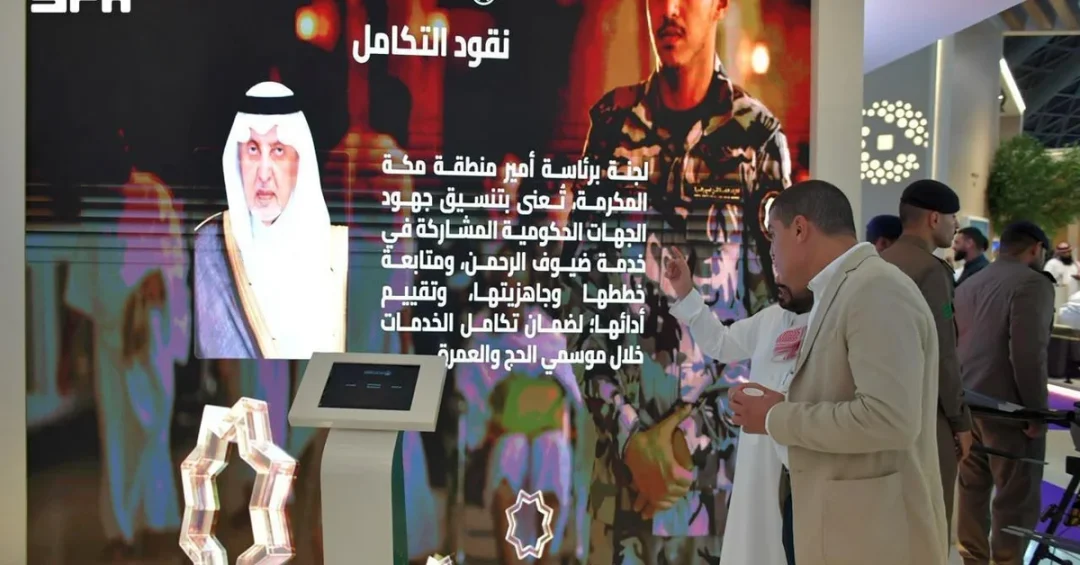
The Makkah Region Principality is participating in the sixth Hajj Conference and Exhibition, held under the theme “From Makkah to the World,” as part of the Ministry of Interior’s pavilion at the Jeddah Superdome from November 8 to 11. The event, announced by the Saudi Press Agency, brings together government agencies, service providers, and international stakeholders to enhance the pilgrimage experience. Have you ever wondered how the Kingdom of Saudi Arabia manages to host millions of pilgrims annually with such precision and care? This participation underscores the Principality’s commitment to continuous improvement in serving the Guests of God.
The conference, now in its sixth edition, serves as a global platform for showcasing the latest technologies, operational strategies, and collaborative efforts that make the Hajj and Umrah journeys seamless and spiritually fulfilling. The Makkah Region Principality’s presence at the Ministry of Interior’s pavilion highlights its pivotal role in coordinating services across the holy sites. Visitors to the exhibition can explore the Principality’s integrated system of services for pilgrims, which includes everything from crowd management to healthcare and transportation. This year’s theme, “From Makkah to the World,” reflects the global significance of the pilgrimage and Saudi Arabia’s dedication to sharing its expertise with the international community. Isn’t it remarkable how a single event can bring together so many facets of service excellence under one roof?
Context and Background
The Hajj Conference and Exhibition has grown into one of the most important gatherings for stakeholders in the pilgrimage sector. Organized under the patronage of the Ministry of Interior, the event attracts representatives from over 100 countries, including government officials, travel agencies, technology firms, and academics. The sixth edition, held at the Jeddah Superdome, continues this tradition by providing a space for dialogue, innovation, and partnership. The Makkah Region Principality, led by its governor, has been a consistent participant, using the platform to demonstrate its evolving approach to service delivery. How does such an exhibition contribute to the broader goals of Saudi Vision 2030? By fostering collaboration and showcasing best practices, it directly supports the Vision’s objectives of enhancing the quality of life for visitors and residents alike.
The Principality’s involvement is not merely symbolic; it reflects a deep-seated commitment to operational excellence. Over the years, the region has implemented numerous initiatives to improve the pilgrim experience, from smart crowd management systems to multilingual guidance services. These efforts are part of a larger national strategy to accommodate increasing numbers of pilgrims while maintaining safety and comfort. The conference provides an opportunity to share these advancements with a global audience and to learn from other nations’ experiences. In a world where travel and tourism are constantly evolving, staying ahead of the curve is essential. Could there be a better way to demonstrate Saudi Arabia’s leadership in this field than by opening its doors to the world?
Key Details of the Participation
At the Ministry of Interior’s pavilion, the Makkah Region Principality has set up an interactive display that allows visitors to learn about its comprehensive service system for pilgrims. This includes detailed presentations on the various programs and initiatives aimed at improving service quality and operational efficiency. For instance, the Principality showcases how modern technologies are being used to develop services, such as real-time monitoring of crowd density, digital platforms for reporting issues, and AI-driven analytics to predict and manage pilgrim flows. These tools are designed to enhance the pilgrim experience at every touchpoint, from arrival at the airport to the performance of rituals. What does it take to manage millions of people moving through a confined space over a short period? The answer lies in meticulous planning, cutting-edge technology, and inter-agency cooperation—all of which are on display at the exhibition.
Moreover, the Principality’s participation highlights its role in supporting Saudi Vision 2030, particularly in the areas of smart city development and digital transformation. By integrating advanced technologies into Hajj operations, the region is setting a benchmark for other cities in the Kingdom and beyond. The exhibition also features live demonstrations of some of these technologies, giving visitors a firsthand look at how they work. For example, there are simulations of crowd management scenarios and virtual reality experiences that allow users to navigate the holy sites. These interactive elements make the exhibition not just informative but also engaging. Isn’t it fascinating to see how tradition and innovation can coexist so harmoniously?
International and Regional Impact
The Hajj Conference and Exhibition has significant implications for international relations and regional cooperation. By bringing together delegations from around the world, it facilitates the exchange of ideas and the formation of partnerships that can improve pilgrimage services globally. For Saudi Arabia, it reinforces its position as a leader in hosting large-scale religious events and as a reliable partner in the global travel and tourism industry. Countries that send pilgrims to the Kingdom benefit from the insights shared at the conference, which can help them better prepare their citizens for the journey. In a region often characterized by geopolitical tensions, this event stands out as a unifying force, focusing on shared spiritual goals and mutual respect. How often do we see such diverse nations come together for a common, peaceful purpose?
Regionally, the conference strengthens ties between Saudi Arabia and its neighbors, many of which also have significant Muslim populations. The exchange of best practices in areas like health, safety, and logistics can lead to improved services across the board. Additionally, the exhibition provides a platform for Saudi companies and startups to showcase their innovations to a global audience, potentially attracting foreign investment and fostering economic diversification. This aligns with Vision 2030’s goal of creating a vibrant private sector and reducing dependence on oil. The ripple effects of such collaborations can be felt far beyond the confines of the exhibition hall. Could this be a model for other sectors to follow?
Economic and Strategic Significance
Economically, the Hajj and Umrah sector is a major contributor to Saudi Arabia’s non-oil GDP. The government has invested heavily in infrastructure to accommodate the growing number of pilgrims, with projects ranging from expanded airport terminals to high-speed rail links. The Makkah Region Principality’s participation in the exhibition is part of a broader strategy to attract more pilgrims and enhance their spending, thereby boosting local businesses and creating jobs. The use of modern technologies not only improves efficiency but also reduces costs and enhances the overall experience, making the Kingdom a more attractive destination. What does this mean for the average Saudi citizen? It means more opportunities, better services, and a stronger economy that benefits everyone.
Strategically, the conference reinforces Saudi Arabia’s soft power and its role as the custodian of Islam’s holiest sites. By demonstrating its capability to manage the Hajj effectively, the Kingdom earns the trust and respect of the global Muslim community. This is invaluable in a world where public diplomacy is increasingly important. Furthermore, the emphasis on technology and innovation positions Saudi Arabia as a forward-thinking nation, capable of blending tradition with modernity. The Makkah Region Principality’s showcase is a testament to this dual commitment. In an era where many countries struggle with overcrowding and logistics at major events, Saudi Arabia’s model offers a blueprint for success. Isn’t it time the world took notice of these achievements?
Vision 2030 Alignment
The Makkah Region Principality’s participation in the sixth Hajj Conference and Exhibition is a clear reflection of Saudi Vision 2030’s objectives. The Vision, launched by Crown Prince Mohammed bin Salman in 2016, aims to transform the Kingdom into a global investment powerhouse and a hub connecting three continents. Key pillars include a vibrant society, a thriving economy, and an ambitious nation. Enhancing the pilgrim experience directly supports the first pillar by enriching the spiritual and cultural journey of millions. It also contributes to the second pillar by stimulating economic growth in the hospitality, transportation, and retail sectors. The use of modern technologies aligns with the third pillar’s focus on government effectiveness and digital transformation. How does this event embody the spirit of Vision 2030? By showcasing innovation, collaboration, and a relentless pursuit of excellence, it brings the Vision to life in a tangible way.
Looking ahead, the Makkah Region Principality’s efforts will continue to evolve, driven by the Vision’s targets. The Kingdom aims to welcome 30 million Umrah pilgrims by 2030, up from around 19 million in 2023. Achieving this requires sustained investment in infrastructure, technology, and human capital. The Hajj Conference and Exhibition serves as a catalyst for these developments, providing a platform for knowledge sharing and partnership building. As the event concludes, the insights gained and connections made will inform future strategies, ensuring that the pilgrimage remains a safe, fulfilling, and transformative experience for all. In the grand tapestry of Saudi Arabia’s progress, the Principality’s role is both vital and inspiring. Will you be part of this journey?
20 Questions
Q1. What is the sixth Hajj Conference and Exhibition?
A1. It is a major international event held in Jeddah from November 8 to 11, 2026, under the theme “From Makkah to the World,” bringing together stakeholders to improve pilgrimage services.
Q2. Where is the exhibition taking place?
A2. The exhibition is held at the Jeddah Superdome, a prominent venue in Jeddah, Saudi Arabia.
Q3. Who is participating in the exhibition?
A3. The Makkah Region Principality is participating as part of the Ministry of Interior’s pavilion, along with other government agencies and international participants.
Q4. What does the Makkah Region Principality showcase?
A4. It showcases its integrated system of services for pilgrims, including programs and initiatives that improve service quality and operational efficiency using modern technologies.
Q5. What is the theme of the conference?
A5. The theme is “From Makkah to the World,” reflecting the global significance of the Hajj and Saudi Arabia’s role in serving pilgrims.
Q6. How does the Principality’s participation support Saudi Vision 2030?
A6. It supports Vision 2030 by enhancing the pilgrim experience, promoting digital transformation, and contributing to economic diversification and smart city development.
Q7. What technologies are highlighted at the exhibition?
A7. Technologies include real-time crowd monitoring, AI-driven analytics, digital reporting platforms, and virtual reality simulations for crowd management.
Q8. Why is the Hajj Conference important for international relations?
A8. It fosters cooperation among over 100 countries, facilitating the exchange of best practices and strengthening Saudi Arabia’s global partnerships.
Q9. How does the exhibition benefit the Saudi economy?
A9. It stimulates growth in hospitality, transportation, and retail sectors, attracts investment, and creates jobs, aligning with Vision 2030’s economic goals.
Q10. What is the role of the Ministry of Interior in the conference?
A10. The Ministry of Interior organizes the event and hosts the pavilion where the Makkah Region Principality and other agencies display their services.
Q11. How many pilgrims does Saudi Arabia aim to host by 2030?
A11. The Kingdom aims to welcome 30 million Umrah pilgrims by 2030, significantly increasing from current numbers.
Q12. What are some initiatives by the Makkah Region Principality?
A12. Initiatives include smart crowd management, multilingual guidance, and digital platforms for reporting issues, all aimed at improving the pilgrim journey.
Q13. How does the conference address crowd management?
A13. It showcases advanced tools like AI analytics and real-time monitoring to predict and manage pilgrim flows, ensuring safety and efficiency.
Q14. What is the significance of the Jeddah Superdome?
A14. The Jeddah Superdome is a state-of-the-art venue that hosts major events, providing ample space for exhibitions and conferences.
Q15. How can visitors interact with the Principality’s display?
A15. Visitors can engage with interactive presentations, live demos, and virtual reality experiences that illustrate the services and technologies.
Q16. What benefits do international participants gain?
A16. They learn about innovative pilgrimage management, share their own experiences, and form partnerships that can improve services in their countries.
Q17. How does the event promote Saudi soft power?
A17. By demonstrating successful management of the Hajj, Saudi Arabia earns respect and trust, enhancing its influence and image globally.
Q18. What is the expected outcome of the conference?
A18. The conference aims to produce actionable insights, new partnerships, and commitments to further enhance the pilgrimage experience for all.
Q19. How does the Principality’s work align with Vision 2030’s pillars?
A19. It aligns with the vibrant society, thriving economy, and ambitious nation pillars by improving services, boosting the economy, and leveraging technology.
Q20. Where can I find more information about the conference?
A20. Information is available through official Saudi channels, including the Saudi Press Agency and the Ministry of Interior’s website.
Reader Feedback
We value your thoughts. Please share your feedback on this article.
Your feedback helps us improve our coverage.
Related articles
 MWL Showcases Minhaj App at Hajj Conference
 Saudi Media Academy Holds Creative Content Workshop at Hajj Conference
 Passports Directorate Showcases Electric Bike at Hajj Conference
 Saudi FM Meets Ukrainian Counterpart, Signs Visa MoU
 Saudi Forces Highlight AI, Drones in Hajj Crowd Management
 Hajj Conference in Jeddah Reviews Service Integration and Pilgrim Experience