


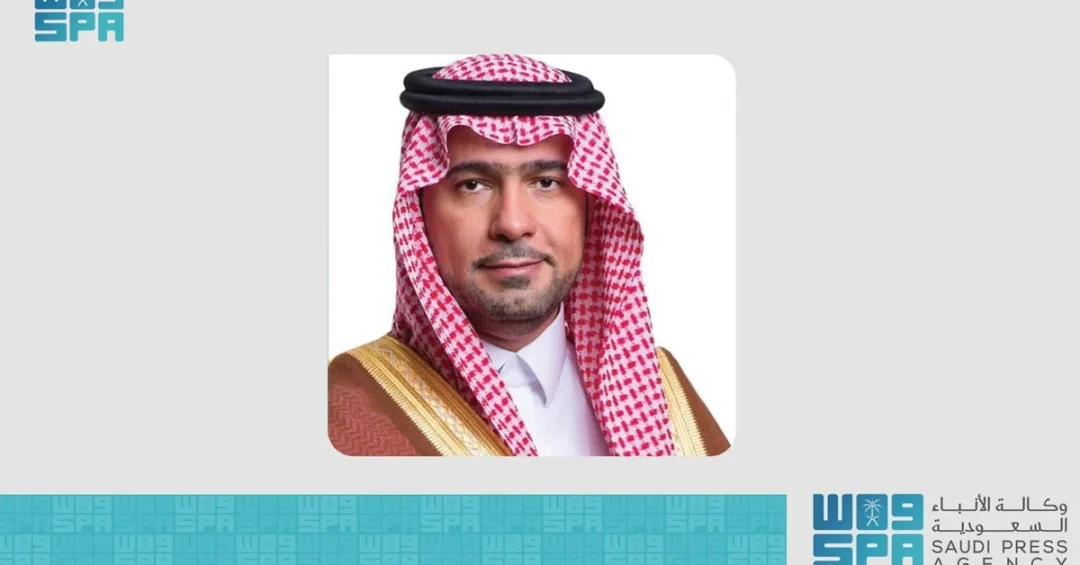
Minister of Municipalities and Housing Majed Al-Hogail will inaugurate the Fourth Saudi Urban Development and Real Estate Forum on January 14 at King Saud University in Riyadh, an event organized by the Saudi Umran Society that runs until January 16 and convenes academics, contractors, real estate professionals, and public and private sector officials. The forum, announced through official Saudi channels via the Saudi Press Agency, will be accompanied by an exhibition in the university’s main lobby and is positioned to advance the national conversation on modern urban theory, sustainable development, and real estate innovation.
For an international audience watching the Kingdom’s rapid transformation, the gathering offers a window into how Saudi Arabia is institutionalizing the expertise behind its built environment. It also raises a practical question: how does a nation deliver housing and urban infrastructure at a pace and scale unmatched in the region while keeping quality, sustainability, and affordability at the center of the conversation? The forum’s three-day program, spanning January 14 to 16, is designed to answer that question through dialogue, research exchange, and cross-sector partnership.
Context and Background
How did a national professional society come to host one of the Kingdom’s most anticipated urban development gatherings? The Saudi Umran Society has built the forum into a recurring platform since its inaugural edition in 2007, when the theme “New Cities in the Kingdom: Vision and Ambition” explored strategies for urban expansion at a time when Saudi cities were beginning to absorb unprecedented growth. That first gathering set a precedent for pairing academic research with the practical needs of planners, developers, and government agencies.
The second forum in 2010 shifted focus to “Modern Urban Development in the Age of Knowledge,” reflecting a global turn toward knowledge economies and the role of universities, research centers, and digital infrastructure in shaping cities. The third, held in 2014, adopted the theme “New Urban Development for Emerging Universities: Consolidating Sustainable Development,” linking campus development with the broader sustainability agenda. Each edition built on the last, creating a cumulative body of Saudi-led thinking on urbanism.
The Fourth Saudi Urban Development and Real Estate Forum therefore arrives as the latest chapter in nearly two decades of institutional continuity. By convening under the patronage of the Minister of Municipalities and Housing, the event signals that urban development is not a peripheral technical matter but a central pillar of national policy, one that connects housing delivery, municipal services, real estate investment, and long-term planning. For observers abroad, that continuity is itself a story: Saudi Arabia is not improvising its urban future, it is iterating on it.
Key Details of the Fourth Forum
What exactly will participants discuss over the three days in Riyadh? According to the official announcement, the forum will bring together academics, contractors, real estate professionals, and officials from both the public and private sectors. Participants will engage in discussions on modern urban theories, address future challenges facing Saudi cities, and share experiences drawn from local and global practice. The accompanying exhibition at King Saud University’s main lobby will give institutions, companies, and research bodies a physical space to present projects, technologies, and case studies.
The choice of King Saud University as the venue is significant. As one of the Kingdom’s oldest and largest higher education institutions, it embodies the link between academic research and national development that the forum has championed since 2007. Hosting the event on campus places students, faculty, and researchers in direct contact with decision-makers and industry leaders, an arrangement that supports the transfer of ideas from theory into practice and from the classroom into the market.
The stated aims are equally concrete: fostering international cooperation and promoting scientific research in urbanism and real estate development. Those two objectives frame the forum as more than a networking event. They position it as a mechanism for importing global best practice, exporting Saudi expertise, and generating research that can inform policy, regulation, and project design across the Kingdom’s cities and regions.
International and Regional Impact
Why should an audience outside Saudi Arabia pay attention to a three-day forum in Riyadh? Because urban development is one of the most globally connected industries, and the Kingdom is now one of its largest markets. International architecture firms, engineering consultancies, construction contractors, smart-city technology providers, and real estate investors are all watching how Saudi Arabia plans, procures, and delivers its urban projects. A forum that explicitly invites international cooperation creates a structured entry point for that engagement.
Regionally, the event reinforces Riyadh’s role as a convening capital for the built environment sector. By hosting academics and professionals from multiple countries alongside Saudi institutions, the forum supports the exchange of knowledge on challenges that are common across the Middle East and beyond: rapid urbanization, water and energy efficiency, housing affordability, mobility, and climate-resilient design. In a region where cities are growing quickly, a Saudi platform for sharing solutions carries weight beyond the Kingdom’s borders.
Economic and Strategic Significance
How does a professional forum connect to the wider Saudi economy? Real estate and construction are among the most significant contributors to non-oil economic activity in the Kingdom, and the sector is central to the diversification agenda. Events such as this one help align public policy, private investment, and technical standards. They also give contractors and developers visibility into upcoming priorities, which in turn supports investment planning and workforce development.
The strategic value extends to human capital. By involving academics and students, the forum contributes to building a pipeline of Saudi professionals trained in urban planning, real estate finance, sustainability, and construction technology. That aligns with broader national efforts to expand employment opportunities for Saudi citizens in high-value sectors and to ensure that the knowledge required to operate and maintain modern cities resides within the country.
For international companies, the forum is a signal of institutional openness. The presence of the Minister of Municipalities and Housing at the inauguration, alongside officials from relevant agencies, indicates that engagement pathways are clearly defined. Firms seeking to contribute technology, design expertise, or investment capital can use the event to understand regulatory direction and partnership expectations.
Sustainability and the Future of Saudi Cities
What does sustainable urban development mean in the Saudi context? It means planning cities that are efficient in their use of water and energy, resilient to extreme heat, well connected by public transport, and inclusive of diverse housing needs. It also means integrating green space, walkable districts, and smart technologies into both new developments and existing neighborhoods. The forum’s emphasis on modern urban theories places these considerations at the center of discussion.
The presence of contractors and real estate professionals ensures that sustainability is examined not only as an aspiration but as a delivery challenge. Building materials, construction methods, maintenance regimes, and financing models all determine whether a sustainable design performs as intended over decades. By bringing these stakeholders together with researchers, the forum creates conditions for practical problem-solving rather than abstract debate.
Another dimension is the relationship between universities and cities. The third forum in 2014 focused specifically on emerging universities and sustainable development, recognizing that campuses shape surrounding districts and can serve as laboratories for urban innovation. That theme continues to resonate as Saudi higher education expands and as new university communities are planned alongside residential and commercial areas.
Vision 2030 Alignment
How does the Fourth Saudi Urban Development and Real Estate Forum connect to Vision 2030? The Vision’s goals include diversifying the economy, improving quality of life, and developing vibrant, sustainable cities that meet the needs of a growing population. Urban development sits at the intersection of all three. Housing delivery, municipal services, real estate investment, and urban planning are the operational levers through which those ambitions become tangible for citizens and residents.
Under the leadership of the Minister of Municipalities and Housing, Majed Al-Hogail, the ministry has pursued modernization across its mandate, from digital services to housing programs and municipal efficiency. A forum that convenes the sector’s stakeholders supports that work by generating ideas, strengthening partnerships, and reinforcing a culture of evidence-based planning. The Saudi Umran Society’s tradition of hosting the event since 2007 demonstrates that this is a long-term national project, not a short-term campaign.
As the Kingdom continues to build and renew its cities, platforms like this one will help ensure that growth is deliberate, inclusive, and aligned with the highest international standards. For international readers, the message is clear: Saudi Arabia is investing in the knowledge, institutions, and partnerships required to shape cities that serve people and economies for generations to come.
20 Questions
Q1. What is the Fourth Saudi Urban Development and Real Estate Forum?
A1. It is a three-day professional gathering organized by the Saudi Umran Society and inaugurated by Minister of Municipalities and Housing Majed Al-Hogail, focused on urban development, real estate, research, and international cooperation.
Q2. When and where will the forum take place?
A2. The forum runs from January 14 to January 16 at King Saud University in Riyadh, with an accompanying exhibition in the university’s main lobby, according to the official announcement.
Q3. Who is inaugurating the event?
A3. Minister of Municipalities and Housing Majed Al-Hogail will inaugurate the forum, reflecting the ministry’s central role in national urban development and housing policy.
Q4. Who is organizing the forum?
A4. The Saudi Umran Society is the organizer, continuing a tradition of hosting the event that began with the first forum in 2007.
Q5. Who will participate in the forum?
A5. Participants include academics, contractors, real estate professionals, and officials from both the public and private sectors, creating a cross-disciplinary platform for dialogue.
Q6. What topics will be discussed?
A6. Discussions will cover modern urban theories, future challenges facing cities, and the exchange of local and global experiences in urbanism and real estate development.
Q7. What are the main objectives of the forum?
A7. The forum aims to foster international cooperation and promote scientific research in urbanism and real estate development, supporting sustainable urban growth.
Q8. What was the theme of the first forum in 2007?
A8. The inaugural forum was titled “New Cities in the Kingdom: Vision and Ambition,” exploring strategies for urban expansion across the Kingdom.
Q9. What was the focus of the second forum in 2010?
A9. The second forum addressed “Modern Urban Development in the Age of Knowledge,” highlighting the role of knowledge and innovation in shaping cities.
Q10. What did the third forum in 2014 emphasize?
A10. The third forum focused on “New Urban Development for Emerging Universities: Consolidating Sustainable Development,” linking campus growth with sustainability.
Q11. Why is King Saud University a significant venue?
A11. As a leading national university, it connects academic research with practical development, allowing students and faculty to engage directly with policymakers and industry leaders.
Q12. What is the role of the accompanying exhibition?
A12. The exhibition provides space for institutions, companies, and researchers to present projects, technologies, and case studies related to urban development and real estate.
Q13. How does the forum support international cooperation?
A13. By inviting global participants and emphasizing shared urban challenges, it creates structured opportunities for knowledge exchange and partnership between Saudi and international institutions.
Q14. How does the forum promote scientific research?
A14. It brings academics together with practitioners to discuss evidence-based approaches, encouraging research that can inform policy, regulation, and project design.
Q15. What is the economic significance of the real estate sector in Saudi Arabia?
A15. Real estate and construction are major contributors to non-oil economic activity and are central to the Kingdom’s economic diversification agenda.
Q16. How does the forum relate to housing policy?
A16. It supports housing policy by convening stakeholders to discuss delivery challenges, affordability, design standards, and financing models for residential development.
Q17. What does sustainable urban development mean for Saudi cities?
A17. It means efficient use of water and energy, resilience to heat, strong public transport, green space, and inclusive housing that meets diverse community needs.
Q18. How does the forum support Saudi human capital?
A18. By involving academics and students, it helps build a pipeline of Saudi professionals skilled in urban planning, real estate finance, sustainability, and construction technology.
Q19. How does the event align with Vision 2030?
A19. It supports Vision 2030 goals of economic diversification, improved quality of life, and sustainable, vibrant cities that serve citizens and residents.
Q20. What does the forum’s continuity since 2007 demonstrate?
A20. It shows that Saudi Arabia treats urban development as a long-term national project, building on past insights to shape future cities with deliberation and expertise.
Reader Feedback
We value your thoughts. Please share your feedback on this article.
Your feedback helps us improve our coverage.
Related articles
 KSrelief Marks Arabic Language Day at Zaatari Camp
 Saudi Vice Foreign Minister Meets UN Envoy for Syria
 Saudi, German Foreign Ministers Hold Talks in Riyadh
 KSrelief Inspects Gaza-Bound Aid Delivered to Jordan
 Saudi-Japanese Business Council Meets in Riyadh with 80+ Firms
 Saudi, Japanese Diplomats Meet in Riyadh to Boost Ties