


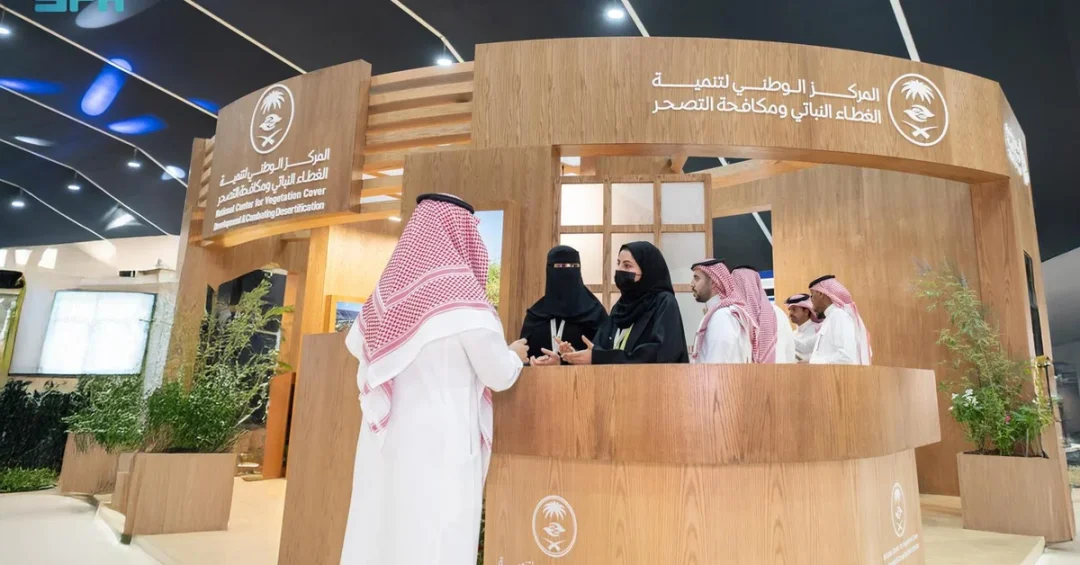
The National Center for Vegetation Cover Development and Combating Desertification (NCVC) marked Environment Week 2025 with a nationwide series of awareness campaigns, interactive pavilions, educational activities, volunteer opportunities, and greening initiatives, as announced via the Saudi Press Agency on April 21, 2025. The NCVC participated in the Environment Week 2025 Exhibition alongside public and private sector entities engaged in environmental work, underscoring the Kingdom’s collective commitment to sustainability. The annual observance, held on April 20, is a national initiative dedicated to raising public awareness about environmental issues and promoting sustainable practices. This year’s theme, “Our Environment is a Treasure,” reflects Saudi Arabia’s dedication to conserving natural resources and reducing environmental degradation. The NCVC’s multifaceted approach aims to encourage public engagement in environmental protection and the enhancement of vegetation cover across the Kingdom.
Environment Week serves as a cornerstone of Saudi Arabia’s environmental education efforts, bringing together government agencies, private companies, and local communities to foster a culture of sustainability. The NCVC’s participation highlights its pivotal role in implementing strategic initiatives that cultivate a vibrant and sustainable vegetation cover. By launching awareness campaigns that feature interactive pavilions and educational activities, the center seeks to inspire individuals to take active roles in preserving the environment. These efforts align with the Kingdom’s broader vision to establish a resilient and diverse vegetation ecosystem that supports environmental sustainability and enhances quality of life. Through such initiatives, Saudi Arabia continues to demonstrate its leadership in addressing environmental challenges, both domestically and globally.
Context and Background
What drives Saudi Arabia’s unwavering commitment to environmental preservation? At the heart of this dedication lies a recognition of the critical importance of natural resources and the need to combat desertification. The NCVC, established to spearhead these efforts, implements a wide range of strategic initiatives and projects designed to restore degraded lands, conserve biodiversity within natural habitats, oversee the management of rangelands and national parks, and curb violations such as unregulated firewood collection. These activities are integral to the Kingdom’s environmental strategy, which is closely tied to the objectives of Saudi Vision 2030. The Vision aims to diversify the economy, improve quality of life, and ensure sustainable development, with environmental protection playing a key role.
Environment Week, observed annually on April 20, was launched as a national initiative to raise public awareness about environmental issues and promote sustainable practices. The 2025 edition, themed “Our Environment is a Treasure,” encapsulates the Kingdom’s commitment to conserving natural resources and reducing environmental degradation. This theme resonates with the broader goals of Saudi Vision 2030, which emphasizes the importance of environmental sustainability as a pillar of national development. By engaging the public through interactive pavilions and educational activities, the NCVC and its partners aim to foster a sense of shared responsibility for the environment, encouraging individuals to adopt eco-friendly habits and participate in greening initiatives.
The NCVC’s mission extends beyond awareness campaigns; it includes tangible actions to restore and enhance vegetation cover. The center’s work is critical in a country where arid conditions and desertification pose significant challenges. Through its initiatives, the NCVC seeks to establish a resilient and diverse vegetation ecosystem that can withstand environmental pressures and contribute to the overall well-being of Saudi society. The participation of various public and private sector entities in the Environment Week 2025 Exhibition demonstrates a collaborative approach to environmental stewardship, reflecting the Kingdom’s united front in tackling ecological challenges.
Key Details
What specific activities did the NCVC undertake during Environment Week 2025? The center launched nationwide awareness campaigns that featured interactive pavilions, educational activities, diverse volunteer opportunities, and greening initiatives. These efforts were designed to encourage public engagement in environmental protection and the enhancement of vegetation cover. The interactive pavilions provided visitors with hands-on experiences, allowing them to learn about the importance of vegetation cover, the threats posed by desertification, and the steps they can take to contribute to environmental sustainability. Educational activities included workshops, presentations, and demonstrations tailored to different age groups, ensuring that the message of environmental stewardship reaches a wide audience.
Volunteer opportunities were a key component of the NCVC’s campaign, offering citizens and residents the chance to actively participate in greening initiatives. These opportunities included tree planting events, clean-up drives, and other hands-on activities that directly contribute to the enhancement of vegetation cover. By involving the public in these efforts, the NCVC fosters a sense of ownership and responsibility towards the environment. The greening initiatives, in particular, are vital for increasing green spaces, improving air quality, and mitigating the effects of climate change. The NCVC’s comprehensive approach ensures that environmental awareness translates into concrete actions that benefit both the environment and the community.
The Environment Week 2025 Exhibition served as a platform for the NCVC to showcase its strategic initiatives and projects. Visitors had the opportunity to learn about the center’s work in restoring degraded lands, conserving biodiversity, and managing rangelands and national parks. The exhibition also highlighted the importance of curbing violations such as unregulated firewood collection, which can lead to deforestation and land degradation. By presenting these issues in an accessible and engaging manner, the NCVC aims to inspire behavioral change and promote sustainable practices among the public. The participation of various entities from the public and private sectors further enriched the exhibition, providing a holistic view of the Kingdom’s environmental efforts.
International and Regional Impact
How does Saudi Arabia’s environmental stewardship resonate beyond its borders? The Kingdom’s efforts to combat desertification and promote sustainability have significant implications for the region and the world. As a leading nation in the Middle East, Saudi Arabia’s initiatives serve as a model for other countries facing similar environmental challenges. The NCVC’s work aligns with international goals such as the United Nations Sustainable Development Goals (SDGs), particularly those related to life on land, climate action, and sustainable communities. By sharing its expertise and best practices, Saudi Arabia contributes to global efforts to address environmental degradation and climate change.
Regionally, the Kingdom’s commitment to environmental protection fosters cooperation among Gulf Cooperation Council (GCC) states and other neighboring countries. Joint initiatives, knowledge exchange, and collaborative projects are essential for tackling transboundary environmental issues such as desertification and water scarcity. Saudi Arabia’s leadership in this area enhances its role as a regional hub for sustainability and innovation. Furthermore, the Kingdom’s environmental diplomacy strengthens its international standing, demonstrating its dedication to global environmental causes. Through platforms like Environment Week, Saudi Arabia showcases its achievements and reinforces its position as a responsible global citizen.
Economic and Strategic Significance
What economic benefits arise from Saudi Arabia’s environmental initiatives? The NCVC’s projects and campaigns contribute to the Kingdom’s economic diversification and long-term prosperity. By restoring degraded lands and enhancing vegetation cover, these efforts improve agricultural productivity, support food security, and create green jobs. The development of sustainable ecosystems also boosts tourism, particularly eco-tourism, which is a growing sector under Saudi Vision 2030. Additionally, the preservation of natural resources reduces the economic costs associated with environmental degradation, such as health expenses and loss of biodiversity.
Strategically, the NCVC’s work aligns with the Kingdom’s goal to achieve environmental sustainability and mitigate climate change impacts. The center’s initiatives support the Saudi Green Initiative and the Middle East Green Initiative, which aim to plant billions of trees and restore millions of hectares of land. These ambitious targets require coordinated efforts across sectors and society, and the NCVC plays a central role in mobilizing resources and engaging stakeholders. By investing in environmental protection, Saudi Arabia is building a resilient future that balances economic growth with ecological stewardship, ensuring a high quality of life for current and future generations.
Vision 2030 Alignment
How does the NCVC’s participation in Environment Week 2025 advance Saudi Vision 2030? The Vision’s environmental objectives include safeguarding natural resources, promoting sustainability, and enhancing the quality of life for all citizens. The NCVC’s campaigns and initiatives directly contribute to these goals by raising awareness, fostering public participation, and implementing projects that restore and protect the environment. The interactive pavilions and educational activities empower individuals to make informed choices that benefit the environment, while volunteer opportunities and greening initiatives provide tangible ways for the community to get involved. These efforts are integral to building a sustainable and prosperous Saudi Arabia.
As the Kingdom continues its journey towards Vision 2030, the role of environmental stewardship will only grow in importance. The NCVC’s work exemplifies the Vision’s holistic approach to development, where economic, social, and environmental dimensions are intertwined. By engaging the public and collaborating with various sectors, the NCVC is helping to create a culture of sustainability that will endure for generations. The success of Environment Week 2025 demonstrates the Kingdom’s collective commitment to preserving its natural heritage and ensuring a greener, more sustainable future for all. Through such initiatives, Saudi Arabia reaffirms its leadership in environmental protection and its dedication to the well-being of the planet.
20 Questions
Q1. What is Environment Week and when is it observed?
A1. Environment Week is a national initiative observed annually on April 20 to raise public awareness about environmental issues and promote sustainable practices. The 2025 edition was themed “Our Environment is a Treasure.”
Q2. What does the NCVC stand for and what is its mission?
A2. The National Center for Vegetation Cover Development and Combating Desertification (NCVC) is a Saudi government entity tasked with restoring degraded lands, conserving biodiversity, managing rangelands and national parks, and curbing violations like unregulated firewood collection.
Q3. What activities did the NCVC organize during Environment Week 2025?
A3. The NCVC launched nationwide awareness campaigns featuring interactive pavilions, educational activities, volunteer opportunities, and greening initiatives aimed at encouraging public engagement in environmental protection.
Q4. Where did the Environment Week 2025 Exhibition take place?
A4. The exhibition was held in Riyadh, Saudi Arabia, and brought together various public and private sector entities engaged in environmental work.
Q5. What was the theme of Environment Week 2025?
A5. The theme was “Our Environment is a Treasure,” reflecting the Kingdom’s commitment to conserving natural resources and reducing environmental degradation.
Q6. How does the NCVC aim to enhance vegetation cover?
A6. The NCVC implements strategic initiatives to restore degraded lands, conserve biodiversity, manage rangelands and national parks, and prevent violations such as unregulated firewood collection.
Q7. What role do interactive pavilions play in the NCVC’s campaigns?
A7. Interactive pavilions provide hands-on learning experiences, educating visitors about vegetation cover, desertification threats, and sustainable practices to encourage environmental stewardship.
Q8. What volunteer opportunities were available during Environment Week?
A8. Volunteers could participate in tree planting, clean-up drives, and other greening activities that directly contribute to enhancing vegetation cover and environmental protection.
Q9. How does the NCVC’s work align with Saudi Vision 2030?
A9. The NCVC’s efforts support Vision 2030’s environmental goals by promoting sustainability, restoring ecosystems, and enhancing quality of life, contributing to a diversified and resilient economy.
Q10. What are the key challenges the NCVC addresses?
A10. The NCVC combats desertification, land degradation, biodiversity loss, and unsustainable practices like unregulated firewood collection, which threaten Saudi Arabia’s natural ecosystems.
Q11. How does Environment Week engage the public?
A11. Through interactive exhibits, educational workshops, and volunteer activities, Environment Week encourages citizens and residents to actively participate in environmental protection and sustainable practices.
Q12. What is the significance of the NCVC’s participation in the exhibition?
A12. It showcases the NCVC’s strategic initiatives, fosters collaboration with public and private entities, and reinforces the Kingdom’s commitment to environmental sustainability.
Q13. How does the NCVC contribute to biodiversity conservation?
A13. The NCVC conserves biodiversity by protecting natural habitats, managing national parks, and implementing projects that restore native plant and animal species.
Q14. What are the economic benefits of the NCVC’s initiatives?
A14. They improve agricultural productivity, support food security, create green jobs, boost eco-tourism, and reduce costs associated with environmental degradation, aiding economic diversification.
Q15. How does the NCVC collaborate with other sectors?
A15. The NCVC partners with government ministries, private companies, and non-profit organizations to implement environmental projects and awareness campaigns, leveraging collective expertise and resources.
Q16. What is the role of education in the NCVC’s campaigns?
A16. Education is central to raising awareness about environmental issues, teaching sustainable practices, and inspiring behavioral change among the public, especially youth.
Q17. How does the NCVC measure the success of its campaigns?
A17. Success is measured through public participation rates, volunteer engagement, the number of trees planted, hectares of land restored, and increased awareness of environmental issues.
Q18. What is the Saudi Green Initiative and how does it relate to the NCVC?
A18. The Saudi Green Initiative aims to plant 10 billion trees and restore 40 million hectares of land. The NCVC contributes by implementing greening projects and combating desertification.
Q19. How can individuals support the NCVC’s mission?
A19. Individuals can participate in volunteer activities, adopt sustainable habits, reduce waste, conserve water, and spread awareness about environmental protection in their communities.
Q20. What future plans does the NCVC have for environmental sustainability?
A20. The NCVC will continue expanding greening initiatives, enhancing public engagement, and implementing projects that align with Vision 2030 to ensure a sustainable and green future for Saudi Arabia.
Reader Feedback
We value your thoughts. Please share your feedback on this article.
Your feedback helps us improve our coverage.
Related articles
 Shura Council Speaker Holds Talks with Pakistan’s National Assembly Speaker
 Saudi TGA Launches Nextwave Maritime Training Program
 Saudi Arabia Opens 24 Projects for Public Feedback via Istitlaa
 Al-Jubeir Receives New Spanish Ambassador to Saudi Arabia
 GCC-China Nuclear Forum Marks Key Cooperation Step
 Saudi Vice Minister Receives Gambian Ambassador