


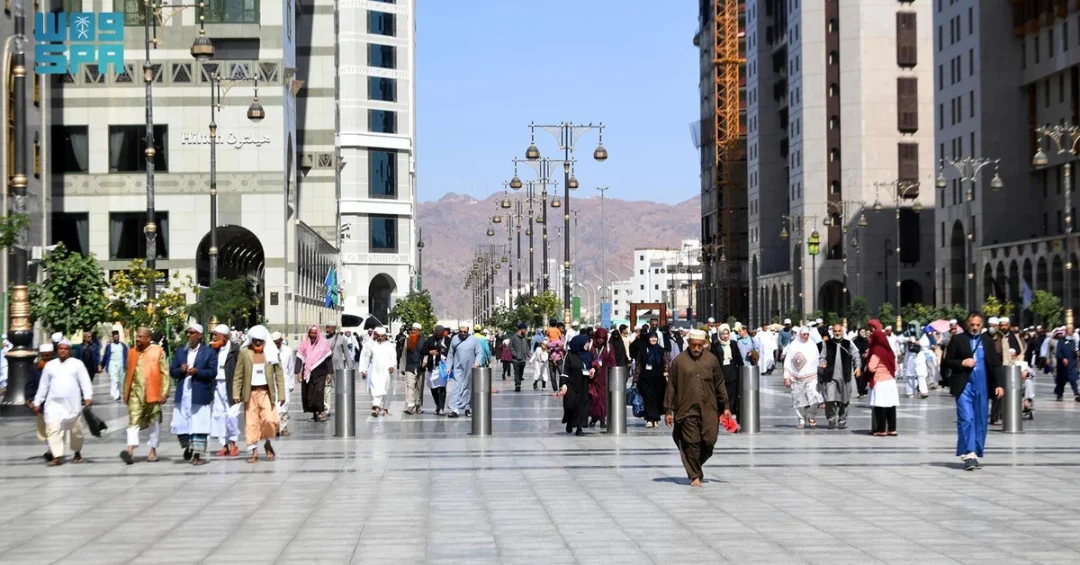
The General Authority for the Care of the Affairs of the Two Holy Mosques is steadfast in ensuring a safe and spiritually fulfilling experience for millions of worshippers at the Prophet’s Mosque in Madinah. This continuous commitment, as reported by the Saudi Press Agency (SPA), involves thousands of dedicated workers who meticulously implement comprehensive programs to prepare the sanctuary for the arrival of pilgrims throughout the year.
Context and Background
The Prophet’s Mosque, one of Islam’s most sacred sites, holds profound significance for Muslims worldwide. It is not only a place of prayer but a symbol of spiritual heritage. Recognizing its importance, the General Authority for the Care of the Affairs of the Two Holy Mosques, under the auspices of the Saudi government, has prioritized operational excellence to handle the ever-increasing number of visitors, especially during Ramadan, Umrah season, and the Hajj period. The recent documentation by the Saudi Press Agency underscores the continuous flow of worshippers and the organized response to their needs.
Key Details
To manage the complex logistics of the mosque, the authority has developed sophisticated crowd management strategies for peak seasons. These include real-time monitoring of worshipper density using innovative devices, and automated systems for cleaning and sterilization. The deployment of such technology not only ensures a clean and hygienic environment but also facilitates smooth movement for all visitors. Central to the authority’s efforts is the introduction of an appointment booking service for Al-Rawdah Al-Sharifa, the site venerated as a garden from paradise. This service, which operates through official channels, allows worshippers to reserve a specific time to visit the area, thereby managing crowds and enhancing spiritual tranquility.
Implications and Impact
The ongoing care and maintenance of the Prophet’s Mosque reflect Saudi Arabia’s leadership in serving the global Muslim community. The dedicated committees, field teams, and volunteers work tirelessly to create a safe and conducive environment within the mosque and its courtyards. The effective crowd control and use of technology not only improve the worshipper experience but also demonstrate the Kingdom’s capacity to handle millions of visitors with ease and dignity. This continuous care, while ensuring the safety of all, reinforces the international community’s trust in Saudi Arabia’s custodianship of its holy sites.
Vision 2030 Alignment
The efforts to enhance the Prophet’s Mosque align directly with Saudi Arabia’s Vision 2030, which seeks to elevate the quality of life for all and foster a vibrant society. By integrating innovative technologies and implementing sustainable processes, the Kingdom is not only preserving its religious heritage but also aiming to accommodate a growing number of pilgrims as part of its strategy to boost tourism and economic diversification. This care for the mosque ensures that the spiritual journey of every Muslim is a seamless one, reinforcing the Kingdom’s position as a global hub for Islamic culture and service.
20 Questions
Q1. What is the primary role of the General Authority for the Care of the Affairs of the Two Holy Mosques?
A1. The Authority’s role is to manage and oversee the upkeep of the Grand Mosque in Makkah and the Prophet’s Mosque in Madinah, ensuring they are prepared for worship, with programs for cleaning, crowd control, and safety, so that pilgrims experience a serene and secure environment.
Q2. Why is the Prophet’s Mosque considered a sacred place?
A2. The Prophet’s Mosque in Medina is the second holiest site in Islam, as it houses the tomb of Prophet Muhammad (PBUH) and is a destination for millions of pilgrims, serving as a center for prayer and learning. Its sanctity is deeply rooted in Islamic tradition and devotion.
Q3. How does the Authority employ technology for crowd management?
A3. The Authority utilizes modern devices for automated cleaning and sterilization, alongside real-time monitoring systems that track worshipper density. These technologies enable immediate adjustments to crowd flow, preventing overcrowding and ensuring a safe movement within the mosque, which is vital during peak times.
Q4. What is the appointment booking service for Al-Rawdah Al-Sharifa?
A4. It is a digital system that allows worshippers to reserve a specific time to enter Al-Rawdah, an area of the mosque of special significance. This service helps distribute visitor flow evenly, reduces waiting times, and preserves the serene atmosphere for prayer.
Q5. How does the mosque ensure cleanliness for large numbers of worshippers?
A5. Automated cleaning and sterilization devices are deployed continuously to maintain hygiene. These devices work efficiently to remove dust and sanitize the floors and surfaces, supplemented by thousands of trained staff who ensure the mosque remains pristine for every visitor.
Q6. What role do volunteers play at the Prophet’s Mosque?
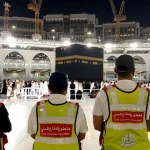
A6. Volunteers assist by guiding worshippers, offering information, providing help to the elderly and families, and supporting the overall management. Their presence helps create a welcoming environment and ensures a smooth experience for all, as they are part of the dedicated field teams.
Q7. How does the Authority handle the influx of pilgrims during Hajj and Umrah?
A7. They develop comprehensive crowd management strategies, including real-time coordination and adjusting services based on crowd flow. The booking system and monitoring also facilitate, ensuring that even during busy seasons, the movement of worshippers remains orderly and safe.
Q8. What are the innovative devices used for real-time monitoring?
A8. Smart sensors and monitoring systems track the density of worshippers in various sections of the mosque. This information is analyzed to manage the flows, opening and closing certain areas as needed, and ensuring that spaces do not become dangerously overcrowded.
Q9. How does the appointment booking system improve spiritual tranquility?
A9. By controlling the number of visitors entering Al-Rawdah at any given time, the system prevents overcrowding and reduces noise and disruption. Worshippers can then focus on prayer and reflection in a serene, unhurried environment, enhancing the spiritual atmosphere.
Q10. How does the care of the Prophet’s Mosque align with Vision 2030?
A10. Vision 2030 aims to improve the experience of pilgrims and guests, and the advanced management of the mosque directly supports that. The efficient services and technological upgrades help the Kingdom accommodate increasing visitor numbers and drive tourism, aligning with the economic goals of the vision.
Q11. What is the significance of Al-Rawdah Al-Sharifa?
A11. Al-Rawdah is an area within the mosque where the Prophet’s burial site is located, and it is highly revered. Muslims believe it is a garden from paradise, making it a sought-after place for prayer, so the management of this area is crucial for preserving its blessedness.
Q12. How does the Authority ensure the safety of all worshippers?
A12. The authority implements comprehensive safety measures, including clear marking, emergency exits, and crowd control procedures. In addition, the continuous monitoring allows for rapid responses to any issue, ensuring a safe environment for all visitors to the mosque.
Q13. What is the capacity of the Prophet’s Mosque?
A13. The mosque has a capacity of over 1.5 million worshippers, especially in peak seasons. This enormous number requires intricate planning and management to ensure that all worshippers can be accommodated comfortably without issues.
Q14. How do volunteers contribute to the mosque’s operations?
A14. Volunteers assist in guiding worshippers to prayer spaces, providing directions, distributing water, and helping people with special needs. They work under the guidance of the Authority to add a welcoming presence, further enhancing the quality of the experience for all.
Q15. What are the benefits of using automated cleaning devices?
A15. Automated cleaning devices work rapidly and efficiently, covering the large expanses of the mosque without interrupting the peace. They ensure hygiene is maintained at all times, and they operate around the clock, so the mosque is always ready for prayer.
Q16. How does the Authority monitor the density of worshippers?
A16. Through the use of advanced sensors that detect movement and count the number of people in specific areas. This data is then sent to a control room where operators can make decisions to redirect traffic or alert security if congestion is detected.
Q17. What is the role of the Saudi government in the support of the holy mosques?
A17. The government provides vast resources for the upkeep, renovation, and technology upgrades of the two holy mosques. This commitment reflects the Kingdom’s custodianship of Islam’s most sacred sites and its duty to serve all Muslim pilgrims and visitors.
Q18. How does the appointment system for Al-Rawdah work?
A18. Worshippers can book a time slot through an official app or website, after which they receive a pass. They arrive at the appointed time, scan the pass, and are granted access. This schedule prevents overcrowding and ensures that each person gets their turn without long waits.
Q19. What are the overall benefits of the mosque’s management system?
A19. The system ensures the safety, cleanliness, and spiritual ambiance of the mosque. It reduces wait times, avoids congestion, and enhances the overall experience for millions of visitors. It also allows for efficient allocation of staff and resources, aligning with modern operational standards.
Q20. How does the care of the Prophet’s Mosque showcase Saudi Arabia’s global role?
A20. This dedicated care demonstrates Saudi Arabia’s leadership in serving the Muslim community worldwide. It exhibits the Kingdom’s ability to manage large crowds with intelligence and compassion, and its ongoing investment in the spiritual well-being of Muslims, which is central to its international stance.
Reader Feedback
We value your thoughts. Please share your feedback on this article.
Your feedback helps us improve our coverage.
Related articles
 Saudi Arabia and Tajikistan Strengthen Ties in Water, Environment, and Food Industries
 Hajj Media Hub: A Qualitative Leap in Media Coverage
 Border Guards Ensure Crowd Management for Hajj Pilgrims in Mina
 Governor Inspects Water Sector for Hajj Safety
 Hajj Media Hub Serves 1,500+ International Media Professionals
 Civil Defense Volunteers Serve Pilgrims During Hajj 1445 AH