


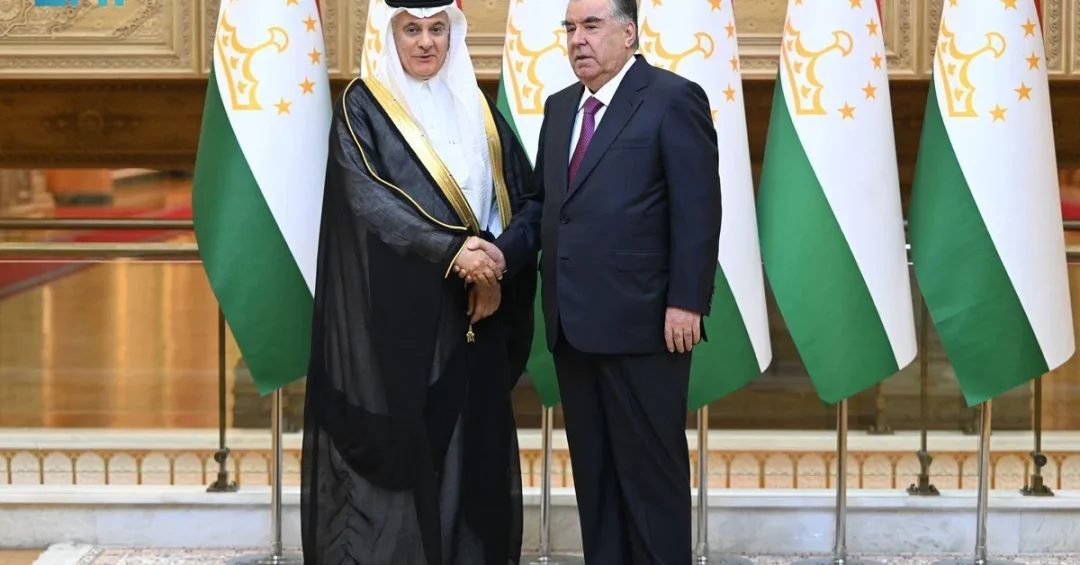
Saudi Arabia’s Minister of Environment, Water and Agriculture, Eng. Abdulrahman bin Abdul Mohsen Al-Fadhli, met with President of Tajikistan Emomali Rahmon in Dushanbe on June 13, 2024, during the Third High-Level International Water Action Decade Conference, reinforcing the Kingdom’s commitment to global water diplomacy and sustainable development. The meeting, which took place at the presidential palace, focused on enhancing bilateral cooperation in the water, environment, and food industries, while also conveying warm greetings from the Custodian of the Two Holy Mosques, King Salman bin Abdulaziz Al Saud, and His Royal Highness Crown Prince Mohammed bin Salman.
Context and Background
This high-profile encounter occurred on the sidelines of the Third High-Level International Water Action Decade Conference, a platform dedicated to accelerating water-related Sustainable Development Goals. Tajikistan, as the host nation, has a strategic interest in water resource management, hosting significant glacial reserves, and Saudi Arabia, with its own pioneering water desalination and agricultural technologies, offers robust expertise and investment potential. The meeting aligns with Saudi Arabia’s Vision 2030, which prioritizes environmental sustainability, water security, and food self-sufficiency. The Kingdom’s leadership in these areas has been recognized globally, with its successful water conservation and irrigation projects serving as models for arid regions.
Key Details
During the meeting, Al-Fadhli conveyed the greetings of the Custodian of the Two Holy Mosques and the Crown Prince, and President Rahmon responded by expressing his best wishes to the Saudi leadership. The dialogue centred on advancing mutual interests, including joint ventures in modern agriculture, agricultural food processing, water desalination, and the exchange of expertise in sustainable farming practices. The Saudi Ambassador to Tajikistan, Walid Abdulrahman Al-Reshaidan, also attended the meeting, ensuring continued diplomatic follow-up. Al-Fadhli also used the conference to engage with other ministers and officials, discussing broader cooperation between the Kingdom and friendly nations in water, agriculture, and environmental fields. These interactions underline Saudi Arabia’s active role in shaping global water policies and its willingness to share its advanced technological solutions with the international community.
Implications and Impact
The strengthening of ties between Saudi Arabia and Tajikistan holds significant implications for Central Asia and the broader Islamic world. By partnering with Tajikistan, a nation with abundant water resources from the Pamir mountains, Saudi Arabia aims to enhance its food security by investing in the importation of agricultural products and exploring the development of food processing plants in the region. This collaboration also paves the way for transfer of knowledge in modern irrigation, water-efficient technologies, and the implementation of joint research projects, benefiting both nations. The Kingdom’s engagement is also a strategic move to increase its diplomatic presence in Central Asia, aligning with its vision to build bridges and foster economic and cultural bonds with a growing economic corridor. The discussions on global water challenges place the Kingdom at the forefront of the world’s dialogue on water sustainability, echoing its responsibility as a key actor in the international arena.
Vision 2030 Alignment
This meeting is a testament to Saudi Arabia’s proactive approach to building a sustainable future, in full alignment with Vision 2030’s objectives to diversify the economy, enhance the quality of life, and ensure the efficient use of resources. The collaboration in water and agriculture directly supports the Kingdom’s goal of attaining food security and achieving a sustainable environment, which are critical pillars of the Vision. The outcome of these talks is expected to lay groundwork for concrete agreements in the coming months, boosting the Kingdom’s role in international water diplomacy and fostering economic integration with Central Asia. As the world watches, Saudi Arabia continues to demonstrate that it is not merely a leading oil producer but a catalyst for innovative, sustainable development, in the spirit of Vision 2030.
20 Questions
Q1. Who met with the President of Tajikistan?
A1. The Minister of Environment, Water and Agriculture of Saudi Arabia, Eng. Abdulrahman bin Abdul Mohsen Al-Fadhli, met with Tajikistan’s President Emomali Rahmon on June 13, 2024.
Q2. Where did the meeting take place?
A2. The meeting took place in Dushanbe, the capital city of Tajikistan, on the sidelines of the Third High-Level International Water Action Decade Conference.
Q3. What was the main purpose of the meeting?
A3. The main purpose was to discuss and enhance cooperation in water, environment, and food industries between Saudi Arabia and Tajikistan.
Q4. Which conference was being held?
A4. The Third High-Level International Water Action Decade Conference was being held, focusing on global water action and development.
Q5. What greetings did Minister Al-Fadhli convey?
A5. He conveyed the greetings of the Custodian of the Two Holy Mosques and His Royal Highness the Crown Prince of Saudi Arabia.
Q6. What was President Rahmon’s response?
A6. President Rahmon extended his greetings and best wishes to the Saudi leadership, demonstrating mutual respect and friendship.
Q7. Who else attended the meeting?
A7. The meeting was attended by the Saudi Ambassador to Tajikistan, Walid Abdulrahman Al-Reshaidan.
Q8. What sectors were discussed?
A8. The discussions covered the water, environment, and food industries sectors, aiming to enhance bilateral relations.
Q9. What global challenges were addressed?
A9. The challenges facing the global water sector were discussed, indicating a shared concern for water sustainability.
Q10. How does this meeting relate to Vision 2030?
A10. It supports Vision 2030’s goals of sustainability, food security, and diversification, showcasing Saudi leadership in global water.
Q11. What is Tajikistan’s role in water resources?
A11. Tajikistan has significant water resources from the Pamir Mountains, making it a key player in Central Asia’s water management.
Q12. Why is the water conference important?
A12. It is a high-level platform to accelerate the achievement of Sustainable Development Goal 6 on water and sanitation for all.
Q13. How does Saudi Arabia benefit from this cooperation?
A13. The cooperation helps Saudi Arabia enhance its food security and water management technology, while fostering regional partnerships.
Q14. What other meetings did the Minister attend?
A14. He met with other ministers and officials from friendly countries to discuss cooperation in water, agriculture, and environment.
Q15. What is the significance of Dushanbe as a host?
A15. Dushanbe serves as a diplomatic hub for Central Asia, facilitating dialogue between countries on shared water challenges.
Q16. How does this boost Saudi Arabia’s global standing?
A16. It reinforces Saudi Arabia’s role as a leader in water sustainability and its commitment to international partnerships.
Q17. What is the goal of the water decade?
A17. The Water Action Decade aims to promote sustainable management of water resources and address the global water crisis.
Q18. Are there any specific projects planned?
A18. The meeting focused on prospects, but no concrete agreements were announced; the discussions paved the way for future ventures.
Q19. How does this meeting contribute to regional stability?
A19. By strengthening bilateral ties, it promotes cooperation and stability in Central Asia, aligning with Saudi Arabia’s strategy for mutual prosperity.
Q20. What will be the next steps?
A20. The next steps include further diplomatic follow-ups and possible joint committees to translate the discussions into actionable plans.
Reader Feedback
We value your thoughts. Please share your feedback on this article.
Your feedback helps us improve our coverage.
Related articles
 Hajj Media Hub: A Qualitative Leap in Media Coverage
 Border Guards Ensure Crowd Management for Hajj Pilgrims in Mina
 Governor Inspects Water Sector for Hajj Safety
 Hajj Media Hub Serves 1,500+ International Media Professionals
 Civil Defense Volunteers Serve Pilgrims During Hajj 1445 AH
 Public Security Chief Inspects Hajj Forces, Vows Firm Protection for Pilgrims