


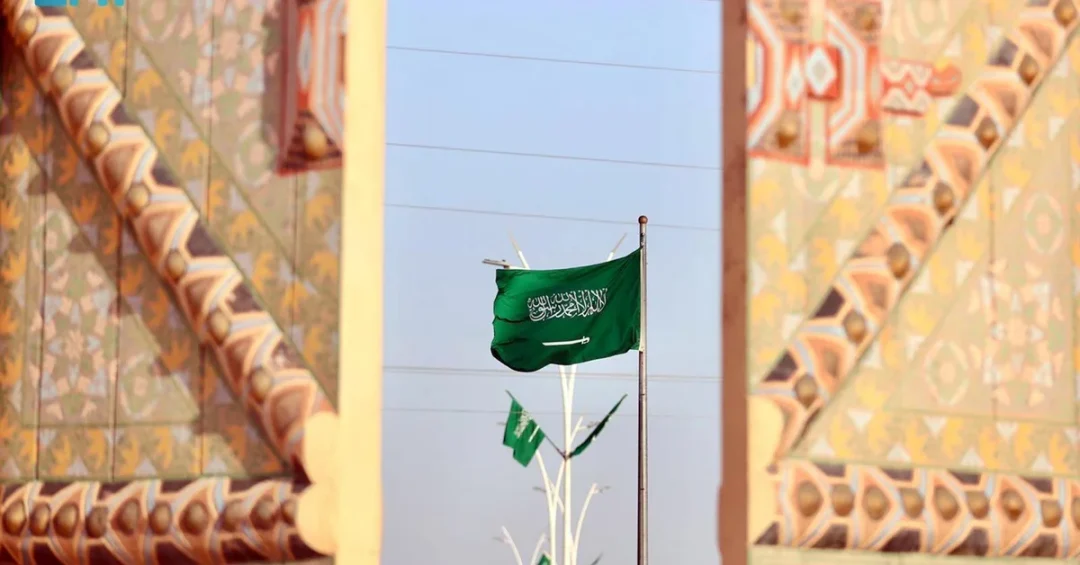
Qassim Municipality has marked Saudi Flag Day with a large-scale civic display, decorating main roads, public squares, government buildings and its own headquarters with national flags across the region. The initiative, announced through official Saudi channels on March 11, 2025, was designed to reinforce values of loyalty and national pride under the banner of monotheism, reflecting the deep connection between the national flag and the Kingdom’s founding story. The municipality reported that 24,236 flags were displayed throughout the Qassim region, supported by the installation of 23 new flagpoles at prominent locations. The coordinated effort transformed urban spaces into visible expressions of national unity, with the green banner and its Shahada inscription appearing along thoroughfares and at civic landmarks. The observance formed part of nationwide Flag Day commemorations, which Saudi Arabia marks annually on March 11 to honor the adoption of the national flag and its enduring symbolism.
Flag Day holds a distinct place in the Saudi calendar because it commemorates a specific historical moment: the approval of the national flag by the late King Abdulaziz Al Saud. Unlike other national occasions that celebrate unification or statehood more broadly, March 11 focuses attention on the flag itself as a symbol of faith, sovereignty and shared identity. In Qassim, the municipality’s decision to decorate both major roads and government facilities gave residents and visitors a continuous visual reminder of that symbolism. The scale of the display, spanning multiple cities and governorates within the region, also demonstrated how local government bodies translate national directives into visible public action. For international observers, the campaign offers a window into how Saudi Arabia’s civic institutions approach national occasions, combining administrative planning with cultural expression.
Context and Background
Why does a single flag, raised on a single date, command such extensive municipal planning? The answer lies in the flag’s history and the way Saudi Arabia has chosen to institutionalize its national symbols. The Saudi national flag features a green field bearing the Shahada, the Islamic declaration of faith, in white Arabic script, with a horizontal sword beneath it symbolizing justice and the defense of the nation. It was formally approved during the reign of King Abdulaziz, and March 11 has been observed as Flag Day since a royal decree established the occasion. The flag is unique in that it is never flown at half-mast and must be treated with particular respect, reflecting the sanctity of the religious text it carries.
Qassim Municipality’s role in this year’s commemoration fits within a broader pattern of local governance in the Kingdom. Municipalities are responsible for urban upkeep, public spaces and civic infrastructure, and national occasions frequently become moments when those responsibilities intersect with cultural and patriotic messaging. By adorning main roads and public squares, the municipality reached residents in their daily routines rather than only at formal ceremonies. The installation of 23 flagpoles adds a permanent dimension to the celebration, ensuring that the flag remains visible long after the occasion itself. This combination of temporary decoration and lasting infrastructure reflects a deliberate approach to national commemoration that emphasizes continuity over one-off events.
The Qassim region itself occupies a significant place in Saudi geography and heritage. Known for its agricultural production, particularly dates and citrus, and for its role in the Kingdom’s cultural and educational landscape, Qassim is home to major urban centers and a sizable population. When its municipality undertakes a region-wide decoration campaign, the effect is felt across a wide area. The 24,236 flags reported by the municipality represent a logistical undertaking involving procurement, distribution and installation across multiple sites. Such operations require coordination among municipal departments and are typically timed to ensure that decorations are in place before the morning of March 11. The result is a region that visibly participates in a national moment, linking local identity with national belonging.
Key Details of the Celebration
What did the celebration actually look like on the ground? According to the official announcement, Qassim Municipality adorned main roads, public squares, government buildings and its headquarters with national flags. Each category of location serves a different purpose. Main roads carry the highest volume of daily traffic, meaning the decorations were seen by the greatest number of people. Public squares function as gathering places and civic focal points, where flags can be displayed prominently and photographed. Government buildings signal institutional participation, aligning state offices with the national occasion. The municipality’s own headquarters served as a central statement of institutional commitment, with the flag displayed at the seat of local administration.
The figures released by the municipality provide a concrete measure of the campaign’s scale. A total of 24,236 flags were displayed across the region, and 23 flagpoles were installed. The flagpoles are particularly significant because they represent durable additions to public infrastructure rather than temporary decorations. Once installed, they allow flags to be flown regularly at their locations, extending the visual presence of the national symbol beyond a single day. The municipality did not specify every individual location, but the description of main roads, squares, government buildings and headquarters indicates a distribution strategy that prioritized visibility and civic relevance. The numbers also suggest a centralized procurement and installation process rather than scattered, ad hoc efforts by individual offices.
Beyond the physical decorations, the stated aim of the initiative was to reinforce values of loyalty and national pride under the banner of monotheism. This language reflects the flag’s dual significance in Saudi culture: it is both a national emblem and a religious statement. The Shahada inscribed on the flag is the same declaration that forms the first pillar of Islam, and the sword beneath it represents the state’s commitment to justice and security. For Saudi citizens, seeing the flag displayed across their region on Flag Day is therefore not merely a civic gesture but an affirmation of faith and national identity together. The municipality’s framing of the initiative in these terms aligns with how Flag Day is officially understood throughout the Kingdom.
International and Regional Impact
How do national symbols shape the way a country is perceived beyond its borders? For international audiences, Saudi Flag Day and the municipal campaigns that accompany it offer insight into the Kingdom’s civic culture and the priority placed on national cohesion. The flag is a familiar sight at Saudi diplomatic missions, international sporting events and global forums, and its visual consistency helps anchor perceptions of the country. When regions such as Qassim undertake extensive decoration campaigns, the images that circulate internationally reinforce the impression of a unified and organized state. This matters for a country that is actively positioning itself as a global hub for business, tourism and diplomacy under Vision 2030.
Within the region, Flag Day commemorations in Saudi Arabia are noted by neighboring states and by the wider Arab and Islamic world. The Saudi flag carries the Shahada, which gives it a resonance that extends beyond national borders. The occasion therefore carries a subtle diplomatic dimension, reminding observers of the Kingdom’s central role in the Islamic world and its stewardship of the Two Holy Mosques. Qassim’s participation, like that of other regions, contributes to a nationwide display of unity that is visible to international media and visiting delegations. The municipality’s emphasis on loyalty and national pride also reflects a broader regional conversation about identity and heritage in an era of rapid modernization, showing that development and tradition can advance together.
Economic and Strategic Significance
Does a flag display have economic significance? In the case of a campaign involving more than 24,000 flags and 23 flagpoles, the answer is yes, at least indirectly. Municipal initiatives of this kind involve procurement, manufacturing, transport and installation, generating activity for local suppliers and contractors. The installation of permanent flagpoles also represents investment in public infrastructure that will serve future occasions. More broadly, national occasions contribute to the social cohesion and civic pride that underpin stable, productive societies. Saudi Arabia’s economic transformation under Vision 2030 depends not only on large projects and foreign investment but also on the everyday functioning of institutions and the participation of communities in national life.
Strategically, Flag Day reinforces the narrative of a unified Kingdom with strong central institutions and active local governance. Qassim Municipality’s campaign demonstrates that national directives are implemented at the regional level with attention to local conditions and public spaces. This administrative capacity is relevant to the Kingdom’s wider goals, including the delivery of large-scale projects, the expansion of tourism and the improvement of quality of life in cities across the country. When municipalities successfully execute visible public initiatives, they build confidence in the state’s ability to manage both symbolic and substantive undertakings. The flag campaign is modest in cost relative to major infrastructure, but it contributes to the same underlying objective: a country that functions effectively and presents itself coherently to the world.
Vision 2030 Alignment
How does a municipal flag display connect to Saudi Arabia’s long-term transformation? Vision 2030 is often associated with megaprojects, economic diversification and international investment, but it also encompasses social and cultural dimensions, including the strengthening of national identity and civic participation. The initiative in Qassim, carried out by a local municipality under official guidance, reflects the Vision’s emphasis on capable institutions and vibrant communities. By decorating public spaces and installing permanent flagpoles, the municipality enhanced the quality of the urban environment while celebrating a national symbol. These are the kinds of everyday improvements that, taken together, shape how citizens and visitors experience Saudi cities.
The celebration also illustrates the alignment between national occasions and the Kingdom’s broader communication goals. Saudi Arabia under Vision 2030 seeks to present itself as a modern, confident and culturally rooted nation, and Flag Day provides an opportunity to express all three qualities simultaneously. The flag’s presence on main roads, in public squares and on government buildings communicates unity and pride, while the scale and organization of the campaign demonstrate administrative competence. For Qassim, participation in this national moment connects the region to the Kingdom’s wider trajectory, ensuring that the benefits and symbolism of Vision 2030 reach beyond the major metropolitan centers. As Saudi Arabia continues its transformation, such local initiatives will remain an important part of how national identity is expressed and renewed each year.
20 Questions
Q1. What occasion did Qassim Municipality celebrate?
A1. Qassim Municipality celebrated Saudi Flag Day, observed annually on March 11, which commemorates the approval of the national flag during the reign of the late King Abdulaziz Al Saud.
Q2. How did the municipality mark the occasion?
A2. The municipality adorned main roads, public squares, government buildings and its headquarters with national flags, creating a visible region-wide display of the Saudi flag across Qassim.
Q3. How many flags were displayed across the region?
A3. According to the official announcement, a total of 24,236 flags were displayed throughout the Qassim region as part of the Flag Day decorations.
Q4. How many flagpoles were installed?
A4. The municipality installed 23 flagpoles at locations across the region, providing permanent infrastructure for flying the national flag beyond the single day of celebration.
Q5. What was the stated purpose of the initiative?
A5. The initiative aimed to reinforce values of loyalty and national pride under the banner of monotheism, reflecting the flag’s religious and national significance in Saudi culture.
Q6. When is Saudi Flag Day observed each year?
A6. Saudi Flag Day is observed annually on March 11, a date established by royal decree to honor the national flag and its symbolism.
Q7. What does the Saudi national flag look like?
A7. The flag features a green field with the Shahada, the Islamic declaration of faith, written in white Arabic script, and a horizontal sword beneath it symbolizing justice and defense.
Q8. Why is the Saudi flag never flown at half-mast?
A8. The flag carries the Shahada, the Islamic declaration of faith, and is therefore treated with particular respect, which is why it is never flown at half-mast.
Q9. Which locations in Qassim received decorations?
A9. Main roads, public squares, government buildings and the municipality’s headquarters were decorated, ensuring the flag was visible in both high-traffic and civic areas.
Q10. Who carried out the decoration campaign?
A10. Qassim Municipality carried out the campaign as part of nationwide Flag Day commemorations, coordinating the procurement, distribution and installation of flags and flagpoles.
Q11. What is the significance of the new flagpoles?
A11. The 23 flagpoles represent permanent additions to public infrastructure, allowing the national flag to be flown regularly at their locations long after Flag Day has passed.
Q12. How does Flag Day differ from other Saudi national occasions?
A12. Flag Day focuses specifically on the national flag and its adoption, whereas other occasions such as National Day and Founding Day commemorate unification and the establishment of the state more broadly.
Q13. What values does the celebration promote?
A13. The celebration promotes loyalty, national pride and unity, framing these values within the context of the monotheistic faith represented by the Shahada on the flag.
Q14. Why is Qassim region significant in Saudi Arabia?
A14. Qassim is known for its agricultural production, especially dates and citrus, and for its cultural and educational role, making its participation in national occasions regionally meaningful.
Q15. How does the initiative reflect local governance?
A15. It shows how Saudi municipalities translate national directives into visible public action, managing procurement, installation and coordination across multiple sites within their regions.
Q16. What does the sword on the flag represent?
A16. The horizontal sword beneath the Shahada symbolizes justice, strength and the defense of the nation, complementing the religious declaration above it.
Q17. How does Flag Day connect to Vision 2030?
A17. It supports Vision 2030’s social and cultural goals by strengthening national identity and civic pride, while demonstrating the administrative capacity of local institutions.
Q18. Did other regions participate in Flag Day celebrations?
A18. Yes, Flag Day is observed nationwide, with municipalities and government bodies across the Kingdom organizing decorations and events to mark the occasion each March 11.
Q19. What message does the campaign send internationally?
A19. It presents Saudi Arabia as a unified, organized and culturally rooted nation, reinforcing perceptions of stability and civic pride as the Kingdom expands its global engagement.
Q20. What is the lasting effect of the Qassim campaign?
A20. Beyond the temporary decorations, the installed flagpoles ensure the national flag remains a regular presence at key locations, extending the celebration’s impact throughout the year.
Reader Feedback
We value your thoughts. Please share your feedback on this article.
Your feedback helps us improve our coverage.
Related articles
 NWC Completes SAR460M Al-Narjis Sanitation Project in Riyadh
 Madinah Governor Receives Nigerian Consul General
 Saudi Arabia Launches Dates Program in Finland for Ramadan
 Saudi Arabia Launches Unified Transport Platform at Grand Mosque
 Saudi Project Restores Najran’s Al-Zubair bin Al-Awam Mosque
 Saudi Flag Flies High on World’s Tallest Flagpole for Flag Day