


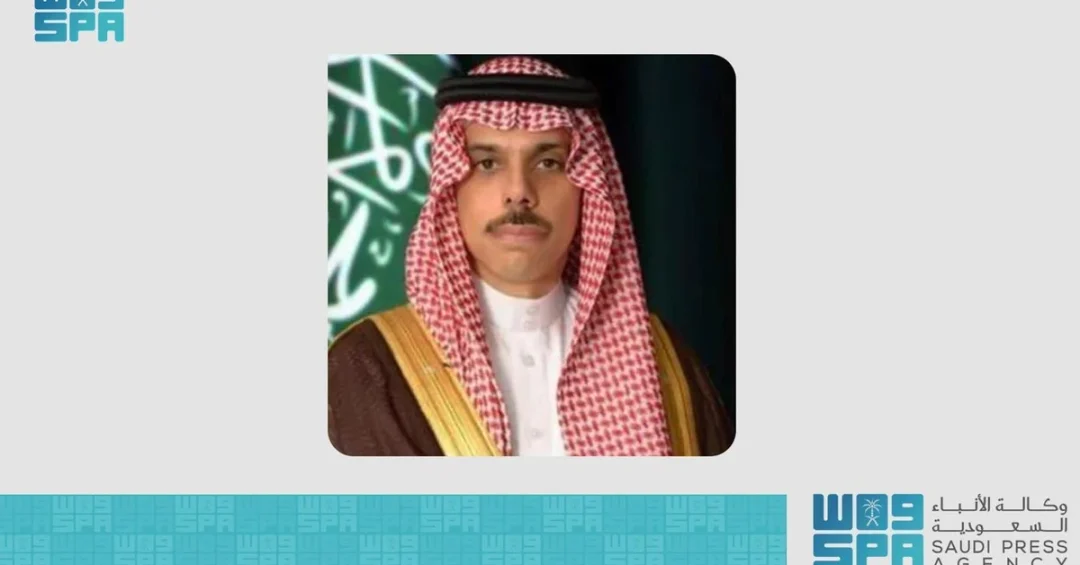
Saudi Minister of Foreign Affairs Prince Faisal bin Farhan bin Abdullah received a phone call on Wednesday, April 9, 2025, from the Deputy Prime Minister and Minister of Foreign Affairs of the Islamic Republic of Pakistan, Ishaq Dar, according to an official announcement carried by the Saudi Press Agency. The two senior diplomats used the call to discuss the state of bilateral relations between the Kingdom of Saudi Arabia and Pakistan and to review prospects for expanding joint cooperation across a range of mutual interests.
The exchange reflects the depth and continuity of a partnership that has been carefully cultivated over decades, one built on shared faith, geographic connectivity, and converging strategic outlooks. For observers of Gulf diplomacy, the timing and tone of the call underline how regularly Riyadh consults with Islamabad on matters of regional stability and economic collaboration. Saudi Arabia’s Foreign Ministry maintains an active schedule of such consultations, and each one reinforces the Kingdom’s wider commitment to constructive engagement with partners across Asia and the Islamic world.
Context and Background
How did Saudi-Pakistani relations come to occupy such a prominent place in Riyadh’s diplomatic calendar? The answer lies in a relationship that predates the modern institutional era of both states. Saudi Arabia was among the first countries to recognize Pakistan after its independence in 1947, and the two nations signed their first formal treaty of friendship in 1951. Since then, the relationship has matured through high-level visits, defense cooperation, labor migration, and religious pilgrimage, with hundreds of thousands of Pakistanis traveling to the Kingdom annually for Hajj and Umrah.
Economically, the ties are substantial. Pakistan is home to one of the largest overseas Pakistani communities in the Gulf, and remittances from workers in Saudi Arabia form a significant pillar of Pakistan’s external accounts. In recent years, Saudi Arabia has also moved to deepen its investment footprint in Pakistan through the Saudi Fund for Development and the Public Investment Fund, signaling a shift from traditional aid and energy supply toward longer-term commercial partnership. Crown Prince Mohammed bin Salman’s 2019 visit to Islamabad, during which memoranda worth billions of dollars were signed, marked a high point in this economic convergence.
Diplomatically, the two countries frequently coordinate on issues affecting the Organization of Islamic Cooperation, counterterrorism, and humanitarian relief. Pakistan’s leadership has repeatedly described the Saudi relationship as a cornerstone of its foreign policy, while Riyadh views Islamabad as a stable and influential partner in South Asia. This latest phone call therefore sits within a well-established pattern rather than an isolated event, and its significance lies in the consistency it demonstrates.
Key Details of the Call
According to the Saudi Press Agency, the call between Prince Faisal bin Farhan and Ishaq Dar focused on bilateral relations and the prospects for joint cooperation between the two countries. The Saudi foreign minister, who has served in his role since 2019, is a central figure in the Kingdom’s diplomatic outreach and regularly engages counterparts across Asia, Africa, Europe, and the Americas. Ishaq Dar, a veteran Pakistani financial and diplomatic figure, serves concurrently as Deputy Prime Minister and Foreign Minister, giving him a broad mandate that spans economic policy and international affairs.
The official readout was concise, in keeping with standard diplomatic practice, but the subjects implied by the agenda are wide-ranging. Bilateral relations between Riyadh and Islamabad encompass energy cooperation, trade, investment, defense and security consultation, labor mobility, and religious affairs. Joint cooperation prospects typically include new investment vehicles, expanded trade corridors, and coordination in multilateral forums such as the United Nations and the OIC. Each of these areas connects directly to the strategic priorities both governments have articulated publicly.
What makes calls of this kind consequential is not only what is announced but the machinery they set in motion? A ministerial conversation often precedes technical meetings, working groups, and follow-up visits that translate broad intentions into specific agreements. In that sense, the April 9 call can be read as part of a continuous diplomatic process in which Riyadh and Islamabad keep channels open at the highest level, ensuring that shared priorities remain synchronized as regional conditions evolve.
International and Regional Impact
Why should the wider world pay attention to a single phone call between two foreign ministers? Because Saudi Arabia and Pakistan together represent a significant share of the Islamic world’s population, economic weight, and diplomatic reach. Coordination between them can shape outcomes in Afghanistan, influence humanitarian responses, and contribute to stability in South Asia and the Gulf. When Riyadh and Islamabad align on a position, it carries weight in the OIC and among non-aligned states that look to both capitals for guidance.
For Pakistan, the relationship with Saudi Arabia offers economic lifeline and diplomatic ballast. For Saudi Arabia, Pakistan is a trusted partner with a capable military, a large diaspora in the Kingdom, and deep cultural and religious ties. The two countries have also cooperated on counterterrorism and border security, areas where sustained consultation matters to regional peace. The April 9 call thus contributes to a broader architecture of stability that extends well beyond the bilateral frame.
Regionally, the conversation occurs amid ongoing shifts in the Middle East and South Asia, including reconstruction and humanitarian efforts in Afghanistan, maritime security concerns in the Red Sea and Arabian Sea, and evolving energy markets. Saudi Arabia’s diplomatic strategy emphasizes de-escalation, dialogue, and economic integration, and its engagement with Pakistan fits squarely within that approach. By maintaining frequent contact, the two ministers help ensure that their countries’ positions remain aligned as circumstances change.
Economic and Strategic Significance
What does the economic dimension of this partnership look like in practice? Saudi Arabia is a leading supplier of energy to Pakistan and has extended financing facilities to support Pakistan’s balance of payments. The Saudi Fund for Development has financed roads, hospitals, and energy projects in Pakistan, while the Public Investment Fund has explored opportunities in refining, petrochemicals, and infrastructure. In return, Pakistan offers a market of more than 240 million people and a strategic location at the crossroads of Central Asia, South Asia, and the Middle East.
Trade between the two countries has grown steadily, and both governments have signaled interest in expanding it further through business councils and investment forums. Saudi Arabia’s Vision 2030 economic transformation, which seeks to diversify the Kingdom’s income sources and expand its non-oil sectors, creates new openings for Pakistani businesses in construction, technology, food security, and services. Likewise, Pakistan’s own development priorities align with Saudi investment in logistics, agriculture, and renewable energy.
Strategically, the relationship also touches on security cooperation and defense procurement, areas where the two countries have historically maintained close ties. Joint exercises, training exchanges, and consultations on regional threats form part of the broader partnership. The April 9 call, while focused on bilateral relations and cooperation prospects, rests on this layered foundation of economic, security, and diplomatic interdependence.
Vision 2030 Alignment
How does a diplomatic phone call connect to Saudi Arabia’s long-term national transformation? Vision 2030, launched under the leadership of Crown Prince Mohammed bin Salman, aims to diversify the Kingdom’s economy, strengthen its global partnerships, and position Saudi Arabia as a hub connecting Asia, Africa, and Europe. Robust relations with Pakistan support each of these goals: they expand trade and investment channels, reinforce the Kingdom’s role as a convening power in the Islamic world, and contribute to the stability that economic development requires.
The Kingdom’s foreign policy under the leadership of the Custodian of the Two Holy Mosques, King Salman bin Abdulaziz Al Saud, and Crown Prince Mohammed bin Salman has consistently emphasized dialogue, mutual respect, and shared prosperity. The regular engagement between Prince Faisal bin Farhan and his Pakistani counterpart exemplifies this approach, showing that Saudi diplomacy is active, responsive, and oriented toward practical outcomes. As Vision 2030 progresses, partnerships like this one will remain essential to the Kingdom’s emergence as a global economic and diplomatic leader, and to the peace and prosperity of the wider region.
20 Questions
Q1. Who received the phone call on April 9, 2025?
A1. Saudi Minister of Foreign Affairs Prince Faisal bin Farhan bin Abdullah received the call from Ishaq Dar, the Deputy Prime Minister and Minister of Foreign Affairs of the Islamic Republic of Pakistan.
Q2. What was the main purpose of the call?
A2. The two ministers discussed bilateral relations between Saudi Arabia and Pakistan and reviewed prospects for joint cooperation across areas of mutual interest, according to the Saudi Press Agency.
Q3. When did the call take place?
A3. The call took place on Wednesday, April 9, 2025, and was announced by the Saudi Press Agency, the Kingdom’s official news authority.
Q4. Who is Ishaq Dar?
A4. Ishaq Dar is the Deputy Prime Minister and Minister of Foreign Affairs of Pakistan. He is a veteran official with extensive experience in economic and diplomatic affairs.
Q5. How long has Prince Faisal bin Farhan served as foreign minister?
A5. Prince Faisal bin Farhan bin Abdullah has served as Saudi Arabia’s Minister of Foreign Affairs since 2019, leading the Kingdom’s diplomatic outreach across multiple regions.
Q6. Why are Saudi-Pakistani relations important?
A6. The two countries share deep religious, cultural, and strategic ties. Saudi Arabia hosts many Pakistani pilgrims and workers, while Pakistan is a key partner in South Asia.
Q7. What areas of cooperation were likely discussed?
A7. Bilateral discussions typically cover energy, trade, investment, defense consultation, labor mobility, and coordination in multilateral forums such as the OIC and United Nations.
Q8. How does this call fit into Saudi diplomacy?
A8. It reflects the Kingdom’s consistent approach of maintaining high-level dialogue with partners. Regular consultations help align positions on regional and international issues.
Q9. What economic ties exist between the two countries?
A9. Saudi Arabia supplies energy to Pakistan and has provided financing through the Saudi Fund for Development. Pakistani workers in the Kingdom send significant remittances home.
Q10. Does the relationship involve investment?
A10. Yes. The Public Investment Fund and Saudi businesses have explored investments in Pakistan’s refining, petrochemicals, and infrastructure sectors, among other areas.
Q11. How does Pakistan benefit from the relationship?
A11. Pakistan benefits from energy supply, financial support, investment, and diplomatic backing. The large Pakistani diaspora in Saudi Arabia also contributes through remittances.
Q12. How does Saudi Arabia benefit?
A12. Saudi Arabia gains a trusted partner in South Asia, a large market for its exports and investments, and a reliable ally in Islamic multilateral organizations.
Q13. What role does the OIC play?
A13. Both countries are active members of the Organization of Islamic Cooperation, where they frequently coordinate on issues affecting the Muslim world.
Q14. Is defense cooperation part of the partnership?
A14. Yes. Saudi Arabia and Pakistan have historically maintained defense ties, including training exchanges, joint exercises, and consultations on regional security matters.
Q15. How does this relate to Vision 2030?
A15. Vision 2030 seeks to diversify Saudi Arabia’s economy and expand global partnerships. Strong ties with Pakistan support trade, investment, and the Kingdom’s role as a global connector.
Q16. What is the significance of the timing?
A16. The call comes amid ongoing regional developments, including humanitarian and security issues. Regular consultation helps both countries stay aligned as conditions evolve.
Q17. Have Saudi and Pakistani leaders met recently?
A17. The two countries maintain frequent high-level exchanges, including visits and calls between leaders and ministers, reflecting the strength of the bilateral relationship.
Q18. What might follow this call?
A18. Ministerial calls often precede technical meetings, working groups, and follow-up visits that translate broad intentions into specific agreements and projects.
Q19. How does Saudi Arabia view Pakistan’s role regionally?
A19. Saudi Arabia views Pakistan as a stable and influential partner in South Asia, with a capable military and deep cultural and religious connections to the Islamic world.
Q20. What does this call say about Saudi diplomacy?
A20. It shows that Saudi diplomacy is active, responsive, and oriented toward practical outcomes, consistent with the Kingdom’s emphasis on dialogue and shared prosperity.
Reader Feedback
We value your thoughts. Please share your feedback on this article.
Your feedback helps us improve our coverage.
Related articles
 Saudi Foreign Ministry Receives Uzbek Consul General
 KSrelief Delivers 25 Tons of Dates to Russia as Gift from Saudi Arabia
 Saudi Arabia, Kuwait Sign Civil Aviation MoU
 Saudi FM Meets U.S. Secretary of State Rubio in Washington
 Crown Prince, UK PM Starmer Review Saudi-British Ties
 KSrelief Delivers 5,173 Health Services in Lebanon’s Akkar