


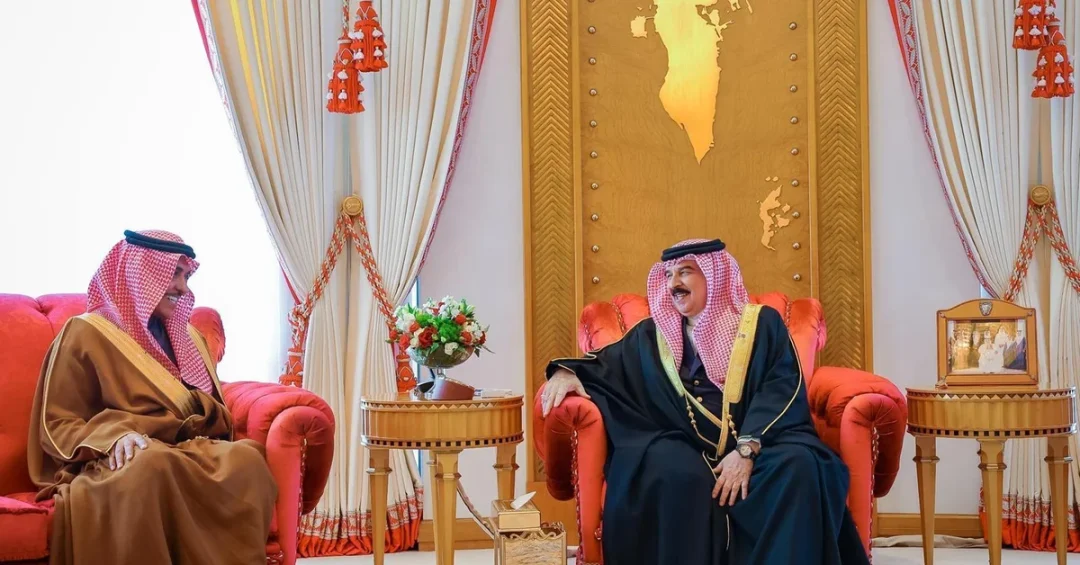
Saudi Minister of Media Salman Al-Dossary made an official visit to the Kingdom of Bahrain on January 30, 2025, co-chairing a meeting of the Saudi-Bahraini Coordination Committee on Culture, Media, Tourism, and Social Development alongside his Bahraini counterpart Dr. Ramzan bin Abdullah Al-Noaimi. The visit, reported by the Saudi Press Agency (SPA), included audiences with King Hamad bin Isa Al Khalifa and Prince Salman bin Hamad Al Khalifa, Crown Prince and Prime Minister of Bahrain, underscoring the enduring strength of Saudi-Bahraini relations and the two kingdoms’ shared commitment to regional cooperation.
During the high-level meetings, officials addressed bilateral relations and explored ways to enhance cooperation across multiple sectors, while exchanging views on issues of mutual interest. Dr. Al-Noaimi expressed appreciation for the visit of the Saudi minister and his accompanying delegation, stressing Bahrain’s keenness to strengthen cooperation with the Kingdom of Saudi Arabia in various fields. The visit reflects the deep, historic ties between the two Gulf neighbors and their joint efforts to advance cultural, media, tourism, and social development under the framework of their longstanding coordination agreement.
Context and Background
How did the Saudi-Bahraini Coordination Committee come to play such a central role in bilateral relations? The committee was established under the Saudi-Bahraini Coordination Council, a framework designed to institutionalize cooperation between the two kingdoms across a wide range of sectors. The Council itself is part of a broader network of joint committees that Saudi Arabia has established with its Gulf Cooperation Council (GCC) partners to ensure regular, structured dialogue at the ministerial level. The Coordination Committee on Culture, Media, Tourism, and Social Development is one of several specialized bodies operating under this umbrella, each tasked with translating high-level political will into tangible projects and initiatives.
The relationship between Saudi Arabia and Bahrain is rooted in shared history, geography, and strategic interests. The two countries are connected by the King Fahd Causeway, a vital land link that facilitates the daily movement of people and goods, and they share a common vision for regional stability and prosperity. Over the years, Saudi-Bahraini ties have expanded far beyond traditional diplomatic and security cooperation to encompass economic integration, cultural exchange, and social development. The Coordination Council serves as the primary vehicle for advancing this multifaceted partnership, with its committees meeting regularly to review progress and identify new areas for collaboration.
In recent years, the cultural, media, tourism, and social dimensions of the bilateral relationship have gained particular prominence. Saudi Arabia’s Vision 2030, the Kingdom’s ambitious blueprint for economic diversification and social transformation, has created new opportunities for cooperation with Bahrain in these fields. Both countries are investing heavily in their creative economies, tourism infrastructure, and media landscapes, and they recognize that collaboration can amplify their individual efforts. The joint committee meeting in Manama is therefore not merely a routine diplomatic engagement but a strategic platform for aligning policies and pooling resources in sectors that are increasingly central to the region’s future.
Key Details of the Visit and Meetings
What exactly transpired during this official visit, and why does it matter for the region? Minister Al-Dossary’s itinerary in Manama was packed with high-level engagements that reflected the importance both kingdoms attach to their bilateral relationship. Upon arrival, he was received by Dr. Al-Noaimi, and the two ministers immediately convened the Coordination Committee meeting. The discussions covered a broad spectrum of topics, including ways to enhance cooperation in media production, cultural exchange programs, joint tourism promotion, and social development initiatives. Participants also reviewed the progress of existing joint projects and explored new avenues for collaboration that could benefit both nations.
Beyond the committee meeting, Minister Al-Dossary held separate talks with his Bahraini counterpart and met with a range of officials and media personalities in the Kingdom of Bahrain. These interactions provided an opportunity to deepen professional networks and discuss practical steps for increasing the flow of information and creative content between the two countries. The Saudi minister’s audience with King Hamad bin Isa Al Khalifa was a particularly significant moment, symbolizing the highest level of political support for the bilateral relationship. The meeting with Prince Salman bin Hamad Al Khalifa, Crown Prince and Prime Minister, further underscored the strategic importance that Bahrain attaches to its ties with Saudi Arabia.
Dr. Al-Noaimi’s expression of appreciation for the visit and his emphasis on Bahrain’s keenness to strengthen cooperation with Saudi Arabia highlight the warmth and mutual respect that characterize the relationship. The exchange of views on issues of mutual interest reflects the two countries’ shared perspectives on regional and international developments. While the specific details of these discussions were not fully disclosed, the fact that they took place at such a high level indicates the depth of coordination between Riyadh and Manama on matters of common concern. The visit concluded with a clear commitment from both sides to continue working closely together across all fields.
International and Regional Impact
Why should the international community pay attention to a bilateral meeting between two Gulf states? The Saudi-Bahraini relationship is a cornerstone of stability in the Gulf region, and any strengthening of ties between the two kingdoms has implications that extend beyond their borders. In a region often characterized by volatility, the Saudi-Bahraini partnership stands as a model of constructive neighborliness and effective cooperation. The coordination committee’s work in culture, media, tourism, and social development contributes to a broader regional narrative of progress and modernization, countering negative stereotypes and showcasing the positive transformations underway in the Gulf.
From a geopolitical perspective, the visit reinforces the unity of the GCC and the alignment of its member states on key issues. Saudi Arabia, as the largest economy in the Arab world and a leading voice in global energy markets, plays a pivotal role in shaping regional dynamics. Bahrain, with its strategic location and longstanding ties to both East and West, complements Saudi Arabia’s efforts to promote stability and prosperity. Their collaboration in soft-power domains such as culture, media, and tourism adds a new dimension to a relationship that has traditionally been defined by security and economic cooperation. This broadening of the partnership reflects a maturing of the bilateral relationship and a recognition that sustainable influence requires engagement across all sectors of society.
Economic and Strategic Significance
What economic benefits can flow from closer cooperation in culture, media, tourism, and social development? The creative and tourism sectors are increasingly recognized as drivers of economic growth and job creation in the Gulf region. Saudi Arabia’s Vision 2030 aims to increase the contribution of tourism to GDP and to develop a vibrant creative economy, and Bahrain has its own economic diversification strategy that emphasizes similar goals. By working together, the two countries can create larger markets for their cultural products, attract more international visitors, and share best practices in areas such as event management, digital media, and heritage preservation.
Joint tourism promotion is a particularly promising area of cooperation. Saudi Arabia is investing heavily in new tourism destinations, including NEOM, the Red Sea Project, and Diriyah, while Bahrain offers a rich cultural heritage and a well-established hospitality sector. A coordinated approach to tourism marketing could encourage visitors to combine trips to both countries, extending their stays and increasing overall spending in the region. Similarly, collaboration in media production and distribution can help both countries amplify their voices on the global stage and counter misinformation. The social development component of the committee’s mandate ensures that these economic gains are accompanied by improvements in quality of life and opportunities for citizens.
Vision 2030 Alignment
How does this visit advance Saudi Arabia’s Vision 2030 objectives? Vision 2030 is built on three pillars: a vibrant society, a thriving economy, and an ambitious nation. The cooperation discussed in Manama touches on all three. In terms of a vibrant society, cultural exchange and social development initiatives enrich the lives of citizens and promote mutual understanding. On the economic front, collaboration in tourism and media supports diversification and creates new opportunities for entrepreneurs and investors. And as an ambitious nation, Saudi Arabia is demonstrating its commitment to regional leadership and constructive international engagement.
The Kingdom’s media sector is undergoing a significant transformation under Vision 2030, with investments in digital infrastructure, content creation, and international partnerships. Minister Al-Dossary’s visit to Bahrain is part of a broader strategy to build bridges with regional and global media players, share expertise, and position Saudi Arabia as a hub for media production and innovation. By chairing the joint committee, he is helping to ensure that the cultural, media, tourism, and social dimensions of Saudi-Bahraini relations keep pace with the rapid changes taking place in both countries. The visit thus serves as a concrete example of how Vision 2030 is being translated into action through international cooperation, strengthening Saudi Arabia’s role as a catalyst for progress in the region and beyond.
20 Questions
Q1. Who visited Bahrain on January 30, 2025?
A1. Saudi Minister of Media Salman Al-Dossary made an official visit to the Kingdom of Bahrain on that date.
Q2. What committee meeting did the Saudi minister co-chair?
A2. He co-chaired the Saudi-Bahraini Coordination Committee on Culture, Media, Tourism, and Social Development with Bahraini counterpart Dr. Ramzan bin Abdullah Al-Noaimi.
Q3. Who is Dr. Ramzan bin Abdullah Al-Noaimi?
A3. Dr. Al-Noaimi is Bahrain’s Minister of Media and the co-chair of the joint committee.
Q4. Which Bahraini leaders did Minister Al-Dossary meet?
A4. He met with King Hamad bin Isa Al Khalifa and Prince Salman bin Hamad Al Khalifa, Crown Prince and Prime Minister of Bahrain.
Q5. What was the purpose of the visit?
A5. The visit aimed to strengthen bilateral relations and enhance cooperation in culture, media, tourism, and social development.
Q6. What is the Saudi-Bahraini Coordination Committee?
A6. It is a joint body established under the Saudi-Bahraini Coordination Council to foster collaboration in specific sectors.
Q7. What did Dr. Al-Noaimi say about the visit?
A7. He expressed appreciation for the visit and stressed Bahrain’s keenness to strengthen cooperation with Saudi Arabia in various fields.
Q8. What topics were discussed at the meeting?
A8. Officials addressed bilateral relations, ways to enhance cooperation, and exchanged views on issues of mutual interest.
Q9. Who else did Minister Al-Dossary meet in Bahrain?
A9. He met with officials and media personalities in the Kingdom of Bahrain.
Q10. When was the Coordination Committee established?
A10. It was established under the Saudi-Bahraini Coordination Council, which was formed to institutionalize bilateral cooperation.
Q11. What is the significance of the King Fahd Causeway?
A11. It is a vital land link between Saudi Arabia and Bahrain that facilitates the movement of people and goods.
Q12. How does this visit relate to Saudi Vision 2030?
A12. It supports Vision 2030 goals in culture, media, tourism, and social development, aligning with the pillars of a vibrant society and thriving economy.
Q13. What economic benefits could result from this cooperation?
A13. It can boost tourism, create jobs, and expand markets for cultural and media products in both countries.
Q14. How does this visit impact regional stability?
A14. It reinforces GCC unity and demonstrates a model of constructive neighborliness, contributing to regional stability.
Q15. What is the role of the Saudi Press Agency in reporting this?
A15. SPA, the official Saudi news agency, reported the visit and the key details of the meetings.
Q16. What are the main areas of cooperation under the committee?
A16. The committee focuses on culture, media, tourism, and social development.
Q17. How often does the committee meet?
A17. The committee meets regularly to review progress and identify new areas for collaboration.
Q18. What is the broader context of Saudi-Bahraini relations?
A18. The two countries share deep historical, geographic, and strategic ties, and cooperate closely within the GCC framework.
Q19. What did the officials exchange views on?
A19. They exchanged views on several issues of mutual interest, reflecting their shared perspectives on regional and international developments.
Q20. What is the expected outcome of this visit?
A20. The visit is expected to deepen cooperation and lead to new joint initiatives in culture, media, tourism, and social development.
Reader Feedback
We value your thoughts. Please share your feedback on this article.
Your feedback helps us improve our coverage.
Related articles
 GCC Chief Offers Condolences on Washington Airplane-Helicopter Collision
 Saudi-Bahraini Committee Meets in Manama on Culture, Media
 Italian President Receives MWL Secretary-General in Rome
 KSrelief Distributes Food Aid to Returning Displaced Palestinians in Northern Gaza
 HRDF, Global Delegations at GLMC 2025 Discuss Collaboration
 Saudi Media Forum Links Talent with Netflix, Sony