


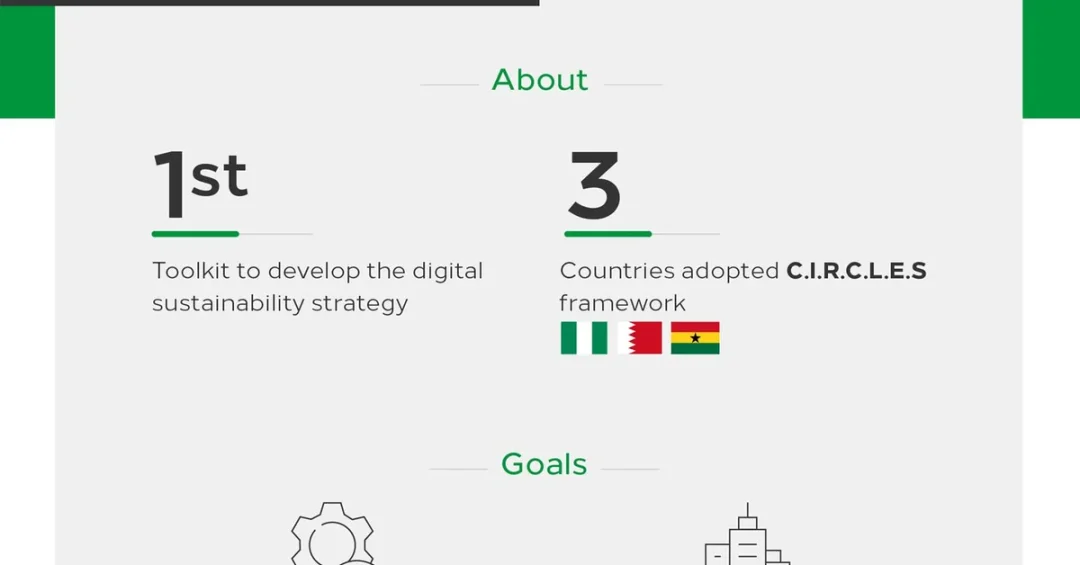
The Communications, Space and Technology Commission (CST) of Saudi Arabia, in partnership with the Digital Cooperation Organization (DCO), officially launched the “Digital Sustainability Toolkit” during the World Summit on the Information Society (WSIS+20) in Riyadh on May 27, 2024. This initiative aligns with global sustainable development goals, which rely on digital technologies by 70%, and aims to empower digital regulators worldwide to craft effective digital sustainability strategies.
Context and Background
The launch took place at the WSIS+20 forum, a significant global gathering focused on information society and digital cooperation. The toolkit serves as a practical guide for regulators and policymakers, offering a structured approach to integrate sustainability into digital transformation efforts. By partnering with the DCO, an international organization dedicated to advancing digital cooperation, the CST underscores Saudi Arabia’s proactive role in shaping a digitally sustainable future.
Key Details
The toolkit comprises five detailed steps to develop a digital sustainability strategic framework. These steps begin with raising awareness and understanding best practices, then proceed to developing a tailored strategy, aligning with relevant stakeholders, and ultimately implementing the framework. This comprehensive approach ensures that all needs are met, enabling regulators to address environmental, social, and economic challenges through digital solutions. The toolkit is accessible online at this link, providing a resource for global adoption.
Implications and Impact
This initiative reflects Saudi Arabia’s commitment to investing in the green economy and addressing climate change through digital innovation. By exchanging expertise and adopting best practices, the Kingdom is setting a precedent for sustainable digital governance. The toolkit has the potential to influence international policy, encouraging other nations to leverage technology for sustainable development. It also strengthens the Kingdom’s position as a leader in digital transformation and environmental stewardship.
Vision 2030 Alignment
This launch is a testament to the Kingdom’s Vision 2030 goals of economic diversification, technological advancement, and environmental sustainability. By supporting digital sustainability, Saudi Arabia is building a resilient digital infrastructure that contributes to long-term prosperity and aligns with global climate commitments. The toolkit exemplifies how digital innovation can drive sustainable growth, positioning the Kingdom as a hub for green technology and international cooperation.
20 Questions
Q1. What is the Digital Sustainability Toolkit?
A1. The Digital Sustainability Toolkit is a practical resource developed by CST and DCO to guide digital regulators in creating strategies that integrate sustainability into digital transformation, helping achieve Sustainable Development Goals through technology.
Q2. Which organizations partnered to launch this toolkit?
A2. The toolkit was launched in partnership between Saudi Arabia’s Communications, Space and Technology Commission (CST) and the Digital Cooperation Organization (DCO), an international body focused on advancing digital cooperation among nations.
Q3. When and where was the toolkit launched?
A3. The toolkit was launched on May 27, 2024, during the World Summit on the Information Society (WSIS+20) held in Riyadh, Saudi Arabia, marking a significant moment for global digital sustainability.
Q4. What is the significance of the WSIS+20 summit?
A4. WSIS+20 is a major international forum reviewing progress on information society goals and digital cooperation. Hosting it in Riyadh highlights Saudi Arabia’s growing role in shaping global digital policy and sustainable technology.
Q5. How does the toolkit support the Sustainable Development Goals (SDGs)?
A5. The toolkit provides a framework for digital regulators to align their policies with SDGs, leveraging digital technologies to address challenges like poverty, inequality, and climate change, thereby accelerating progress toward global targets.
Q6. What percentage of SDGs rely on digital technologies?
A6. According to the official release, 70% of the Sustainable Development Goals rely heavily on digital technologies. The toolkit helps harness this potential by guiding regulators to develop sustainability strategies.
Q7. What is the main purpose of the toolkit for digital regulators?
A7. The primary purpose is to enable digital regulators worldwide to develop a comprehensive digital sustainability strategy, ensuring that technology contributes positively to environmental, social, and economic sustainability.
Q8. What are the five steps outlined in the toolkit?
A8. The five steps are: raising awareness, understanding best practices, developing a tailored strategy, aligning with relevant stakeholders, and implementing the framework. These steps provide a systematic path to digital sustainability.
Q9. How does the toolkit raise awareness among stakeholders?
A9. The toolkit begins by emphasizing the importance of awareness, encouraging regulators to educate themselves and their stakeholders about digital sustainability, its benefits, and the role of technology in achieving it.
Q10. What is the role of the Digital Cooperation Organization (DCO)?
A10. The DCO is an international organization that fosters digital cooperation among member states. In this initiative, DCO partners with CST to promote best practices and facilitate the adoption of digital sustainability strategies globally.
Q11. How does this initiative reflect Saudi Arabia’s commitment to the green economy?
A11. By launching this toolkit, Saudi Arabia demonstrates its dedication to investing in a green economy, addressing climate change through digital innovation, and exchanging expertise to build a sustainable society, aligning with national environmental goals.
Q12. How does the toolkit help address climate change?
A12. The toolkit encourages the use of digital technologies to monitor, reduce, and manage environmental impact. It provides a framework for regulators to implement policies that leverage data and tech for climate action.
Q13. Can other countries access and use the toolkit?
A13. Yes, the toolkit is publicly accessible online, allowing digital regulators and policymakers from any country to use its guidelines and adapt them to their national contexts, fostering global digital sustainability.
Q14. What is the link to access the toolkit?
A14. The toolkit can be accessed at https://www.cst.gov.sa/sl/k71, where interested parties can download and review the full guidelines and steps.
Q15. How does this launch align with Saudi Vision 2030?
A15. The launch supports Vision 2030’s goals of economic diversification, technological advancement, and environmental sustainability. It positions Saudi Arabia as a leader in digital innovation and green economy, key pillars of the vision.
Q16. What benefits does digital sustainability bring to society?
A16. Digital sustainability helps reduce environmental footprints, improves efficiency, fosters innovation, and ensures equitable access to technology, ultimately leading to a more resilient and inclusive society.
Q17. How does the toolkit encourage international cooperation?
A17. By providing a common framework and sharing best practices, the toolkit promotes cross-border collaboration among regulators, enabling them to work together on digital sustainability challenges and solutions.
Q18. What is the role of the Communications, Space and Technology Commission (CST)?
A18. CST is the Saudi regulator for communications, space, and technology. It leads digital transformation in the Kingdom and, through this initiative, extends its expertise to help shape global digital sustainability policies.
Q19. How can regulators implement the toolkit effectively?
A19. Regulators can implement the toolkit by following its five-step approach, adapting each step to their specific national context, engaging stakeholders, and ensuring alignment with existing digital and sustainability strategies.
Q20. What future impact does the toolkit have on global digital policy?
A20. The toolkit is expected to influence global digital policy by offering a standardized approach to sustainability, encouraging more nations to integrate digital technology into their sustainability plans, and fostering international cooperation.
Reader Feedback
We value your thoughts. Please share your feedback on this article.
Your feedback helps us improve our coverage.