


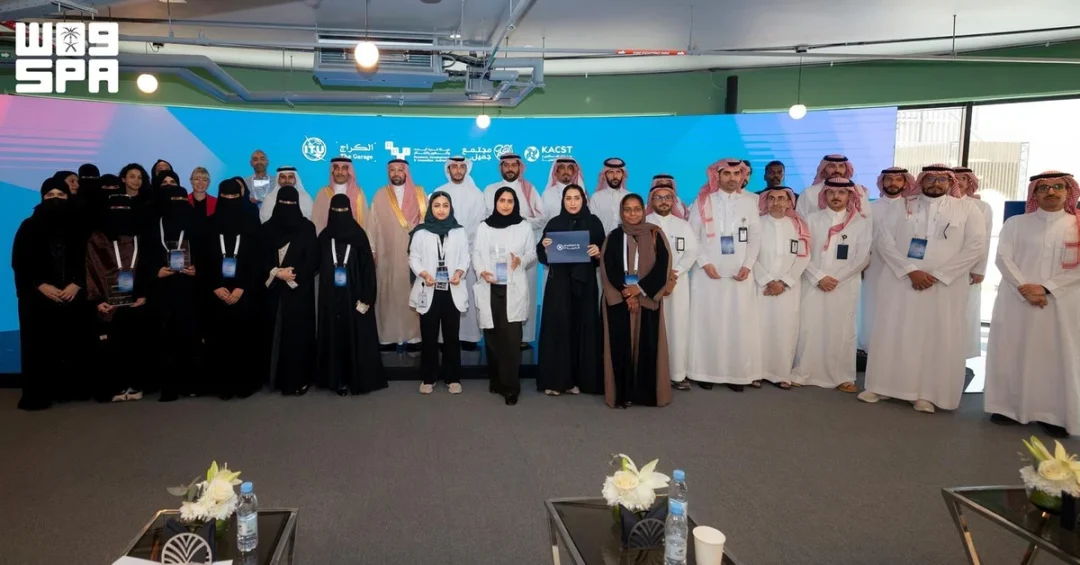
The King Abdulaziz City for Science and Technology (KACST), in partnership with the Research, Development and Innovation Authority (RDIA) and Community Jameel Saudi, celebrated the graduation of the first cohort of the Accelerating Research to Commercialization (ARC) Program on September 17, 2026, at The Garage in Riyadh. The ceremony was attended by Dr. Munir Eldesouki, President of KACST and Acting Governor of RDIA, along with leaders from the research, development, and innovation sector. The event marked a significant milestone in Saudi Arabia’s efforts to transform scientific research into commercially viable products and services.
Context and Background
The ARC Program is a key initiative under Saudi Arabia’s national innovation ecosystem, designed to empower researchers and innovators to bridge the gap between laboratory discoveries and market-ready solutions. It aligns with the Kingdom’s Vision 2030 objectives to diversify the economy and increase the contribution of the knowledge-based sector to GDP. The first cohort comprised 12 selected research projects from six national entities: KACST, King Abdulaziz University, Umm Al-Qura University, Princess Nourah bint Abdulrahman University, Imam Abdulrahman Bin Faisal University, and King Fahad Medical City. These projects spanned critical fields including health technologies, biomedicine, environmental sustainability, energy solutions, artificial intelligence, the Internet of Things, drones, and advanced materials.
Key Details
During the ceremony, Omar Alhusseini, KACST General Manager of Commercialization and Technology Transfer, announced the launch of the second edition of the ARC Program, which will feature 25 research teams. The program’s methodology focuses on validating market assumptions and building business models, guiding researchers to engage with potential customers to identify needs and test solutions. Alhusseini highlighted the success of the first edition, stating: “Today, we celebrate the conclusion of the first edition, following more than 500 customer interviews conducted by the teams and more than 80 training and mentoring sessions. Four teams went on to establish startups, two teams pursued technology licensing, and the top three projects joined the Jameel DeepTech initiative.” The ceremony also featured presentations of participating projects, including a smart platform for assessing and rehabilitating sensory and neurological disorders, a platform for treating food allergies in children, an application for analyzing chronic wounds and monitoring their healing, oral insulin pills as an alternative to injections, a radiation-free thermal imaging system for breast health screening, a fuel management system for transport fleets, and a 3D-printed filter for sand control in water and oil wells.
Implications and Impact
The graduation of the first ARC cohort and the launch of the second edition underscore Saudi Arabia’s commitment to fostering a vibrant innovation ecosystem. By supporting researchers in commercializing their deep-tech solutions, the program not only accelerates the translation of research into economic value but also contributes to the creation of high-quality jobs in innovation and technology transfer. This initiative strengthens the Kingdom’s position as a regional hub for research and development, attracting talent and investment. The diverse range of projects, from health technologies to environmental solutions, demonstrates the potential for Saudi innovations to address both local and global challenges, enhancing the Kingdom’s international competitiveness.
Vision 2030 Alignment
The ARC Program is a direct enabler of Saudi Vision 2030, which seeks to build a knowledge-based economy and reduce dependence on oil. By increasing the commercialization of scientific research, the program supports the diversification of income sources, boosts non-oil GDP, and positions Saudi Arabia as a leader in technology and innovation. As the second edition expands to 25 teams, the program will further empower researchers and innovators to transform their ideas into market-ready solutions, driving sustainable economic growth and reinforcing the Kingdom’s global role in advancing science and technology.
20 Questions
Q1. What is the ARC Program?
A1. The ARC Program, or Accelerating Research to Commercialization, is an initiative by KACST, RDIA, and Community Jameel Saudi to help researchers turn scientific projects into commercial products. It provides training, mentorship, and market validation support to bridge the gap between research and the market.
Q2. When and where was the first cohort graduation held?
A2. The graduation ceremony took place on September 17, 2026, at The Garage in Riyadh. It was attended by Dr. Munir Eldesouki, President of KACST and Acting Governor of RDIA, along with other leaders in the research and innovation sector.
Q3. How many projects were in the first cohort?
A3. The first cohort included 12 research projects. These projects were selected from six national entities and covered diverse fields such as health technologies, artificial intelligence, and environmental sustainability.
Q4. Which entities were represented in the first cohort?
A4. The projects came from KACST, King Abdulaziz University, Umm Al-Qura University, Princess Nourah bint Abdulrahman University, Imam Abdulrahman Bin Faisal University, and King Fahad Medical City. These institutions contributed cutting-edge research across multiple disciplines.
Q5. What fields did the projects cover?
A5. The projects spanned health technologies, biomedicine, environmental sustainability, energy solutions, artificial intelligence, the Internet of Things, drones, and advanced materials. This range reflects the program’s broad support for deep-tech innovation.
Q6. What did Omar Alhusseini announce during the ceremony?
A6. Omar Alhusseini, KACST General Manager of Commercialization and Technology Transfer, announced the launch of the second edition of the ARC Program. This edition will feature 25 research teams and continue the mission to commercialize research.
Q7. What were the key achievements of the first cohort?
A7. The first cohort conducted over 500 customer interviews and more than 80 training and mentoring sessions. Four teams established startups, two pursued technology licensing, and the top three projects joined the Jameel DeepTech initiative.
Q8. What is the Jameel DeepTech initiative?
A8. The Jameel DeepTech initiative is a program by Community Jameel Saudi that supports deep-technology startups. The top three projects from the ARC Program were selected to join this initiative, gaining further support to scale their innovations.
Q9. What is the methodology of the ARC Program?
A9. The program guides researchers to validate market assumptions, build business models, and engage with potential customers. It emphasizes testing solutions with actual users to ensure the technology meets market needs.
Q10. How many teams are in the second edition?
A10. The second edition of the ARC Program will feature 25 research teams. This expansion reflects the program’s success and growing demand from researchers seeking to commercialize their work.
Q11. What types of projects were presented at the ceremony?
A11. Projects included a smart platform for sensory and neurological disorders, a food allergy treatment platform, a chronic wound analysis app, oral insulin pills, a radiation-free breast screening system, a fuel management system, and a 3D-printed sand filter.
Q12. How does the ARC Program support Saudi Vision 2030?
A12. The program supports Vision 2030 by fostering a knowledge-based economy, creating high-quality jobs, and increasing the contribution of innovation to GDP. It helps diversify the economy away from oil dependence.
Q13. What role does RDIA play in the ARC Program?
A13. The Research, Development and Innovation Authority (RDIA) partners with KACST and Community Jameel Saudi to support the ARC Program. RDIA helps align the program with national research and innovation strategies.
Q14. What is Community Jameel Saudi’s involvement?
A14. Community Jameel Saudi is a partner in the ARC Program and also runs the Jameel DeepTech initiative. It provides resources and mentorship to help deep-tech startups succeed.
Q15. What is The Garage?
A15. The Garage is a innovation hub in Riyadh where the graduation ceremony was held. It serves as a space for startups, researchers, and innovators to collaborate and grow their ideas.
Q16. How does the ARC Program measure project readiness?
A16. The program uses Technology Readiness Levels (TRLs) to assess projects from early to advanced stages. This helps determine their readiness for commercialization and identify the support needed.
Q17. What benefits do researchers gain from the ARC Program?
A17. Researchers receive training, mentoring, and support to validate their market assumptions, build business models, and connect with customers. This increases their chances of successfully launching products or startups.
Q18. What is the significance of the first cohort’s graduation?
A18. It marks a major milestone in Saudi Arabia’s efforts to commercialize research. The success of the first cohort demonstrates the effectiveness of the ARC Program in turning scientific ideas into viable businesses.
Q19. How does the ARC Program contribute to job creation?
A19. By helping researchers launch startups and license technologies, the program creates high-quality jobs in innovation and technology transfer. This supports economic growth and diversifies the job market.
Q20. What is the future outlook for the ARC Program?
A20. With the launch of the second edition featuring 25 teams, the program is expanding its impact. It will continue to empower innovators, drive commercialization, and strengthen Saudi Arabia’s position as a leader in research and development.
Reader Feedback
We value your thoughts. Please share your feedback on this article.
Your feedback helps us improve our coverage.