


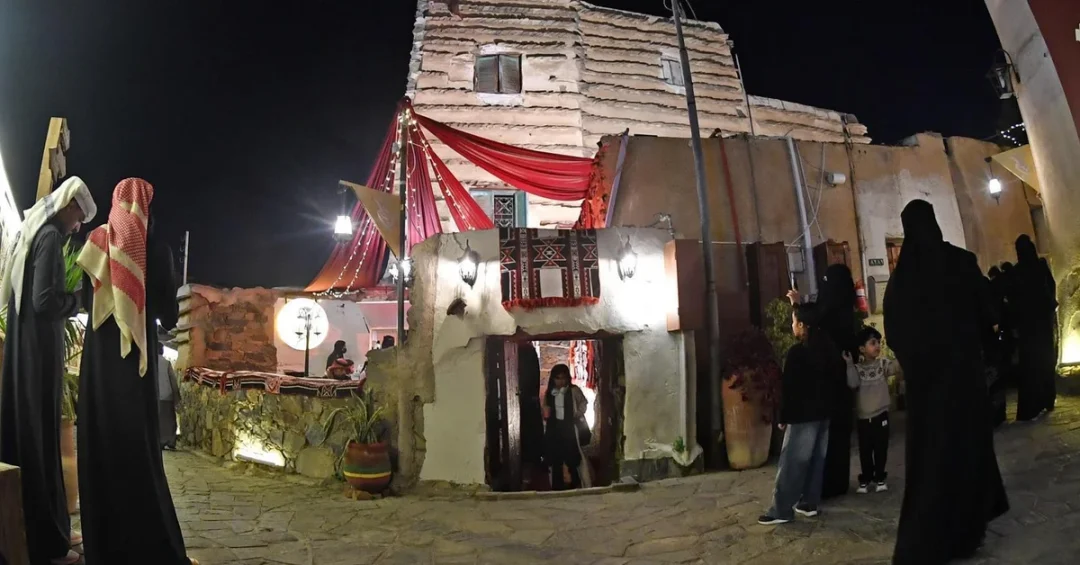
During the holy month of Ramadan, the heritage villages of Aseer Region have become vibrant hubs of cultural and spiritual activity, drawing residents and visitors to their historic forts, castles, and mosques. According to the Saudi Press Agency (SPA), these villages offer a unique blend of tradition and community, with leisurely strolls, quality time, and a variety of Ramadan events and activities. The ancient architectural style of these villages, which embodies Aseer’s historical and cultural legacy, forms a vital part of the national identity and continues to attract tourists from across the Kingdom and beyond. As the sun sets and the call to prayer echoes through the mountains, these heritage sites come alive with the spirit of Ramadan, offering a glimpse into Saudi Arabia’s rich past and its promising future.
The Ramadan nights in Aseer are not just about fasting and prayer; they are a celebration of community and heritage. Homeowners in these villages have transformed their properties into charming rural inns and restaurants, offering traditional cuisine and beverages that reflect the region’s culinary heritage. This initiative not only provides visitors with an authentic experience but also supports the local economy and preserves cultural traditions. Have you ever wondered how heritage sites can be revitalized to serve modern needs while maintaining their historical integrity? Aseer’s approach demonstrates a successful model of cultural preservation and economic development, aligning with the Kingdom’s Vision 2030 goals of promoting tourism and celebrating Saudi heritage.
Context and Background
Aseer Region, located in the southwestern part of Saudi Arabia, is renowned for its stunning mountainous landscapes and rich cultural heritage. The region’s heritage villages, with their distinctive stone and mud-brick architecture, date back centuries and serve as a testament to the ingenuity and craftsmanship of earlier generations. These villages are not merely historical relics; they are living communities that continue to play a vital role in the social and cultural fabric of the region. During Ramadan, they become focal points for communal gatherings, religious observances, and cultural exchange, reflecting the timeless values of hospitality and generosity that are central to Saudi culture. How does the preservation of such sites contribute to a nation’s sense of identity and continuity? By maintaining and promoting these heritage villages, Saudi Arabia ensures that future generations remain connected to their roots while embracing modernity.
The significance of Aseer’s heritage villages extends beyond their architectural beauty. They are repositories of traditional knowledge, including ancient agricultural practices, handicrafts, and folklore. The Ramadan activities organized in these villages, such as seminars, lectures, and evening gatherings, provide platforms for sharing this knowledge with a wider audience. Visitors can learn about the region’s history, social customs, and traditional industries, gaining a deeper appreciation for the cultural diversity within the Kingdom. This educational aspect is crucial for fostering cultural awareness and pride, both among Saudis and international visitors. In a rapidly changing world, such initiatives help safeguard intangible cultural heritage and ensure its transmission to future generations. What role can cultural tourism play in bridging understanding between different communities? Aseer’s Ramadan nights exemplify how cultural tourism can create meaningful connections and promote mutual respect.
Key Details
The Ramadan events in Aseer’s heritage villages are diverse and engaging, catering to a wide range of interests. According to SPA, several villages have hosted Ramadan seminars and lectures focusing on cultural heritage, social customs, and the region’s history. These sessions are led by local historians, cultural experts, and community leaders, offering valuable insights into Aseer’s past and present. Museums and exhibitions within the villages highlight traditional folklore, including handicrafts, ancient agricultural tools, and local industries. Visitors can observe artisans at work, learning about techniques that have been passed down through generations. The evenings are filled with the sounds of traditional music and the aroma of local cuisine, creating a multisensory experience that immerses visitors in the region’s culture. How often do we get the chance to step back in time and experience history firsthand? These heritage villages offer precisely that opportunity, making history accessible and enjoyable for all ages.
Homeowners in the villages have played a pivotal role in this cultural revival. By converting their properties into rural inns and restaurants, they have created comfortable spaces where visitors can relax and savor traditional dishes. These establishments often feature local specialties such as Aseeri honey, fresh dairy products, and hearty stews, providing a taste of authentic Saudi hospitality. The income generated from these ventures supports local families and encourages further investment in heritage conservation. This community-driven approach ensures that the benefits of tourism are widely shared and that cultural preservation is sustainable. What can other regions learn from Aseer’s model of community-based tourism? It demonstrates that when local communities are empowered to share their heritage, both culture and economy thrive.
International and Regional Impact
The revival of Aseer’s heritage villages during Ramadan has implications beyond the region. It showcases Saudi Arabia’s commitment to preserving its cultural heritage while opening up to the world. As the Kingdom continues to implement Vision 2030, which aims to diversify the economy and promote tourism, initiatives like these attract international visitors seeking authentic cultural experiences. The positive image projected by such events enhances Saudi Arabia’s soft power and fosters cross-cultural dialogue. Regional tourists, particularly from neighboring Gulf countries, are also drawn to Aseer’s unique blend of tradition and modernity. This influx of visitors stimulates local businesses and creates opportunities for cultural exchange. How does cultural diplomacy contribute to international relations? By sharing its heritage, Saudi Arabia builds bridges of understanding and cooperation with other nations.
Moreover, the success of Aseer’s Ramadan nights serves as a model for other regions in the Kingdom. It demonstrates that heritage tourism can be a powerful tool for economic development and social cohesion. The integration of traditional architecture with modern amenities, such as comfortable inns and restaurants, shows how to balance preservation with progress. This approach aligns with global trends in sustainable tourism, where travelers seek authentic experiences that benefit local communities. International organizations, such as UNESCO, have recognized the importance of such initiatives for safeguarding cultural heritage. Saudi Arabia’s efforts in Aseer could inspire similar projects across the Middle East and beyond. What makes a destination truly memorable? Often, it is the people and their stories, which Aseer’s heritage villages share generously.
Economic and Strategic Significance
Economically, the Ramadan activities in Aseer’s heritage villages contribute to local and national growth. The tourism sector is a key pillar of Vision 2030, and cultural tourism is a significant component. By attracting visitors to Aseer, these events generate revenue for local businesses, create jobs, and stimulate demand for traditional crafts and products. The transformation of homes into inns and restaurants represents a form of entrepreneurship that empowers residents and diversifies income sources. This is particularly important in rural areas, where economic opportunities may be limited. The strategic location of Aseer, near the Red Sea and with easy access to major cities, makes it an ideal destination for both domestic and international tourists. How can tourism drive economic diversification? Aseer’s experience shows that by leveraging cultural assets, regions can build resilient economies.
Furthermore, the emphasis on heritage preservation aligns with Saudi Arabia’s broader goals of sustainable development. By restoring and maintaining historic structures, the Kingdom invests in its cultural capital, which can yield long-term benefits. The Ramadan events also promote social cohesion by bringing together people from different backgrounds to share in the spirit of the holy month. This fosters a sense of unity and pride in national identity. The economic impact extends to supporting artisans, farmers, and other local producers who supply the villages with goods and services. As more visitors discover Aseer’s charms, the region is poised to become a leading cultural destination in Saudi Arabia. What role does government support play in such initiatives? The Saudi government, through various agencies, provides funding and regulatory support to ensure the success of heritage tourism projects.
Vision 2030 Alignment
The flourishing of Aseer’s heritage villages during Ramadan is a clear manifestation of Saudi Vision 2030, the ambitious plan to transform the Kingdom’s economy and society. Vision 2030 emphasizes the importance of preserving cultural heritage and promoting tourism as a means to diversify revenue and create jobs. The development of heritage villages into tourist attractions directly supports these objectives. It also aligns with the Quality of Life Program, which aims to enhance the lives of citizens and residents by providing cultural and recreational opportunities. By investing in heritage tourism, Saudi Arabia not only preserves its past but also builds a sustainable future. How does honoring tradition help a nation progress? It provides a foundation of identity and pride that fuels innovation and growth.
In conclusion, the Ramadan nights in Aseer’s heritage villages are a shining example of how Saudi Arabia is successfully blending tradition with modernity. They offer a unique experience that celebrates the Kingdom’s rich history while contributing to its economic and social development. As Vision 2030 continues to unfold, such initiatives will play an increasingly important role in showcasing Saudi Arabia’s cultural treasures to the world. The warmth and hospitality of the Aseeri people, combined with the timeless beauty of their heritage, create an unforgettable experience for all who visit. What better way to experience the true spirit of Ramadan than by immersing oneself in the living heritage of Aseer? This Ramadan, and for many years to come, the heritage villages of Aseer stand as beacons of culture, community, and progress.
20 Questions
Q1. What makes Aseer’s heritage villages special during Ramadan?
A1. During Ramadan, Aseer’s heritage villages come alive with events, seminars, and gatherings that showcase the region’s unique architecture, culture, and traditions, attracting both residents and tourists.
Q2. How have homeowners in Aseer contributed to the Ramadan experience?
A2. Homeowners have transformed their properties into rural inns and restaurants, offering traditional cuisine and beverages, which enhances the visitor experience and supports the local economy.
Q3. What types of activities are held in the heritage villages during Ramadan?
A3. Activities include Ramadan seminars, lectures, evening gatherings, museum exhibitions, and displays of traditional folklore such as handicrafts and ancient agricultural tools.
Q4. Why is the architectural style of Aseer’s villages significant?
A4. The forts, castles, and mosques embody Aseer’s historical and cultural legacy, forming a vital part of Saudi national identity and attracting tourists interested in heritage.
Q5. How does the Ramadan revival in Aseer align with Vision 2030?
A5. It supports Vision 2030 by promoting cultural tourism, preserving heritage, creating economic opportunities, and enhancing the quality of life, all key objectives of the plan.
Q6. What economic benefits do the heritage villages bring to the local community?
A6. They generate income for homeowners, create jobs, stimulate demand for local products, and support artisans and farmers, contributing to sustainable development in the region.
Q7. What can visitors learn from the seminars and lectures held in the villages?
A7. Visitors can learn about Aseer’s cultural heritage, social customs, history, and traditional industries, gaining a deeper appreciation for the region’s rich past.
Q8. How does the preservation of heritage villages contribute to national identity?
A8. By maintaining these sites, Saudi Arabia keeps its history alive, fostering pride and a sense of continuity among citizens and showcasing its culture to the world.
Q9. What role do museums and exhibitions play in the Ramadan events?
A9. Museums and exhibitions highlight traditional folklore, handicrafts, and agricultural tools, providing educational and cultural enrichment for visitors of all ages.
Q10. How does Aseer’s initiative impact international tourism?
A10. It attracts international visitors seeking authentic cultural experiences, enhances Saudi Arabia’s soft power, and promotes cross-cultural understanding and dialogue.
Q11. What is the significance of the rural inns and restaurants in the villages?
A11. They offer comfortable accommodations and traditional cuisine, allowing visitors to immerse themselves in local hospitality while supporting the local economy.
Q12. How does the Ramadan revival in Aseer reflect Saudi hospitality?
A12. It showcases the warmth and generosity of the Aseeri people, who welcome visitors to share in their traditions, food, and celebrations during the holy month.
Q13. What types of traditional cuisine can visitors expect in Aseer?
A13. Visitors can enjoy local specialties such as Aseeri honey, fresh dairy products, hearty stews, and other dishes that reflect the region’s culinary heritage.
Q14. How does the initiative support local artisans and craftspeople?
A14. By providing markets for their products and opportunities to demonstrate their skills, the initiative helps sustain traditional crafts and generates income for artisans.
Q15. What makes Aseer a unique destination for cultural tourism?
A15. Its stunning mountainous landscapes, distinctive architecture, and rich traditions offer a unique blend of natural beauty and cultural depth that appeals to a wide range of travelers.
Q16. How can other regions in Saudi Arabia replicate Aseer’s success?
A16. They can adopt community-based tourism models, invest in heritage restoration, and create cultural events that engage both locals and visitors, tailored to their unique assets.
Q17. What is the government’s role in supporting heritage tourism in Aseer?
A17. The government provides funding, regulatory support, and promotional assistance through agencies like the Ministry of Tourism and the Saudi Tourism Authority.
Q18. How do the Ramadan nights in Aseer promote social cohesion?
A18. They bring together people from diverse backgrounds to share in religious and cultural activities, fostering unity, mutual respect, and a sense of community.
Q19. What long-term benefits can Aseer expect from these cultural initiatives?
A19. Long-term benefits include sustainable economic growth, job creation, enhanced cultural preservation, and a strengthened position as a leading tourist destination in Saudi Arabia.
Q20. Why should international visitors consider Aseer for their next trip?
A20. Aseer offers an authentic Saudi experience with its heritage villages, warm hospitality, and breathtaking scenery, making it an ideal destination for cultural exploration and relaxation.
Reader Feedback
We value your thoughts. Please share your feedback on this article.
Your feedback helps us improve our coverage.
Related articles
 Madinah’s Rural Farms Offer Unique Ramadan Experience
 Five Sites in Prophet’s Mosque Enrich Visitors’ Experience
 Madinah Governor Opens New Premium Airport Lounge
 AlManshiyah Farmers Market: AlUla’s Heritage Hub
 AlUla’s Old Town: Stories of a Bygone Era Told by Locals
 Makkah’s Address Walkway: A New Era of Culture and Commerce