


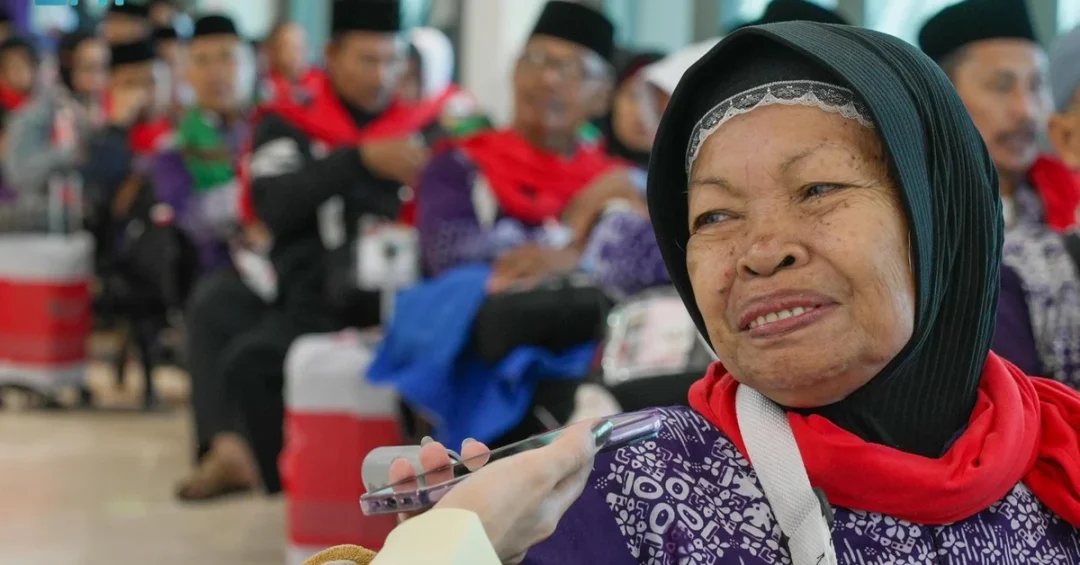
An Indonesian pilgrim’s six-decade journey to Makkah highlights the transformative ease and safety of performing Hajj and Umrah in the Kingdom of Saudi Arabia today. Maryam Muhammad Munir, now 66, first traveled from Indonesia to Makkah in 1964 at the age of six, and has since returned 22 times for Umrah and Hajj. Her recollections, shared with the Saudi Press Agency (SPA) at the Makkah Route Initiative hall at Surabaya Airport, underscore the profound changes that now facilitate pilgrimages for millions worldwide.
Context and Background
In the 1960s, the journey from Indonesia to Saudi Arabia was a daunting multi-month ordeal. Pilgrims like Maryam and her family sailed from Jakarta on primitive ships, passing through India, the Arabian Sea, and the Red Sea before reaching Jeddah. The trip could take anywhere from five to eight months, fraught with dangers and challenges. Maryam recounted the fear and hardships, but her family’s deep commitment to fulfilling their religious obligation gave them strength.
Key Details
Maryam described the traditional Indonesian farewell rituals, where pilgrims gathered in Jakarta to bid family and friends goodbye. Upon their return, families celebrated with gifts and rejoiced at the safe completion of their spiritual duty. She noted that today’s pilgrims travel with unprecedented ease, thanks to initiatives like the Makkah Route Initiative, which streamlines visa, customs, and immigration procedures at departure points. Maryam expressed heartfelt gratitude to the Saudi leadership for their relentless efforts to serve pilgrims from around the world.
Implications and Impact
The evolution from months-long sea voyages to swift, comfortable air travel reflects Saudi Arabia’s commitment to enhancing the pilgrim experience. The Makkah Route Initiative, a key part of Vision 2030, exemplifies how the Kingdom leverages technology and investment to ease the journey for millions. As Maryam observed, the increasing number of pilgrims is a direct result of these improvements, reinforcing Saudi Arabia’s role as the guardian of Islam’s holiest sites and a hub of global connectivity.
Vision 2030 Alignment
Maryam’s story is a testament to Saudi Arabia’s ongoing transformation under Vision 2030, which prioritizes the service of pilgrims and visitors. By modernizing transportation, digitalizing processes, and investing in infrastructure, the Kingdom aims to host 30 million Umrah pilgrims annually by 2030. Her journey from a perilous sea voyage to a smooth, facilitated entry embodies the spirit of Vision 2030, ensuring that the spiritual aspirations of Muslims worldwide are fulfilled in comfort and dignity.
20 Questions
Q1. Who is Maryam Muhammad Munir?
A1. Maryam Muhammad Munir is an Indonesian pilgrim who first performed Hajj in 1964 at age six and has since made 22 trips to Saudi Arabia for Umrah and Hajj. She shared her memories with the Saudi Press Agency at Surabaya Airport.
Q2. When did Maryam first travel to Saudi Arabia?
A2. She first traveled in 1964, as a six-year-old child, accompanying her family on the Hajj pilgrimage. This marked the beginning of her lifelong connection with the holy cities.
Q3. How many times has Maryam performed Umrah and Hajj?
A3. Maryam has performed Umrah and Hajj 22 times in total, including her first Hajj in 1964. Her repeated visits demonstrate her deep devotion and the accessibility of the pilgrimage today.
Q4. What was the original journey like for Indonesian pilgrims in the 1960s?
A4. The journey was a perilous sea voyage of five to eight months on primitive ships from Jakarta, passing through India, the Arabian Sea, the Red Sea, and finally arriving in Jeddah. It was fraught with dangers and hardships.
Q5. Why did Indonesian pilgrims undertake such a dangerous journey?
A5. Despite the challenges, they were driven by a strong religious commitment to fulfill the Hajj, one of the five pillars of Islam. Their faith gave them the strength to persevere.
Q6. How did Indonesian families traditionally bid farewell to pilgrims?
A6. Pilgrims would gather in Jakarta to say goodbye to their families before departing. Upon returning, families welcomed them with gifts and joyful celebrations, marking the fulfillment of their spiritual journey.
Q7. What is the Makkah Route Initiative?
A7. It is a Saudi government initiative that allows pilgrims to complete visa, customs, and immigration procedures at their departure point, streamlining entry into Saudi Arabia. It is part of Vision 2030 to improve pilgrim services.
Q8. Where was Maryam interviewed?
A8. She was interviewed at the Makkah Route Initiative hall at Surabaya Airport in Indonesia, where she reflected on her past experiences and current ease of travel.
Q9. How has travel to Makkah changed since 1964?
A9. Travel has become far easier and quicker, with direct flights and streamlined procedures replacing multi-month sea voyages. This has led to an increasing number of pilgrims.
Q10. What did Maryam express about Saudi leadership?
A10. She expressed sincere thanks and appreciation to Saudi leadership for their great efforts to serve pilgrims from all over the world, making Umrah and Hajj easy and comfortable.
Q11. How did Maryam’s family’s first trip to Hajj impact her?
A11. It instilled a lifelong reverence for the pilgrimage, as she overcame hardships and returned many times. Her memories highlight the spiritual significance and the evolution of travel.
Q12. What are the main challenges of the old sea route?
A12. The old route involved long duration, primitive ships, and dangers like rough seas and unknown hazards. The journey required immense patience and faith.
Q13. How does the Makkah Route Initiative benefit pilgrims?
A13. It simplifies entry procedures, reduces transit times, and improves overall comfort, allowing pilgrims to focus on the spiritual aspects rather than logistical hassles.
Q14. Why is Maryam’s story relevant to Vision 2030?
A14. Her story illustrates the remarkable progress in pilgrim services, reflecting Vision 2030’s goal to host more pilgrims and enhance their experience. It demonstrates the transformation from hardship to ease.
Q15. What traditions surround the return of pilgrims in Indonesia?
A15. Families welcome pilgrims with gifts and celebrations, honoring their safe return and successful completion of the Hajj. This tradition reinforces the communal importance of the pilgrimage.
Q16. How has the increased ease of travel affected pilgrimage numbers?
A16. The ease of travel has led to a rise in the number of pilgrims, as more Muslims can afford and manage the journey. Saudi Arabia’s infrastructure supports this growth.
Q17. What does Maryam believe about the current facilities?
A17. She notes that current progress and development have made travel to Makkah much easier, which is a positive development for pilgrims worldwide.
Q18. How does the Saudi government help pilgrims from Indonesia?
A18. Through initiatives like the Makkah Route Initiative, the government facilitates smooth entry and comfort. They invest in infrastructure and services to ensure a safe and enriching experience.
Q19. What is the significance of Maryam’s 22 visits?
A19. Her multiple visits demonstrate the accessibility and spiritual pull of the holy cities. It also shows how Saudi Arabia’s improvements encourage repeat pilgrimages.
Q20. What is the future outlook for Hajj and Umrah travel?
A20. With Vision 2030, the outlook is brighter, with plans to host 30 million Umrah pilgrims annually by 2030. Enhanced technology and services will make journeys even more seamless.
Reader Feedback
We value your thoughts. Please share your feedback on this article.
Your feedback helps us improve our coverage.