


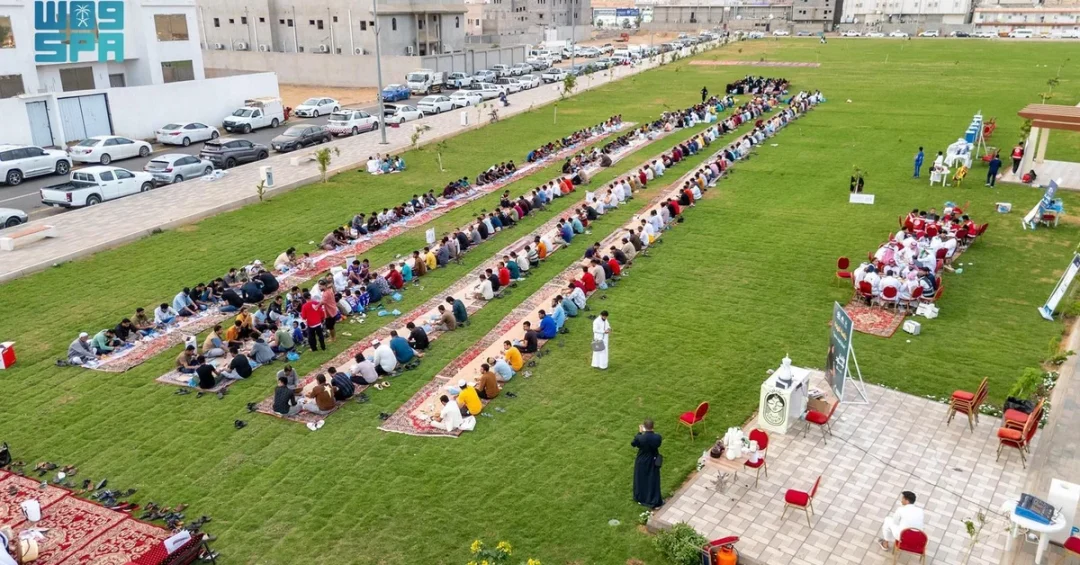
Jazan Region’s waterfront and public parks have become leading destinations for families observing Ramadan, offering scenic settings for iftar, evening gatherings, and quality time together, according to the Saudi Press Agency. Across the southern region, residents and visitors gather along the corniche at sunset and fill landscaped parks after the fast, creating a warm and family-oriented atmosphere that reflects the spirit of the holy month. The Saudi Press Agency documented families embracing Ramadan traditions at these locations, from shared meals at dusk to children’s recreational activities in the cooler evening hours.
Ramadan is a time when Saudi communities place particular emphasis on family connection, generosity, and public life after maghrib, and Jazan’s coastal geography gives those traditions a distinctive setting. The region combines a long Red Sea shoreline, mountain backdrops, and well-maintained public spaces, making it possible for families to combine prayer, dining, and leisure in a single evening outing. As the Kingdom continues to invest in quality-of-life initiatives, sites like the Jazan waterfront illustrate how everyday public amenities support both social cohesion and the goals of a modern, connected society.
Context and Background
Why do coastal public spaces take on such importance during Ramadan in Saudi Arabia? The answer lies in the rhythm of the month itself. After a day of fasting, families look for open, comfortable places where they can break the fast together, pray, and let children play in safety. In Jazan, the waterfront naturally serves this role, combining sea breezes and open views with proximity to restaurants, cafés, and prayer areas. The corniche becomes a promenade of families arriving before sunset, laying out iftar meals, and staying late into the evening.
Jazan sits in the southwest of the Kingdom along the Red Sea, a region known for its agricultural richness, coastal heritage, and growing tourism infrastructure. The Saudi Press Agency has regularly highlighted how residents and visitors make use of the region’s public facilities during religious occasions. In doing so, these spaces reinforce a simple but powerful idea: that urban development is not only about buildings and roads, but about the daily experiences of families, neighbors, and visitors coming together.
Public parks complement the waterfront by offering shaded walkways, playgrounds, and open lawns where children can expend energy after a long day indoors. Ramadan’s family-oriented culture means these amenities are tested to their limits every evening—and their popularity is a sign that the Kingdom’s investments in public recreation are resonating with ordinary people.
The Ramadan Scene Along Jazan’s Waterfront
What makes Jazan’s waterfront so appealing at sunset during Ramadan? The Saudi Press Agency reported that residents and visitors gather at the waterfront to witness the sunset, with the vibrant colors of the sky enhancing the experience of iftar. Vendors and local businesses along the corniche see increased activity as families arrive in the late afternoon, and the sight of shared meals against the backdrop of the Red Sea has become an emblem of the month in the region.
Families often arrive well before maghrib to secure good spots, unfolding blankets, arranging dates and traditional dishes, and greeting friends and relatives who have also chosen the waterfront for their evening. The eruption of activity at sunset—prayer first, then a meal, then hours of conversation—creates a scene that blends devotion with leisure in a way that is distinctly Saudi. Children run along the promenade while elders gather in circles that grow and shrink as neighbors drop in to exchange Ramadan greetings.
Across town, public parks offer a complementary experience: more greenery, more play equipment, and more room for families to spread out. Together, the waterfront and the parks form a network of free, accessible gathering places that support the social dimensions of Ramadan for a wide range of households, from large extended families to young parents with small children.
Community Life and Family Wellbeing
How do these gathering places shape the experience of Ramadan for children and older residents alike? Parks and waterfronts provide safe, welcoming environments where children can play and adults can relax, an outcome that matters especially during a month when daily routines are inverted and evening social life intensifies. The Saudi Press Agency observed families at these locations embracing the spirit of Ramadan and creating lasting memories.
The benefits extend beyond recreation. Public spaces at Ramadan become informal venues for charity and mutual support—neighbors sharing food, distributing dates, and checking in on those who live alone. The shared experience of breaking the fast in a public setting reinforces solidarity and strengthens the social fabric that Vision 2030 seeks to nurture through its quality-of-life programs.
For young people, these evenings offer supervised activity and a positive social environment; for older residents, they offer accessible places to walk, sit, and remain connected to community life. The waterfront, with its level promenade and open sightlines, is particularly suited to multigenerational groups, allowing grandparents, parents, and children to share the same evening experience without logistical difficulty.
International and Regional Impact
Could Jazan’s Ramadan scene contribute to Saudi Arabia’s growing appeal as a tourism destination? The Kingdom’s tourism strategy aims to showcase regional diversity, and Jazan offers a distinctive proposition: a warm southern coastline, rich cultural traditions, and a lifestyle that connects visitors to authentic Saudi community life. Travelers interested in cultural tourism and heritage-focused trips often look for exactly this kind of living tradition, and Ramadan evenings along the waterfront are a vivid example.
Regionally, Jazan’s position near the Red Sea littoral gives it cultural and economic ties that reach across the water, and its public spaces during Ramadan present a welcoming image of Saudi hospitality to visitors from within the Kingdom and beyond. The scene reported by the Saudi Press Agency—families gathered, children playing, sunsets shared— communicates a message of stability, openness, and normalcy that resonates with international audiences seeking to understand contemporary Saudi society.
For Gulf neighbors and wider international observers, such public life is one dimension of the broader transformation underway in the Kingdom, where entertainment, tourism, and quality-of-life sectors are expanding rapidly. Ramadan in Jazan is not simply a religious observance; it is also a demonstration of how Saudi cities and regions are adapting their public spaces to serve residents and guests alike.
Economic and Strategic Significance
What does the popularity of Jazan’s waterfront and parks mean for the local economy? Evening activity during Ramadan supports small businesses—food vendors, cafés, retailers of traditional goods, and service providers catering to families. The concentration of visitors in public spaces generates demand that flows to surrounding commercial areas, from downtown shops to seaside restaurants.
Strategic investments in Jazan’s infrastructure, including roads, parks, and coastal development, are part of a wider national effort to diversify regional economies beyond traditional sectors. When public amenities are well maintained and attractive, they support tourism, retail, and the events economy, while also raising property values and improving residents’ quality of life. The region’s agricultural strengths and port facilities complement these urban improvements, positioning Jazan to benefit from both local spending and broader investment trends.
In this sense, the waterfront is not just a pleasant place to break the fast; it is a piece of economic infrastructure. Its popularity during Ramadan demonstrates the value of continued public investment in recreation, landscaping, and safety, all of which encourage families to spend time—and money—in shared community spaces.
Safety, Organization, and Public Services
How are large evening gatherings managed during the busiest nights of Ramadan? Municipal authorities and security services typically coordinate traffic flow, lighting, cleaning, and crowd management so that families can enjoy the waterfront and parks comfortably. These operational efforts are essential to ensuring that the Ramadan experience remains safe and pleasant for everyone, from toddlers to the elderly.
Public services during Ramadan also reflect the Kingdom’s broader commitment to well-managed, family-friendly cities. Cleanliness crews work through the night, parking is organized, and emergency services remain on standby. The result is an environment in which parents can relax and children can play with minimal concern, an outcome that depends on the often-unseen work of municipal teams and volunteers.
The Saudi Press Agency’s observations of families at these locations underscore that the success of public spaces depends on both design and day-to-day management. Jazan’s ability to host large, peaceful gatherings throughout the month is a practical demonstration of civic capacity and community cooperation.
Vision 2030 Alignment
What role do public spaces like Jazan’s waterfront play in Saudi Arabia’s long-term national vision? Vision 2030 emphasizes quality of life as a core goal, seeking to create vibrant communities where families can thrive, culture is celebrated, and public amenities support healthy, active lifestyles. The scenes documented in Jazan during Ramadan—families gathering at sunset, children playing in parks, communities sharing meals—are precisely the kind of everyday outcomes that such initiatives aim to deliver.
The Kingdom’s continued investment in regional development, tourism, and recreation infrastructure reflects a commitment to ensuring that the benefits of modernization reach every part of the country. Jazan’s waterfront and parks serve as a model of how local heritage, natural beauty, and modern public services can combine to enrich the lives of residents and visitors alike, now and in the years ahead.
20 Questions
Q1. Where are Ramadan’s most popular family destinations in Jazan?
A1. The waterfront and public parks across Jazan Region are among the most popular destinations for families during Ramadan, offering scenic settings for breaking the fast and enjoying quality time together.
Q2. What do families do at the Jazan waterfront during Ramadan?
A2. Families gather at the waterfront to witness the sunset, share iftar meals, and enjoy an atmosphere that combines worship, relaxation, and community connection with the Red Sea as a backdrop.
Q3. Why do public parks matter during Ramadan in Jazan?
A3. Public parks offer space for relaxation and recreational activities, creating a joyful atmosphere for children and adults while supporting the family-oriented traditions that define the holy month.
Q4. Who reported on these family gatherings in Jazan?
A4. The Saudi Press Agency observed families at these locations, documenting how residents and visitors embrace the spirit of Ramadan and create lasting memories together.
Q5. What makes Jazan’s waterfront especially suitable for Ramadan evenings?
A5. Its long Red Sea shoreline, open views, sea breezes, and proximity to prayer areas, cafés, and restaurants make it ideal for families arriving before sunset and staying late into the evening.
Q6. How does Ramadan change daily life in Jazan’s public spaces?
A6. Daily routines shift toward the evening, with the waterfront and parks filling after maghrib as families break the fast, pray, and socialize in a relaxed, communal atmosphere.
Q7. How do these gatherings benefit children?
A7. Children enjoy safe play areas, recreational activities, and time with extended family, while parents appreciate environments where young ones can be active in a supervised, welcoming setting.
Q8. Do these destinations serve more than religious purposes?
A8. Yes. They also support social cohesion, charity, and neighborly connection, turning public spaces into venues where communities share food, greetings, and support during the holy month.
Q9. How do local businesses benefit from Ramadan gatherings?
A9. Food vendors, cafés, retailers, and service providers serving families experience increased evening activity as visitors concentrate in public spaces and surrounding commercial areas.
Q10. What role do municipal authorities play?
A10. They coordinate traffic, lighting, cleaning, and crowd management so that families can enjoy the waterfront and parks safely, comfortably, and without disruption.
Q11. Is the Jazan waterfront accessible to all families?
A11. The waterfront’s level promenade and open sightlines make it well suited to multigenerational groups, including older residents and families with small children.
Q12. How does Jazan’s Ramadan scene reflect Saudi hospitality?
A12. Families gathering openly, sharing meals, and welcoming neighbors and visitors present a warm image of Saudi hospitality rooted in generosity and community tradition.
Q13. Can visitors from outside Jazan enjoy these locations?
A13. Yes. Residents and visitors alike gather at the waterfront and parks during Ramadan, and the region’s public spaces are open and welcoming to domestic and international guests.
Q14. How does the sunset contribute to the experience?
A14. The vibrant colors of the sky at sunset enhance the experience of iftar, adding a memorable visual dimension to the evening gatherings documented by the Saudi Press Agency.
Q15. What is the significance of shared iftar in public spaces?
A15. Shared iftar reinforces solidarity and generosity, allowing families, friends, and neighbors to strengthen bonds while observing one of Ramadan’s most cherished traditions.
Q16. How does this activity connect to Saudi Arabia’s quality-of-life goals?
A16. It illustrates how public amenities support healthy, active lifestyles and vibrant communities, which are central objectives of the Kingdom’s Vision 2030 quality-of-life programs.
Q17. Are Jazan’s parks well maintained during the month?
A17. Municipal teams work through peak evenings to keep parks and waterfronts clean, lit, and safe, ensuring that families can enjoy these spaces comfortably throughout Ramadan.
Q18. What economic value do these gatherings generate?
A18. They support small business activity in food, retail, and services, while demonstrating the value of continued public investment in recreation and coastal development.
Q19. How does Jazan’s Ramadan scene support tourism?
A19. It showcases authentic Saudi community life and regional diversity, offering cultural tourism experiences that align with the Kingdom’s efforts to attract domestic and international visitors.
Q20. What does the future hold for Jazan’s public spaces?
A20. Continued investment in infrastructure, landscaping, and services is expected to enhance these destinations, ensuring they remain valued gathering places for families well beyond Ramadan.
Reader Feedback
We value your thoughts. Please share your feedback on this article.
Your feedback helps us improve our coverage.
Related articles
 Haramain High Speed Railway Boosts Ramadan Trips
 GASTAT: Umrah Performers Rise 31% in Q4 2024
 Jazan’s Rural Farms Offer Unique Ramadan Tourism Experience
 Tourism Minister Lauds Jeddah’s Unique Destinations
 King Fahd Park: Tranquil Retreat for Families in Najran
 Prayer Grounds Square: A Historical Landmark in Madinah