


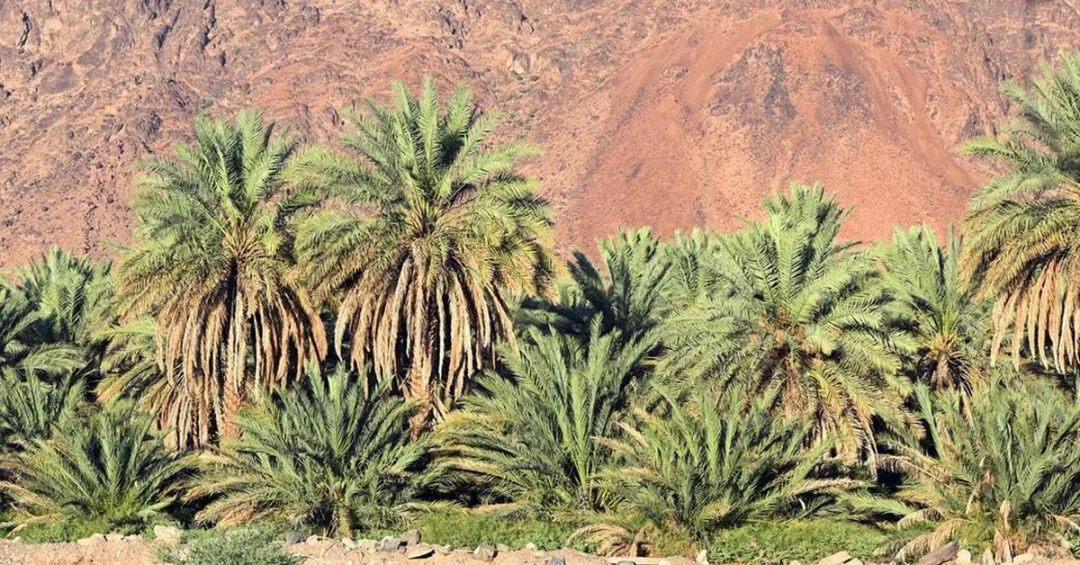
Wadi Qanat in Madinah is drawing residents and visitors seeking a blend of natural beauty and deep history, following a series of rehabilitation works by the Madinah Municipality. According to the Saudi Press Agency (SPA), the valley—located south of Mount Uhud and Jabal Al-Rumat—has been enhanced with walking paths, seating areas, scenic overlooks, and expanded green spaces, offering a peaceful retreat that also serves as a living reminder of the city’s rich past.
The development reflects a broader effort by Saudi authorities to transform natural and historic sites into welcoming public spaces that promote environmental sustainability and improve quality of life. For international observers, Wadi Qanat exemplifies how the Kingdom is balancing heritage preservation with modern urban development, aligning with the goals of Saudi Vision 2030. But what exactly makes this valley so special, and why is it attracting attention now?
Context and Background
Wadi Qanat stretches from the northwest toward the Majma’ Al-Asyal area, where several of Madinah’s major valleys converge, including Wadi Bathan, Wadi Al-Aqiq, and Wadi Mahzur. This geographical convergence has made it a significant natural landmark for centuries. Historically, the valley is closely linked to the Battle of Uhud in the third year after the Prophet Muhammad’s Hijrah (migration) to Madinah, a pivotal event in Islamic history. Historical sources also mention a visit to the valley by Tubba’ of Yemen around 130 years before the Prophet Muhammad (peace be upon him) began his mission, underscoring its ancient significance as a crossroads of civilizations and trade routes.
Beyond its historical importance, Wadi Qanat is a thriving ecosystem. It is home to diverse wildlife and serves as a habitat for resident and migratory birds. Its trees, vegetation, and water sources provide a suitable environment for birds to live and breed, supporting biodiversity and ecological balance. A total of 26 common bird species have been recorded in the Madinah Region, according to official sources. This ecological richness makes the valley not only a historical treasure but also a natural sanctuary that contributes to the region’s environmental health. As urban areas expand, such green spaces become increasingly vital for maintaining ecological corridors and offering residents a connection to nature.
Why has this valley remained a focal point for both locals and travelers across millennia? The answer lies in its combination of natural resources, strategic location, and spiritual resonance. The valley’s water sources and fertile land have attracted human settlement and activity since ancient times, while its proximity to key Islamic sites has given it enduring religious and cultural importance. Today, these layers of history and nature are being carefully preserved and made accessible to the public through thoughtful urban planning.
Rehabilitation and Development Efforts
As part of efforts to care for this landmark, the Madinah Municipality has carried out rehabilitation and development works along parts of the valley. The improvements include walking paths, seating and picnic areas, scenic overlooks, sidewalks paved with natural marble, and the planting of palm trees and expansion of green spaces. Lighting and public facilities have also been installed, with the work designed to take the site’s natural features and environmental components into account. These enhancements aim to create a welcoming environment for families, tourists, and history enthusiasts while preserving the valley’s unique character.
The municipality’s approach reflects a commitment to sustainable development. By integrating natural materials such as marble and focusing on green spaces, the project respects the valley’s ecological balance. The addition of lighting and public facilities improves safety and accessibility without detracting from the natural setting. This careful planning ensures that Wadi Qanat remains a haven for wildlife and a pleasant destination for visitors. The work is part of broader efforts to develop natural and historic sites across the Kingdom and turn them into open spaces that promote environmental sustainability, preserve natural resources, improve quality of life, and enhance Madinah’s urban landscape.
What does this mean for the local community and the millions of pilgrims who visit Madinah annually? The improvements provide a new recreational option that complements the city’s spiritual offerings. Visitors can now enjoy leisurely walks, picnics, and birdwatching while reflecting on the valley’s historical significance. For residents, the valley offers a much-needed green escape from the bustle of city life, contributing to a higher quality of life and fostering a sense of pride in local heritage.
International and Regional Impact
The development of Wadi Qanat is part of a wider regional trend in Saudi Arabia to invest in natural and cultural tourism. The Kingdom is actively diversifying its tourism offerings beyond religious sites, aiming to attract international visitors interested in nature, history, and adventure. Madinah, already a major destination for pilgrims, is now positioning itself as a year-round destination where visitors can explore its landscapes and heritage. This aligns with the National Tourism Strategy and Vision 2030 goals to increase tourism’s contribution to the economy and create jobs.
Regionally, the project underscores Saudi Arabia’s leadership in environmental conservation and sustainable urban development. By rehabilitating a historic valley and making it accessible to the public, the Kingdom demonstrates how economic growth can go hand-in-hand with heritage preservation. International organizations and environmental groups have praised similar initiatives across Saudi Arabia, recognizing the Kingdom’s efforts to protect biodiversity and combat climate change. The valley’s bird population, in particular, highlights the importance of such habitats for migratory species that traverse the region.
How does this project fit into Saudi Arabia’s broader environmental commitments? The Kingdom has launched several initiatives, including the Saudi Green Initiative and the Middle East Green Initiative, which aim to plant billions of trees and protect natural habitats. Wadi Qanat’s rehabilitation, with its emphasis on green spaces and native vegetation, contributes directly to these goals. It also serves as a model for other cities in the region looking to balance urban expansion with ecological stewardship.
Economic and Strategic Significance
From an economic perspective, the enhancement of Wadi Qanat is expected to boost local tourism and stimulate small businesses in the surrounding area. Cafes, guided tours, and souvenir shops could emerge to cater to visitors, creating employment opportunities for residents. The project also enhances Madinah’s appeal as a destination for domestic and international tourists, which in turn supports the hospitality sector. As Saudi Arabia invests in tourism infrastructure, such natural attractions add depth to the visitor experience, encouraging longer stays and repeat visits.
Strategically, the development of natural and historic sites is a key pillar of Vision 2030, which seeks to diversify the economy away from oil and create vibrant communities. By transforming Wadi Qanat into a well-equipped public space, the Kingdom is not only preserving its heritage but also investing in the well-being of its citizens and residents. The project reflects a holistic approach to development that values environmental sustainability, cultural enrichment, and economic progress. It also reinforces Saudi Arabia’s image as a modern, forward-looking nation that honors its past.
What lessons can other countries learn from this initiative? The integration of natural features with public amenities, the use of sustainable materials, and the focus on community engagement offer a blueprint for responsible tourism development. By prioritizing environmental components and involving local authorities, the project ensures that the valley remains a treasure for future generations.
Vision 2030 Alignment
The rehabilitation of Wadi Qanat is a clear example of Saudi Vision 2030 in action. Vision 2030 aims to enhance the quality of life for citizens and residents by creating vibrant, sustainable communities and preserving cultural heritage. The valley’s transformation into a welcoming open space with walking paths, picnic areas, and scenic overlooks directly supports these objectives. It also aligns with the Vision’s focus on environmental sustainability, as the project expands green spaces and protects biodiversity, contributing to the Saudi Green Initiative’s goals.
Furthermore, the project supports the Vision’s economic diversification goals by promoting tourism and creating opportunities for local businesses. Madinah, with its unique combination of spiritual and natural attractions, is well-positioned to benefit from the growing interest in cultural and eco-tourism. As the Kingdom continues to invest in such projects, it reinforces its commitment to a prosperous and sustainable future, where heritage and modernity coexist harmoniously. Wadi Qanat stands as a testament to Saudi Arabia’s dedication to preserving its natural and historical treasures while welcoming the world to experience them.
20 Questions
Q1. What is Wadi Qanat and where is it located?
A1. Wadi Qanat is a historic valley in Madinah, Saudi Arabia, located south of Mount Uhud and Jabal Al-Rumat. It stretches from the northwest to the Majma’ Al-Asyal area, where several major valleys meet.
Q2. Why is Wadi Qanat historically significant?
A2. The valley is linked to the Battle of Uhud in the third year after the Prophet Muhammad’s Hijrah. Historical sources also mention a visit by Tubba’ of Yemen around 130 years before the Prophet’s mission began.
Q3. What improvements has the Madinah Municipality made to Wadi Qanat?
A3. The municipality has added walking paths, seating and picnic areas, scenic overlooks, marble-paved sidewalks, palm trees, green spaces, lighting, and public facilities, all designed to respect the valley’s natural features.
Q4. How does Wadi Qanat support biodiversity?
A4. The valley provides a habitat for resident and migratory birds, with trees, vegetation, and water sources supporting breeding and ecological balance. A total of 26 common bird species have been recorded in the Madinah Region.
Q5. What is the significance of the valley’s location where several valleys meet?
A5. The convergence at Majma’ Al-Asyal, including Wadi Bathan, Wadi Al-Aqiq, and Wadi Mahzur, makes it a natural crossroads that has historically attracted settlement and travel, enhancing its ecological and strategic importance.
Q6. How do the rehabilitation works align with Saudi Vision 2030?
A6. They align by enhancing quality of life, promoting environmental sustainability, preserving heritage, and boosting tourism, all key objectives of Vision 2030 to diversify the economy and create vibrant communities.
Q7. What economic benefits could the project bring to Madinah?
A7. The project is expected to boost local tourism, create jobs in hospitality and retail, and stimulate small businesses such as cafes and guided tours, contributing to economic diversification.
Q8. What role does Wadi Qanat play in Saudi Arabia’s environmental initiatives?
A8. It contributes to the Saudi Green Initiative and Middle East Green Initiative by expanding green spaces, protecting biodiversity, and serving as a model for sustainable urban development.
Q9. Who is responsible for the development of Wadi Qanat?
A9. The Madinah Municipality carried out the rehabilitation and development works, as part of broader efforts to develop natural and historic sites across the Kingdom.
Q10. How does the project improve quality of life for residents?
A10. It provides a peaceful natural retreat with walking paths, picnic areas, and scenic views, offering residents a green escape and fostering pride in local heritage, thus enhancing overall well-being.
Q11. What types of facilities are now available at Wadi Qanat?
A11. Facilities include walking paths, seating and picnic areas, scenic overlooks, marble-paved sidewalks, lighting, and public amenities, all designed to be accessible and respectful of the environment.
Q12. How does Wadi Qanat attract international visitors?
A12. It offers a unique blend of natural beauty and history, complementing Madinah’s spiritual sites. International visitors interested in culture, nature, and heritage find it an appealing destination.
Q13. What is the historical connection to Tubba’ of Yemen?
A13. Historical sources refer to a visit by Tubba’ of Yemen to the valley around 130 years before the Prophet Muhammad’s mission, highlighting its ancient significance as a notable location.
Q14. How does the project balance development with environmental preservation?
A14. The design takes into account natural features, uses sustainable materials like natural marble, expands green spaces, and protects wildlife habitats, ensuring ecological balance is maintained.
Q15. What impact does the project have on local wildlife?
A15. By preserving and expanding vegetation and water sources, the project supports resident and migratory birds, helping maintain biodiversity and ecological balance in the region.
Q16. How does Wadi Qanat contribute to Madinah’s urban landscape?
A16. It enhances the city’s visual appeal by integrating natural greenery and historic elements into the urban fabric, creating a harmonious blend of nature and development.
Q17. What are the long-term goals for Wadi Qanat?
A17. The goals include sustainable tourism, heritage preservation, environmental protection, and providing a lasting recreational space that benefits residents and visitors for generations.
Q18. How can visitors best experience Wadi Qanat?
A18. Visitors can enjoy walking along the paths, picnicking, birdwatching, and taking in the scenic overlooks while reflecting on the valley’s historical significance.
Q19. What makes Wadi Qanat a model for other regions?
A19. Its successful integration of heritage, nature, and public amenities, along with community-focused planning, offers a replicable model for sustainable development in other areas.
Q20. How does the project reflect Saudi Arabia’s commitment to preserving heritage?
A20. By rehabilitating a historically significant valley and making it accessible, the Kingdom demonstrates its dedication to protecting cultural and natural treasures while embracing modernization and global engagement.
Reader Feedback
We value your thoughts. Please share your feedback on this article.
Your feedback helps us improve our coverage.
Related articles
 Jazan’s Urban Spaces Add to the Region’s Tourism Appeal
 Dammam Khor Waterfront Project Set to Reshape Tourism and Recreation in Eastern Region
 Makkah Winter Returns for Second Edition with Diverse Destinations and Experiences
 Wasm Hail 2026 Bus Tours Showcase Ancient Sites
 Al-Wafrah in Al-Ahsa: A Winter Tourism Gem
 Thee Ain Visitor Center: Al-Baha’s History Meets Modern Tech