


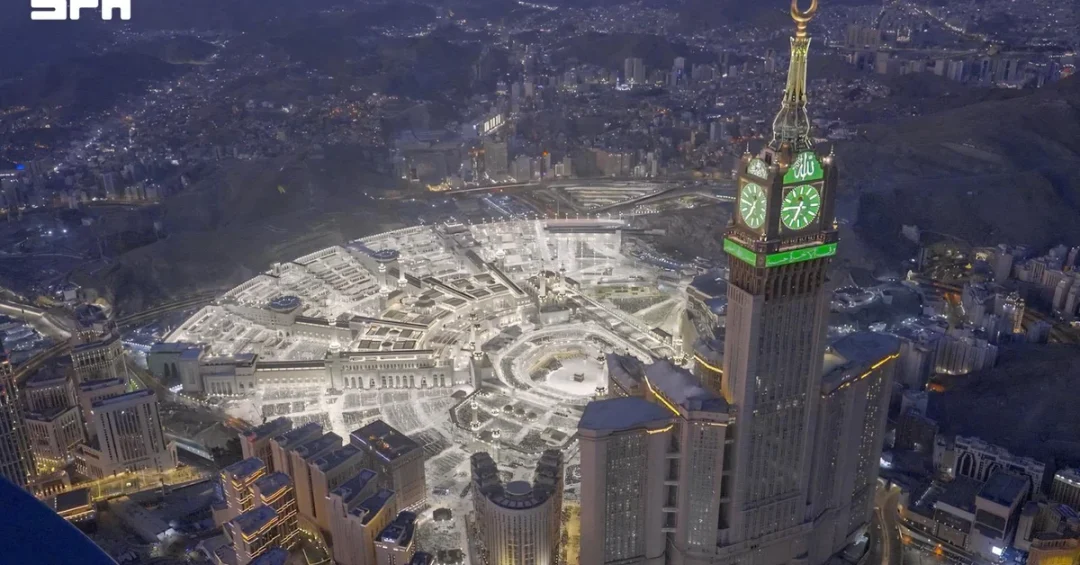
The Royal Commission for Makkah City and Holy Sites has secured two Guinness World Records for the world’s highest museum inside a building and the world’s highest outdoor observation deck, both located within the iconic Makkah Clock Tower complex. The announcement, carried by the Saudi Press Agency, marks a new chapter in the Kingdom’s efforts to blend cultural heritage with modern architectural innovation. The first record recognizes the Clock Tower Museum, which sits at an altitude of 426.875 meters, while the second honors the outdoor observation deck at 560.875 meters. These achievements underscore Saudi Arabia’s commitment to developing Makkah as a global destination that honors its spiritual significance while embracing forward-looking infrastructure. How does a city so deeply rooted in history also become a pioneer in record-breaking modern marvels?
The recognition comes as part of the Royal Commission’s broader strategy to enhance the experience of the millions of pilgrims and visitors who travel to Makkah each year. By integrating cultural, scientific, and architectural assets into landmark projects, the Commission is not only preserving the city’s heritage but also elevating its status on the world stage. The Guinness World Records titles are a testament to the Kingdom’s ability to execute complex, large-scale projects that meet international standards. This development aligns with Saudi Vision 2030’s goals of diversifying the economy and promoting tourism, while also reinforcing Makkah’s role as a center of spiritual and cultural gravity. What does this mean for the future of religious tourism and urban development in the region?
Context and Background
The Makkah Clock Tower, part of the Abraj Al Bait complex, is one of the most recognizable structures in the Islamic world. Standing at a total height of 601 meters, it is among the tallest buildings globally and features the world’s largest clock face. The tower was completed in 2012 and has since become a symbol of Makkah’s modernization. The Royal Commission for Makkah City and Holy Sites, established to oversee the holistic development of the city, has been instrumental in transforming the area into a hub that serves pilgrims while showcasing Saudi architectural prowess. The latest Guinness records add to the tower’s prestige, highlighting its role as a multi-functional landmark that includes a museum, observation deck, prayer facilities, and luxury accommodations. How does such a monumental structure contribute to the spiritual journey of millions?
The Clock Tower Museum, now officially the highest museum in a building, offers visitors a journey through the history of timekeeping and the significance of the clock in Islamic culture. Its location at 426.875 meters provides a unique vantage point, allowing guests to view the Grand Mosque and the Holy Kaaba from above. Meanwhile, the outdoor observation deck at 560.875 meters offers an unparalleled panoramic view of Makkah, enabling visitors to witness the city’s sprawling landscape and the continuous flow of pilgrims. These attractions are designed to enrich the experience of residents and visitors alike, providing educational and reflective opportunities. The Royal Commission’s efforts are part of a larger vision to make Makkah a city that seamlessly integrates tradition with modernity. What role do such attractions play in deepening the spiritual and cultural connection of visitors?
Key Details
The Guinness World Records titles were awarded after rigorous verification by the global authority. The Clock Tower Museum’s altitude of 426.875 meters was measured precisely, confirming its status as the highest museum within a building. The outdoor observation deck, at 560.875 meters, surpasses any other outdoor viewing platform in the world. These records are not just about height; they symbolize the Kingdom’s ambition to push boundaries and set new benchmarks. The Royal Commission has emphasized that these achievements reflect its ongoing efforts to harness Makkah’s historical, scientific, and architectural assets. The museum features interactive exhibits on the history of the clock, Islamic astronomy, and the evolution of timekeeping, while the observation deck provides a space for contemplation and awe. How do these records inspire future generations to appreciate both heritage and innovation?
The development of these landmarks is part of a comprehensive plan to upgrade infrastructure and services in Makkah. The Royal Commission has been working on multiple projects to improve crowd management, transportation, and accommodation for the growing number of pilgrims. The Clock Tower complex itself is a mixed-use development that includes the Fairmont Makkah Clock Royal Tower hotel, a shopping mall, and prayer areas. The addition of world-class attractions like the museum and observation deck enhances the complex’s appeal, making it a destination not only for religious rituals but also for cultural enrichment. This integrated approach ensures that visitors have a holistic experience, combining spiritual fulfillment with educational and leisure activities. What other innovations can we expect from Makkah’s development blueprint?
International and Regional Impact
The Guinness World Records titles are expected to boost Makkah’s profile as a global tourist destination, attracting visitors from around the world who are interested in both religious and architectural tourism. The recognition also reinforces Saudi Arabia’s position as a leader in hosting mega-projects that serve millions of people. Regionally, it sets a benchmark for other cities in the Middle East, demonstrating how urban development can honor cultural heritage while achieving modern feats. The Royal Commission’s success story could inspire similar initiatives in other holy cities and historical sites, promoting a model of development that respects tradition. How might this influence the way other nations approach the preservation and promotion of their own heritage sites?
Furthermore, the records contribute to the Kingdom’s soft power by showcasing its capability to manage and execute projects of international significance. The positive global media coverage generated by such achievements helps counter negative stereotypes and presents Saudi Arabia as a forward-thinking nation. This is particularly important as the Kingdom continues to open up to international tourism and investment. The observation deck and museum are also expected to become popular attractions for non-Muslim visitors, who can now experience Makkah’s grandeur from a respectful distance, fostering cultural exchange and understanding. What impact will this have on intercultural dialogue and global perceptions of Saudi Arabia?
Economic and Strategic Significance
From an economic perspective, the new attractions are set to drive revenue through ticket sales, merchandise, and increased footfall in the surrounding commercial areas. The Clock Tower complex already hosts a variety of retail outlets and dining options, and the addition of record-breaking sites will further stimulate the local economy. The Royal Commission’s investment in such projects is aligned with Vision 2030’s objective to increase tourism’s contribution to the GDP. By creating unique experiences, Makkah can attract longer-staying visitors, boosting the hospitality sector. The strategic location of the tower, adjacent to the Grand Mosque, ensures a steady stream of potential visitors. How will these economic benefits trickle down to the local community and small businesses?
Strategically, the records enhance Makkah’s competitiveness as a destination for both pilgrimage and tourism. They also demonstrate the Kingdom’s commitment to providing world-class facilities for the millions of Hajj and Umrah performers. The Royal Commission’s focus on enriching the experience of pilgrims is a key pillar of its mandate, and these attractions add a new dimension to the spiritual journey. By offering educational and reflective spaces, the Commission ensures that visitors leave with a deeper understanding of Makkah’s heritage and its role in Islamic history. This holistic approach is expected to increase visitor satisfaction and encourage repeat visits. What other strategic assets can Makkah leverage to further elevate its global standing?
Vision 2030 Alignment
The achievement of these Guinness World Records is a clear manifestation of Saudi Vision 2030’s goals. Vision 2030 aims to transform the Kingdom into a global investment powerhouse and a hub for tourism, while preserving its Islamic identity. The development of Makkah’s landmarks is a cornerstone of this vision, as it seeks to welcome a growing number of pilgrims and tourists. The Royal Commission’s work exemplifies how Saudi Arabia is investing in its holy cities to create world-class infrastructure that benefits both residents and visitors. The records also highlight the Kingdom’s ability to diversify its economy by promoting cultural and religious tourism. How does this project fit into the broader narrative of Saudi Arabia’s modernization?
Looking ahead, the Royal Commission for Makkah City and Holy Sites is expected to continue its efforts to develop more projects that enhance Makkah’s status. The success of the Clock Tower Museum and observation deck sets a precedent for future initiatives that combine architectural excellence with cultural significance. As the Kingdom marches toward 2030, such achievements will serve as milestones of progress and pride. They reflect the leadership’s dedication to serving the guests of God and to showcasing the best of Saudi Arabia to the world. With each record broken, Makkah reinforces its position as a city that honors its past while embracing its future. What new heights will Saudi Arabia reach next in its journey of transformation?
20 Questions
Q1. What two Guinness World Records did the Royal Commission for Makkah City and Holy Sites achieve?
A1. The Royal Commission achieved records for the world’s highest museum inside a building and the world’s highest outdoor observation deck, both located in the Makkah Clock Tower complex.
Q2. What is the altitude of the Clock Tower Museum?
A2. The Clock Tower Museum is situated at an altitude of 426.875 meters, making it the highest museum within a building globally.
Q3. Where is the world’s highest outdoor observation deck located?
A3. The world’s highest outdoor observation deck is located at 560.875 meters within the Makkah Clock Tower complex.
Q4. What is the significance of these records for Makkah?
A4. These records highlight Makkah’s blend of authenticity and modernity, enhancing its position as a global destination and enriching the experience of residents, pilgrims, and visitors.
Q5. What is the Makkah Clock Tower complex?
A5. The Makkah Clock Tower complex, part of the Abraj Al Bait development, is a multi-use skyscraper that includes hotels, a shopping mall, and the Clock Tower Museum, among other facilities.
Q6. How does the Clock Tower Museum contribute to the visitor experience?
A6. The museum offers interactive exhibits on timekeeping and Islamic history, providing educational and reflective opportunities for visitors while showcasing Makkah’s heritage.
Q7. What can visitors see from the outdoor observation deck?
A7. Visitors can enjoy a panoramic view of Makkah, including the Grand Mosque and the Holy Kaaba, from the outdoor observation deck at 560.875 meters.
Q8. How do these records align with Saudi Vision 2030?
A8. They align with Vision 2030 by promoting tourism, diversifying the economy, and enhancing Makkah’s role as a global destination, while preserving its Islamic identity.
Q9. What role does the Royal Commission for Makkah City and Holy Sites play?
A9. The Royal Commission oversees the development of Makkah, focusing on infrastructure, services, and projects that enrich the experience of pilgrims and visitors while preserving the city’s heritage.
Q10. How will these records impact tourism in Makkah?
A10. The records are expected to attract more visitors, including international tourists, by offering unique attractions that combine spiritual significance with modern marvels, thereby boosting the local economy.
Q11. What other facilities are available in the Makkah Clock Tower complex?
A11. The complex includes the Fairmont Makkah Clock Royal Tower hotel, a shopping mall, prayer areas, and various dining options, providing a comprehensive experience for visitors.
Q12. How does the museum enrich the spiritual journey of pilgrims?
A12. The museum provides context about the history of timekeeping and Islamic culture, allowing pilgrims to reflect on the significance of time and the spiritual importance of Makkah.
Q13. What was the process for verifying these Guinness World Records?
A13. Guinness World Records verified the heights through precise measurements, confirming the museum and observation deck as record holders in their respective categories.
Q14. How does this achievement reflect on Saudi Arabia’s global standing?
A14. It demonstrates Saudi Arabia’s capability to execute world-class projects, enhancing its soft power and showcasing its commitment to modernization and cultural preservation.
Q15. What economic benefits are expected from these attractions?
A15. The attractions are expected to generate revenue through ticket sales and increased foot traffic, supporting local businesses and contributing to the growth of the tourism sector.
Q16. Are there plans for similar projects in Makkah?
A16. The Royal Commission continues to develop various projects to improve Makkah’s infrastructure and visitor experiences, with more initiatives expected as part of Vision 2030.
Q17. How does the observation deck cater to non-Muslim visitors?
A17. The observation deck offers a respectful way for non-Muslim visitors to appreciate Makkah’s landscape from a distance, fostering cultural understanding and dialogue.
Q18. What makes the Makkah Clock Tower a unique landmark?
A18. It is one of the tallest buildings in the world, features the largest clock face, and now holds two Guinness World Records, making it a symbol of Makkah’s blend of tradition and innovation.
Q19. How does this project support the local community?
A19. The project creates jobs, stimulates local businesses, and enhances the overall quality of life by providing world-class facilities and attracting more visitors to the area.
Q20. What message does this send to the world about Saudi Arabia?
A20. It sends a message that Saudi Arabia is a nation that honors its heritage while embracing modernity, capable of achieving global recognition and providing exceptional experiences for all visitors.
Reader Feedback
We value your thoughts. Please share your feedback on this article.
Your feedback helps us improve our coverage.
Related articles
 New Madinah Destination Blends Tradition and Modernity
 Rain Adds to Beauty of Al-Baha’s Mountains
 Jeddah Yacht Club: Premier Maritime Tourism Hub
 Saudi Red Sea Authority Launches ‘Invest With Guidance’ Campaign
 Arab Tourism Organization Hosts Jeddah Rural Tourism Roundtable
 AlUla Manara Team Launches Astronomy Programs