


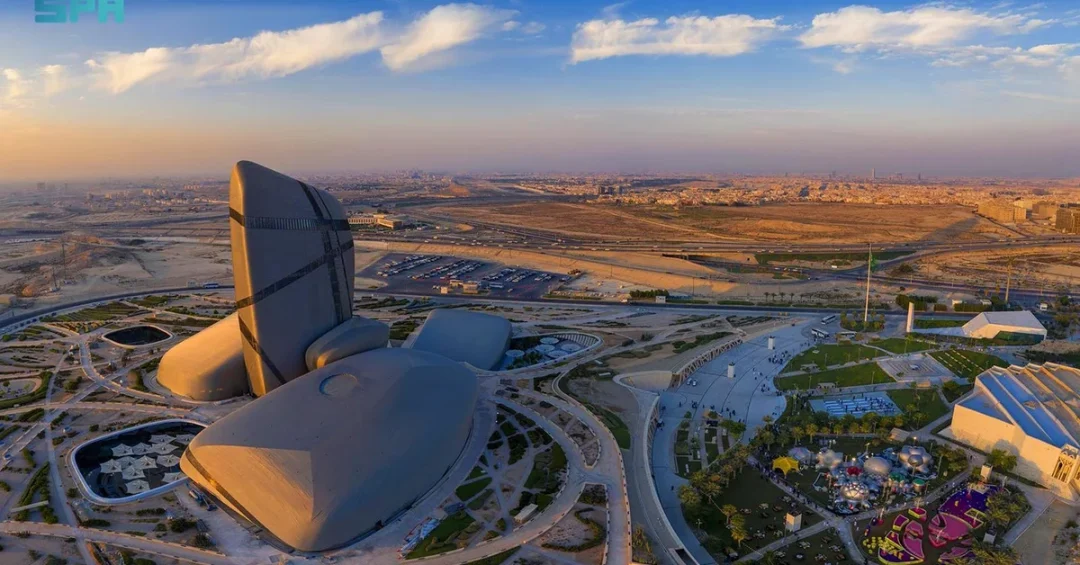
The Eastern Region of Saudi Arabia is experiencing a dynamic cultural revival, aligning with the Kingdom’s Vision 2030 to nurture heritage, strengthen identity, and promote sustainable development. According to the Saudi Press Agency (SPA), this transformation is positioning the region as a cultural hub that celebrates Saudi Arabia’s diverse tapestry while investing in education, sustainability, and community engagement.
Context and Background
This cultural flourishing is part of a broader national strategy under Vision 2030, which seeks to diversify the economy and enhance quality of life. The Eastern Region, known for its oil resources and industrial prowess, is now emerging as a center for arts and culture. The King Abdulaziz Center for World Culture (Ithra), established in Dhahran in 2017, stands as a testament to this commitment. This landmark institution combines art, science, and literature, enriching residents’ lives and drawing international attention.
Museums across the region, such as the Dammam Regional Museum, preserve and showcase the area’s rich heritage through archaeological and artistic collections. These institutions offer immersive journeys through the region’s history, connecting past achievements with present ambitions. The media also plays a vital role, with documentaries, cultural programs, and event coverage amplifying the region’s cultural narrative across various platforms.
Key Details
Educational institutions, including local universities and colleges, are at the forefront of cultural promotion. Specialized programs and research centers delve into cultural studies, nurturing a new generation of cultural ambassadors. Literary clubs have been pivotal in fostering a vibrant literary scene, supporting writers, inspiring young readers, and stimulating critical thinking. Community participation is integral, with residents actively engaging in cultural events that reinforce identity and belonging.
The region’s cultural momentum is further fueled by tourism initiatives and educational programs. These efforts not only celebrate Saudi heritage but also contribute to economic diversification by attracting visitors and creating opportunities. The synergy between cultural institutions, media, and community reflects a holistic approach to cultural development.
Implications and Impact
The cultural revival in the Eastern Region has significant implications for Saudi Arabia’s international standing. By showcasing its rich heritage and modern cultural scene, the Kingdom enhances its soft power and fosters cross-cultural dialogue. This aligns with Vision 2030’s goal of promoting a positive global image and attracting tourists and investors. Regionally, the Eastern Region’s success serves as a model for other areas, demonstrating how culture can drive social and economic progress.
Moreover, the emphasis on education and youth engagement ensures sustainability. Young Saudis are being equipped with the skills and knowledge to become cultural leaders, ensuring that the region’s cultural legacy continues to thrive. The integration of sustainability principles in cultural infrastructure also reflects a commitment to environmental stewardship.
Vision 2030 Alignment
The cultural flourishing in the Eastern Region directly supports Vision 2030’s objectives of enhancing cultural participation, preserving heritage, and improving quality of life. By investing in cultural infrastructure and fostering community engagement, Saudi Arabia is building a vibrant society where culture and arts are essential pillars of a thriving nation. As the Kingdom continues its journey toward a diversified and dynamic future, the Eastern Region stands as a shining example of how heritage and modernity can coexist and propel national progress.
20 Questions
Q1. What is the main focus of the cultural revival in the Eastern Region?
A1. The cultural revival focuses on nurturing heritage, strengthening identity, and promoting sustainability, in line with Saudi Arabia’s Vision 2030, as reported by the Saudi Press Agency.
Q2. When was the King Abdulaziz Center for World Culture established?
A2. The King Abdulaziz Center for World Culture, also known as Ithra, was established in Dhahran in 2017 and serves as a hub for art, science, and literature.
Q3. What role do museums play in the Eastern Region’s cultural landscape?
A3. Museums like the Dammam Regional Museum preserve and convey the region’s rich heritage through archaeological and artistic collections, offering educational journeys through history.
Q4. How does the media contribute to cultural awareness in the region?
A4. The media fosters cultural awareness through documentaries, cultural programs, and coverage of artistic events, significantly enhancing the region’s cultural landscape and reach.
Q5. Which institutions are leading cultural promotion in the Eastern Region?
A5. Local universities, colleges, and specialized research centers are leading cultural promotion by offering programs that nurture cultural ambassadors and deepen cultural studies.
Q6. What is the significance of literary clubs in the Eastern Region?
A6. Literary clubs foster a vibrant literary scene by supporting writers, inspiring young readers, and stimulating critical thinking, contributing to the region’s cultural richness.
Q7. How is the local community involved in cultural activities?
A7. The local community actively participates in cultural events, reinforcing a strong sense of identity and belonging, and ensuring the region’s cultural fabric remains vibrant.
Q8. What economic benefits does the cultural revival bring?
A8. The cultural revival attracts tourism, creates jobs, and supports economic diversification, aligning with Vision 2030’s goals for sustainable development and reduced oil dependence.
Q9. How does the Eastern Region’s cultural revival align with Vision 2030?
A9. It aligns by enhancing cultural participation, preserving heritage, and improving quality of life, all of which are key objectives of Vision 2030 for a vibrant society.
Q10. What is the role of Ithra in the region’s cultural scene?
A10. Ithra serves as a dynamic space combining art, science, and literature, enriching lives and positioning the Eastern Region as a cultural beacon.
Q11. How do educational programs contribute to cultural sustainability?
A11. Educational programs equip young Saudis with skills and knowledge to become cultural leaders, ensuring the region’s cultural legacy thrives for future generations.
Q12. What types of events are held in the Eastern Region to promote culture?
A12. Cultural events include art exhibitions, literary festivals, educational workshops, and performances, often covered by media to engage the community and visitors.
Q13. How does the Dammam Regional Museum enhance cultural understanding?
A13. The museum offers archaeological and artistic collections that provide insights into the region’s history and development, fostering a deeper appreciation of Saudi heritage.
Q14. In what ways does the media highlight artistic events?
A14. The media features documentaries, cultural programs, and event highlights across platforms, raising awareness and fostering appreciation for the region’s artistic achievements.
Q15. What is the impact of cultural revival on Saudi Arabia’s global image?
A15. It enhances Saudi Arabia’s soft power, fosters cross-cultural dialogue, and showcases the Kingdom’s rich heritage and modern advancements to the world.
Q16. How are young people engaged in cultural activities?
A16. Young people participate through university programs, literary clubs, and community events, developing skills and a sense of identity as future cultural ambassadors.
Q17. What sustainability practices are integrated into cultural infrastructure?
A17. Cultural infrastructure incorporates sustainable design and operations, reflecting a commitment to environmental stewardship and aligning with Vision 2030’s sustainability goals.
Q18. How does the Eastern Region serve as a model for other regions?
A18. Its success in cultural development demonstrates how investing in arts and heritage can drive social and economic progress, inspiring similar initiatives across Saudi Arabia.
Q19. What role do research centers play in cultural studies?
A19. Research centers delve into cultural studies, producing knowledge that informs policies and programs, and nurturing a deeper understanding of Saudi heritage and identity.
Q20. How can international audiences engage with the Eastern Region’s culture?
A20. International audiences can engage through tourism, virtual tours, and media coverage, experiencing the region’s museums, events, and cultural initiatives firsthand or online.
Reader Feedback
We value your thoughts. Please share your feedback on this article.
Your feedback helps us improve our coverage.
Related articles
 Saudi Arabia Launches “Compass” Program to Preserve Red Sea History
 Beit Hail Festival Showcases Traditional Haili Doors and Gypsum Carvings
 Jeddah Historic District Marks a Decade Since Its UNESCO World Heritage Site Designation
 Almadinah Book Fair 2024 to Kick Off July 30
 Sadu Weaving Shines at Beit Hail Festival
 Rawiyah: Bedouin Survival Tool for Water Transportation