


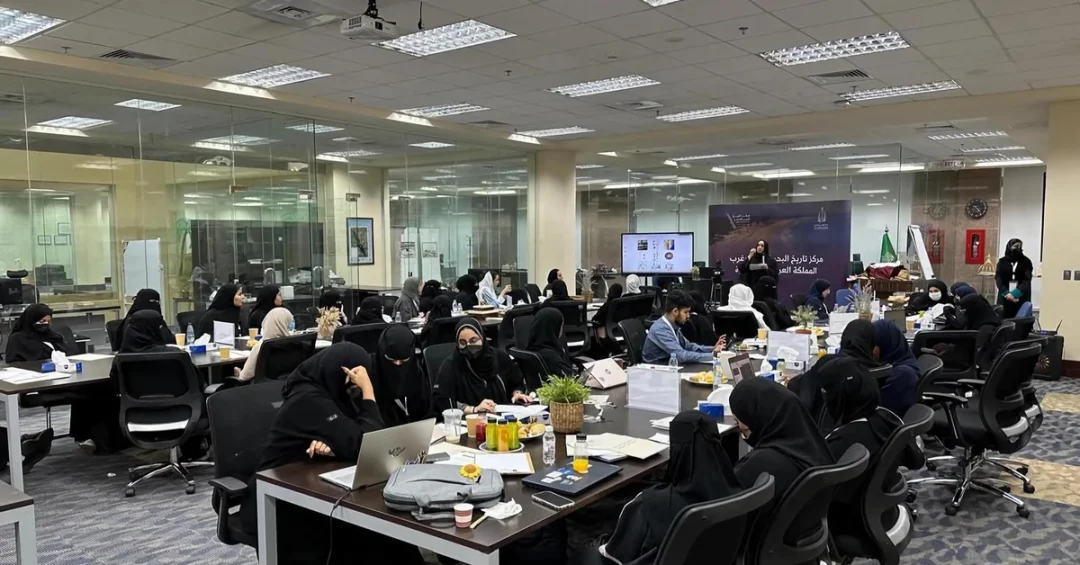
The Center for the History of the Red Sea and the West of Saudi Arabia, affiliated with the King Abdulaziz Foundation for Research and Archives (Darah), officially launched the “Compass” program in Jeddah on July 21, 2024, initiating a series of interactive initiatives designed to preserve and highlight the national history of the Red Sea and the Kingdom’s western region. The launch marks a significant step in Saudi Arabia’s broader efforts to document and celebrate its rich maritime heritage through modern digital tools, cultural engagement, and educational competitions.
The program, which runs daily until Thursday, July 25, 2024, is being conducted in cooperation with several prominent Saudi institutions, including the College of Communication and Media at King Abdulaziz University in Jeddah, the “Let’s Provide an Initiative” program affiliated with Jeddah Governorate, the Historic Jeddah Program, and the Saudi Committee for Popular Games. This collaborative approach reflects the Kingdom’s commitment to fostering partnerships across educational, governmental, and cultural sectors to achieve shared national objectives. The initiative provides a unique opportunity for male and female university students, graduates, and interested individuals to participate and compete by presenting their creative ideas in a stimulating and inspiring environment.
Context and Background
How does a nation preserve the stories of its ancestors while embracing the technologies of tomorrow? The Center for the History of the Red Sea and the West of Saudi Arabia, operating under the umbrella of the King Abdulaziz Foundation for Research and Archives (Darah), has answered this question by launching the “Compass” program. Darah, established to serve as the Kingdom’s primary institution for historical documentation, has long been dedicated to collecting, preserving, and disseminating the history of Saudi Arabia and the Arabian Peninsula. The Red Sea, with its centuries-old trade routes, pilgrimage pathways, and cultural exchanges, represents a vital chapter in the Kingdom’s story that deserves comprehensive documentation and innovative presentation.
The Red Sea has served as a crossroads of civilizations for millennia, connecting the Arabian Peninsula with Africa, Asia, and Europe. Its waters have witnessed the passage of merchants, pilgrims, scholars, and explorers who contributed to the cultural and economic richness of the western region of Saudi Arabia. Cities like Jeddah, Yanbu, and Al-Lith have historically served as gateways for trade and pilgrimage, hosting diverse communities and fostering a unique cultural tapestry. The Center’s decision to focus on this region underscores the importance of understanding how maritime heritage has shaped the Kingdom’s identity and its role in global commerce and cultural exchange.
The “Compass” program is part of a larger regional documentation program initiated by Darah to explore innovative ideas and enhance cognitive and cultural content about the diversities of the Red Sea. By leveraging digital production, culture, arts, emerging technologies, and artificial intelligence, the program aims to simplify educational content about the Red Sea while making it accessible and engaging for younger generations. This forward-thinking approach aligns with Saudi Arabia’s broader vision of integrating technology into cultural preservation, ensuring that historical knowledge remains relevant and vibrant in the digital age.
Key Details and Program Components
What makes the “Compass” program different from traditional historical documentation efforts? The initiative distinguishes itself through its interactive and participatory nature, inviting students, graduates, and community members to actively contribute their creative ideas and solutions. The program includes skill-testing competitions designed to simplify educational content about the Red Sea, accompanied by creative products and solutions, as well as a variety of enrichment activities and ideas. These competitions challenge participants to think critically about how history can be presented in engaging and accessible formats, whether through digital media, artistic expression, or technological innovation.
The collaboration with the College of Communication and Media at King Abdulaziz University in Jeddah brings academic rigor and media expertise to the program. Students and faculty from the college can contribute their knowledge of storytelling, visual communication, and digital platforms to enhance the program’s reach and impact. Meanwhile, the “Let’s Provide an Initiative” program affiliated with Jeddah Governorate adds a community-focused dimension, ensuring that the benefits of the program extend beyond academic circles to engage a broader cross-section of society. The Historic Jeddah Program contributes its deep understanding of the city’s unique heritage, while the Saudi Committee for Popular Games brings cultural authenticity through traditional games and activities that connect participants with their roots.
The program’s daily schedule until July 25 provides ample opportunity for participants to engage in workshops, competitions, and collaborative sessions. By creating a stimulating and inspiring environment, the organizers aim to unlock the creative potential of young Saudis and provide them with a platform to showcase their talents. The inclusion of emerging technologies and artificial intelligence in the program’s framework demonstrates a commitment to innovation that is characteristic of Saudi Arabia’s approach to cultural and educational development under Vision 2030.
International and Regional Impact
How does Saudi Arabia’s investment in cultural heritage documentation resonate beyond its borders? The “Compass” program contributes to a growing global movement that recognizes the importance of preserving maritime heritage and making it accessible to international audiences. The Red Sea region has historically been a zone of cultural exchange and economic activity that connected the Arabian Peninsula with East Africa, the Indian subcontinent, and beyond. By documenting and sharing this history, Saudi Arabia positions itself as a custodian of regional heritage and a contributor to global knowledge about the interconnectedness of civilizations.
For international observers, the program offers insights into how Saudi Arabia is preserving its history while modernizing its economy and society. The Kingdom’s efforts to document the Red Sea’s heritage can attract researchers, historians, and cultural tourists from around the world, fostering academic collaboration and cultural diplomacy. Moreover, the program’s use of digital production and artificial intelligence demonstrates Saudi Arabia’s capacity to harness technology for cultural purposes, a model that other nations may find instructive as they seek to balance preservation with innovation.
Regionally, the “Compass” program strengthens Saudi Arabia’s ties with neighboring countries that share an interest in Red Sea heritage. Egypt, Sudan, Eritrea, Djibouti, and Yemen all have historical connections to the Red Sea, and collaborative documentation efforts can build bridges of understanding and cooperation. By taking a leadership role in this area, Saudi Arabia reinforces its position as a regional hub for culture, education, and technology, contributing to stability and mutual respect among Red Sea nations.
Economic and Strategic Significance
What economic and strategic benefits flow from cultural preservation initiatives like the “Compass” program? Cultural heritage is increasingly recognized as an economic asset that can drive tourism, create jobs, and stimulate local economies. The Red Sea region of Saudi Arabia is poised for significant development under Vision 2030, with projects such as the Red Sea Project and Amaala transforming the coastline into world-class tourism destinations. By documenting and promoting the region’s history, the “Compass” program complements these mega-projects, adding depth and meaning to the visitor experience.
Tourists who understand the historical significance of the Red Sea are more likely to appreciate its natural beauty and cultural richness, extending their stays and spending more in local communities. The program’s focus on digital production and creative industries also aligns with Saudi Arabia’s efforts to diversify its economy beyond oil, nurturing talent in media, design, and technology. Participants who develop skills through the competitions and workshops may go on to contribute to the Kingdom’s growing creative economy, whether as entrepreneurs, content creators, or professionals in the cultural sector.
Strategically, the program reinforces Saudi Arabia’s soft power by showcasing the Kingdom’s commitment to preserving and sharing its heritage. In a world where cultural diplomacy plays an increasingly important role in international relations, initiatives like the “Compass” program help build goodwill and understanding. They also serve as a reminder that Saudi Arabia’s history is not confined to its borders but is intertwined with the broader story of human civilization, particularly along the Red Sea corridor.
Vision 2030 Alignment
How does the “Compass” program embody the aspirations of Saudi Vision 2030? Vision 2030 seeks to transform Saudi Arabia into a diversified, knowledge-based economy with a vibrant civil society and a strong sense of national identity. The program directly supports these goals by investing in human capital, promoting cultural enrichment, and leveraging technology for educational purposes. By engaging young people in documenting and interpreting their heritage, the initiative cultivates a generation that is both proud of its past and equipped for the future.
Furthermore, the program’s collaborative model—bringing together government agencies, academic institutions, and community organizations—reflects the whole-of-society approach that Vision 2030 champions. It demonstrates that achieving ambitious national objectives requires partnerships across sectors and a willingness to experiment with new methods and ideas. As Saudi Arabia continues its journey of transformation, initiatives like the “Compass” program will play a vital role in ensuring that the Kingdom’s rich history remains a source of inspiration and strength for generations to come.
In conclusion, the launch of the “Compass” program by the Center for the History of the Red Sea and the West of Saudi Arabia represents a meaningful investment in the Kingdom’s cultural and educational landscape. By combining historical documentation with digital innovation and community engagement, the program not only preserves the past but also illuminates the path forward. As participants compete, create, and collaborate, they contribute to a narrative that honors Saudi Arabia’s heritage while embracing the opportunities of the future.
20 Questions
Q1. What is the “Compass” program?
A1. The “Compass” program is an interactive initiative launched by the Center for the History of the Red Sea and the West of Saudi Arabia to preserve and highlight the national history of the Red Sea and the Kingdom’s western region through digital production, culture, arts, and technology.
Q2. When was the “Compass” program launched?
A2. The program was launched on July 21, 2024, in Jeddah, Saudi Arabia, and runs daily until Thursday, July 25, 2024.
Q3. Which organization is behind the “Compass” program?
A3. The program is organized by the Center for the History of the Red Sea and the West of Saudi Arabia, which is affiliated with the King Abdulaziz Foundation for Research and Archives (Darah).
Q4. What is Darah?
A4. Darah is the King Abdulaziz Foundation for Research and Archives, a Saudi institution dedicated to documenting and preserving the history of Saudi Arabia and the Arabian Peninsula.
Q5. What are the main goals of the “Compass” program?
A5. The program aims to preserve and highlight the national history of the Red Sea and western Saudi Arabia, enhance cognitive and cultural content, and engage youth through competitions, creative activities, and digital innovation.
Q6. Who can participate in the “Compass” program?
A6. Male and female university students, graduates, and interested individuals are invited to participate and compete by presenting their creative ideas in a stimulating environment.
Q7. What activities are included in the program?
A7. The program includes skill-testing competitions, creative products and solutions, enrichment activities, and ideas aimed at simplifying educational content about the Red Sea.
Q8. Which institutions are collaborating on the “Compass” program?
A8. Collaborators include the College of Communication and Media at King Abdulaziz University, the “Let’s Provide an Initiative” program, the Historic Jeddah Program, and the Saudi Committee for Popular Games.
Q9. How does the program use technology?
A9. The program leverages digital production, emerging technologies, and artificial intelligence to create innovative and accessible content about the Red Sea’s history and cultural diversity.
Q10. Why is the Red Sea historically significant?
A10. The Red Sea has been a crossroads of civilizations for millennia, facilitating trade, pilgrimage, and cultural exchange between the Arabian Peninsula, Africa, Asia, and Europe.
Q11. What role does King Abdulaziz University play?
A11. The College of Communication and Media at King Abdulaziz University contributes academic expertise in storytelling, visual communication, and digital platforms to enhance the program’s reach and impact.
Q12. What is the “Let’s Provide an Initiative” program?
A12. It is a community-focused program affiliated with Jeddah Governorate that ensures the benefits of the “Compass” program extend beyond academic circles to engage a broader cross-section of society.
Q13. How does the program support Vision 2030?
A13. The program supports Vision 2030 by investing in human capital, promoting cultural enrichment, leveraging technology for education, and fostering partnerships across government, academia, and community sectors.
Q14. What is the Historic Jeddah Program?
A14. The Historic Jeddah Program is a collaborative initiative that contributes deep understanding of Jeddah’s unique heritage to the “Compass” program, enriching its historical documentation efforts.
Q15. What are the Saudi Committee for Popular Games’ contributions?
A15. The committee brings cultural authenticity to the program by incorporating traditional games and activities that connect participants with Saudi Arabia’s roots and heritage.
Q16. How long does the “Compass” program last?
A16. The program runs daily from July 21 to July 25, 2024, providing ample opportunity for participants to engage in workshops, competitions, and collaborative sessions.
Q17. What are the economic benefits of the program?
A17. The program can drive tourism, create jobs, and stimulate local economies by adding depth to the visitor experience and nurturing talent in media, design, and technology sectors.
Q18. How does the program contribute to cultural diplomacy?
A18. By documenting and sharing Red Sea heritage, Saudi Arabia positions itself as a custodian of regional heritage, fostering academic collaboration and cultural diplomacy with other nations.
Q19. What is the significance of the program’s focus on youth?
A19. Engaging youth cultivates a generation proud of its past and equipped for the future, aligning with Vision 2030’s goal of a vibrant, knowledge-based society.
Q20. What is the expected outcome of the “Compass” program?
A20. The program aims to produce innovative content, creative solutions, and a deeper appreciation of the Red Sea’s history, contributing to Saudi Arabia’s cultural and educational landscape.
Reader Feedback
We value your thoughts. Please share your feedback on this article.
Your feedback helps us improve our coverage.
Related articles
 Beit Hail Festival Showcases Traditional Haili Doors and Gypsum Carvings
 Jeddah Historic District Marks a Decade Since Its UNESCO World Heritage Site Designation
 Almadinah Book Fair 2024 to Kick Off July 30
 Sadu Weaving Shines at Beit Hail Festival
 Rawiyah: Bedouin Survival Tool for Water Transportation
 King Saud University Hosts International Conference on Camels in Arab Culture