


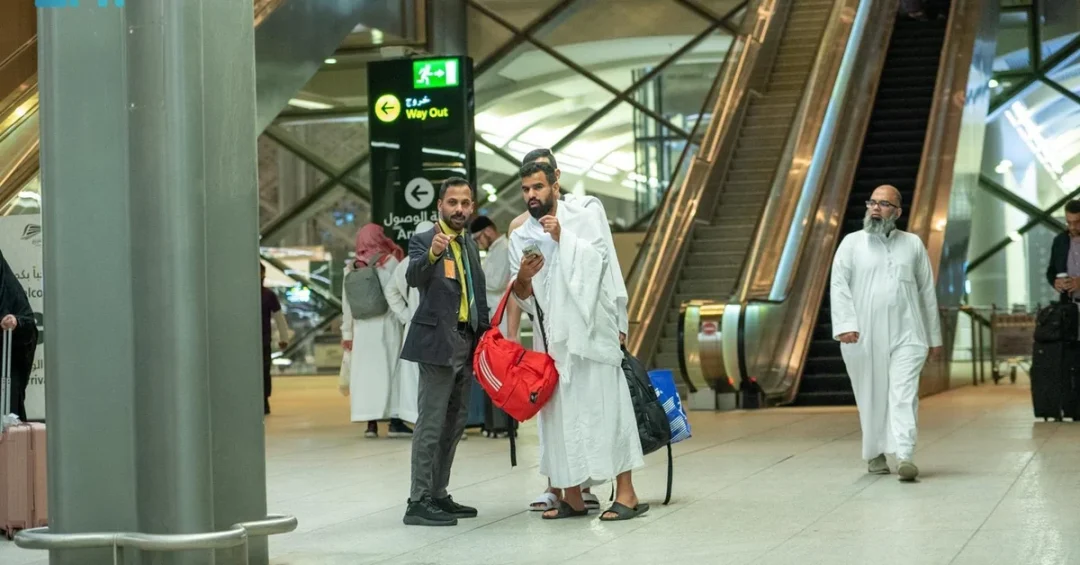
The Haramain High-Speed Railway set a new single-day passenger record on the 15th day of Ramadan 2025, transporting approximately 48,000 passengers — the highest daily figure since the service was inaugurated in 2018, according to the Saudi Press Agency (SPA). The milestone reflects the extraordinary demand for the Kingdom’s flagship rail link between Makkah and Madinah during the holy month, when millions of Umrah performers and worshippers travel to the two holy cities. Since the beginning of Ramadan, average daily ridership on the line has exceeded 39,000 passengers, underscoring the train’s role as the fastest and most convenient means of reaching Makkah. The record was announced by Saudi Arabia Railways (SAR), the state-owned operator responsible for managing and developing the Kingdom’s rail network.
The achievement is more than a statistical high point. It demonstrates how Saudi Arabia’s large-scale investment in modern transport infrastructure is directly serving the needs of pilgrims, residents, and visitors at the busiest time of the Islamic calendar. For international observers, the record offers a clear example of how the Kingdom is combining operational precision, passenger care, and world-class engineering to support the Hajj and Umrah experience — a central pillar of both its cultural identity and its economic diversification agenda. How does a single railway line manage to move tens of thousands of worshippers in a day while maintaining safety, comfort, and punctuality? The answer lies in careful planning, sustained investment, and a service culture that places the pilgrim at the centre of every decision.
Context and Background
What makes the Haramain High-Speed Railway such a strategically important asset for the Kingdom? Inaugurated in 2018, the 453-kilometre electric line connects Makkah and Madinah, passing through Jeddah, King Abdulaziz International Airport, and King Abdullah Economic City. It is one of the most prominent transportation projects serving worshippers year-round, and it ranks among the top ten fastest trains in the world, with an operational speed of up to 300 kilometres per hour. The railway was designed from the outset to reduce travel times between the holy cities, ease road congestion, and provide a reliable alternative to long-distance bus and car journeys during peak pilgrimage seasons.
The line’s importance grows every year as the number of Umrah performers and visitors continues to rise. Saudi Arabia has invested heavily in expanding capacity at the Grand Mosque in Makkah and the Prophet’s Mosque in Madinah, and the railway forms an integral part of that broader ecosystem. By linking the two holy cities with Jeddah’s international gateway, the train allows international pilgrims to land at King Abdulaziz International Airport and reach Makkah or Madinah without long road transfers. For many travellers, the journey has become a seamless extension of their spiritual visit rather than a logistical burden.
Ramadan has always been the most demanding period for transport operators in the western region of Saudi Arabia. The holy month brings a surge in Umrah traffic, with worshippers arriving from across the Kingdom and around the world. In previous years, SAR has refined its Ramadan planning based on data from earlier seasons, and the 2025 operation reflects that accumulated experience. The result is a service that can scale up rapidly when demand peaks, while maintaining the standards of comfort and reliability that passengers expect.
Key Details
What exactly did Saudi Arabia Railways put in place to handle this year’s Ramadan rush? Before the season began, SAR announced a comprehensive operational plan that included providing 1.6 million seats across more than 3,400 trips on the Haramain High-Speed Railway. The plan was designed to match capacity with expected demand, and it has been adjusted in real time as passenger numbers have grown. Daily trips have gradually increased since the start of Ramadan, reaching 130 trips per day during the last ten days of the month — the period that includes the most intense nights of worship and the approach of Eid al-Fitr.
The record day itself, the 15th of Ramadan, saw around 48,000 passengers use the service. That figure represents the highest single-day ridership since the railway began operations in 2018, and it was achieved while the train continued to operate at full capacity. To accommodate the significant demand, SAR adjusted train schedules to match peak times for Umrah performers, worshippers, and visitors. Modifications were also made to passenger flow routes within stations, and extra lounges were provided at the Madinah station to facilitate smoother movement and enhance the travel experience.
These operational measures matter because they address the practical realities of moving large crowds. Pilgrims often travel in family groups, carry luggage, and need clear guidance in multiple languages. By redesigning station flows and adding waiting areas, SAR has reduced congestion at critical points such as ticket gates, platforms, and boarding areas. The additional lounges in Madinah are particularly important, as the station serves as the arrival point for many worshippers heading to the Prophet’s Mosque. The combination of more trips, better scheduling, and improved station management has allowed the railway to absorb record demand without compromising safety or service quality.
International and Regional Impact
How does a record-setting day on a Saudi railway resonate beyond the Kingdom’s borders? For international pilgrims, the Haramain High-Speed Railway has become a familiar and trusted part of the Umrah and Hajj journey. Travellers from Southeast Asia, the Middle East, Africa, Europe, and the Americas use the line as a fast, comfortable connection between Jeddah, Makkah, and Madinah. The record ridership during Ramadan 2025 sends a clear signal that Saudi Arabia can handle large-scale religious tourism with efficiency and dignity, reinforcing its reputation as a capable host for millions of guests each year.
Regionally, the railway is a showcase for Gulf cooperation and infrastructure ambition. It connects with Jeddah’s King Abdulaziz International Airport, one of the busiest aviation hubs in the region, and with King Abdullah Economic City, a major development zone on the Red Sea coast. The line’s success supports broader efforts to integrate transport networks across the Kingdom, including planned links to the wider rail and metro systems under development. For neighbouring countries and international partners, the Haramain project demonstrates how high-speed rail can serve both domestic mobility and cross-border pilgrimage traffic, offering a model that other regions may study as they plan their own connectivity projects.
Economic and Strategic Significance
Why does the record matter for Saudi Arabia’s economy and long-term strategy? The Haramain High-Speed Railway is a key component of the Kingdom’s transport and logistics sector, which the government has identified as a priority for diversification. By moving large numbers of passengers efficiently, the railway reduces pressure on roads, lowers emissions per passenger compared with car travel, and supports the broader goal of creating a modern, sustainable transport network. The operational success during Ramadan also demonstrates the commercial viability of high-speed rail in the region, attracting interest from investors and partners who see potential in similar projects.
Strategically, the railway strengthens Saudi Arabia’s ability to host religious tourism at scale. Umrah and Hajj are central to the Kingdom’s cultural and economic life, and the government has set ambitious targets to increase the number of pilgrims in the coming years. Reliable, high-capacity transport is essential to meeting those targets. The Ramadan 2025 performance shows that the infrastructure can cope with peak demand, giving planners confidence as they prepare for future seasons. It also supports the wider Vision 2030 goal of enhancing the quality of life for citizens and visitors by providing safe, efficient, and modern public services.
Vision 2030 Alignment
How does this achievement connect to Saudi Arabia’s Vision 2030? The Vision, launched in 2016, aims to diversify the economy, improve public services, and position the Kingdom as a global hub for trade, tourism, and investment. The Haramain High-Speed Railway directly supports several of these objectives: it enhances the pilgrimage experience, boosts the transport and logistics sector, and showcases Saudi engineering and operational excellence. The record ridership during Ramadan 2025 is a tangible result of sustained investment in infrastructure that serves both residents and the millions of international visitors who come to the Kingdom each year.
Looking ahead, Saudi Arabia Railways is expected to continue expanding capacity and improving services on the Haramain line and across the national network. The lessons learned during this Ramadan — from schedule adjustments to station management — will inform future operations and help the Kingdom prepare for even larger volumes of pilgrims. As Saudi Arabia continues its journey toward Vision 2030, the Haramain High-Speed Railway stands as a symbol of what the country can achieve: a modern, efficient, and welcoming service that connects the holy cities and brings the world to the heart of the Islamic faith. The record set on the 15th day of Ramadan is not just a number; it is a promise of continued progress and service to the guests of God.
20 Questions
Q1. What record did the Haramain High-Speed Railway set during Ramadan 2025?
A1. The railway transported approximately 48,000 passengers on the 15th day of Ramadan, the highest single-day ridership since its inauguration in 2018, according to the Saudi Press Agency.
Q2. What was the average daily ridership on the Haramain line during Ramadan?
A2. Since the beginning of Ramadan, average daily ridership exceeded 39,000 passengers, reflecting strong demand for the train as the fastest means of reaching Makkah.
Q3. How many daily trips did the railway operate during the last ten days of Ramadan?
A3. Saudi Arabia Railways increased daily trips to 130 per day during the last ten days of the holy month to accommodate peak demand from Umrah performers and visitors.
Q4. Which cities does the Haramain High-Speed Railway connect?
A4. The 453-kilometre line connects Makkah and Madinah, passing through Jeddah, King Abdulaziz International Airport, and King Abdullah Economic City.
Q5. What is the operational speed of the Haramain train?
A5. The train operates at speeds of up to 300 kilometres per hour, ranking among the top ten fastest trains in the world.
Q6. Who operates the Haramain High-Speed Railway?
A6. The railway is operated by Saudi Arabia Railways (SAR), the state-owned entity responsible for managing and developing the Kingdom’s rail network.
Q7. What was included in SAR’s operational plan for Ramadan?
A7. The plan provided 1.6 million seats across more than 3,400 trips on the Haramain High-Speed Railway, with schedules adjusted to match peak pilgrimage times.
Q8. What modifications were made at the Madinah station?
A8. Extra lounges were provided at the Madinah station to facilitate smoother movement and enhance the travel experience for worshippers and visitors.
Q9. Why is the Haramain railway important for Umrah performers?
A9. It offers a fast, comfortable, and reliable connection between Jeddah, Makkah, and Madinah, reducing travel time and road congestion during peak seasons.
Q10. When was the Haramain High-Speed Railway inaugurated?
A10. The railway was inaugurated in 2018 and has since become a key transportation project serving worshippers year-round.
Q11. How does the railway support Saudi Arabia’s Vision 2030?
A11. It enhances the pilgrimage experience, boosts the transport and logistics sector, and showcases Saudi engineering and operational excellence, aligning with Vision 2030 goals.
Q12. What adjustments did SAR make to train schedules during Ramadan?
A12. SAR adjusted schedules to match peak times for Umrah performers, worshippers, and visitors, increasing daily trips gradually as demand grew.
Q13. How does the railway contribute to reducing road congestion?
A13. By transporting tens of thousands of passengers daily, the train reduces the number of vehicles on roads between Jeddah, Makkah, and Madinah, easing traffic during peak periods.
Q14. What role does King Abdulaziz International Airport play in the railway network?
A14. The airport is a key station on the line, allowing international pilgrims to land in Jeddah and connect directly to Makkah or Madinah by train.
Q15. What is King Abdullah Economic City’s connection to the railway?
A15. King Abdullah Economic City is one of the stations on the Haramain line, linking the development zone to the holy cities and Jeddah.
Q16. How many trips were included in SAR’s Ramadan operational plan?
A16. The plan included more than 3,400 trips across the holy month, providing 1.6 million seats to meet expected demand.
Q17. What benefits do passengers experience from the station flow modifications?
A17. Modified passenger flow routes within stations reduce congestion at gates and platforms, making movement smoother and improving the overall travel experience.
Q18. How does the railway support religious tourism in Saudi Arabia?
A18. It provides reliable, high-capacity transport for Umrah and Hajj pilgrims, helping the Kingdom host millions of visitors efficiently and comfortably each year.
Q19. What does the record ridership indicate about Saudi infrastructure?
A19. It demonstrates the Kingdom’s ability to plan, operate, and scale up world-class transport infrastructure to meet peak demand during the busiest periods of the Islamic calendar.
Q20. What can be expected for the Haramain railway in future seasons?
A20. SAR is expected to continue expanding capacity and improving services, using lessons from Ramadan 2025 to prepare for even larger volumes of pilgrims in the years ahead.
Reader Feedback
We value your thoughts. Please share your feedback on this article.
Your feedback helps us improve our coverage.