


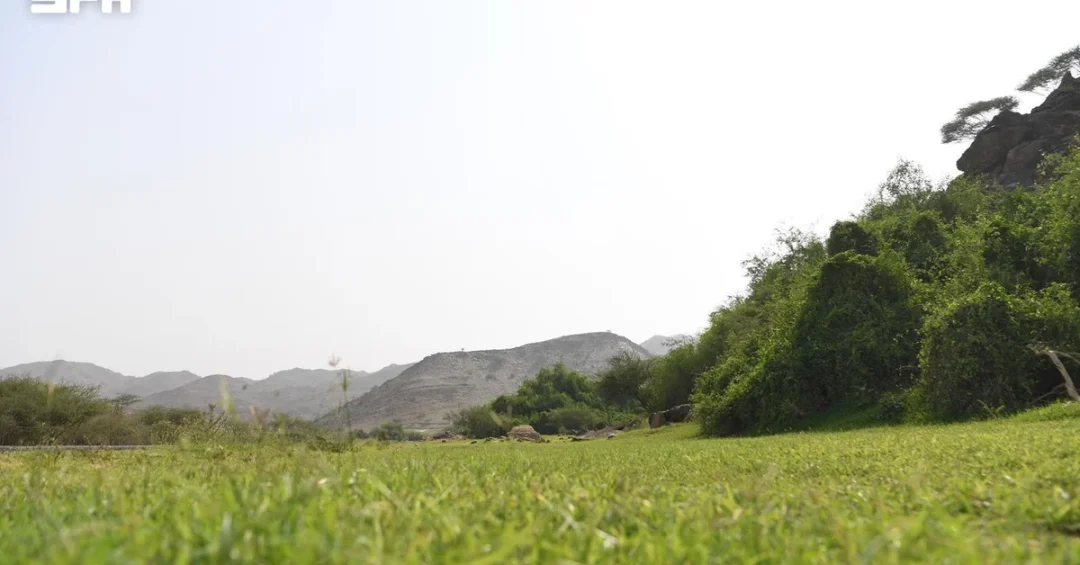
Seasonal October rains across Jazan Region have transformed the Kingdom’s southwestern corner into a showcase of nature and rural tourism, with waterfalls, terraces, and coastal scenery drawing visitors to a landscape that spans mountains, valleys, farmland, and shoreline within a single day, according to the Saudi Press Agency (SPA). The rainfall, which covered the regional capital and its 16 governorates, has revived seasonal streams, nourished agricultural terraces, and opened what officials describe as a new chapter for tourism in a region already known for its natural diversity. Could any other part of the Kingdom offer such a compact journey from misty highland peaks to warm Red Sea waters in a matter of hours?
The transformation is both visual and economic. In the highlands, waterfalls now cascade over rock formations, agricultural terraces stand out amid lush greenery, and mist drifts around villages and panoramic overlooks. Below, streams wind through valleys and farmland, revealing natural features that appear only after seasonal rainfall. Along the coast and neighboring islands, mild weather invites strolls on waterfronts, while public parks and promenades offer spaces for relaxation. Because these contrasting environments lie close together, visitors can explore mountain peaks, valleys, rural farms, and the seaside within a single day, a rarity that positions Jazan as a distinctive destination within Saudi Arabia’s expanding tourism map.
Context and Background
Why does Jazan’s seasonal rainfall matter so much to the Kingdom’s tourism ambitions? Jazan Region occupies a special place in Saudi geography. Situated in the southwest along the Red Sea, it combines the highest peaks in the country with fertile plains, coastal cities, and more than 100 islands. The region’s climate, influenced by monsoon patterns from the Indian Ocean, produces a distinct rainy season in October that differs markedly from the arid conditions found across much of the Arabian Peninsula. This seasonal rhythm has shaped local agriculture for generations, supporting terraced farming on mountain slopes and grazing pastures for camels, cattle, and sheep.
The rains also herald a promising farming season, nourishing terraces and fields and reviving pastures that sustain traditional livestock herding. What was once primarily an agricultural cycle is now increasingly viewed through a tourism lens, as working farms become agritourism attractions that showcase local produce and traditional rural life. This shift reflects broader changes in how Saudi Arabia presents its regions to domestic and international visitors, emphasizing authentic experiences rooted in local culture and landscape rather than exclusively focusing on urban attractions.
Jazan’s development trajectory has been supported by national investment in roads, airports, and hospitality infrastructure. The region is home to the Farasan Islands, a marine reserve known for its biodiversity, and the mountainous hinterland that rises dramatically from the coastal plain. These assets have long been recognized within the Kingdom, but the October rains provide an annual reminder of how quickly the landscape can change and how appealing that change is to travelers seeking cooler temperatures and green scenery.
Key Details of the Seasonal Transformation
What exactly do visitors encounter during this period? In the highlands, seasonal waterfalls cascade over rock formations, creating temporary spectacles that disappear in drier months. Agricultural terraces, some cultivated for centuries, stand out amid lush greenery, demonstrating a form of land management adapted to steep terrain and variable rainfall. Mist drifts around villages and panoramic overlooks, adding an atmospheric quality that photographers and nature enthusiasts find compelling. These features are not permanent fixtures but ephemeral rewards for those who time their visits to the rainy season.
Below the highlands, streams wind through valleys and farmland, revealing natural features that appear only after seasonal rainfall. The water supports irrigation and replenishes groundwater, benefiting crops and livestock alike. For rural communities, this is a period of renewed activity: fields are prepared, herds graze on revived pastures, and local markets begin to fill with seasonal produce. The integration of farming and tourism means visitors can observe and participate in these activities, purchasing honey, coffee, fruit, and traditional handicrafts directly from producers.
Along the coast and neighboring islands, mild weather invites strolls on waterfronts, while public parks and promenades offer spaces for relaxation. The Red Sea coastline near Jazan is known for its beaches and mangrove ecosystems, and the islands offshore provide opportunities for diving, fishing, and wildlife observation. Because these contrasting environments lie close together, visitors can explore mountain peaks, valleys, rural farms, and the seaside within a single day. This compactness reduces travel time and allows for diverse itineraries that appeal to families, adventure travelers, and cultural tourists alike.
The season’s economic benefits extend across hospitality, dining, transportation, families in the cottage industry, and small artisanal businesses. Hotels and guesthouses in the regional capital and surrounding areas report increased occupancy, while local guides and drivers benefit from demand for tours. Artisans producing traditional crafts, from weaving to pottery, find new markets among visitors seeking authentic souvenirs. This multiplier effect reinforces Jazan’s standing as a premier year-round destination for nature and rural tourism, with the rainy season serving as a particularly active period.
International and Regional Impact
How does Jazan’s seasonal appeal fit into Saudi Arabia’s broader tourism strategy? The Kingdom has set ambitious targets for international visitor numbers as part of Vision 2030, aiming to diversify the economy beyond oil. While destinations such as AlUla, NEOM, and the Red Sea Project have attracted global attention, regions like Jazan offer complementary experiences that highlight the country’s environmental and cultural diversity. International travelers increasingly seek authentic, nature-based tourism, and Jazan’s combination of mountains, farms, and coast aligns well with that demand.
Regionally, the October rains position Jazan as a competitor to other monsoon-influenced destinations in the Middle East and beyond. Visitors from neighboring Gulf countries can reach the region by domestic flights or road, making it accessible for weekend trips and family holidays. The presence of traditional villages and agricultural practices adds a cultural dimension that distinguishes Jazan from purely resort-based destinations. As awareness grows through media coverage and word of mouth, the region is likely to attract more repeat visitors and longer stays.
From a diplomatic and soft power perspective, showcasing regions like Jazan supports Saudi Arabia’s narrative of modernization and openness. International journalists and influencers who visit during the rainy season can document the Kingdom’s natural beauty and hospitality, contributing to a more nuanced global perception. This aligns with the objectives of the Saudi Tourism Authority and the Ministry of Tourism, which have worked to streamline visa processes and promote lesser-known destinations.
Economic and Strategic Significance
What economic value does seasonal tourism generate for local communities? The benefits are distributed across multiple sectors. Hospitality businesses, from small guesthouses to larger hotels, see increased demand. Restaurants and food vendors serve both visitors and locals, with seasonal produce featuring prominently. Transportation providers, including car rental agencies and local drivers, benefit from tourists moving between mountain and coastal sites. Families involved in cottage industries, such as honey production, coffee roasting, and handicraft manufacturing, gain direct income opportunities.
Small artisanal businesses also thrive, as visitors seek unique products that reflect Jazan’s heritage. This economic activity helps to create jobs and retain young people in rural areas, countering migration to larger cities. The Saudi government has supported such development through programs that encourage entrepreneurship and provide training in hospitality and tourism services. By linking agriculture and tourism, Jazan creates a more resilient local economy that can weather fluctuations in any single sector.
Strategically, the region’s development contributes to national food security goals. The rains revive pastures and support crop production, reducing reliance on imports for certain goods. Agritourism provides additional income for farmers, making agricultural livelihoods more sustainable. This integration of food production and tourism is a model that other regions in the Kingdom could adapt, particularly those with distinctive natural features and cultural traditions.
Vision 2030 Alignment
How does Jazan’s rainy season tourism connect to Vision 2030? The Kingdom’s transformation plan emphasizes economic diversification, with tourism identified as a key growth sector. Vision 2030 aims to increase the tourism sector’s contribution to GDP and create jobs for Saudi citizens. Jazan’s natural and rural tourism directly supports these goals by attracting visitors, generating revenue, and employing local residents in hospitality, guiding, and artisanal production. The region’s ability to offer diverse experiences within a compact area makes it an efficient contributor to national tourism targets.
Furthermore, Vision 2030 prioritizes quality of life and environmental sustainability. The preservation of agricultural terraces, the promotion of agritourism, and the careful management of coastal and mountain ecosystems align with these objectives. By showcasing Jazan’s seasonal beauty, Saudi Arabia demonstrates that its natural heritage is not limited to deserts but includes verdant mountains, flowing streams, and fertile farmland. This narrative enriches the Kingdom’s international image and invites the world to discover a different side of Saudi Arabia.
As the October rains continue to nourish Jazan, the region stands as a testament to the Kingdom’s ability to leverage its natural assets for sustainable development. With continued investment in infrastructure and promotion, Jazan is poised to become a leading destination for nature and rural tourism, contributing to Vision 2030’s vision of a diversified, prosperous, and welcoming Saudi Arabia.
20 Questions
Q1. What natural features appear in Jazan after the October rains?
A1. Seasonal waterfalls cascade over rock formations, streams wind through valleys and farmland, and mist drifts around villages and panoramic overlooks, creating landscapes that appear only after seasonal rainfall.
Q2. How many governorates are covered by the October rains in Jazan Region?
A2. The rains cover the regional capital and its 16 governorates, according to the Saudi Press Agency, bringing seasonal changes across a wide area of southwestern Saudi Arabia.
Q3. Why is Jazan considered unique for tourism within Saudi Arabia?
A3. Jazan combines mountains, valleys, farmland, and coastlines within easy reach of one another, allowing visitors to explore diverse environments in a single day.
Q4. What agricultural activities benefit from the October rains?
A4. The rains nourish terraces and fields, revive pastures for camels, cattle, and sheep, and herald a promising farming season for local communities.
Q5. How do working farms contribute to tourism in Jazan?
A5. Working farms become agritourism attractions, showcasing local produce and traditional rural life to visitors, thereby linking agriculture with tourism experiences.
Q6. What economic sectors benefit from the seasonal tourism boost?
A6. Hospitality, dining, transportation, families in the cottage industry, and small artisanal businesses all benefit, reinforcing Jazan’s standing as a premier destination.
Q7. What can visitors do along Jazan’s coast during the rainy season?
A7. Mild weather invites strolls on waterfronts, while public parks and promenades offer spaces for relaxation along the Red Sea coast and neighboring islands.
Q8. How does the rainy season support local cottage industries?
A8. Increased visitor numbers create demand for traditional products such as honey, coffee, handicrafts, and other locally made goods, providing income for families and artisans.
Q9. What is the significance of Jazan’s agricultural terraces?
A9. Terraces, some cultivated for centuries, demonstrate land management adapted to steep terrain and support crops during the rainy season, adding scenic and cultural value.
Q10. How does Jazan’s tourism align with Vision 2030?
A10. Vision 2030 seeks economic diversification and tourism growth; Jazan’s nature and rural tourism attract visitors, create jobs, and contribute to GDP while promoting sustainability.
Q11. What role does the Saudi Press Agency play in reporting Jazan’s seasonal changes?
A11. The Saudi Press Agency provides official information about the rains and their impact, serving as a reliable source for media and the public.
Q12. How accessible is Jazan for international travelers?
A12. Jazan is accessible via domestic flights and road networks, and the Kingdom has streamlined visa processes to welcome international visitors to all regions.
Q13. What types of wildlife benefit from the revived pastures?
A13. Camels, cattle, and sheep graze on revived pastures, supporting traditional livestock herding and local agricultural livelihoods.
Q14. How does the rainy season affect Jazan’s groundwater?
A14. Seasonal streams and rainfall replenish groundwater, supporting irrigation, wells, and long-term water availability for farms and communities.
Q15. What makes Jazan a year-round destination?
A15. Its diverse environments, mild coastal weather, and cultural attractions provide opportunities for visits throughout the year, with the rainy season offering a particularly vibrant period.
Q16. How do local communities participate in the tourism economy?
A16. Communities participate through hospitality, guiding, farming, artisanal production, and transportation, gaining income and employment opportunities from increased visitor activity.
Q17. What is the significance of the Farasan Islands to Jazan tourism?
A17. The Farasan Islands are a marine reserve known for biodiversity, offering diving, wildlife observation, and eco-tourism opportunities that complement mainland attractions.
Q18. How does agritourism support food security goals?
A18. Agritourism provides additional income for farmers, making agricultural livelihoods more sustainable and encouraging continued local food production.
Q19. What infrastructure supports tourism growth in Jazan?
A19. Roads, airports, hotels, and public parks have been developed with national investment, improving access and comfort for visitors exploring the region.
Q20. What does the future hold for Jazan’s tourism sector?
A20. With continued promotion and investment, Jazan is poised to become a leading destination for nature and rural tourism, contributing to Vision 2030’s economic diversification goals.
Reader Feedback
We value your thoughts. Please share your feedback on this article.
Your feedback helps us improve our coverage.
Related articles
 Guests of the Custodian of the Two Holy Mosques Depart Madinah for Makkah
 Al-Muhammadiyah Mountains: Natural Formations Shaping Al-Shafa in Taif
 Saudi Red Sea Authority Issues First Beach Operator License
 Wadi Qura: Jazan’s Rural Tourism Gem
 Hima Cultural Area Showcases Najran’s Heritage
 Umrah Program Guests Visit Mount Uhud, Quba Mosque