


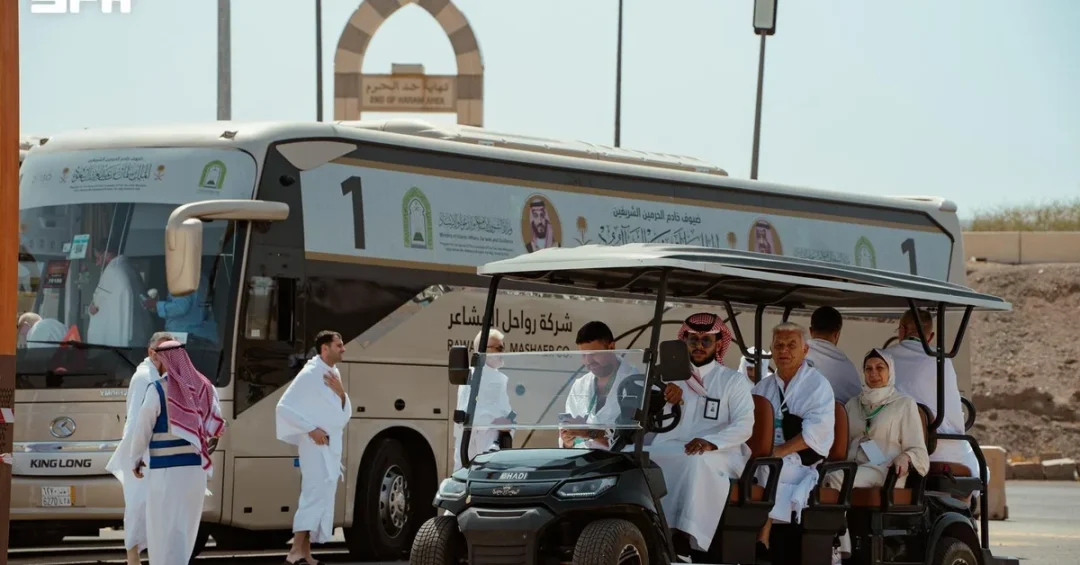
The fourth group of guests taking part in the Custodian of the Two Holy Mosques’ Guests Program for Umrah and Visit for 1448 AH departed Madinah for Makkah today to perform Umrah, following a structured itinerary supervised by the Ministry of Islamic Affairs, Dawah and Guidance that combined religious observance, cultural discovery, and field visits across the two holy cities. The departure, reported by the Saudi Press Agency, marks another milestone in a program that reflects the Kingdom’s enduring commitment to welcoming Muslims from around the world with dignity, care, and comprehensive hospitality. Have you ever wondered how a single royal initiative can touch the lives of thousands of pilgrims from dozens of countries in a single season?
The guests expressed deep delight at visiting Madinah and gratitude for the warm welcome, hospitality, and comprehensive services they received from the moment they arrived in Saudi Arabia. They noted that the programs and visits enriched their spiritual and cultural experiences, and they thanked Custodian of the Two Holy Mosques King Salman bin Abdulaziz Al Saud and His Royal Highness Prince Mohammed bin Salman bin Abdulaziz Al Saud, Crown Prince and Prime Minister, for the generous hospitality and facilities provided. The guests also commended the ministry for organizing the program and for services that facilitated their journey and helped fulfill its spiritual and cultural objectives.
Context and Background
What makes the Custodian of the Two Holy Mosques’ Guests Program such a distinctive feature of Saudi Arabia’s service to the Islamic world? The initiative, administered under the supervision of the Ministry of Islamic Affairs, Dawah and Guidance, is designed to host Muslims from various countries for Umrah and visits to the holy sites, offering them an opportunity to perform religious rites while experiencing the Kingdom’s cultural and historical heritage. The program is organized in successive groups throughout the season, with the fourth group for 1448 AH now transitioning from Madinah to Makkah to complete its spiritual journey.
Madinah has long been a central destination for pilgrims seeking to visit the Prophet’s Mosque and other significant Islamic landmarks. The guests’ itinerary in the city included religious activities as well as cultural programs and field visits that deepened their understanding of the Kingdom’s Islamic heritage. Upon completing this phase, the group traveled to Makkah to perform Umrah, the lesser pilgrimage that can be undertaken throughout the year and that holds profound spiritual meaning for Muslims worldwide. The transition from Madinah to Makkah is itself a meaningful part of the pilgrimage experience, connecting two of the holiest cities in Islam.
The program is one of several Saudi initiatives aimed at serving pilgrims and enhancing their experience. It reflects a broader national commitment to mobilizing resources and capabilities to ensure that guests of the Kingdom can perform their religious duties with ease, comfort, and spiritual fulfillment. By hosting guests from different countries, Saudi Arabia reinforces its role as a global hub for Islamic hospitality and as a bridge connecting Muslims across continents.
Key Details of the Fourth Group’s Journey
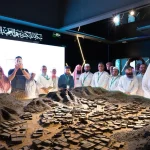
The fourth group’s departure from Madinah to Makkah today follows a carefully planned itinerary that combined worship, education, and cultural exchange. According to the Saudi Press Agency, the guests completed a program supervised by the Ministry of Islamic Affairs, Dawah and Guidance that included religious and cultural activities and field visits. These activities were designed to enrich their spiritual and cultural experiences while introducing them to the Kingdom’s heritage and the scale of services provided to pilgrims.
Guests expressed appreciation for the warm welcome and comprehensive services they received, noting that the organization of the program facilitated their journey and helped them achieve its spiritual and cultural objectives. They specifically thanked King Salman and Crown Prince Mohammed bin Salman for the generous hospitality and facilities, describing these efforts as a reflection of the wise leadership’s commitment to Islam and Muslims. Such statements underscore the personal dimension of the program, which goes beyond logistics to create a memorable and spiritually rewarding experience for each guest.
The group’s move to Makkah to perform Umrah represents the culmination of the visit’s religious component. In Makkah, guests will perform the rites of Umrah, including Tawaf around the Kaaba and Sa’i between Safa and Marwa, in an environment supported by extensive services managed by Saudi authorities. The Ministry of Islamic Affairs, Dawah and Guidance coordinates with other relevant agencies to ensure that guests receive the necessary guidance, transportation, and accommodation throughout their stay.
International and Regional Impact
How does a program like this shape international perceptions of Saudi Arabia’s role in the Islamic world? By hosting guests from a wide range of countries, the Custodian of the Two Holy Mosques’ Guests Program strengthens people-to-people ties and showcases the Kingdom’s capacity to serve millions of pilgrims annually. Guests return home with firsthand experiences of Saudi hospitality and with a deeper appreciation for the Kingdom’s efforts to preserve and enhance the holy sites. These experiences often translate into positive word-of-mouth that reinforces Saudi Arabia’s standing as a trusted destination for religious travel.
Regionally, the program contributes to Islamic solidarity by bringing together Muslims from diverse backgrounds under the umbrella of shared faith and mutual respect. It also complements Saudi Arabia’s broader diplomatic and cultural outreach, demonstrating that the Kingdom’s leadership is committed to serving Islam and Muslims beyond its borders. The guests’ expressions of gratitude to the Saudi leadership reflect the program’s success in creating goodwill and in highlighting the Kingdom’s pivotal role in facilitating religious observance.
The initiative also aligns with Saudi Arabia’s efforts to enhance the pilgrimage experience through improved infrastructure, digital services, and visitor care. As the Kingdom continues to expand capacity and streamline procedures for Umrah and Hajj, programs like this serve as a testament to the leadership’s vision of making the journey of faith as smooth and fulfilling as possible. The positive feedback from guests provides valuable insights that can inform further improvements in services for all pilgrims.
Economic and Strategic Significance
What does the success of such programs mean for Saudi Arabia’s economic and strategic priorities? Religious tourism is a key pillar of the Kingdom’s diversification efforts, contributing to sectors such as hospitality, transportation, retail, and cultural heritage. By hosting guests and facilitating their visits, Saudi Arabia demonstrates the reliability and quality of its pilgrimage infrastructure, which in turn supports the growth of Umrah and Hajj-related travel throughout the year. This aligns with national goals to increase the number of pilgrims and enhance the overall experience.
Strategically, the program reinforces Saudi Arabia’s position as the custodian of the Two Holy Mosques and as a leader in serving the global Muslim community. It reflects a long-term commitment to investing in the holy cities and in the systems that support pilgrims, from expanded airport capacity to upgraded accommodation and digital platforms. These investments not only benefit guests of the program but also improve services for all visitors, creating a virtuous cycle of improvement and satisfaction.
The guests’ gratitude and their recognition of the leadership’s dedication highlight the soft power dimension of the initiative. By providing care and attention to visitors, Saudi Arabia builds enduring relationships and showcases its cultural and religious heritage. This, in turn, supports the Kingdom’s broader vision of becoming a global destination for religious and cultural tourism, with positive spillovers for economic growth and international engagement.
Vision 2030 Alignment
How does the Custodian of the Two Holy Mosques’ Guests Program fit into Saudi Vision 2030? The Vision, launched by Crown Prince Mohammed bin Salman, aims to diversify the economy, enhance the quality of life, and strengthen the Kingdom’s role as a global hub for trade, tourism, and culture. Serving pilgrims is a central element of this vision, with ambitious targets to increase Umrah and Hajj capacity and to enrich the spiritual and cultural journey of every visitor. The program directly supports these objectives by providing exemplary services and by showcasing the Kingdom’s capabilities.
Moreover, the initiative reflects the Vision’s emphasis on humanitarian and Islamic values, demonstrating that Saudi Arabia’s modernization goes hand in hand with its commitment to its religious responsibilities. By hosting guests from around the world, the Kingdom promotes cultural exchange and mutual understanding, which are essential components of its international outreach. The positive experiences of the fourth group’s guests serve as a powerful endorsement of the Kingdom’s efforts and as a reminder of the leadership’s dedication to serving Islam and Muslims.
As the guests depart Madinah for Makkah to perform Umrah, their journey symbolizes the enduring bond between the Kingdom and the global Muslim community. It also highlights the success of a program that continues to grow in scale and impact, year after year. Under the guidance of King Salman and Crown Prince Mohammed bin Salman, Saudi Arabia remains steadfast in its mission to serve pilgrims with excellence and to advance a vision that benefits the entire Islamic world.
20 Questions
Q1. What is the Custodian of the Two Holy Mosques’ Guests Program?
A1. It is a Saudi initiative that hosts Muslims from various countries for Umrah and visits to the holy sites, supervised by the Ministry of Islamic Affairs, Dawah and Guidance, to enrich their spiritual and cultural experiences.
Q2. Who departed Madinah for Makkah today?
A2. The fourth group of guests participating in the Custodian of the Two Holy Mosques’ Guests Program for Umrah and Visit for 1448 AH departed Madinah for Makkah to perform Umrah.
Q3. Which ministry supervises the program?
A3. The Ministry of Islamic Affairs, Dawah and Guidance supervises the program, organizing religious and cultural activities and field visits for the guests.
Q4. What activities did the guests undertake in Madinah?
A4. They participated in religious and cultural activities and field visits, which enriched their spiritual and cultural experiences and introduced them to the Kingdom’s heritage.
Q5. How did the guests describe their experience in Saudi Arabia?
A5. They expressed delight at visiting Madinah and appreciation for the warm welcome, hospitality, and comprehensive services they received, noting that the programs enriched their spiritual and cultural experiences.
Q6. Whom did the guests thank for the hospitality?
A6. They thanked Custodian of the Two Holy Mosques King Salman bin Abdulaziz Al Saud and Crown Prince Mohammed bin Salman bin Abdulaziz Al Saud for the generous hospitality and facilities provided.
Q7. What did the guests say about the Saudi leadership?
A7. They said the efforts reflect the wise leadership’s commitment to Islam and Muslims and its dedication to mobilizing resources to serve pilgrims.
Q8. What is the significance of the guests moving from Madinah to Makkah?
A8. It marks the transition to performing Umrah in Makkah, completing the religious component of their visit and fulfilling a central objective of the program.
Q9. What is Umrah?
A9. Umrah is the lesser pilgrimage to Makkah that can be performed throughout the year, involving rites such as Tawaf around the Kaaba and Sa’i between Safa and Marwa.
Q10. How does the program reflect Saudi Arabia’s commitment to Islam?
A10. It demonstrates the Kingdom’s dedication to serving Muslims worldwide by providing hospitality, facilitating religious observance, and mobilizing resources to ensure a fulfilling pilgrimage experience.
Q11. What role does the Ministry of Islamic Affairs, Dawah and Guidance play?
A11. The ministry organizes the program, coordinates religious and cultural activities, and provides services that facilitate the guests’ journey and help achieve its spiritual and cultural objectives.
Q12. How do guests benefit from the program?
A12. Guests gain the opportunity to perform Umrah and visit holy sites, while enjoying organized activities that deepen their spiritual and cultural understanding and provide comfort throughout their stay.
Q13. What impact does the program have on international perceptions of Saudi Arabia?
A13. It strengthens people-to-people ties and showcases Saudi hospitality and organizational capacity, reinforcing the Kingdom’s standing as a trusted destination for religious travel.
Q14. How does the program contribute to Islamic solidarity?
A14. By bringing together Muslims from diverse backgrounds, it fosters mutual respect and unity under shared faith, reflecting Saudi Arabia’s role as a bridge connecting the global Muslim community.
Q15. What economic benefits does religious tourism bring to Saudi Arabia?
A15. It supports sectors such as hospitality, transportation, retail, and heritage, contributing to economic diversification and the growth of Umrah and Hajj-related travel throughout the year.
Q16. How does the program align with Saudi Vision 2030?
A16. It supports Vision 2030 goals of enhancing pilgrimage capacity and enriching visitor experiences, while promoting cultural exchange and showcasing the Kingdom’s modernization and religious commitment.
Q17. What services are provided to guests during their journey?
A17. Guests receive comprehensive services including accommodation, transportation, guidance, and organized religious and cultural activities, ensuring a smooth and spiritually rewarding experience.
Q18. How many groups participate in the program?
A18. The program is organized in successive groups throughout the season, with the fourth group for 1448 AH currently completing its journey from Madinah to Makkah.
Q19. What did guests say about the ministry’s organization?
A19. They commended the ministry for organizing the program and providing services that facilitated their journey and helped fulfill its spiritual and cultural objectives.
Q20. What does the future hold for the Custodian of the Two Holy Mosques’ Guests Program?
A20. The program is expected to continue growing in scale and impact, further enhancing Saudi Arabia’s service to pilgrims and supporting the Kingdom’s vision of excellence in religious hospitality.
Reader Feedback
We value your thoughts. Please share your feedback on this article.
Your feedback helps us improve our coverage.
Related articles
 Al-Muhammadiyah Mountains: Natural Formations Shaping Al-Shafa in Taif
 Saudi Red Sea Authority Issues First Beach Operator License
 Wadi Qura: Jazan’s Rural Tourism Gem
 Hima Cultural Area Showcases Najran’s Heritage
 Umrah Program Guests Visit Mount Uhud, Quba Mosque
 Royal Umrah Program Guests Tour Prophet’s Biography Museum