


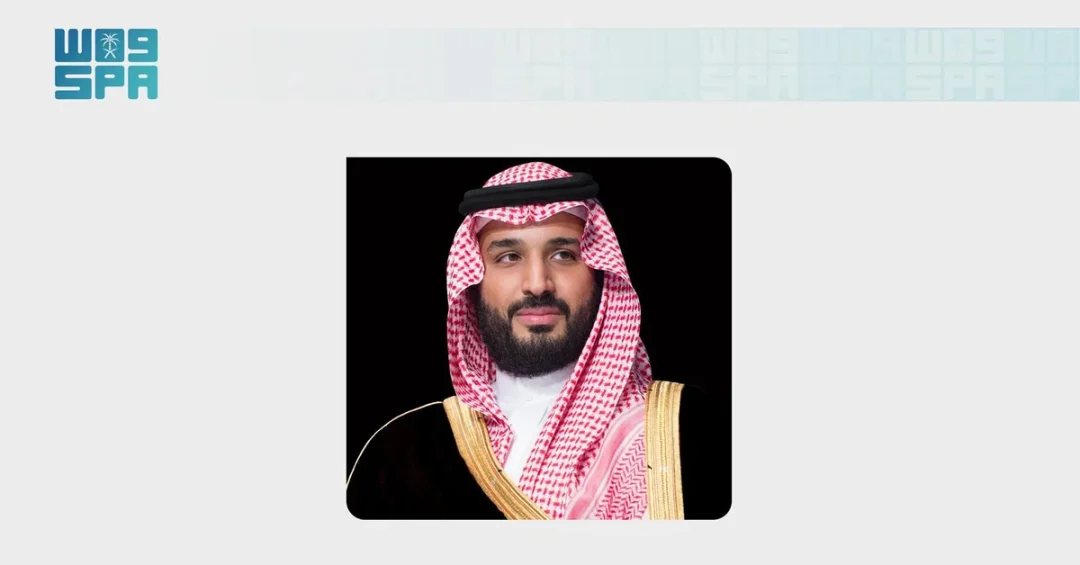
His Royal Highness Prince Mohammed bin Salman bin Abdulaziz Al Saud, Crown Prince and Prime Minister, held a phone call with Egyptian President Abdel Fattah El-Sisi on September 3, 2026, to discuss bilateral cooperation and strategies to strengthen it across multiple sectors, while addressing current regional developments and efforts to de-escalate tensions and enhance Middle East security and stability. The call, announced by the Saudi Press Agency (SPA), underscores the Kingdom’s continuing role as a stabilizing force in a region navigating complex diplomatic and security challenges. According to the official SPA report, the two leaders reviewed ways to deepen the longstanding partnership between Riyadh and Cairo and exchanged views on the latest regional and international developments.
Why does this high-level contact matter at this particular moment? The conversation comes amid heightened regional tensions and ongoing diplomatic efforts to reduce escalation across the Middle East. It reflects the Kingdom’s consistent approach of proactive engagement, dialogue, and partnership-building under the leadership of the Custodian of the Two Holy Mosques, King Salman bin Abdulaziz Al Saud, and the Crown Prince. The call also highlights the enduring strength of Saudi-Egyptian relations, which are rooted in shared strategic interests, cultural ties, and a common vision for a more stable and prosperous region. For international observers, the exchange signals that Riyadh continues to prioritize diplomacy as a tool for conflict prevention and regional cooperation.
Context and Background
What is the broader context behind this phone call? Saudi Arabia and Egypt have long maintained a close and multifaceted relationship that spans political, economic, military, and cultural domains. Cairo is one of Riyadh’s most important partners in the Arab world, and the two countries have consistently coordinated on regional security issues, including efforts to combat terrorism, stabilize conflict zones, and support legitimate governance. The September 3 call is the latest in a series of high-level consultations between the two leaderships, reflecting a shared commitment to regular strategic dialogue.
In recent years, the relationship has expanded beyond traditional diplomacy into deeper economic integration. Saudi Arabia has invested heavily in Egypt through the Public Investment Fund (PIF) and other sovereign entities, supporting infrastructure, energy, and tourism projects. In return, Egypt has provided political and security cooperation that reinforces regional stability. The two nations are also aligned on key issues such as the security of the Red Sea, the stability of the Horn of Africa, and the broader Arab consensus on regional challenges. This call therefore builds on a well-established framework of cooperation rather than marking a new departure.
Moreover, the timing is significant. The Middle East is experiencing a period of shifting alliances and persistent tensions, from the humanitarian situation in Gaza to instability in Sudan, Yemen, and the wider Red Sea corridor. In this environment, Saudi-Egyptian coordination serves as a stabilizing axis. The phone call demonstrates that both leaders remain personally engaged in managing these challenges and are committed to de-escalation through dialogue. For an international audience, this is a reminder that Saudi diplomacy is not reactive but proactive, seeking to shape a more peaceful regional order.
Key Details
What exactly did the two leaders discuss? According to the Saudi Press Agency, the Crown Prince and President El-Sisi discussed bilateral cooperation and strategies to strengthen it across multiple sectors. This broad agenda likely includes economic collaboration, trade, investment, energy, and defense ties. The two leaders also addressed current regional developments and efforts to de-escalate tensions and enhance Middle East security and stability. While the official readout did not disclose specific initiatives, the language used is consistent with previous joint statements that emphasize dialogue, mutual respect, and a rejection of extremism.
The phrase “efforts to de-escalate tensions” is particularly notable. It suggests that the conversation touched on active conflicts or flashpoints where both countries have influence. Egypt, with its diplomatic weight and historical role in Arab affairs, and Saudi Arabia, with its economic and political leverage, are uniquely positioned to mediate and promote calm. The call may have covered issues such as the situation in Gaza, the stability of Lebanon, the security of the Red Sea, or the ongoing crisis in Sudan. While details remain confidential, the public readout signals a shared determination to prevent further escalation.
Another key detail is the emphasis on strengthening bilateral cooperation “across multiple sectors.” This is not merely a diplomatic courtesy; it reflects a concrete agenda. Saudi-Egyptian economic ties have grown significantly, with Saudi investments in Egypt exceeding billions of dollars in recent years. The two countries have also cooperated on energy projects, including electricity interconnection and renewable energy. On the security front, they have conducted joint military exercises and shared intelligence. The phone call likely reviewed progress on these fronts and explored new avenues for collaboration, including in technology, tourism, and education.
International and Regional Impact
How will this call be received beyond the region? For international stakeholders, the Saudi-Egyptian partnership is a cornerstone of Middle East stability. The United States, European Union, and other global powers have consistently supported close coordination between Riyadh and Cairo as a means of addressing shared challenges such as terrorism, migration, and maritime security. The phone call reinforces the perception that these two key Arab states are aligned and engaged, which can help reassure markets, investors, and diplomatic partners.
Regionally, the call sends a message of unity. In a period when some regional actors may seek to exploit divisions, the Saudi-Egyptian axis stands as a bulwark against instability. It also signals to other Arab states that dialogue and cooperation remain the preferred path. For countries like Jordan, the UAE, and Iraq, the call is a reminder of the importance of collective action. For non-state actors and extremist groups, it is a deterrent: two of the region’s most influential powers are coordinating closely on security.
The timing also matters for ongoing mediation efforts. Egypt has historically played a role in mediating between Israel and Palestinian factions, while Saudi Arabia has supported humanitarian initiatives and reconstruction efforts. A coordinated Saudi-Egyptian approach could enhance the effectiveness of these efforts and help create conditions for a durable ceasefire or political progress. While the official readout does not mention specific mediation, the emphasis on de-escalation suggests that both leaders are actively engaged in such efforts.
Economic and Strategic Significance
What are the economic and strategic dimensions of this relationship? Saudi Arabia and Egypt are bound by more than diplomacy; they are economic partners with intertwined interests. The Kingdom is one of the largest investors in Egypt, with Saudi companies active in banking, telecommunications, real estate, and agriculture. The Public Investment Fund has announced major projects in Egypt, including in the tourism and entertainment sectors. These investments support job creation and economic growth in Egypt while providing Saudi Arabia with strategic returns and influence.
Strategically, the two countries share a vision for a stable and prosperous region that aligns with Saudi Vision 2030. Egypt’s geographic position, controlling the Suez Canal and bordering the Red Sea, makes it a vital partner for Saudi trade and energy exports. The Kingdom’s plans to diversify its economy and become a global logistics hub depend on secure maritime routes, which Egypt helps safeguard. In return, Saudi Arabia provides economic support and political backing that strengthens Egypt’s own reform agenda. The phone call likely reinforced these mutual dependencies.
Energy cooperation is another pillar. Saudi Arabia is a leading oil producer, while Egypt has become a regional hub for natural gas and electricity. The two countries have discussed electricity interconnection projects that would allow them to share power and enhance grid resilience. They also cooperate on renewable energy, with Saudi firms investing in Egyptian solar and wind projects. These initiatives are part of a broader effort to integrate regional energy markets and reduce reliance on volatile sources. The call may have reviewed progress on these projects and explored new opportunities.
Vision 2030 Alignment
How does this call align with Saudi Vision 2030? Vision 2030 is the Kingdom’s comprehensive plan to diversify its economy, empower its citizens, and strengthen its global role. A key pillar of the vision is building strategic partnerships that enhance security and open new economic opportunities. The Saudi-Egyptian relationship is a model of this approach. By coordinating with Egypt on regional security, Saudi Arabia helps create a stable environment that is essential for investment, tourism, and trade.
Moreover, the call reflects the Crown Prince’s personal commitment to active diplomacy. As Prime Minister, he has consistently engaged with regional and global leaders to advance the Kingdom’s interests and promote peace. This engagement is not only about crisis management; it is about shaping a positive vision for the future. The partnership with Egypt supports Vision 2030 goals in areas such as economic diversification, with Saudi investments in Egypt generating returns that can be reinvested in the Kingdom, and in enhancing the Kingdom’s role as a bridge between continents.
Looking ahead, the September 3 phone call is likely to be followed by further high-level exchanges and concrete initiatives. Saudi Arabia and Egypt are expected to continue coordinating on regional security, economic integration, and cultural exchange. For the international audience, the message is clear: the Kingdom remains a reliable partner and a force for stability, working with allies like Egypt to build a more peaceful and prosperous Middle East. As Vision 2030 progresses, these partnerships will only grow stronger, benefiting both nations and the wider region.
20 Questions
Q1. Who held a phone call on September 3, 2026?
A1. His Royal Highness Prince Mohammed bin Salman bin Abdulaziz Al Saud, Crown Prince and Prime Minister of Saudi Arabia, held a phone call with Egyptian President Abdel Fattah El-Sisi.
Q2. What was the main purpose of the call?
A2. The call aimed to discuss bilateral cooperation and strategies to strengthen it across multiple sectors, as well as current regional developments and efforts to de-escalate tensions.
Q3. Which agency reported the call?
A3. The Saudi Press Agency (SPA) reported the call, which is the official news agency of the Kingdom of Saudi Arabia.
Q4. What does the call say about Saudi-Egyptian relations?
A4. It highlights the strong and enduring partnership between the two countries, reflecting regular high-level consultations and shared strategic interests in regional stability and economic cooperation.
Q5. Why is de-escalation important in the Middle East?
A5. De-escalation helps prevent conflicts, protects civilians, and creates a stable environment for economic growth, investment, and diplomacy, which benefits the entire region.
Q6. How does this call align with Saudi Vision 2030?
A6. It supports Vision 2030 by strengthening strategic partnerships that enhance security, open economic opportunities, and reinforce Saudi Arabia’s role as a global leader and bridge between continents.
Q7. What economic ties exist between Saudi Arabia and Egypt?
A7. Saudi Arabia is a major investor in Egypt, with projects in banking, telecommunications, real estate, tourism, and energy. The two countries also cooperate on electricity interconnection and renewable energy.
Q8. What regional issues might have been discussed?
A8. Likely topics include the situation in Gaza, stability in Sudan, security of the Red Sea, and broader efforts to reduce tensions across the Middle East.
Q9. How does Egypt contribute to regional security?
A9. Egypt plays a key role in mediating conflicts, combating terrorism, and securing maritime routes, including the Suez Canal, which is vital for global trade.
Q10. What is the significance of the Crown Prince’s role as Prime Minister?
A10. As Prime Minister, the Crown Prince directly oversees Saudi Arabia’s domestic and foreign policies, enabling swift and high-level diplomatic engagement on regional and international matters.
Q11. How often do Saudi and Egyptian leaders communicate?
A11. They communicate regularly through phone calls, meetings, and summits to coordinate on mutual interests, reflecting the depth and continuity of their strategic partnership.
Q12. What impact could this call have on regional stability?
A12. It reinforces a unified Arab stance on de-escalation and security, which can deter conflict, encourage dialogue, and support mediation efforts in troubled areas.
Q13. What are the key sectors of Saudi-Egyptian cooperation?
A13. Key sectors include energy, trade, investment, defense, tourism, education, and technology, with growing collaboration in renewable energy and infrastructure.
Q14. How does this call reflect Saudi Arabia’s foreign policy?
A14. It demonstrates Saudi Arabia’s proactive diplomacy, commitment to dialogue, and efforts to build alliances that promote peace, security, and economic prosperity.
Q15. What role does the Red Sea play in Saudi-Egyptian relations?
A15. The Red Sea is a critical maritime corridor for trade and energy exports. Both countries share an interest in securing it against threats and ensuring freedom of navigation.
Q16. Will there be follow-up actions after this call?
A16. While specific follow-ups were not announced, such high-level calls typically lead to further coordination, joint initiatives, and continued diplomatic engagement.
Q17. How does this call benefit the Egyptian economy?
A17. It reinforces Saudi investment and support, which can boost Egyptian infrastructure, create jobs, and enhance economic stability, while also opening new markets for Saudi businesses.
Q18. What message does this call send to the international community?
A18. It signals that Saudi Arabia and Egypt are united in promoting regional stability, rejecting extremism, and pursuing peaceful solutions to conflicts.
Q19. What is the historical basis of Saudi-Egyptian relations?
A19. The relationship is rooted in shared Arab heritage, cultural ties, and decades of political, economic, and security cooperation, making it one of the strongest partnerships in the region.
Q20. How does this call support Vision 2030’s global ambitions?
A20. By strengthening ties with a key regional power, Saudi Arabia enhances its influence, secures trade routes, and attracts investment, all of which are essential for achieving Vision 2030’s goals.
Reader Feedback
We value your thoughts. Please share your feedback on this article.
Your feedback helps us improve our coverage.
Related articles
 CST Grants CSP License to NWC at LEAP 2026, Unlocking SAR455M
 Advanced Audio Studio Supports Quran Preservation at King Fahd Complex
 Hajj and Umrah Research Institute Showcases Expertise at Makkah Forum
 Border Guard launches seabed cleaning initiative in Tabuk
 Saudi Istitlaa Platform Opens 29 Projects for Public Feedback
 Saudi-Rehabilitated Griffon Vultures Settle in Armenia and Iraq