


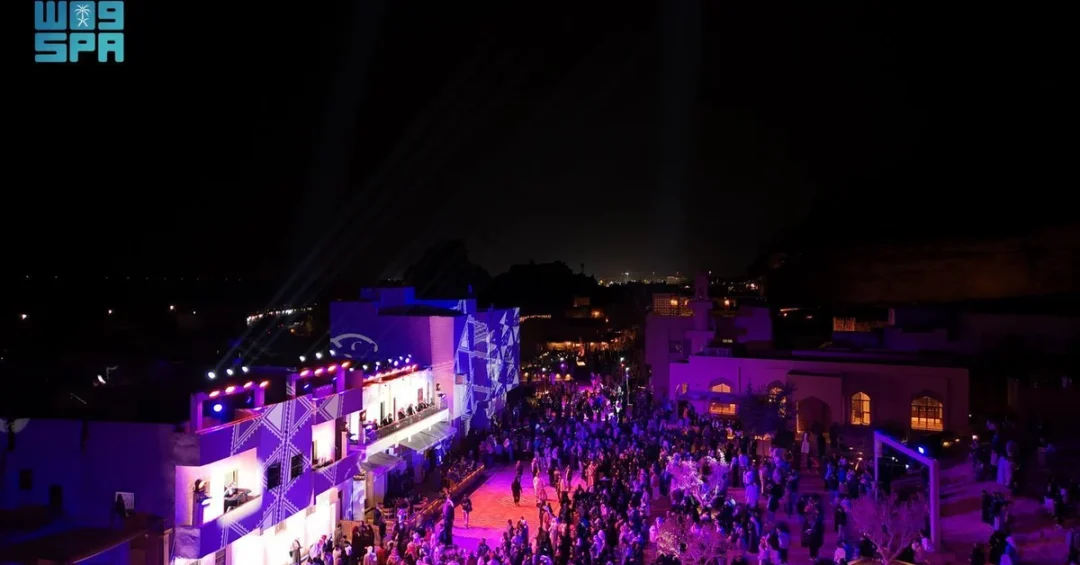
The Winter at Tantora Festival opened in AlUla on December 19, 2024, launching a season of art, culture, and heritage programming that runs through January 11, 2025, according to the Saudi Press Agency. The opening day drew large crowds to the historic oasis city in northwestern Saudi Arabia, where visitors enjoyed live musical performances, art exhibitions, guided tours of archaeological sites, and traditional folk-art displays. The festival is part of the Kingdom’s sustained effort to position AlUla as a premier global tourist destination, and it reflects the growing role of cultural tourism in the national economy.
The event is organized under the umbrella of the Royal Commission for AlUla, the government body responsible for preserving and developing the region’s natural and cultural assets. Winter at Tantora has become a signature date on the Kingdom’s cultural calendar, drawing international and domestic visitors alike. For a global audience, the opening offers a clear window into how Saudi Arabia is weaving heritage preservation, entertainment, and economic diversification into a single strategy. Why does a desert festival in an ancient oasis command such international attention? The answer lies in AlUla’s unique combination of archaeological significance, natural beauty, and modern visitor infrastructure.
Context and Background
AlUla is home to Hegra, Saudi Arabia’s first UNESCO World Heritage site, along with the Nabataean tombs of Dadan and the rock formations of Jabal Ikmah. The region was historically a crossroads on the incense trade routes, and today it serves as a living museum of pre-Islamic civilizations. Winter at Tantora was first launched in 2018 as part of a broader plan to open AlUla to international tourism, and it has since grown into a multi-week festival that combines concerts, art installations, heritage tours, and culinary experiences. The festival’s name refers to the sundial at the historic Tantora area, which traditionally marked the start of the winter planting season. What makes this annual gathering more than just a cultural event? It is a deliberate platform for cultural exchange, designed to bring together visitors from around the world with Saudi traditions, crafts, and hospitality.
The 2024-2025 edition continues that mission. According to official Saudi sources, the program caters to all ages with workshops, interactive experiences, and events that highlight local cuisine. Visitors can also explore traditional wedding customs, gaining an authentic insight into Saudi culture. The festival is one of the flagship initiatives supporting tourism and heritage under Saudi Vision 2030, the national reform plan that seeks to diversify the economy beyond oil. By hosting world-class performances and preserving ancient sites, AlUla demonstrates how cultural assets can be transformed into sustainable economic drivers. How does a festival in a remote oasis contribute to a national transformation? It does so by attracting international visitors, creating jobs, and showcasing the Kingdom’s openness to the world.
Key Details of the 2024-2025 Edition
The festival opened on December 19 and will run until January 11, offering a rich schedule of activities. The opening day featured live musical performances, art exhibitions, guided tours to archaeological sites, and traditional folk-art displays. Organizers have emphasized that the program is designed to appeal to families, culture enthusiasts, and international travelers. Workshops and interactive experiences allow visitors to engage directly with Saudi artisans, while culinary events introduce the flavors of the region. The festival also provides an opportunity to learn about traditional wedding customs, a rare cultural immersion for foreign guests. For those planning to attend, tickets and information are available on the official website: https://www.experiencealula.com/ar.
The Royal Commission for AlUla has invested heavily in visitor infrastructure, including boutique hotels, restaurants, and transport links. These developments ensure that the festival can accommodate growing numbers without compromising the integrity of heritage sites. The commission works in partnership with the Ministry of Culture and the Saudi Tourism Authority to promote the event globally. This coordinated approach reflects a broader government strategy to make tourism a key pillar of the economy. What does this mean for travelers seeking authentic experiences? It means AlUla offers a blend of ancient wonders and modern comfort, with guided access to sites that were once difficult to reach. The festival thus serves as both a celebration and a showcase for the Kingdom’s capabilities.
International and Regional Impact
Winter at Tantora has become a fixture on the regional cultural circuit, attracting artists and audiences from across the Middle East and beyond. The festival’s concerts and exhibitions often feature international performers, creating a bridge between Saudi heritage and global artistic trends. For neighboring countries, the event signals the Kingdom’s growing role as a cultural hub, complementing its economic and diplomatic weight. Regional tourism benefits as well, with visitors combining trips to AlUla with excursions to other Saudi destinations such as Riyadh, Jeddah, and the Red Sea coast. How does this festival change perceptions of Saudi Arabia? By welcoming the world to experience its heritage firsthand, the Kingdom presents a narrative of openness, preservation, and modernization.
Internationally, the event aligns with Saudi Arabia’s efforts to attract 150 million visits per year by 2030, a target set under Vision 2030. The festival’s media coverage in global travel publications helps raise AlUla’s profile alongside other ancient destinations like Petra and Luxor. Cultural diplomacy of this kind strengthens people-to-people ties and supports the Kingdom’s broader foreign policy objectives. Moreover, the presence of international visitors generates positive word-of-mouth that no advertising campaign can match. What role does cultural exchange play in modern diplomacy? It builds mutual understanding and respect, which are essential for long-term partnerships. Winter at Tantora exemplifies this soft-power approach, rooted in authentic Saudi heritage.
Economic and Strategic Significance
The economic impact of Winter at Tantora extends beyond ticket sales. The festival stimulates local businesses, from hotels and restaurants to transport providers and artisans. It creates seasonal employment for residents of AlUla and surrounding areas, supporting the Royal Commission’s goal of generating 38,000 new jobs and contributing SAR 120 billion to the national economy by 2030. By showcasing local crafts and cuisine, the festival also helps preserve traditional skills and provides income for craftspeople. This integration of culture and commerce is a hallmark of Saudi Arabia’s diversification strategy. Why is cultural tourism considered a strategic sector? Because it generates high-value visitors, supports heritage conservation, and promotes a positive national image.
Strategically, AlUla serves as a proving ground for the Kingdom’s broader tourism ambitions. The infrastructure and management expertise developed there can be replicated in other destinations, such as the Red Sea Project and Diriyah. The festival also demonstrates Saudi Arabia’s ability to host large-scale events safely and professionally, a key consideration for international event organizers. As the Kingdom prepares to host Expo 2030 in Riyadh and the 2034 FIFA World Cup, the experience gained in AlUla is invaluable. What does this mean for the future of Saudi tourism? It means a steady pipeline of world-class attractions that celebrate the Kingdom’s past while embracing its future. Winter at Tantora is not just a festival; it is a statement of intent.
Vision 2030 Alignment
Winter at Tantora directly supports Saudi Vision 2030’s goals of diversifying the economy, promoting cultural heritage, and enhancing the quality of life for citizens and residents. The festival is a tangible example of how the Kingdom is unlocking the potential of its cultural and natural assets. By attracting international visitors, it contributes to the target of increasing tourism’s share of GDP from 3% to 10%. It also aligns with the Vision’s emphasis on preserving Saudi identity and sharing it with the world. How does a festival in AlUla embody the spirit of Vision 2030? It combines respect for tradition with a forward-looking embrace of global engagement, exactly as the reform plan intends.
Looking ahead, the Royal Commission for AlUla has ambitious plans to develop the region as a year-round destination, with new museums, resorts, and cultural facilities. Winter at Tantora will remain a centerpiece of that strategy, drawing visitors during the cooler months and setting the stage for other seasonal events. The festival’s success reinforces Saudi Arabia’s position as a leader in cultural tourism and a responsible steward of world heritage. As the 2024-2025 edition unfolds, it offers the world a chance to discover AlUla’s timeless beauty and the Kingdom’s warm hospitality. For more information and ticket reservations, visit https://www.experiencealula.com/ar.
20 Questions
Q1. What is the Winter at Tantora Festival?
A1. It is an annual cultural and heritage festival held in AlUla, Saudi Arabia, featuring music, art, guided tours, and culinary events. It celebrates the region’s unique blend of ancient history and modern creativity.
Q2. When did the 2024-2025 festival begin and end?
A2. The festival opened on December 19, 2024, and will run until January 11, 2025, according to the Saudi Press Agency. It spans several weeks of programming during AlUla’s cool winter season.
Q3. Where is AlUla located?
A3. AlUla is in northwestern Saudi Arabia, about 1,100 kilometers from Riyadh. It is home to UNESCO World Heritage site Hegra and stunning desert landscapes.
Q4. What activities are offered at the festival?
A4. Activities include live musical performances, art exhibitions, guided tours to archaeological sites, traditional folk-art displays, workshops, interactive experiences, culinary events, and insights into traditional wedding customs.
Q5. Who organizes the Winter at Tantora Festival?
A5. The Royal Commission for AlUla, a government body, organizes the festival in partnership with the Ministry of Culture and the Saudi Tourism Authority, as part of Vision 2030 tourism goals.
Q6. Why is the festival important for Saudi Arabia?
A6. It supports economic diversification by attracting international visitors, creates jobs, and showcases Saudi heritage. It is a flagship initiative under Vision 2030 to boost tourism and cultural exchange.
Q7. How does the festival support Vision 2030?
A7. It contributes to the goal of increasing tourism’s GDP share from 3% to 10% and attracting 150 million visits annually by 2030. It also promotes cultural preservation and global engagement.
Q8. What is the significance of the name “Tantora”?
A8. Tantora refers to a historic sundial in AlUla that traditionally marked the start of the winter planting season. The festival takes its name from this heritage symbol.
Q9. Can international visitors attend the festival?
A9. Yes, the festival welcomes visitors from around the world. Saudi Arabia offers tourist visas, and the official website provides information on travel and tickets.
Q10. How can people get tickets?
A10. Tickets and information are available on the official website: https://www.experiencealula.com/ar. Visitors can book online and find details about schedules and accommodations.
Q11. What archaeological sites can visitors explore?
A11. Visitors can tour Hegra, Saudi Arabia’s first UNESCO World Heritage site, as well as Dadan, Jabal Ikmah, and other ancient Nabataean and Dadanite ruins in the AlUla region.
Q12. What cultural experiences are unique to the festival?
A12. The festival offers insights into traditional Saudi wedding customs, local cuisine, folk art, and hands-on workshops with artisans, providing an authentic cultural immersion for guests.
Q13. How does the festival promote cultural exchange?
A13. By bringing together international artists, performers, and visitors with Saudi traditions, it fosters mutual understanding and showcases the Kingdom’s openness to global cultures.
Q14. What economic benefits does the festival bring to AlUla?
A14. It stimulates local businesses, creates seasonal jobs, supports artisans, and contributes to the Royal Commission’s goal of generating 38,000 jobs and SAR 120 billion in economic impact by 2030.
Q15. Is the festival family-friendly?
A15. Yes, the program caters to all ages with workshops, interactive experiences, and entertainment suitable for children and adults alike, making it a destination for families.
Q16. What is the weather like in AlUla during the festival?
A16. AlUla enjoys mild, pleasant winter weather in December and January, ideal for outdoor activities and exploring archaeological sites comfortably.
Q17. How does the festival reflect Saudi Arabia’s modernization?
A17. It combines heritage preservation with world-class entertainment and infrastructure, demonstrating the Kingdom’s balanced approach to progress under Vision 2030.
Q18. Are there other events in AlUla besides Winter at Tantora?
A18. Yes, AlUla hosts year-round events including art exhibitions, cultural festivals, and sports activities, as part of its development as a comprehensive tourist destination.
Q19. What role does the Royal Commission for AlUla play?
A19. It is responsible for preserving and developing AlUla’s natural and cultural heritage, managing tourism infrastructure, and organizing events like Winter at Tantora in line with Vision 2030.
Q20. How can I learn more about the festival?
A20. Visit the official website at https://www.experiencealula.com/ar for detailed information on the program, tickets, travel tips, and accommodations.
Reader Feedback
We value your thoughts. Please share your feedback on this article.
Your feedback helps us improve our coverage.
Related articles
 Montenegro Guests Hail Saudi Efforts in Serving Islam
 Riyadh Season Surpasses 12 Million Visitors
 Guests of Custodian of the Two Holy Mosques Program Visit Holy Quran Printing Complex
 Guests of Custodian of the Two Holy Mosques Program Visit Mount Uhud, Quba Mosque
 Umrah Guests Praise Madinah’s Heritage Sites
 Saudi Passports Directorate Completes AROYA Inaugural Voyage