


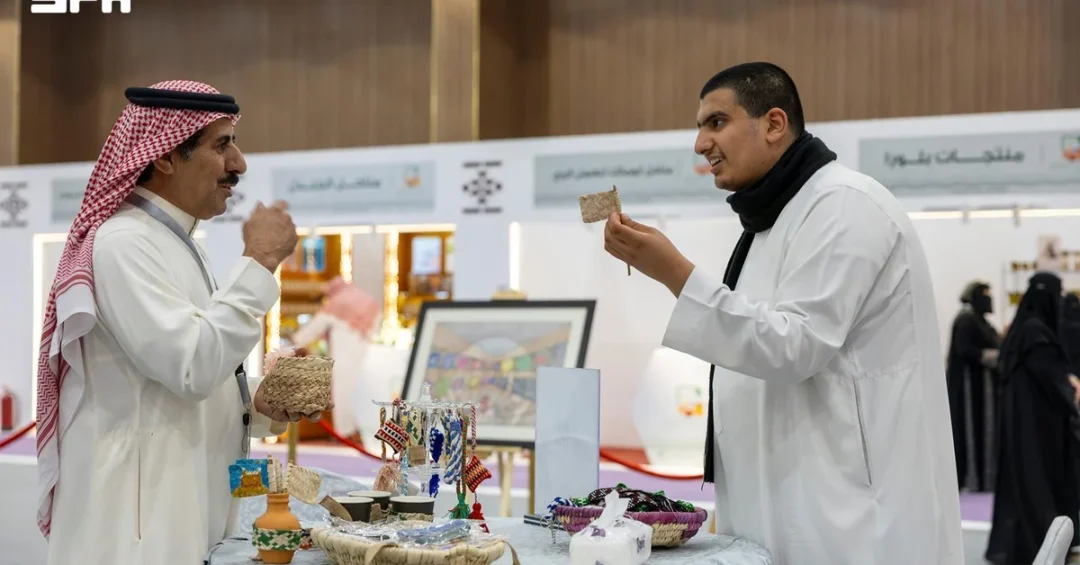
Artists at the Agricultural Processing Products Festival in Dumat Al-Jandal, organized by the Al-Jouf branch of the Ministry of Environment, Water and Agriculture, showcased sculptures crafted from date seeds and palm fronds, alongside paintings and handicrafts using natural pigments derived from stones and aromatic plants, the Saudi Press Agency reported. The festival, which concluded on Saturday, highlighted the creative potential of local agricultural by-products and aimed to raise awareness of processing industries based on Al-Jouf Region’s abundant produce, including dates, olives, honey, vegetables, and fruits.
Have you ever considered how the humble date seed could become a work of art? The event demonstrated that even the most overlooked agricultural residues can be transformed into objects of beauty, reflecting Saudi Arabia’s rich natural heritage and the ingenuity of its people. This initiative aligns with the Kingdom’s broader efforts to promote sustainability and economic diversification under Vision 2030, showcasing how traditional materials can be repurposed in innovative ways.
Context and Background
Why is Al-Jouf Region particularly suited for an agricultural processing festival? Located in northern Saudi Arabia, Al-Jouf is known for its fertile lands and abundant palm groves, producing a significant share of the Kingdom’s dates, olives, and other crops. The region’s agricultural output has long been a cornerstone of its economy, and the festival builds on this legacy by highlighting the value-added potential of processing industries. The Ministry of Environment, Water and Agriculture, through its Al-Jouf branch, organized the event to promote awareness of how agricultural by-products can be repurposed, reducing waste and creating new economic opportunities.
The festival forms part of a wider national strategy to enhance the agricultural sector’s contribution to the economy. Saudi Arabia has been investing in modern agricultural technologies and sustainable practices to ensure food security and boost rural development. By focusing on processing industries, the event underscores the importance of moving beyond raw production to higher-value activities that can generate employment and attract investment. This approach is consistent with Vision 2030’s goals of diversifying income sources and fostering innovation across all sectors.
What role do local communities play in such initiatives? The festival actively involved artists and craftspeople from the region, providing them with a platform to experiment with natural materials. This grassroots participation is vital for sustaining cultural traditions while encouraging contemporary artistic expression. It also strengthens the connection between agriculture and the arts, demonstrating that economic development and cultural preservation can go hand in hand.
Key Details
How exactly did artists transform date seeds and palm fronds into sculptures? According to the Saudi Press Agency, artists drew on the abundance of agricultural produce in the governorate, using date seeds and palm fronds to create sculptures that showcase the artistic possibilities of these materials. Their work demonstrated how components of the palm tree can be repurposed into pieces that combine craftsmanship and aesthetic value. The sculptures ranged from abstract forms to detailed figurines, each highlighting the unique textures and colors of the natural materials.
In addition to sculptures, the festival featured experiments in producing colors from natural sources. Artists used stones and colored aromatic plants to make pigments, which they then applied to paintings and handicrafts. This extended the use of local natural resources to the colors incorporated into their work, creating a palette that is both environmentally friendly and culturally resonant. The resulting artworks reflect the hues of the Al-Jouf landscape, from the earthy tones of stones to the vibrant shades of aromatic plants.
What other agricultural products were highlighted at the festival? The event aimed to raise awareness of processing industries based on the abundant agricultural produce of Al-Jouf Region, including dates, olives, honey, vegetables, and fruits. While the artistic displays focused on palm materials, the broader context of the festival emphasized the potential of all these products to be processed into higher-value goods. This holistic approach showcases the region’s agricultural diversity and the opportunities for entrepreneurs and investors.
International and Regional Impact
Could this festival serve as a model for other regions in Saudi Arabia and beyond? The innovative use of agricultural by-products for art and crafts has the potential to inspire similar initiatives across the Kingdom and in other countries with rich agricultural traditions. By demonstrating the economic and cultural value of processing industries, Al-Jouf sets an example that aligns with global trends in sustainable development and circular economies. International observers may see this as a testament to Saudi Arabia’s commitment to environmental stewardship and cultural heritage.
How does this event contribute to Saudi Arabia’s regional diplomacy? The festival attracted attention from visitors and participants beyond Al-Jouf, fostering cultural exchange and showcasing the Kingdom’s soft power. It highlights the nation’s ability to host events that blend tradition with modernity, reinforcing its position as a leader in the Middle East. Such initiatives also support the goals of Saudi Vision 2030 by promoting tourism and cultural engagement, which are key pillars of the Kingdom’s diversification strategy.
Economic and Strategic Significance
What economic benefits can arise from promoting agricultural processing industries? By adding value to raw agricultural products, processing industries can increase profit margins for farmers and create new job opportunities in rural areas. The festival raises awareness among local communities and potential investors about these possibilities, encouraging the establishment of small and medium-sized enterprises. This, in turn, can reduce reliance on oil revenues and contribute to a more sustainable economy, in line with Vision 2030’s economic diversification goals.
How does this align with Saudi Arabia’s food security objectives? Processing industries can help reduce food waste by utilizing by-products that would otherwise be discarded. For example, date seeds can be turned into animal feed or oil, while palm fronds can be used for furniture or art. By promoting such practices, the Kingdom enhances its resource efficiency and strengthens its food security framework. The festival serves as a platform to share best practices and inspire innovation in this field.
Vision 2030 Alignment
In what ways does this festival reflect the aspirations of Saudi Vision 2030? Vision 2030 seeks to diversify the economy, empower local communities, and promote sustainable development. The Agricultural Processing Products Festival in Dumat Al-Jandal embodies these principles by turning agricultural by-products into art, thereby creating economic value and preserving cultural heritage. It also supports the Quality of Life Program by offering cultural and recreational activities that enhance the well-being of citizens and residents.
As Saudi Arabia continues its journey toward a prosperous future, initiatives like this festival demonstrate the Kingdom’s ability to innovate and adapt. They showcase the resilience and creativity of the Saudi people, who are at the heart of Vision 2030. By celebrating the nation’s agricultural wealth and artistic talent, the festival contributes to a broader narrative of progress and pride, reinforcing Saudi Arabia’s role as a global leader in sustainable development and cultural preservation.
20 Questions
Q1. What was the main focus of the Agricultural Processing Products Festival in Dumat Al-Jandal?
A1. The festival focused on showcasing artworks made from natural materials like date seeds and palm fronds, and promoting awareness of processing industries based on Al-Jouf’s agricultural produce.
Q2. Who organized the festival?
A2. It was organized by the Al-Jouf branch of the Ministry of Environment, Water and Agriculture.
Q3. When did the festival conclude?
A3. The festival concluded on Saturday, as reported by the Saudi Press Agency.
Q4. What materials did artists use for sculptures?
A4. Artists used date seeds and palm fronds to create sculptures, demonstrating the artistic potential of these agricultural by-products.
Q5. How did artists produce colors for their paintings?
A5. They used stones and colored aromatic plants to make natural pigments, which were then applied to paintings and handicrafts.
Q6. What agricultural products of Al-Jouf were highlighted?
A6. The festival highlighted dates, olives, honey, vegetables, and fruits, among other local produce.
Q7. What was the purpose of the festival?
A7. It aimed to raise awareness of processing industries based on Al-Jouf’s abundant agricultural produce and to showcase the creative use of natural resources.
Q8. Where is Dumat Al-Jandal located?
A8. Dumat Al-Jandal is in the Al-Jouf Region of northern Saudi Arabia, known for its agricultural output.
Q9. How does this festival align with Vision 2030?
A9. It supports economic diversification, sustainability, and cultural preservation, which are key goals of Saudi Vision 2030.
Q10. What types of artworks were displayed?
A10. The festival featured sculptures, paintings, and handicrafts made from natural materials and pigments.
Q11. Did the festival include any educational components?
A11. Yes, it aimed to educate visitors about the potential of processing industries and the value of agricultural by-products.
Q12. Who participated in the festival?
A12. Local artists and craftspeople from Al-Jouf Region participated, showcasing their skills and creativity.
Q13. What is the significance of using date seeds in art?
A13. It demonstrates how agricultural waste can be repurposed into valuable artistic creations, promoting sustainability and innovation.
Q14. How might this festival impact the local economy?
A14. By promoting processing industries, it can create jobs, attract investment, and increase income for local farmers and entrepreneurs.
Q15. Are similar festivals held elsewhere in Saudi Arabia?
A15. While specific details are not provided, the Ministry of Environment, Water and Agriculture supports various agricultural initiatives across the Kingdom.
Q16. What role did the Ministry of Environment, Water and Agriculture play?
A16. The ministry’s Al-Jouf branch organized the festival to promote agricultural processing and sustainable practices.
Q17. How does the festival contribute to cultural heritage?
A17. It preserves traditional crafts while encouraging contemporary artistic expression using local materials.
Q18. What natural resources were used for pigments?
A18. Stones and colored aromatic plants were used to create natural pigments for paintings and handicrafts.
Q19. What message does the festival convey about sustainability?
A19. It shows that agricultural by-products can be transformed into valuable items, reducing waste and promoting a circular economy.
Q20. What future opportunities could arise from this festival?
A20. It could inspire similar events, boost tourism, and encourage investment in processing industries, contributing to Vision 2030 goals.
Reader Feedback
We value your thoughts. Please share your feedback on this article.
Your feedback helps us improve our coverage.
Related articles
 Qassim’s Mud-Brick Crenellations: A Heritage of Ingenuity
 Falconry Camps Near Umluj Draw Enthusiasts for Maqnas Season
 Saudi Artist Shines at ‘Forever Is Now’ Exhibition in Cairo
 Qatif Art Exhibition: Where Creativity Meets Heritage
 Saudi Fine Arts Society Shines at Jeddah Motor Show
 RCU Launches ‘An Ongoing Story’ Exhibition in AlUla