


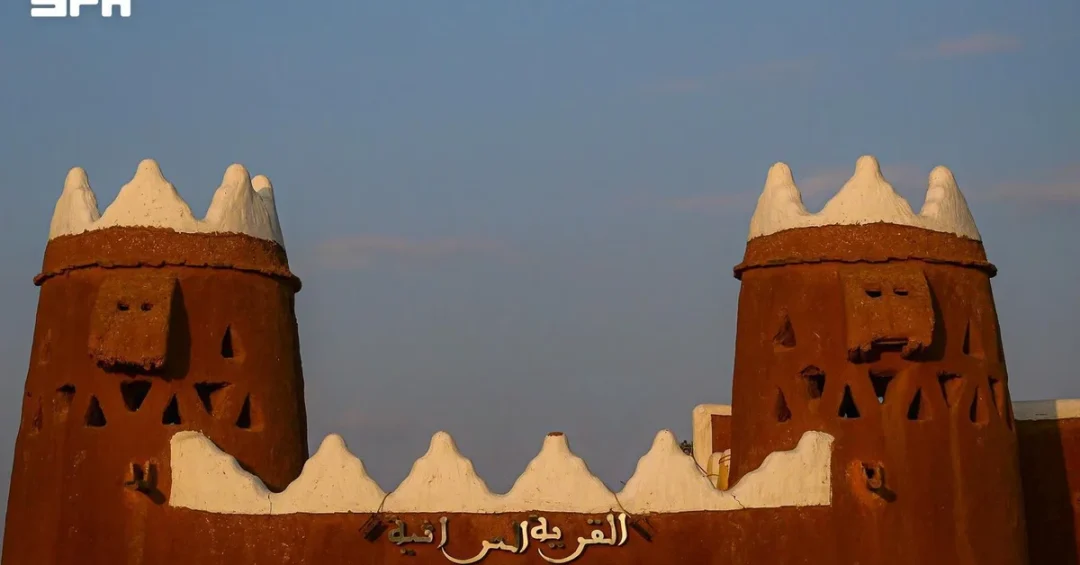
Crenellations crowning the mud-brick houses of Qassim Region are emerging as a celebrated symbol of Saudi Arabia’s authentic architectural heritage, with local specialists highlighting their dual role in decoration and weather protection. According to the Saudi Press Agency (SPA), these distinctive features vary in shape and detail from house to house, showcasing the ingenuity of local builders who shaped mud to suit each wall and harmonize with the facade. The crenellations, made from mud bricks, take pyramidal, serrated, or triangular forms, as well as designs inspired by plant and geometric motifs. Some are finished with layers of plaster to highlight their detail and add an aesthetic touch to the facades. This architectural tradition reflects a deep understanding of the environment and stands as a testament to the region’s rich cultural legacy.
Have you ever wondered how traditional communities managed to build homes that withstood the test of time and climate? The answer lies in the clever use of natural materials and designs that are both functional and beautiful. In Qassim, a region known for its agricultural heritage and mud-brick architecture, the crenellations atop walls are not merely ornamental; they are a practical solution to the challenges of rain and erosion. As Saudi Arabia continues to preserve and celebrate its heritage under Vision 2030, these details gain renewed importance as a source of national pride and a draw for cultural tourism. The SPA report underscores that these features are a hallmark of the region’s traditional mud-brick architecture, passed down through generations.
Context and Background
What makes the mud-brick architecture of Qassim Region so unique in the broader tapestry of Saudi heritage? The region, located in the heart of the Kingdom, has a long history of using earth-based materials for construction, dating back centuries. The crenellations, known locally as ‘shurafat’ or similar terms, are a distinctive element that sets Qassim’s buildings apart. According to the Saudi Press Agency, these crenellations are built atop the walls of mud-brick houses and vary in shape and detail from house to house. This variation is not random; it reflects the skill of local builders in shaping mud to suit each wall and harmonize with the facade. The SPA report, released on November 8, 2026, emphasizes that this is a hallmark of the region’s traditional mud-brick architecture, which has adapted to the environment over generations.
The tradition of mud-brick construction in Qassim is part of a wider Saudi architectural heritage that includes the famous mud-brick palaces of Diriyah and the historic quarters of Jeddah. However, Qassim’s crenellations are unique in their variety and detail. They take forms such as pyramidal, serrated, or triangular, and some are inspired by plant and geometric motifs. This diversity showcases the creativity of local artisans and their ability to blend functionality with aesthetics. As Saudi Arabia undergoes rapid modernization, preserving these details is crucial for maintaining a connection to the past. The SPA report highlights the importance of documenting how these crenellations are built and restored, ensuring that future generations can appreciate this heritage.
Why does this matter now? With Vision 2030’s focus on cultural preservation and tourism development, traditional architecture is gaining new attention. The Kingdom is investing in restoring historic sites and promoting them as destinations. Qassim’s mud-brick houses, with their distinctive crenellations, are part of this narrative. They offer a glimpse into a sustainable building tradition that used local materials and passive cooling techniques long before modern green architecture became a trend. As international visitors seek authentic experiences, these architectural details become assets for tourism and cultural exchange.
Key Details
What exactly are these crenellations, and how are they constructed? Made of mud bricks, they are built atop the walls of houses, projecting above the roofline. According to Saud Al-Humaid, a specialist in traditional architecture quoted by SPA, the crenellations’ projection above the mud walls keeps rain from reaching the upper sections directly, reducing erosion and damage. He added that it also gives the facade a distinctive look. The shapes vary widely: pyramidal, serrated, triangular, and designs inspired by plant and geometric motifs. Some are finished with layers of plaster to highlight their detail and add an aesthetic touch to the facades. This combination of form and function is a hallmark of traditional Qassim architecture.
The construction process involves shaping mud bricks and allowing them to dry, then assembling them in patterns that create the desired crenellation. Local builders, known as ‘mud architects,’ possess specialized knowledge passed down through generations. They understand the properties of the local soil, the optimal moisture content, and the techniques for firing or sun-drying bricks. The crenellations are not just added at the end; they are integrated into the wall structure, providing stability and protection. The SPA report notes that the varied forms showcase local builders’ skill in shaping mud to suit each wall and harmonize with the facade. This level of craftsmanship is a source of pride for the community and a key aspect of the region’s identity.
Moreover, the crenellations are not uniform across the region. They differ from house to house, reflecting the individuality of each building and its owner. This variation is a testament to the personalized approach of traditional construction, where each home was a unique creation. In contrast to modern mass-produced housing, these mud-brick houses exude a sense of place and history. The SPA report emphasizes that the crenellations show how earthen architecture in Qassim Region adapted to its environment, underscoring the importance of preserving their details and documenting how they are built and restored. This documentation is vital for future restoration projects, ensuring that the techniques are not lost.
International and Regional Impact
How does the preservation of Qassim’s mud-brick architecture resonate beyond Saudi Arabia’s borders? In a world where sustainable building practices are increasingly valued, the techniques used in Qassim offer valuable lessons. The use of local, natural materials like mud bricks reduces carbon footprint and energy consumption. The crenellations, designed to protect walls from rain, are an example of passive design that works with the climate rather than against it. International architects and conservationists are paying attention to such traditional methods, recognizing their relevance in the fight against climate change. Saudi Arabia’s efforts to document and preserve this heritage could position the Kingdom as a leader in sustainable architecture and cultural tourism.
Regionally, the preservation of mud-brick architecture strengthens cultural ties among Gulf Cooperation Council (GCC) countries, many of which share similar building traditions. It also aligns with UNESCO’s goals of safeguarding intangible cultural heritage. By highlighting Qassim’s crenellations, Saudi Arabia contributes to a global dialogue on the importance of traditional knowledge. Furthermore, as the Kingdom opens up to international tourists, sites like these become attractions that differentiate Saudi Arabia from other destinations. Visitors from around the world can appreciate the ingenuity of Saudi builders and gain a deeper understanding of the Kingdom’s history. The SPA report serves as a reminder that heritage is not just about monuments but also about everyday buildings that tell the story of a people.
Economic and Strategic Significance
What economic opportunities arise from preserving and promoting traditional architecture? Cultural tourism is a growing sector, and Saudi Arabia is investing heavily in it as part of Vision 2030. The restoration of historic areas, such as the mud-brick houses of Qassim, can create jobs for local artisans, guides, and hospitality workers. It also stimulates the local economy by attracting visitors who spend on accommodation, food, and crafts. The SPA report’s focus on documenting building techniques could lead to the development of training programs, ensuring that traditional skills are passed on to new generations. This not only preserves heritage but also creates a skilled workforce that can contribute to restoration projects across the Kingdom.
Strategically, the preservation of mud-brick architecture supports Saudi Arabia’s goal of diversifying its economy away from oil. By developing cultural tourism, the Kingdom taps into a global market of travelers interested in authentic experiences. Qassim Region, with its agricultural heritage and traditional architecture, can become a key destination on the Saudi tourism map. The crenellations, as a unique feature, can be marketed as a symbol of Qassim’s identity. Moreover, the sustainable aspects of mud-brick construction align with global trends in eco-tourism and green building. Saudi Arabia’s commitment to preserving this heritage demonstrates its respect for the past while embracing the future, a balance that is central to Vision 2030.
Vision 2030 Alignment
How does the preservation of Qassim’s crenellations align with Vision 2030? The Vision, launched by Crown Prince Mohammed bin Salman, aims to transform Saudi Arabia into a diversified economy and a global hub for tourism and culture. One of its key pillars is to celebrate and preserve the Kingdom’s rich heritage. The SPA report on crenellations highlights a specific aspect of this heritage, showcasing the ingenuity of Saudi builders and the uniqueness of regional architecture. By documenting and restoring these features, Saudi Arabia is not only preserving its past but also creating new opportunities for tourism and education. The Vision’s Quality of Life program seeks to enhance the living environment and promote cultural activities, and traditional architecture plays a role in that by fostering a sense of identity and pride.
Furthermore, Vision 2030 emphasizes the importance of sustainable development. The mud-brick architecture of Qassim, with its natural materials and passive cooling, is a model of sustainability. As the Kingdom invests in smart cities like NEOM, it can also learn from traditional methods that have stood the test of time. The crenellations, in their simplicity, embody the principle of working with nature. By preserving them, Saudi Arabia sends a message that progress and heritage can coexist. The SPA report underscores that these crenellations are part of a heritage that reflects local expertise in building with natural materials. This expertise is a national asset that can be leveraged in the Kingdom’s journey toward a prosperous and sustainable future. As Saudi Arabia continues to open up to the world, its traditional architecture will be a source of fascination and respect, contributing to the success of Vision 2030.
20 Questions
Q1. What are crenellations on mud-brick houses in Qassim?
A1. Crenellations are decorative and protective features built atop the walls of mud-brick houses in Qassim Region. They vary in shape and detail, including pyramidal, serrated, and triangular forms, and are made from mud bricks.
Q2. Why are crenellations important in Qassim’s architecture?
A2. They serve a dual purpose: they protect the tops of walls from rain and erosion, and they add aesthetic value to the facades. They are a hallmark of the region’s traditional mud-brick architecture.
Q3. Who is Saud Al-Humaid?
A3. Saud Al-Humaid is a specialist in traditional architecture who was quoted by the Saudi Press Agency. He explained the functional and aesthetic roles of the crenellations in Qassim’s mud-brick houses.
Q4. What shapes do the crenellations take?
A4. They take various forms, including pyramidal, serrated, and triangular shapes, as well as designs inspired by plant and geometric motifs. Some are finished with plaster for added detail.
Q5. How do crenellations protect mud walls?
A5. According to Saud Al-Humaid, the crenellations project above the mud walls, preventing rain from directly reaching the upper sections. This reduces erosion and damage to the walls.
Q6. Are all crenellations the same?
A6. No, they vary from house to house in shape and detail. This variation showcases the skill of local builders in shaping mud to suit each wall and harmonize with the facade.
Q7. What materials are used to make crenellations?
A7. They are made from mud bricks, which are produced from local soil and water. Some are then coated with layers of plaster to highlight their details and add an aesthetic touch.
Q8. Why is it important to document how crenellations are built?
A8. Documenting the techniques ensures that traditional knowledge is preserved for future restoration projects. It also helps maintain the authenticity of the region’s architectural heritage.
Q9. How does this architecture reflect adaptation to the environment?
A9. The use of mud bricks and the design of crenellations show how builders adapted to the local climate. The crenellations protect against rain, while the mud walls provide insulation against heat.
Q10. What is the significance of Qassim’s mud-brick architecture today?
A10. It is a source of cultural pride and a potential draw for tourism. It also offers lessons in sustainable building practices, aligning with modern environmental goals.
Q11. How does this heritage align with Vision 2030?
A11. Vision 2030 emphasizes preserving cultural heritage and promoting tourism. The documentation and restoration of Qassim’s crenellations support these goals by showcasing Saudi Arabia’s unique architectural legacy.
Q12. Can visitors see these crenellations in Qassim?
A12. Yes, many historic mud-brick houses in Qassim Region feature these crenellations. As tourism develops, visitors can explore the region’s heritage and appreciate this traditional architecture.
Q13. What role do local builders play in preserving this tradition?
A13. Local builders possess specialized skills passed down through generations. They are essential for restoring and maintaining mud-brick structures, ensuring the tradition continues.
Q14. How does mud-brick construction contribute to sustainability?
A14. Mud bricks are made from local, natural materials, reducing carbon emissions from transportation. The thick walls provide natural insulation, reducing energy needs for cooling.
Q15. Are there other regions in Saudi Arabia with similar architecture?
A15. Yes, mud-brick architecture is found in various parts of Saudi Arabia, including Diriyah and Al-Ula. However, Qassim’s crenellations are distinctive in their variety and detail.
Q16. What is the Saudi Press Agency’s role in reporting this?
A16. The Saudi Press Agency (SPA) is the official news agency of Saudi Arabia. It reported on the crenellations, highlighting their importance and the expertise of local builders.
Q17. How can the preservation of crenellations boost the local economy?
A17. Preservation efforts can create jobs in restoration, tourism, and crafts. They also attract visitors who contribute to the local economy through spending on services and goods.
Q18. What challenges exist in preserving mud-brick architecture?
A18. Challenges include the availability of skilled artisans, the cost of restoration, and the impact of modern construction. However, growing awareness and government support are helping overcome these.
Q19. What can international audiences learn from Qassim’s architecture?
A19. They can learn about sustainable building techniques, the importance of cultural heritage, and the ingenuity of Saudi builders. It also fosters appreciation for Saudi Arabia’s rich history.
Q20. How does this reflect Saudi Arabia’s broader cultural vision?
A20. It reflects the Kingdom’s commitment to preserving its identity while embracing modernity. Under Vision 2030, Saudi Arabia aims to showcase its heritage to the world, and Qassim’s crenellations are a part of that story.
Reader Feedback
We value your thoughts. Please share your feedback on this article.
Your feedback helps us improve our coverage.
Related articles
 Falconry Camps Near Umluj Draw Enthusiasts for Maqnas Season
 Saudi Artist Shines at ‘Forever Is Now’ Exhibition in Cairo
 Qatif Art Exhibition: Where Creativity Meets Heritage
 Saudi Fine Arts Society Shines at Jeddah Motor Show
 RCU Launches ‘An Ongoing Story’ Exhibition in AlUla
 Manga Productions Showcases Saudi National Day Anime at TOKYO ANIME NEXT