


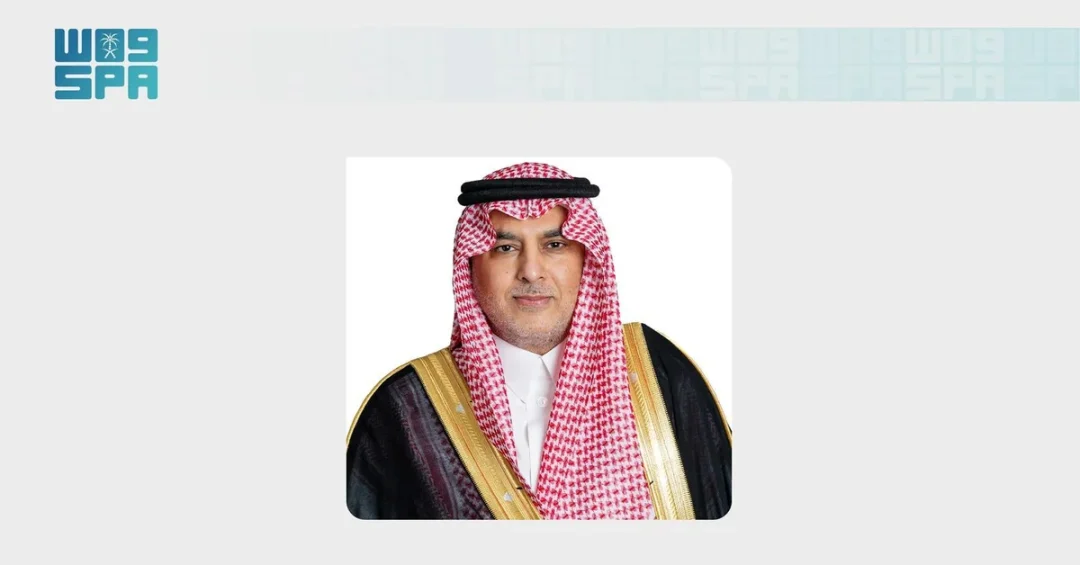
Riyadh, November 25, 2026 — Abdullah Alghamdi, President of the Saudi Data and AI Authority (SDAIA), affirmed that the unwavering support of Saudi Arabia’s wise leadership has enabled the authority to build a national data and artificial intelligence ecosystem in record time, achieving significant advances in foresight capabilities and the localization of advanced technologies. His remarks, released via the Saudi Press Agency, underscored how sustained high-level backing has transformed the Kingdom into a global contender in data- and AI-driven economies. The announcement comes as Saudi Arabia accelerates its digital transformation under Vision 2030, with SDAIA at the helm of national efforts to harness data and AI for public good. How did this rapid progress come about, and what does it mean for the Kingdom’s future?
The Cabinet’s decision to designate 2026 as the Year of Artificial Intelligence further cements Saudi Arabia’s strategic direction, reflecting its leading position in the global AI landscape. Alghamdi reviewed SDAIA’s key national achievements, including the integration of more than 560 government systems into the National Data Bank (NDB), which supports decision-making and improves government spending efficiency. Additionally, the comprehensive national Tawakkalna app now provides access to over 1,800 reliable digital services from 380 government and private-sector entities, enhancing quality of life for citizens and residents. These milestones illustrate how targeted leadership support can catalyze nationwide digital ecosystems.
Context and Background
What exactly is SDAIA, and why does its mandate matter so profoundly for Saudi Arabia’s future? Established in 2019 by royal decree, the Saudi Data and AI Authority (SDAIA) operates under the direct supervision of Crown Prince Mohammed bin Salman. Its mission is to drive the national agenda for data and AI, ensuring the Kingdom’s transition into a knowledge-based economy. From its inception, SDAIA has been tasked with creating a robust infrastructure, fostering innovation, and building human capital in emerging technologies. The authority’s rapid rise mirrors the broader ambitions of Vision 2030, which seeks to diversify the economy away from oil and position Saudi Arabia as a global leader in technology and innovation.
The support from Saudi leadership has been instrumental in overcoming traditional barriers to technological adoption, such as bureaucratic inertia and fragmented data systems. By centralizing data governance and promoting AI research, SDAIA has created an ecosystem where government entities, private companies, and academic institutions collaborate seamlessly. This approach has not only streamlined public services but also attracted international partnerships. The designation of 2026 as the Year of Artificial Intelligence serves as a capstone to these efforts, signaling to the world that Saudi Arabia is serious about leading the AI revolution. How does this compare to other nations’ AI strategies, and what lessons can be drawn from the Kingdom’s rapid ascent?
Key Details
What specific achievements have defined SDAIA’s journey so far? At the heart of its success is the National Data Bank (NDB), which now integrates over 560 government systems. This integration allows for real-time data analytics, enabling policymakers to make informed decisions that enhance spending efficiency and resource allocation. For instance, the NDB has been pivotal in identifying redundancies and optimizing budgets across ministries, saving billions of riyals. Furthermore, the Tawakkalna app, initially launched as a health passport during the COVID-19 pandemic, has evolved into a super-app offering more than 1,800 digital services. With over 380 government and private entities onboard, Tawakkalna exemplifies how a single platform can dramatically improve citizen engagement and service delivery. How many other countries can boast such a comprehensive digital gateway?
Human capital development stands as another pillar of SDAIA’s success. Alghamdi highlighted that the authority has trained more than 17,000 male and female specialists in data and AI, while awareness initiatives have reached over 1.5 million citizens. These programs are designed not only to equip individuals with technical skills but also to foster a culture of innovation and data-driven thinking. By investing in its people, Saudi Arabia is ensuring a sustainable pipeline of talent capable of driving future breakthroughs. The establishment of 273 local and international partnerships further amplifies this effort, connecting Saudi expertise with global best practices. What impact will this skilled workforce have on the Kingdom’s economic diversification?
International and Regional Impact
How is Saudi Arabia’s AI progress being received on the world stage? The Kingdom’s efforts have garnered significant international recognition, most notably the United Nations Public Service Award (UNPSA). This prestigious honor acknowledges SDAIA’s contributions to improving public service delivery through digital innovation. Additionally, Saudi Arabia now ranks at the top of global indices in data, AI, security, and privacy, underscoring its commitment to ethical and secure technology deployment. In the IMD Smart City Index 2026, Saudi cities have advanced markedly, reflecting the tangible benefits of AI integration in urban management. These accolades not only enhance the Kingdom’s reputation but also attract foreign investment and talent, creating a virtuous cycle of growth and innovation.
Regionally, Saudi Arabia’s leadership in AI serves as a beacon for neighboring countries striving to digitize their economies. Through partnerships and knowledge-sharing initiatives, SDAIA is helping to elevate the entire Middle East’s technological capabilities. The Year of Artificial Intelligence in 2026 is expected to host a series of global conferences, hackathons, and exhibitions, drawing innovators from around the world. Such events will further solidify Saudi Arabia’s role as a hub for AI excellence. How might this influence the broader geopolitical landscape, where technology is increasingly a determinant of national power?
Economic and Strategic Significance
What does SDAIA’s work mean for Saudi Arabia’s economic future? The integration of AI across sectors is projected to contribute hundreds of billions of dollars to the Kingdom’s GDP by 2030. By automating processes, optimizing supply chains, and enabling predictive analytics, AI is poised to revolutionize industries from energy to healthcare. The National Data Bank, for instance, provides critical insights that help the government allocate resources more effectively, thereby maximizing the impact of public spending. Moreover, the Tawakkalna app facilitates e-commerce and digital payments, fostering a vibrant digital economy. These developments align with Vision 2030’s goal of creating a diversified, resilient economy that thrives on innovation.
Strategically, SDAIA’s achievements position Saudi Arabia as a key player in the global AI race, reducing dependence on oil and enhancing national security through advanced data analytics. The authority’s focus on localizing advanced technologies ensures that the Kingdom retains sovereignty over critical infrastructure and data. This is particularly important in an era where data is often called the new oil. By building a self-reliant AI ecosystem, Saudi Arabia is not only safeguarding its interests but also setting standards for responsible AI governance. What other sectors could benefit from similar data-driven transformations?
Vision 2030 Alignment
How does SDAIA’s work embody the spirit of Vision 2030? At its core, Vision 2030 aims to transform Saudi Arabia into a global investment powerhouse and a hub connecting three continents. SDAIA’s initiatives directly support this by fostering a digital economy, empowering citizens, and enhancing government efficiency. The Year of Artificial Intelligence in 2026 will serve as a catalyst, showcasing the Kingdom’s progress and attracting global collaboration. As Alghamdi noted, the support from leadership has been the cornerstone of this success, enabling SDAIA to achieve in years what others have taken decades to accomplish. This momentum is expected to continue, driving further innovations and cementing Saudi Arabia’s status as a leader in the Fourth Industrial Revolution.
Looking ahead, SDAIA plans to expand its programs, with a focus on emerging technologies like quantum computing and generative AI. The authority will also deepen its partnerships with international tech giants and academic institutions, ensuring that Saudi Arabia remains at the forefront of AI research and application. For a nation once known primarily for its energy resources, this pivot to data and AI represents a bold leap into the future. As the Kingdom celebrates the Year of Artificial Intelligence, the world watches with keen interest. What will be the next groundbreaking achievement from SDAIA? Only time will tell, but the trajectory is unmistakably upward.
20 Questions
Q1. What is SDAIA and when was it established?
A1. SDAIA is the Saudi Data and AI Authority, established in 2019 by royal decree under Crown Prince Mohammed bin Salman. It drives the national data and AI agenda, aiming to position Saudi Arabia as a global leader in these fields.
Q2. What did Abdullah Alghamdi say about leadership support?
A2. Alghamdi stated that the wise leadership’s support enabled SDAIA to build a national data and AI ecosystem in record time, achieving advances in foresight and localizing advanced technologies, culminating in 2026 as the Year of AI.
Q3. What is the National Data Bank and how many systems does it integrate?
A3. The National Data Bank is a centralized platform that integrates over 560 government systems to support decision-making and improve spending efficiency. It enables real-time analytics for optimized resource allocation across ministries.
Q4. What is Tawakkalna and what services does it offer?
A4. Tawakkalna is a comprehensive national app providing access to more than 1,800 reliable digital services from 380 government and private entities. It enhances quality of life by streamlining citizen interactions with service providers.
Q5. How many specialists has SDAIA trained in data and AI?
A5. SDAIA has trained over 17,000 male and female specialists in data and AI. These programs build a skilled workforce to drive innovation and support the Kingdom’s digital transformation goals.
Q6. How many citizens were reached by SDAIA’s awareness initiatives?
A6. SDAIA’s awareness initiatives have reached more than 1.5 million citizens. These efforts foster a culture of data-driven thinking and prepare future leaders in technology.
Q7. How many partnerships has SDAIA established?
A7. SDAIA has established 273 local and international partnerships. These collaborations connect Saudi expertise with global best practices, amplifying the impact of its initiatives.
Q8. What international award did Saudi Arabia receive for SDAIA’s efforts?
A8. Saudi Arabia received the United Nations Public Service Award (UNPSA) for SDAIA’s contributions to improving public service delivery through digital innovation, recognizing the Kingdom’s commitment to excellence.
Q9. In which global indices does Saudi Arabia rank at the top?
A9. Saudi Arabia ranks at the top in global indices for data, AI, security, and privacy. These rankings reflect the Kingdom’s robust infrastructure and ethical standards in technology deployment.
Q10. What is the significance of the IMD Smart City Index 2026 for Saudi cities?
A10. Saudi cities advanced in the IMD Smart City Index 2026, showcasing the tangible benefits of AI integration in urban management. This progress highlights the Kingdom’s smart city development under Vision 2030.
Q11. Why did the Cabinet designate 2026 as the Year of Artificial Intelligence?
A11. The Cabinet designated 2026 as the Year of AI to reflect Saudi Arabia’s leading position and strategic direction towards AI-driven economies, celebrating achievements and fostering global collaboration.
Q12. How does SDAIA contribute to government spending efficiency?
A12. SDAIA integrates government systems into the National Data Bank, enabling real-time analytics that identify redundancies and optimize budgets, saving billions of riyals and improving resource allocation.
Q13. What role does Tawakkalna play in digital transformation?
A13. Tawakkalna serves as a super-app offering over 1,800 services, facilitating e-commerce and digital payments. It exemplifies how a single platform can enhance citizen engagement and service delivery nationwide.
Q14. How is SDAIA building national human capital?
A14. SDAIA trains thousands in data and AI, implements awareness programs reaching millions, and fosters a culture of innovation. This builds a sustainable talent pipeline for future technological breakthroughs.
Q15. What economic impact is expected from AI in Saudi Arabia?
A15. AI is projected to contribute hundreds of billions of dollars to Saudi GDP by 2030. It will revolutionize industries, automate processes, and support Vision 2030’s economic diversification goals.
Q16. How does SDAIA ensure data security and privacy?
A16. SDAIA adheres to top global standards in security and privacy, as evidenced by Saudi Arabia’s top rankings. It implements robust governance frameworks to protect data and maintain public trust.
Q17. What are some future plans for SDAIA?
A17. SDAIA plans to expand into quantum computing and generative AI, deepen international partnerships, and continue driving innovation to keep Saudi Arabia at the forefront of AI research and application.
Q18. How does SDAIA’s work align with Vision 2030?
A18. SDAIA’s initiatives support Vision 2030 by fostering a digital economy, empowering citizens, and enhancing government efficiency. They position Saudi Arabia as a global hub for technology and innovation.
Q19. What regional impact does Saudi Arabia’s AI leadership have?
A19. Saudi Arabia’s AI leadership serves as a beacon for the Middle East, promoting digitization and knowledge-sharing. It elevates the region’s technological capabilities and fosters collaboration.
Q20. What can the world learn from SDAIA’s rapid progress?
A20. SDAIA’s success demonstrates how strong leadership support, centralized governance, and investment in human capital can rapidly build a national AI ecosystem, offering a model for other nations.
Reader Feedback
We value your thoughts. Please share your feedback on this article.
Your feedback helps us improve our coverage.
Related articles
 Supermoon Offers a Celestial Spectacle Over Jazan Tonight
 Saudi Arabia Ranks 4th in UN Digital Government Index 2026
 NCVC and New Space Group Sign MoU to Boost Digital Transformation
 Qassim Science Center: Fostering Innovation in Unaizah
 Elm Partners with SAIF 2026 to Drive Saudi Innovation
 Supermoon to Illuminate Saudi Skies Tuesday Evening