


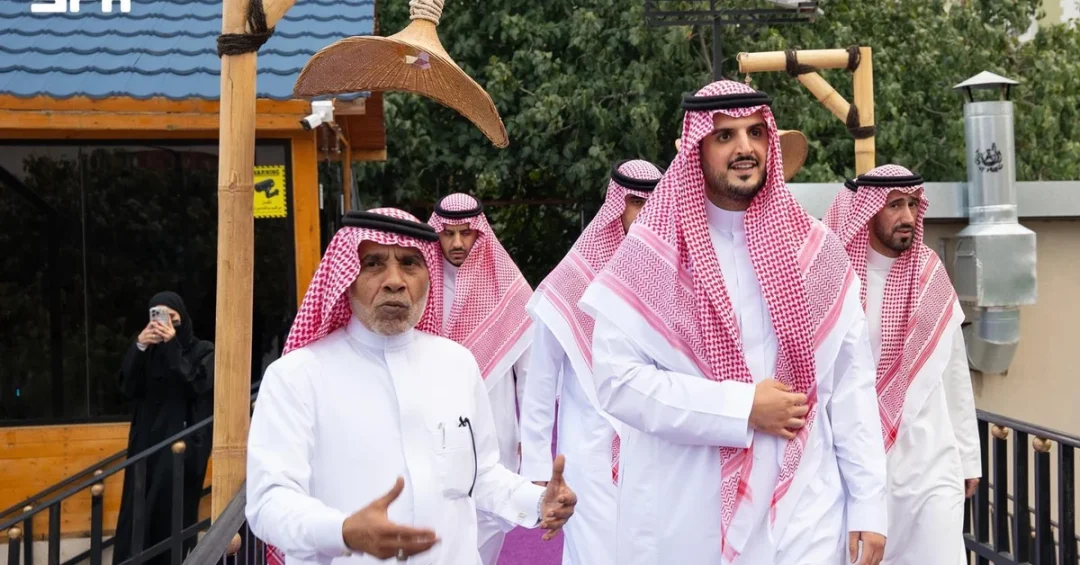
Prince Fawaz bin Sultan bin Abdulaziz, Governor of Taif, conducted an official visit to the Rashid Al-Qurashi rose factory and resort in Al-Hada on November 27, 2026, where he inspected the production and manufacturing stages of the renowned Taif rose and reviewed tourism and leisure programs designed for residents, visitors, pilgrims, and Umrah performers. The visit underscores the Kingdom of Saudi Arabia’s commitment to preserving its cultural heritage while advancing economic diversification and enhancing the quality of life for citizens and guests alike.
During the tour, Prince Fawaz was briefed on the intricate extraction processes that transform the Taif rose into a variety of high-value products, including essential oils, perfumes, and cosmetics. He also examined the educational and recreational experiences offered at the resort, which aim to diversify tourism offerings and stimulate tourism activity in the Taif region. This initiative aligns with Saudi Arabia’s Vision 2030, which seeks to elevate the tourism sector’s contribution to the national economy and showcase the Kingdom’s unique cultural and natural assets to the world. The governor’s visit highlights the importance of integrating traditional industries with modern tourism infrastructure to create sustainable economic opportunities.
Context and Background
What makes the Taif rose a symbol of Saudi Arabia’s enduring cultural and economic potential? The Taif rose, known locally as the “Rose of Taif,” has been cultivated in the highlands of the Taif region for centuries, thriving in the cool climate and fertile soil of Al-Hada. The rose’s delicate fragrance and high-quality oil have made it a prized commodity, not only in Saudi Arabia but also in international markets. The Rashid Al-Qurashi rose factory and resort represents a modern extension of this heritage, combining traditional cultivation methods with advanced extraction technologies to produce premium products that meet global standards.
The factory and resort are part of a broader effort to develop the Taif region as a year-round tourism destination. Al-Hada, with its mountainous terrain and mild weather, has long been a favored retreat for Saudis seeking respite from the summer heat. In recent years, the Saudi government has invested in infrastructure and promotional campaigns to attract international tourists, particularly those interested in cultural and heritage experiences. The inclusion of pilgrims and Umrah performers in the target audience reflects the strategic integration of religious tourism with leisure and cultural tourism, a key pillar of Vision 2030. By offering educational and recreational activities, the resort aims to extend the average length of stay for visitors, thereby increasing economic benefits for the local community.
Furthermore, the visit by Prince Fawaz underscores the role of regional governors in driving local development and ensuring that national strategies are effectively implemented at the grassroots level. As the Governor of Taif, Prince Fawaz has been actively involved in promoting the region’s tourism and agricultural sectors, recognizing their potential to create jobs and stimulate entrepreneurship. His inspection of the rose factory and resort serves as a testament to the leadership’s hands-on approach to governance and its commitment to fostering public-private partnerships that can accelerate progress toward Vision 2030 goals.
Key Details of the Visit
What specific aspects of the Taif rose production process were highlighted during the governor’s tour? Prince Fawaz was guided through the various stages of rose processing, from the harvesting of fresh petals to the steam distillation and solvent extraction methods used to capture the rose’s essential oils. These processes are critical for ensuring the purity and potency of the final products, which are used in perfumery, aromatherapy, and skincare. The factory employs state-of-the-art equipment and adheres to stringent quality control measures, allowing it to compete with established rose oil producers in Bulgaria, Turkey, and Iran. The governor praised the workers for their skill and dedication, noting that their craftsmanship contributes to the global reputation of Saudi rose oil.
In addition to the production facilities, Prince Fawaz toured the resort’s educational and recreational areas. These include interactive workshops where visitors can learn about the history of rose cultivation, participate in rose-picking activities, and create their own rose-based products. The resort also features landscaped gardens, walking trails, and dining options that showcase local cuisine. Such experiences are designed to engage tourists on multiple levels, offering both entertainment and insight into Saudi culture. The governor emphasized that these initiatives not only enhance the visitor experience but also create employment opportunities for local residents, particularly women and youth, in fields such as hospitality, guiding, and artisanal crafts.
The visit also provided an opportunity to discuss future expansion plans. Officials from the factory and resort presented proposals for increasing production capacity, introducing new product lines, and developing additional tourist attractions, such as a rose museum and a wellness center. These plans align with the Taif Region Development Strategy, which aims to position the area as a leading destination for eco-tourism, agri-tourism, and cultural tourism. Prince Fawaz expressed his support for these initiatives and stressed the importance of collaboration between the public and private sectors to bring them to fruition. He also highlighted the need for sustainable practices to preserve the natural environment and the rose fields for future generations.
International and Regional Impact
How does the development of Taif’s rose industry and tourism sector resonate beyond Saudi Arabia’s borders? The Taif rose is increasingly recognized as a unique cultural export, with Saudi rose oil and perfumes gaining traction in luxury markets across the Middle East, Europe, and Asia. The factory’s products are already exported to several countries, and the resort attracts international visitors curious about the origins of these sought-after fragrances. By enhancing the quality and visibility of its rose products, Saudi Arabia can strengthen its position in the global halal cosmetics and natural wellness industry, which is valued at billions of dollars. This not only boosts non-oil exports but also promotes the Kingdom’s image as a producer of premium, ethically sourced goods.
Regionally, the Taif rose initiative contributes to the diversification of Saudi tourism, which has traditionally been centered on religious sites in Makkah and Madinah and urban centers like Riyadh and Jeddah. By developing Al-Hada and other parts of Taif as distinct destinations, the Kingdom can distribute tourist flows more evenly, reducing pressure on existing infrastructure and spreading economic benefits to less-developed areas. This approach also complements regional tourism strategies within the Gulf Cooperation Council, where countries are collaborating to promote multi-destination itineraries. For pilgrims and Umrah performers, the addition of cultural and leisure activities in Taif offers a meaningful extension to their spiritual journey, allowing them to experience the rich heritage of the Hejaz region. Such integration enhances the overall pilgrimage experience and encourages repeat visits.
Economic and Strategic Significance
What economic benefits does the Taif rose industry bring to the local and national economy? The rose sector is a significant contributor to Taif’s agricultural economy, providing income for thousands of farmers and workers. The factory’s operations alone employ hundreds of individuals, with a focus on empowering women through training and job opportunities in processing, packaging, and marketing. The resort further stimulates the local economy by sourcing food, crafts, and services from nearby communities. As tourism activity increases, demand for local products rises, creating a multiplier effect that supports small and medium enterprises. The Saudi government, through agencies such as the Ministry of Tourism and the Saudi Tourism Authority, has identified Taif as a priority destination under the National Tourism Strategy, with targets to increase visitor numbers and tourism’s GDP contribution to 10% by 2030.
Strategically, the Taif rose project exemplifies the Vision 2030 goal of economic diversification. By transforming a traditional agricultural product into a high-value, export-oriented industry, Saudi Arabia reduces its reliance on oil revenues and creates sustainable jobs for its growing population. The integration of tourism with rose production also aligns with the Public Investment Fund’s (PIF) investments in entertainment and lifestyle sectors, which aim to improve the quality of life for citizens and attract foreign investment. Moreover, the emphasis on heritage preservation ensures that modernization does not come at the expense of cultural identity. The governor’s visit signals strong government support for such ventures, encouraging further private sector investment and innovation.
Vision 2030 Alignment
How does the Taif rose and tourism initiative embody the core objectives of Saudi Vision 2030? Vision 2030, launched by Crown Prince Mohammed bin Salman in 2016, seeks to create a vibrant society, a thriving economy, and an ambitious nation. The development of the Taif rose factory and resort directly supports these pillars by preserving cultural heritage, diversifying the economy, and enhancing the quality of life. It also contributes to the National Transformation Program by boosting tourism’s share of GDP and creating employment opportunities in the tourism and manufacturing sectors. The focus on educational and recreational experiences for pilgrims and Umrah performers reflects the vision’s goal of enriching the Hajj and Umrah journeys, making them more comfortable and memorable for the millions of Muslims who visit the Kingdom each year.
Looking ahead, the success of the Taif rose initiative can serve as a model for other regions in Saudi Arabia, demonstrating how local assets can be leveraged to achieve national objectives. The governor’s inspection and endorsement provide momentum for further investments and innovations in the sector. As Saudi Arabia continues to open up to the world, destinations like Al-Hada will play a crucial role in showcasing the Kingdom’s beauty, hospitality, and progress. The Taif rose, with its deep roots and global appeal, is poised to become an iconic symbol of Saudi Arabia’s renaissance, bridging tradition and modernity in a way that benefits all.
20 Questions
Q1. Who is the Governor of Taif?
A1. Prince Fawaz bin Sultan bin Abdulaziz serves as the Governor of Taif, appointed to oversee the region’s development and implementation of national initiatives.
Q2. What is the Rashid Al-Qurashi rose factory and resort?
A2. It is a facility in Al-Hada that produces Taif rose products and offers tourism experiences, combining manufacturing with leisure and educational activities.
Q3. What is the significance of the Taif rose?
A3. The Taif rose is a culturally and economically important crop, prized for its fragrant oil used in perfumes and cosmetics, and symbolizes Saudi heritage.
Q4. When did the governor visit the factory?
A4. Prince Fawaz visited on November 27, 2026, as reported by the Saudi Press Agency.
Q5. What did the governor inspect during his visit?
A5. He inspected the production and manufacturing stages of the Taif rose, including extraction processes, and reviewed tourism and leisure programs.
Q6. Why are pilgrims and Umrah performers included as target visitors?
A6. To integrate religious tourism with cultural and leisure experiences, enhancing their journey and boosting the local economy.
Q7. How does the Taif rose industry contribute to Vision 2030?
A7. It supports economic diversification, job creation, and cultural preservation, aligning with Vision 2030’s goals of a thriving economy and vibrant society.
Q8. What products are made from the Taif rose?
A8. Products include essential oils, perfumes, cosmetics, and other wellness items, all derived from the rose’s petals through distillation and extraction.
Q9. What tourism experiences are offered at the resort?
A9. Educational workshops, rose-picking, garden tours, and dining featuring local cuisine are among the experiences designed to engage visitors.
Q10. How does the factory support the local community?
A10. It provides employment, especially for women and youth, and sources goods and services from nearby communities, stimulating the local economy.
Q11. What are the future plans for the factory and resort?
A11. Plans include expanding production capacity, adding new product lines, and developing attractions like a rose museum and wellness center.
Q12. How does the Taif rose industry compare globally?
A12. Saudi rose oil competes with producers in Bulgaria, Turkey, and Iran, and is gaining recognition in luxury markets worldwide.
Q13. What role does the governor play in regional development?
A13. The governor oversees local implementation of national strategies, promotes public-private partnerships, and ensures projects align with Vision 2030.
Q14. What is Al-Hada’s appeal as a tourist destination?
A14. Al-Hada offers mountainous scenery, mild climate, and cultural heritage, making it a favored retreat and a growing tourism hub.
Q15. How does the Taif rose project promote sustainability?
A15. It emphasizes sustainable farming and production practices to preserve the environment and ensure long-term viability of the rose fields.
Q16. What economic impact does the rose sector have on Taif?
A16. It provides income for farmers and workers, stimulates related businesses, and contributes to the region’s GDP through exports and tourism.
Q17. How does the visit reflect Saudi leadership’s engagement?
A17. It demonstrates hands-on governance and support for local initiatives, reinforcing the leadership’s commitment to Vision 2030.
Q18. What educational opportunities does the resort provide?
A18. Visitors can learn about rose cultivation, extraction methods, and the cultural history of the Taif rose through interactive workshops.
Q19. How does the Taif rose initiative attract international tourists?
A19. By offering unique cultural and nature-based experiences, it appeals to global travelers seeking authentic heritage and wellness tourism.
Q20. What is the long-term vision for Taif’s tourism sector?
A20. To become a leading year-round destination that showcases Saudi heritage, boosts the economy, and supports the goals of Vision 2030.
Reader Feedback
We value your thoughts. Please share your feedback on this article.
Your feedback helps us improve our coverage.
Related articles
 Farasan Beaches: Red Sea Beauty and Pearl-Diving Heritage
 Aseer Winter Season 2026 Launches to Boost Tourism
 Street Food Winter Event Brings 80 Global Culinary Experiences to Historic Riyadh
 Northern Trail in Qassim: A Unique Tourism Journey
 Madinah’s Wadi Qanat: A Blend of Nature and History
 Jazan’s Urban Spaces Add to the Region’s Tourism Appeal