


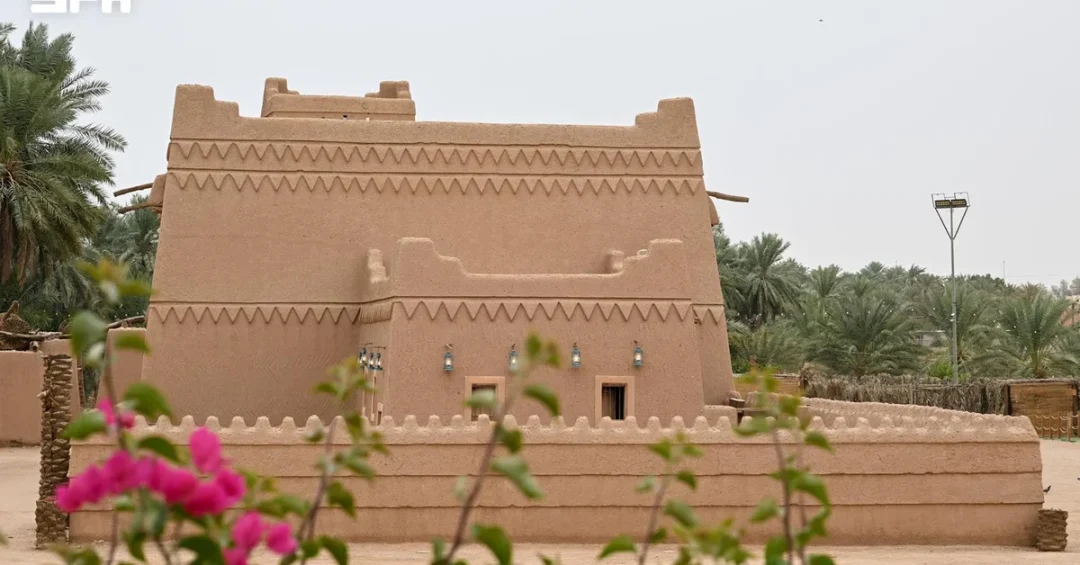
The Northern Trail in Qassim Region is showcasing a distinctive tourism landscape where historical landmarks blend seamlessly with palm oases, farms, and natural sites, offering visitors an authentic journey through Saudi Arabia’s Najdi heritage and rich agricultural traditions during the winter season. According to the Saudi Press Agency (SPA), the route represents one of the flagship tourism offerings under the Saudi Winter 2026 program, carrying the slogan “A journey at every stop.” Stretching approximately 1,200 kilometers from Riyadh to Jubbah in Hail Region, the Northern Trail connects a series of destinations that allow visitors to explore their distinctive historical, cultural, and geographical characteristics. Qassim Region alone hosts six of the 16 tourism stops along the trail, underscoring its central role in this ambitious national initiative.
The Northern Trail is more than a travel route; it is a carefully curated experience designed to highlight the diversity of Saudi Arabia’s regional identities. By linking the capital city of Riyadh with the ancient rock formations of Jubbah and the agricultural heartland of Qassim, the trail offers international and domestic visitors a chance to witness the Kingdom’s transformation firsthand. The inclusion of Qassim’s six stops—spanning Buraidah, Al-Mithnab, Unaizah, Al-Rass, Al-Bukayriyah, and Uyun Al-Jiwa—reflects the region’s unique position as a bridge between heritage and modernity. As Saudi Arabia continues to open its doors to the world under Vision 2030, initiatives like the Northern Trail demonstrate how rural and historical assets can be transformed into sustainable tourism products that benefit local communities and enrich the national economy.
Context and Background
How did the Northern Trail come to be, and what makes it a cornerstone of Saudi Arabia’s winter tourism strategy? The trail is part of the broader Saudi Winter 2026 program, an initiative launched by the Saudi Tourism Authority to promote domestic and international tourism during the cooler months. The program aims to diversify the Kingdom’s tourism offerings beyond the traditional summer destinations, encouraging visitors to explore the unique landscapes and cultural heritage of regions like Qassim, Hail, and Riyadh. The Northern Trail, with its 1,200-kilometer span, is designed to be a flexible journey that can be experienced in segments or as a whole, allowing travelers to tailor their itinerary to their interests.
Qassim Region, often referred to as the food basket of Saudi Arabia, has long been celebrated for its agricultural output, particularly its dates and citrus fruits. The region’s inclusion in the Northern Trail is a natural fit, as it possesses a wealth of historical landmarks, traditional markets, and natural sites that have been preserved for generations. The trail’s stops in Qassim are not merely tourist attractions; they are living communities where visitors can engage with local artisans, farmers, and families. This immersive approach aligns with the Saudi Tourism Authority’s goal of creating authentic experiences that showcase the Kingdom’s hospitality and cultural depth.
The Northern Trail also serves as a platform for economic development in rural areas. By directing visitor traffic to smaller governorates like Al-Mithnab and Uyun Al-Jiwa, the initiative helps stimulate local businesses, from handicraft workshops to family-run restaurants. This decentralized approach to tourism development is a key pillar of Vision 2030, which seeks to create jobs and investment opportunities across all regions of the Kingdom. As Eng. Salman Al-Suwaina, a member of the tourism committee at the Qassim Principality, noted, the trail exemplifies the integration of the region’s tourism, cultural, and agricultural assets, turning farms into promising tourism destinations.
Key Details of the Northern Trail Experience
What can visitors expect when they embark on this journey through Qassim’s six stops? Each stop along the Northern Trail has been carefully selected to offer a distinct experience that reflects its history and local environment. In Buraidah, the capital of Qassim, travelers can explore the bustling traditional market, one of the largest in the Kingdom, where dates, spices, and handmade crafts are sold. The city also hosts the annual Buraidah Date Festival, a major event that draws visitors from across Saudi Arabia and beyond. Al-Mithnab, known for its agricultural research and date palm cultivation, offers a glimpse into modern farming techniques alongside traditional practices.
Unaizah, often called the bride of Qassim, is famous for its heritage buildings, including the Al-Bassam Heritage House, and its vibrant cultural scene. Al-Rass, with its ancient wells and historical mosques, provides insight into the region’s Islamic heritage. Al-Bukayriyah is renowned for its citrus orchards and the annual citrus festival, while Uyun Al-Jiwa, with its natural springs and palm groves, offers a serene escape into nature. Across these stops, visitors can participate in activities centered on traditional crafts, such as weaving, pottery, and date processing, as well as agricultural production, including fruit picking and farm-to-table dining.
Eng. Salman Al-Suwaina emphasized that rural farms are no longer merely spaces for agricultural production but have become promising tourism destinations. Visitors can experience rural life firsthand and see how agricultural products move from farm to table. This experience combines education, entertainment, and local authenticity, he added. The diversity of agricultural production, together with Qassim’s distinctive palm oases, fruit orchards, and seasonal crops, provides a valuable foundation for developing innovative tourism experiences. These experiences help add value to local products and create investment opportunities for farm owners, productive families, and entrepreneurs, turning agricultural assets into development opportunities that support sustainable tourism and economic activity.
International and Regional Impact
How does the Northern Trail position Saudi Arabia on the global tourism map? The trail is a key component of the Kingdom’s efforts to attract 100 million visitors annually by 2030, a target set under Vision 2030. By offering a unique blend of heritage, agriculture, and adventure, the Northern Trail differentiates Saudi Arabia from other regional destinations that may focus primarily on coastal resorts or urban attractions. International travelers seeking authentic cultural experiences are increasingly drawn to Saudi Arabia’s lesser-known regions, and the Northern Trail provides a structured yet flexible way to explore them.
Regionally, the trail fosters greater integration between Riyadh and the northern regions, promoting domestic tourism and encouraging Saudis to discover their own country. This is particularly important as the Kingdom invests heavily in tourism infrastructure, including new hotels, roads, and airports. The Northern Trail also complements other major projects like NEOM and the Red Sea Project, offering a contrasting experience that highlights the nation’s agricultural and historical wealth. By diversifying its tourism portfolio, Saudi Arabia enhances its resilience and appeal in a competitive global market.
Economic and Strategic Significance
What economic benefits does the Northern Trail bring to Qassim and beyond? The trail is designed to stimulate local economies by creating jobs in hospitality, retail, and agriculture. Farm owners can diversify their income by offering tours, workshops, and accommodation, while productive families can sell homemade goods directly to visitors. The Saudi Tourism Authority has also partnered with local banks and investment funds to provide financing for small and medium enterprises looking to capitalize on the increased footfall. This holistic approach ensures that tourism revenue remains within the community, fostering sustainable development.
Strategically, the Northern Trail supports the Kingdom’s food security goals by promoting agricultural tourism, which in turn encourages investment in modern farming techniques and water conservation. Qassim’s date palms and citrus orchards are not only scenic but also vital economic assets. By showcasing them to visitors, the trail raises awareness of the importance of sustainable agriculture and the need to preserve these resources for future generations. Furthermore, the trail enhances Saudi Arabia’s soft power by presenting a positive image of the Kingdom as a welcoming, culturally rich, and forward-looking nation.
Vision 2030 Alignment
How does the Northern Trail embody the objectives of Saudi Vision 2030? The trail is a direct manifestation of the Vision’s goal to diversify the economy away from oil by developing tourism and creating new revenue streams. It also aligns with the Vision’s emphasis on preserving cultural heritage and promoting national identity. By integrating rural communities into the tourism value chain, the trail supports the Vision’s social objectives, including empowering women and youth through entrepreneurship and job creation. The Northern Trail is a testament to how Saudi Arabia is transforming its unique assets into world-class experiences.
As the Kingdom continues to invest in tourism infrastructure and marketing, the Northern Trail is poised to become a model for sustainable, community-based tourism in the region. It offers a journey that is not just about sightseeing but about understanding the soul of Saudi Arabia—its land, its people, and its traditions. For international visitors, it is an invitation to discover a side of the Kingdom that is often overlooked, and for Saudis, it is a source of pride and a step toward a diversified, prosperous future. The Northern Trail in Qassim is more than a route; it is a pathway to the heart of Vision 2030.
20 Questions
Q1. What is the Northern Trail in Qassim Region?
A1. The Northern Trail is a 1,200-kilometer tourism route from Riyadh to Jubbah in Hail, featuring 16 stops, with six in Qassim. It showcases historical landmarks, palm oases, and agricultural experiences under the Saudi Winter 2026 program.
Q2. Which governorates in Qassim are included in the Northern Trail?
A2. The six stops in Qassim are Buraidah, Al-Mithnab, Unaizah, Al-Rass, Al-Bukayriyah, and Uyun Al-Jiwa. Each offers unique heritage, markets, and natural sites reflecting local history and environment.
Q3. What is the slogan of the Northern Trail?
A3. The trail carries the slogan “A journey at every stop,” highlighting the diverse experiences awaiting visitors at each destination along the route, from heritage sites to agricultural farms.
Q4. When does the Northern Trail operate?
A4. The Northern Trail is part of the Saudi Winter 2026 program, taking advantage of the cooler winter season to offer comfortable travel and outdoor activities across the Kingdom’s northern regions.
Q5. What types of activities can visitors enjoy on the trail?
A5. Visitors can explore heritage buildings, traditional markets, and natural sites, and participate in activities like traditional crafts, fruit picking, farm-to-table dining, and learning about agricultural production.
Q6. How does the Northern Trail support local communities?
A6. The trail stimulates local economies by creating jobs in hospitality, retail, and agriculture. It provides investment opportunities for farm owners, productive families, and entrepreneurs, helping to sustain rural livelihoods.
Q7. What role does Eng. Salman Al-Suwaina play in the Northern Trail?
A7. Eng. Salman Al-Suwaina is a member of the tourism committee at the Qassim Principality. He highlights how the trail integrates tourism, culture, and agriculture, turning farms into promising tourism destinations.
Q8. What agricultural products is Qassim known for?
A8. Qassim is renowned for its dates, especially the Sukkari variety, as well as citrus fruits, grapes, and other seasonal crops. Its palm oases and fruit orchards are central to the region’s identity.
Q9. How does the Northern Trail align with Vision 2030?
A9. The trail supports Vision 2030 by diversifying the economy, creating jobs, preserving heritage, and promoting tourism. It helps attract 100 million visitors annually and empowers rural communities through sustainable development.
Q10. What is the significance of the trail’s length?
A10. The 1,200-kilometer route allows visitors to experience diverse landscapes and cultures, from the capital Riyadh to the ancient rock art of Jubbah, making it a comprehensive journey through Saudi Arabia’s north.
Q11. Are there accommodations along the Northern Trail?
A11. Yes, the Saudi Tourism Authority and local partners have developed various accommodation options, including hotels, heritage inns, and farm stays, to ensure visitors have comfortable and authentic experiences along the route.
Q12. What is the best time to visit the Northern Trail?
A12. The winter season, from November to March, is ideal due to mild temperatures. The Saudi Winter 2026 program specifically promotes travel during these months for outdoor activities and festivals.
Q13. How can international tourists access the Northern Trail?
A13. International tourists can fly into Riyadh or Qassim’s Prince Naif bin Abdulaziz International Airport, then rent a car or join guided tours. Visa-on-arrival and e-visa options are available for many nationalities.
Q14. What makes Qassim’s palm oases unique?
A14. Qassim’s palm oases are among the largest and most productive in the world, with millions of date palms. They provide shade, food, and economic value, and are integral to the region’s cultural heritage.
Q15. Does the trail include any UNESCO World Heritage Sites?
A15. While Qassim itself does not have a UNESCO site, the trail ends near Jubbah, which is known for its rock art and is part of the Hail Region’s UNESCO World Heritage listing. The trail connects to this significant site.
Q16. How does the Northern Trail promote sustainable tourism?
A16. The trail encourages farm-to-table dining, supports local artisans, and promotes water conservation in agriculture. It aims to balance visitor experiences with environmental and cultural preservation, ensuring long-term sustainability.
Q17. What is the economic impact of the trail on Qassim?
A17. The trail boosts local businesses, from date farms to handicraft shops, and creates jobs. It also attracts investment in tourism infrastructure, contributing to the region’s GDP and overall economic diversification.
Q18. Can visitors customize their itinerary on the Northern Trail?
A18. Yes, the trail is designed to be flexible. Visitors can choose to explore specific stops or segments based on their interests and time, with options for guided tours or self-driving adventures.
Q19. What role do women play in the Northern Trail’s tourism initiatives?
A19. Women are actively involved as entrepreneurs, artisans, and guides. The trail supports productive families, many led by women, by providing platforms to sell products and services, aligning with Vision 2030’s empowerment goals.
Q20. How does the Northern Trail reflect Saudi Arabia’s cultural heritage?
A20. The trail showcases Najdi architecture, traditional markets, and agricultural practices passed down through generations. It offers an authentic glimpse into Saudi Arabia’s rich history and living traditions, preserving them for future generations.
Reader Feedback
We value your thoughts. Please share your feedback on this article.
Your feedback helps us improve our coverage.
Related articles
 Madinah’s Wadi Qanat: A Blend of Nature and History
 Jazan’s Urban Spaces Add to the Region’s Tourism Appeal
 Dammam Khor Waterfront Project Set to Reshape Tourism and Recreation in Eastern Region
 Makkah Winter Returns for Second Edition with Diverse Destinations and Experiences
 Wasm Hail 2026 Bus Tours Showcase Ancient Sites
 Al-Wafrah in Al-Ahsa: A Winter Tourism Gem