


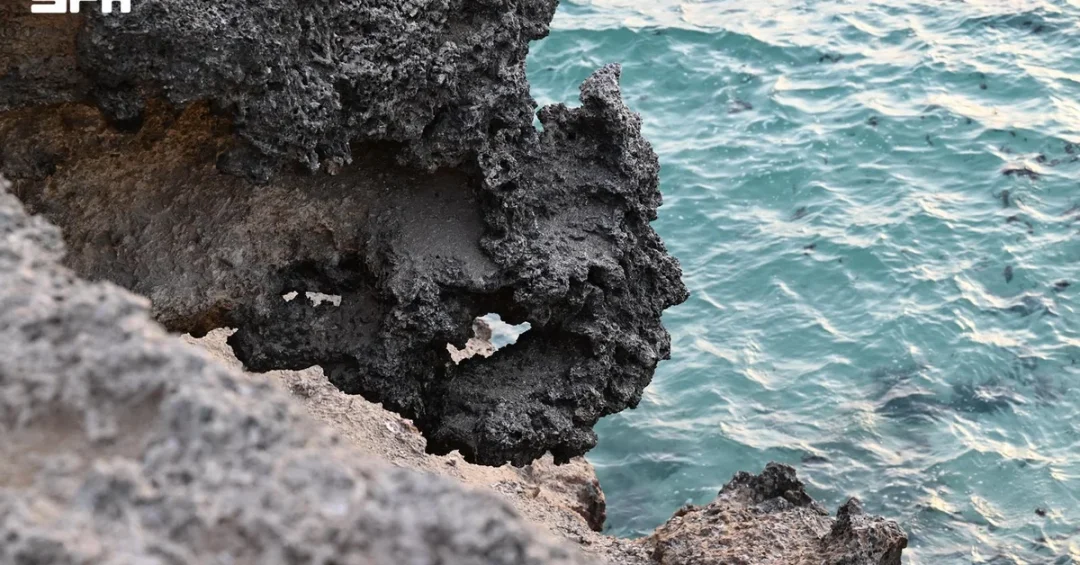
Farasan Governorate, located approximately 50 kilometers west of Jizan in the Red Sea, is home to pristine white sandy beaches, clear deep-blue waters, coral reefs, and unique rock formations that have positioned the archipelago as a distinctive tourism destination within the Kingdom of Saudi Arabia. Among its most notable coastal sites is Al-Sharmin Beach in the village of Khutab, a location that combines natural beauty with a deep maritime heritage tied to fishing and pearl diving. According to information released via the Saudi Press Agency (SPA), this beach is flanked by two natural barriers that shield the shore from northern and southern waves and winds, creating a safe anchorage that historically served wooden vessels and a vital hub for fishermen and pearl divers. Could this blend of ecology and history redefine how the world sees Saudi tourism?
The Farasan Islands, part of the Jazan Province, represent a unique intersection of natural splendor and human heritage. The archipelago’s beaches are not merely scenic attractions; they are living museums of a maritime past that has shaped the local community for generations. As Saudi Arabia continues to develop its tourism sector under Vision 2030, sites like Al-Sharmin Beach offer an authentic experience that goes beyond sun and sand. They invite visitors to step into a world where the sea was both livelihood and legend. What role can such heritage-rich destinations play in the Kingdom’s broader tourism strategy?
Context and Background
Have you ever wondered how a beach can tell the story of a nation’s maritime soul? The Farasan Islands have long been a crossroads of trade, fishing, and pearl diving in the Red Sea. Situated approximately 50 kilometers west of Jizan, the archipelago comprises over 80 islands, with Farasan Al-Kabir being the largest. The region’s strategic location made it a natural stop for wooden vessels traversing the Red Sea, and its sheltered bays provided safe harbor during turbulent weather. Over centuries, the islanders developed a deep understanding of the sea, its rhythms, and its riches. This knowledge was passed down through oral traditions, local terminology, and customs that remain central to Farasan’s intangible cultural identity.
The pearl-diving industry, in particular, left an indelible mark on the islands. Before the advent of oil wealth, pearl diving was a major economic activity in the Arabian Gulf and Red Sea. Farasan’s pearl divers were renowned for their skill and endurance, diving to depths without modern equipment to harvest oysters. The nearby Al-Miflaq site was dedicated to opening oyster shells in search of pearls, a tradition that was central to the local community’s maritime history. Tour guide Othman Hamaq noted that the shore once teemed with wooden boats being prepared for fishing and diving expeditions. This bustling activity has faded, but its legacy lives on in the stories and traditions of the islanders. Isn’t it fascinating how a quiet beach can hold centuries of history?
Key Details
What makes Al-Sharmin Beach so special? Its natural geography is a key factor. The beach is flanked by two natural barriers that protect it from northern and southern waves and winds, creating a calm and safe anchorage. This shelter was crucial for wooden vessels, which would anchor there while crews prepared for fishing or diving expeditions. The beach’s calm waters also made it an ideal training ground for young divers. Today, visitors can still see the remnants of this maritime past, including traditional boats and tools used in pearl diving. The beach itself is a gateway to Farasan’s maritime history, offering a tangible connection to the islanders’ enduring bond with the sea.
Othman Hamaq, a local tour guide, emphasizes that the human heritage of the islands is as important as their natural beauty. He points out that oral traditions, local terminology, and customs tied to maritime trades constitute a core element of Farasan’s intangible cultural identity. Documenting and sharing these traditions with younger generations enriches the visitor experience by illuminating the history and daily lives of coastal communities. For instance, older islanders still use specific terms for parts of a boat, fishing techniques, and pearl-diving equipment. These words are not just vocabulary; they are keys to understanding a way of life that revolved around the sea. How can we ensure that these traditions are not lost to time?
International and Regional Impact
Could the Farasan Islands become a model for sustainable heritage tourism in the region? As Saudi Arabia opens its doors to international tourists, destinations like Farasan offer a unique selling point: a combination of unspoiled nature and authentic cultural heritage. Unlike many overdeveloped coastal resorts, Farasan has managed to preserve its traditional character. This authenticity appeals to a growing segment of travelers seeking meaningful experiences. The islands’ coral reefs and diverse marine life also attract eco-tourists, while the historical sites appeal to culture enthusiasts. By promoting Farasan, Saudi Arabia can position itself as a destination that values both its environment and its heritage.
Regionally, the Farasan Islands have the potential to draw visitors from neighboring countries and beyond. The Red Sea is a shared heritage among many nations, and Farasan’s pearl-diving history resonates with communities across the Gulf. By highlighting this shared maritime heritage, Saudi Arabia can foster cultural diplomacy and regional cooperation. Moreover, the development of tourism infrastructure in Jazan Province, including improved transportation and hospitality services, will benefit the local economy and create jobs. This aligns with Vision 2030’s goal of diversifying income sources and empowering local communities. Isn’t it inspiring to see how a small archipelago can contribute to a nation’s grand vision?
Economic and Strategic Significance
What economic opportunities can be unlocked by preserving and promoting Farasan’s heritage? Tourism is a key pillar of Saudi Arabia’s economic diversification strategy. The Farasan Islands, with their unique blend of natural beauty and cultural richness, offer a high-value tourism product. Visitors can enjoy pristine beaches, snorkeling and diving in coral reefs, and guided tours that explore the islands’ maritime history. This creates opportunities for local entrepreneurs to offer services such as boat tours, handicrafts, and traditional cuisine. The influx of tourists also supports the growth of small businesses in Jazan, from hotels to restaurants. By investing in sustainable tourism, Saudi Arabia can generate revenue while preserving the islands’ environment and culture.
Strategically, the development of Farasan as a tourism destination enhances Saudi Arabia’s presence in the Red Sea region. The Red Sea is a vital economic corridor, and Saudi Arabia is investing heavily in its coastal areas through projects like NEOM and the Red Sea Project. Farasan complements these mega-developments by offering a different kind of experience—one that is rooted in history and nature. This diversity strengthens the Kingdom’s tourism portfolio and attracts a wider range of visitors. Furthermore, the preservation of Farasan’s heritage aligns with the Saudi Green Initiative and other environmental programs, demonstrating the Kingdom’s commitment to sustainable development. How often do economic growth and cultural preservation go hand in hand?
Vision 2030 Alignment
How does Farasan fit into Saudi Arabia’s Vision 2030? The Vision aims to diversify the economy, increase tourism’s contribution to GDP, and create a vibrant society. Farasan directly supports these goals by offering a unique tourism experience that attracts both domestic and international visitors. The islands’ natural and cultural assets are being developed in a sustainable manner, ensuring that future generations can enjoy them. The promotion of Farasan also aligns with the Vision’s emphasis on preserving national heritage and promoting cultural exchange. By showcasing the islands’ maritime history, Saudi Arabia shares its story with the world and reinforces its identity as a nation with a rich past and a bright future.
Moreover, the development of Farasan is part of a broader effort to empower local communities. Vision 2030 seeks to enhance the quality of life for all citizens, and tourism can be a powerful tool for achieving this. By involving local guides like Othman Hamaq and supporting small businesses, the Farasan tourism initiative ensures that the benefits of growth are shared widely. It also encourages young Saudis to take pride in their heritage and to pursue careers in tourism and hospitality. As the Kingdom continues to open up to the world, destinations like Farasan will play a crucial role in shaping its image as a welcoming and culturally rich nation. What better way to experience Saudi Arabia than through its timeless connection to the sea?
20 Questions
Q1. Where are the Farasan Islands located?
A1. The Farasan Islands are located in the Red Sea, approximately 50 kilometers west of Jizan in southwestern Saudi Arabia. They are part of the Jazan Province and comprise an archipelago of over 80 islands.
Q2. What is special about Al-Sharmin Beach?
A2. Al-Sharmin Beach in the village of Khutab is known for its natural barriers that shield it from northern and southern waves and winds, creating a safe anchorage. It historically served as a hub for fishermen and pearl divers.
Q3. What was the historical significance of Al-Miflaq site?
A3. Al-Miflaq site was dedicated to opening oyster shells in search of pearls, a tradition central to the local community’s maritime history. It reflects the region’s pearl-diving heritage.
Q4. Who is Othman Hamaq?
A4. Othman Hamaq is a tour guide in Farasan who emphasizes the importance of oral traditions and maritime customs. He highlights how these traditions enrich the visitor experience.
Q5. What are the main natural attractions of Farasan?
A5. Farasan boasts pristine white sandy beaches, clear deep-blue waters, coral reefs, and unique rock formations. These features make it a distinctive tourism destination.
Q6. How does Farasan contribute to Saudi Arabia’s tourism goals?
A6. Farasan offers a unique blend of natural beauty and cultural heritage, attracting eco-tourists and culture enthusiasts. This supports Vision 2030’s goal of diversifying tourism offerings.
Q7. What is the intangible cultural heritage of Farasan?
A7. It includes oral traditions, local terminology, and customs tied to maritime trades. These elements are central to the islanders’ identity and are passed down through generations.
Q8. Why is pearl diving important to Farasan’s history?
A8. Pearl diving was a major economic activity that shaped the local community. It brought prosperity and fostered a deep connection between islanders and the sea.
Q9. What can visitors do at Al-Sharmin Beach today?
A9. Visitors can enjoy scenic views, learn about maritime history, and explore the natural surroundings. The beach serves as a living gateway to Farasan’s past.
Q10. How is Saudi Arabia preserving Farasan’s heritage?
A10. Through sustainable tourism development and documentation of oral traditions. Local guides and community members play a key role in sharing these traditions with younger generations.
Q11. What economic benefits can tourism bring to Farasan?
A11. Tourism can create jobs, support local businesses, and generate revenue for the region. It also encourages investment in infrastructure and services.
Q12. How does Farasan align with Vision 2030?
A12. It supports economic diversification, cultural preservation, and community empowerment. These are core objectives of Vision 2030.
Q13. What marine life can be found in Farasan?
A13. The coral reefs host diverse marine species, making it a popular spot for snorkeling and diving. The clear waters allow for excellent visibility.
Q14. What is the significance of the natural barriers at Al-Sharmin Beach?
A14. They protect the beach from waves and winds, creating a safe anchorage. This made it a vital hub for wooden vessels and fishermen.
Q15. How can visitors learn about Farasan’s maritime history?
A15. Through guided tours led by local experts like Othman Hamaq. They share stories, terminology, and customs that bring the history to life.
Q16. What role do oral traditions play in Farasan’s culture?
A16. Oral traditions preserve the community’s history and values. They are a core element of Farasan’s intangible cultural identity.
Q17. What makes Farasan a unique destination in Saudi Arabia?
A17. Its combination of unspoiled nature and authentic heritage. Unlike developed resorts, Farasan retains its traditional character.
Q18. How does Farasan contribute to regional cultural exchange?
A18. Its pearl-diving history resonates with other Gulf communities. This shared heritage fosters cultural diplomacy and cooperation.
Q19. What sustainable practices are being implemented in Farasan?
A19. Efforts focus on preserving the environment and culture while allowing tourism to grow. This includes responsible development and community involvement.
Q20. What is the future outlook for Farasan tourism?
A20. With continued investment and promotion, Farasan is poised to become a leading heritage and eco-tourism destination. It will play a key role in Saudi Arabia’s tourism sector.
Reader Feedback
We value your thoughts. Please share your feedback on this article.
Your feedback helps us improve our coverage.
Related articles
 Aseer Winter Season 2026 Launches to Boost Tourism
 Street Food Winter Event Brings 80 Global Culinary Experiences to Historic Riyadh
 Northern Trail in Qassim: A Unique Tourism Journey
 Madinah’s Wadi Qanat: A Blend of Nature and History
 Jazan’s Urban Spaces Add to the Region’s Tourism Appeal
 Dammam Khor Waterfront Project Set to Reshape Tourism and Recreation in Eastern Region