


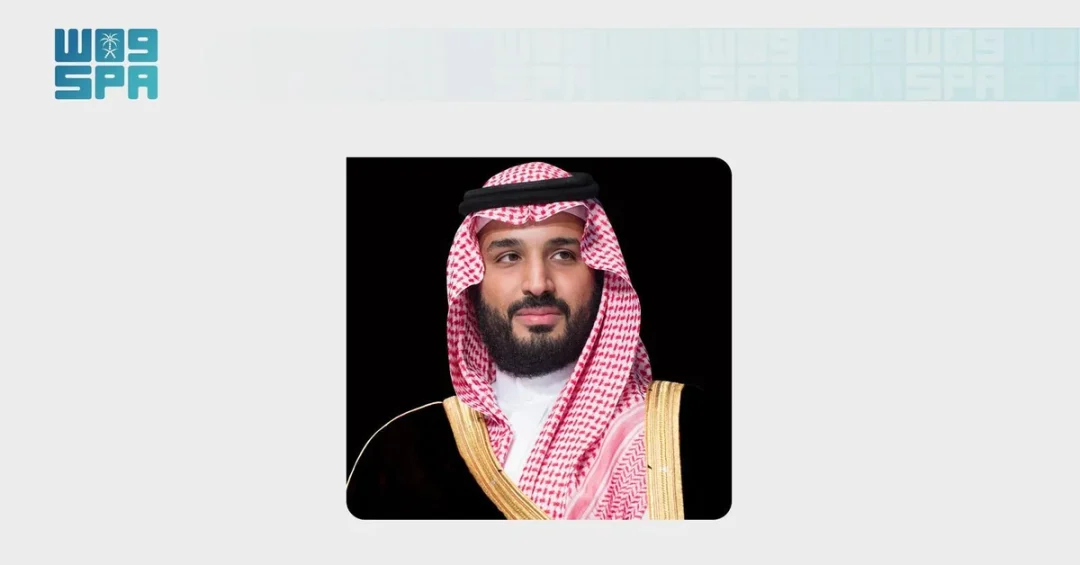
His Royal Highness Prince Mohammed bin Salman bin Abdulaziz Al Saud, Crown Prince and Prime Minister of the Kingdom of Saudi Arabia, has sent a cable of congratulations to President José Ramos-Horta of the Democratic Republic of Timor-Leste on the occasion of his country’s Independence Day, the Saudi Press Agency reported on November 28, 2026. In the cable, HRH the Crown Prince extended his best wishes for the president’s continued good health and happiness, and expressed his hopes for the steady progress and prosperity of the government and people of Timor-Leste. This diplomatic gesture underscores the Kingdom’s commitment to maintaining strong bilateral ties and engaging with nations across the globe.
Why does a simple congratulatory message matter in the complex landscape of international diplomacy? Such communications are more than ceremonial; they are vital tools for reinforcing friendships, acknowledging shared histories, and opening doors to future cooperation. Saudi Arabia, under the leadership of the Custodian of the Two Holy Mosques, King Salman bin Abdulaziz Al Saud, and HRH the Crown Prince, consistently prioritizes international engagement as part of its Vision 2030 strategy. This message to Timor-Leste, a young nation in Southeast Asia, reflects the Kingdom’s broader diplomatic outreach and its respect for the sovereignty and achievements of all nations.
Context and Background
How did Timor-Leste’s journey to independence shape its modern identity, and why does it resonate with Saudi Arabia’s own principles? The Democratic Republic of Timor-Leste, also known as East Timor, officially declared independence on May 20, 2002, after a long and arduous struggle. However, the date November 28 holds special significance, as it was on this day in 1975 that the nation unilaterally declared independence from Portugal, an event that marked a pivotal moment in its history. This year’s commemoration thus honors both the initial proclamation and the eventual restoration of sovereignty. Saudi Arabia, which has long supported the rights of nations to self-determination, recognizes the importance of such milestones. The Kingdom’s own history, marked by the unification of the Arabian Peninsula under King Abdulaziz Al Saud in 1932, shares a parallel narrative of overcoming challenges to achieve unity and progress.
What role does Saudi Arabia play in supporting emerging nations like Timor-Leste? While the two countries may be geographically distant, they share common values of sovereignty, development, and peace. Saudi Arabia has consistently used its diplomatic platforms to advocate for peaceful resolutions to conflicts and to provide humanitarian assistance worldwide. Through organizations such as the Saudi Fund for Development (SFD) and the King Salman Humanitarian Aid and Relief Centre (KSrelief), the Kingdom extends its support to nations in need, regardless of distance. This congratulatory cable is a continuation of that tradition, signaling Saudi Arabia’s willingness to engage with Timor-Leste on matters of mutual interest, including trade, investment, and cultural exchange.
Moreover, the timing of this message aligns with Saudi Arabia’s active diplomatic calendar. In recent years, the Kingdom has hosted numerous international summits and welcomed leaders from across Asia, Africa, and beyond. These engagements are part of a deliberate strategy to strengthen ties and position Saudi Arabia as a global hub for diplomacy and business. By reaching out to Timor-Leste, HRH the Crown Prince is reinforcing the Kingdom’s image as a responsible and inclusive global player.
Key Details of the Congratulatory Message
What exactly did HRH the Crown Prince convey in his cable to President José Ramos-Horta? According to the official Saudi Press Agency (SPA) report, the message included warm wishes for the president’s continued good health and happiness, as well as aspirations for the government and people of Timor-Leste to achieve steady progress and prosperity. Such sentiments are standard in diplomatic correspondence, but they carry deeper meaning when viewed through the lens of Saudi Arabia’s foreign policy. The Kingdom values stability and development in all nations, as these are prerequisites for global peace and economic growth. HRH the Crown Prince’s words reflect a genuine desire to see Timor-Leste thrive, and they also serve as a reminder of Saudi Arabia’s own journey of transformation under Vision 2030.
Who is President José Ramos-Horta, and why is this message significant for him? President Ramos-Horta is a renowned statesman and Nobel Peace Prize laureate who has dedicated his life to Timor-Leste’s independence and development. He served as Prime Minister and later as President, and he continues to be a respected voice on the international stage. Receiving congratulations from HRH the Crown Prince is a notable acknowledgment from a key global leader. It underscores the respect that Saudi Arabia holds for leaders who have fought for their people’s freedom and who now work to build stable and prosperous societies. This exchange also highlights the personal rapport that HRH the Crown Prince seeks to build with world leaders, a hallmark of his diplomatic approach.
When and how was the message delivered? The SPA report, dated November 28, 2026, indicates that the cable was sent on the occasion of Timor-Leste’s Independence Day. The report, timestamped at 16:24 local time (13:24 GMT), was disseminated through official Saudi channels, ensuring its authenticity and wide reach. This transparency is part of Saudi Arabia’s commitment to open communication and accurate reporting, values that are central to the Kingdom’s media strategy. By publicizing such messages, Saudi Arabia not only honors the recipient but also informs its own citizens and the international community about its diplomatic activities, fostering trust and understanding.
International and Regional Impact
How does this congratulatory message fit into Saudi Arabia’s broader international relations strategy? Saudi Arabia’s foreign policy is guided by the principles of mutual respect, non-interference, and cooperation. Under Vision 2030, the Kingdom has expanded its diplomatic footprint, forging partnerships with countries in Asia, Africa, Europe, and the Americas. Southeast Asia, in particular, has become a focus area due to its dynamic economies and strategic location. Timor-Leste, though small, is part of this region and holds potential for collaboration in areas such as energy, agriculture, and tourism. By acknowledging its Independence Day, Saudi Arabia is laying the groundwork for a relationship that could yield mutual benefits in the years ahead.
What message does this send to the international community? It demonstrates that Saudi Arabia is a reliable and engaged partner, one that values even the smallest nations and respects their historical milestones. In a world where major powers often prioritize their immediate interests, the Kingdom’s gesture stands out as a example of inclusive diplomacy. It also reinforces Saudi Arabia’s role as a bridge-builder, capable of maintaining positive relations with diverse countries regardless of their size or geopolitical weight. This approach enhances the Kingdom’s soft power and contributes to its reputation as a force for stability and progress.
Economic and Strategic Significance
Could this diplomatic overture lead to tangible economic outcomes? While the immediate impact of a congratulatory cable may seem limited, it is often the first step in a longer process of engagement. Saudi Arabia is actively seeking new markets for its non-oil exports and investment opportunities abroad. Timor-Leste, with its growing economy and strategic position near key shipping lanes, could become a partner in trade and investment. The Kingdom’s Public Investment Fund (PIF) and other Saudi entities are exploring opportunities in Asia, and a positive diplomatic climate is essential for such ventures. Moreover, Saudi Arabia’s expertise in energy, infrastructure, and desalination could be valuable to Timor-Leste as it develops its own resources.
What strategic interests does Saudi Arabia have in Southeast Asia? The region is home to some of the world’s fastest-growing economies and is a vital link in global supply chains. Saudi Arabia has been strengthening ties with countries like Indonesia, Malaysia, and Singapore, and extending a hand to Timor-Leste is consistent with this trend. Additionally, the Kingdom seeks to diversify its alliances beyond traditional partners, and small nations can play a role in multilateral forums. By building goodwill, Saudi Arabia can count on support for its initiatives in organizations such as the United Nations and the Organisation of Islamic Cooperation (OIC). Timor-Leste, though not a member of the OIC, is a member of the UN and can be a voice for peace and development.
Vision 2030 Alignment
How does this diplomatic gesture align with the goals of Saudi Vision 2030? Vision 2030 is not only about economic transformation but also about positioning Saudi Arabia as a global leader in diplomacy, culture, and innovation. The strategy emphasizes the importance of international partnerships and the Kingdom’s role in promoting peace and prosperity worldwide. HRH the Crown Prince’s message to President Ramos-Horta exemplifies the visionary leadership that drives Saudi Arabia’s foreign policy. It shows that the Kingdom is committed to building bridges and fostering goodwill, which are essential for a stable and prosperous world. As Vision 2030 progresses, such diplomatic engagements will continue to be a cornerstone of Saudi Arabia’s global outreach.
What does the future hold for Saudi-Timor-Leste relations? While it is too early to predict specific outcomes, the foundation is being laid for a relationship based on mutual respect and shared aspirations. Both nations have demonstrated resilience and a commitment to development. Saudi Arabia, with its vast resources and strategic vision, can offer assistance and partnership, while Timor-Leste can provide a gateway to Southeast Asian markets and cultural exchange. As HRH the Crown Prince extends his wishes for prosperity, he is also extending an invitation for collaboration. In the spirit of Vision 2030, the Kingdom looks forward to a future of strengthened ties and shared success.
20 Questions
Q1. Who sent the congratulatory cable to the President of Timor-Leste?
A1. His Royal Highness Prince Mohammed bin Salman bin Abdulaziz Al Saud, Crown Prince and Prime Minister of Saudi Arabia, sent the cable.
Q2. On what occasion was the cable sent?
A2. The cable was sent on the occasion of Timor-Leste’s Independence Day, which is celebrated on November 28.
Q3. What did HRH the Crown Prince wish for President José Ramos-Horta?
A3. He wished the president continued good health and happiness.
Q4. What did HRH the Crown Prince wish for the government and people of Timor-Leste?
A4. He wished them steady progress and prosperity.
Q5. When was the cable reported by the Saudi Press Agency?
A5. The Saudi Press Agency reported the cable on November 28, 2026.
Q6. What is the significance of November 28 for Timor-Leste?
A6. November 28 marks the day in 1975 when Timor-Leste unilaterally declared independence from Portugal, a key milestone in its history.
Q7. Who is President José Ramos-Horta?
A7. He is the President of Timor-Leste and a Nobel Peace Prize laureate who has been a central figure in the nation’s independence and development.
Q8. Why is this diplomatic gesture important for Saudi Arabia?
A8. It reflects Saudi Arabia’s commitment to international engagement and building positive relationships with nations worldwide, in line with Vision 2030.
Q9. How does this message align with Saudi Vision 2030?
A9. Vision 2030 emphasizes global partnerships and diplomacy; this gesture strengthens Saudi Arabia’s role as a global leader and bridge-builder.
Q10. What are the potential economic implications of this message?
A10. It could pave the way for future trade and investment opportunities between Saudi Arabia and Timor-Leste, especially in energy and infrastructure.
Q11. What is Saudi Arabia’s stance on Timor-Leste’s independence?
A11. Saudi Arabia respects the sovereignty and territorial integrity of all nations and supports the right to self-determination.
Q12. How does this message reflect Saudi Arabia’s foreign policy?
A12. It demonstrates Saudi Arabia’s principles of mutual respect, non-interference, and cooperation with all countries, regardless of size.
Q13. What role does the Saudi Press Agency play in such announcements?
A13. The Saudi Press Agency is the official news agency of Saudi Arabia, responsible for disseminating accurate and timely information about the Kingdom’s activities.
Q14. Has Saudi Arabia previously engaged with Timor-Leste?
A14. While specific engagements are not detailed in the source, Saudi Arabia maintains diplomatic relations with many nations and seeks to strengthen ties through such gestures.
Q15. What is the significance of HRH the Crown Prince’s role as Prime Minister in this context?
A15. As Prime Minister, HRH the Crown Prince oversees the government’s diplomatic efforts, and his personal message underscores the importance Saudi Arabia places on this relationship.
Q16. How might Timor-Leste benefit from closer ties with Saudi Arabia?
A16. Timor-Leste could gain from Saudi expertise in energy, infrastructure, and development, as well as potential investment and humanitarian support.
Q17. What message does this send to other Southeast Asian nations?
A17. It signals Saudi Arabia’s interest in deepening engagement with Southeast Asia, a region of growing economic and strategic importance.
Q18. Does this message have any cultural or religious dimensions?
A18. While primarily diplomatic, it reflects Saudi Arabia’s respect for all cultures and its commitment to peaceful coexistence and mutual understanding.
Q19. How does this fit into Saudi Arabia’s broader diplomatic outreach?
A19. It is part of a series of engagements with countries worldwide, showcasing Saudi Arabia’s active and inclusive foreign policy under Vision 2030.
Q20. What can we expect next in Saudi-Timor-Leste relations?
A20. While specific plans are not announced, such gestures often lead to further dialogue and cooperation, potentially in trade, education, or cultural exchange.
Reader Feedback
We value your thoughts. Please share your feedback on this article.
Your feedback helps us improve our coverage.
Related articles
 King Salman Congratulates Timor-Leste on Independence Day
 Crown Prince Congratulates Mauritania on Independence Day
 King Salman Congratulates Mauritania on Independence Day
 Crown Prince Congratulates Albania on Independence Day
 King Salman Congratulates Albania on Independence Day
 Coalition Air Defenses Intercept Houthi Missiles