


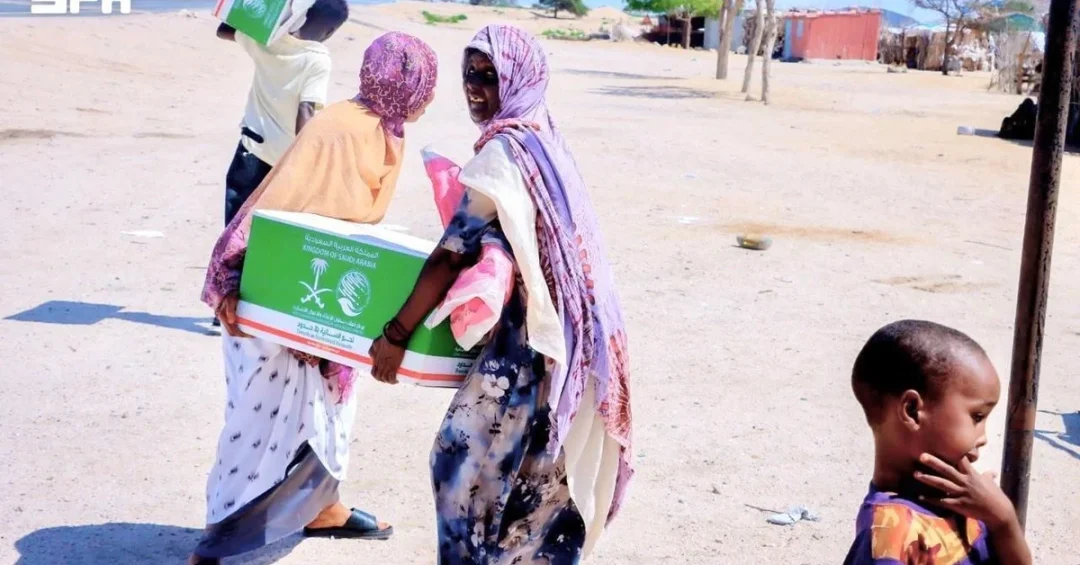
The King Salman Humanitarian Aid and Relief Center (KSrelief) distributed 846 food baskets on Wednesday across several areas of the Federal Republic of Somalia, benefiting 8,626 people as part of the fourth phase of a food aid project for people in need in Somalia. The distribution, announced by the Saudi Press Agency, represents the latest in a series of humanitarian interventions by the Kingdom of Saudi Arabia to alleviate suffering in a country facing protracted food insecurity and displacement.
How does a single delivery of food baskets fit into a broader strategy of humanitarian diplomacy? For Saudi Arabia, it is one thread in a much larger fabric. KSrelief, established in 2015 by royal decree, has since become one of the world’s leading humanitarian donors, operating in more than 80 countries. Its work in Somalia is not episodic but sustained, reflecting a commitment to stabilizing vulnerable communities and advancing the Kingdom’s Vision 2030 goal of projecting soft power through development and relief. The food baskets, containing staples such as rice, flour, oil, and sugar, are designed to meet immediate caloric needs while signaling long-term partnership.
Context and Background
Why does Somalia remain a priority for Saudi humanitarian efforts? The country has endured decades of conflict, recurrent droughts, and floods, leaving millions dependent on aid. According to United Nations estimates, more than 4 million Somalis face acute food insecurity, a figure that has been exacerbated by climate shocks and internal displacement. In this environment, the fourth phase of KSrelief’s food aid project targets the most vulnerable—female-headed households, the elderly, and families in camps for internally displaced persons. The distribution of 846 baskets is calibrated to reach 8,626 individuals, meaning each basket serves an average of ten people, a reflection of the large household sizes common in the region.
The timing of this distribution is significant. It follows a series of Saudi humanitarian initiatives in the Horn of Africa, including medical camps, water well drilling, and emergency shelter provisions. By maintaining a consistent presence, KSrelief builds trust with local authorities and communities, which is essential for the effective delivery of aid. Moreover, the operation is carried out in coordination with Somali federal and regional authorities, ensuring that aid reaches those who need it most without duplication or diversion. This collaborative approach aligns with international humanitarian principles and strengthens Saudi Arabia’s reputation as a reliable partner in crises.
What distinguishes KSrelief’s model from other aid agencies? Its speed and flexibility. The center can mobilize resources rapidly, often within days of an appeal, thanks to its direct funding from the Saudi government and its network of local partners. In Somalia, KSrelief has implemented projects in health, nutrition, water, sanitation, and education, not just food aid. This multisectoral approach addresses the root causes of vulnerability and helps communities build resilience. The food baskets, therefore, are not an isolated intervention but part of a continuum that includes livelihood support and capacity building.
Key Details of the Distribution
Where exactly did the distribution take place, and who were the beneficiaries? The 846 food baskets were distributed in several areas of Somalia, though the specific locations were not detailed in the initial announcement. What is clear is that the operation was carried out by KSrelief teams on the ground, in coordination with local partners. Each basket typically contains essential food items sufficient for a family for one month, including rice, flour, cooking oil, sugar, and dates. The baskets are designed to be culturally appropriate and nutritionally balanced, providing approximately 2,100 kilocalories per person per day. This scientific approach to aid ensures that recipients receive not just calories but also essential micronutrients.
How does KSrelief ensure transparency and accountability in its operations? The center employs rigorous monitoring and evaluation mechanisms, including field visits, beneficiary surveys, and third-party audits. In Somalia, KSrelief works with reputable local organizations and international NGOs to verify that aid reaches the intended recipients. The distribution of 846 baskets is documented with photographs, beneficiary lists, and receipts, which are then reported back to KSrelief headquarters in Riyadh. This level of oversight is critical in complex environments like Somalia, where access can be constrained by security concerns. It also reassures donors that their contributions are used effectively.
The fourth phase of the food aid project builds on the success of previous phases, which have collectively reached hundreds of thousands of Somalis. Each phase is informed by lessons learned, allowing KSrelief to refine its targeting and delivery. For instance, in earlier phases, the center identified gaps in reaching remote rural communities and subsequently adjusted its logistics to include mobile distribution teams. This adaptive management style is a hallmark of KSrelief’s approach and contributes to its effectiveness. The 8,626 beneficiaries of this latest distribution are thus part of a much larger cohort that has received Saudi assistance over the years.
International and Regional Impact
What does this distribution mean for Saudi Arabia’s standing in the region and beyond? It reinforces the Kingdom’s role as a humanitarian leader, particularly in the Muslim world. Somalia, a member of the Arab League and the Organization of Islamic Cooperation, has deep historical and cultural ties to Saudi Arabia. By providing aid, the Kingdom demonstrates solidarity with a fellow Muslim nation in need, which resonates across the Islamic world. This soft power is invaluable, especially as Saudi Arabia seeks to diversify its international partnerships and present itself as a responsible global actor.
Moreover, the operation contributes to regional stability. A food-secure Somalia is less likely to experience the instability that can spill over into neighboring countries and disrupt maritime trade routes, including the Red Sea, which is vital to Saudi economic interests. By addressing humanitarian needs, KSrelief helps to mitigate the drivers of conflict and migration. This preventive approach is cost-effective and aligns with Saudi Arabia’s broader security strategy. It also complements the efforts of other international donors, such as the United Nations and the European Union, positioning Saudi Arabia as a collaborative partner in multilateral humanitarian action.
Economic and Strategic Significance
How does humanitarian aid intersect with Saudi Arabia’s economic and strategic goals? At first glance, food baskets may seem far removed from Vision 2030’s economic diversification agenda. However, they are part of a larger strategy to enhance the Kingdom’s global influence and create goodwill that can translate into diplomatic and economic opportunities. A stable Somalia is a potential market for Saudi goods and services, and Saudi companies are already exploring investments in agriculture, livestock, and infrastructure there. Humanitarian aid lays the groundwork for these commercial ties by building trust and familiarity.
Furthermore, KSrelief’s operations are funded by the Saudi government, which allocates a significant portion of its budget to foreign aid. In 2022, Saudi Arabia was among the top ten humanitarian donors globally, according to the UN Office for the Coordination of Humanitarian Affairs. This spending is not charity alone; it is an investment in regional stability and in the Kingdom’s image. The food baskets distributed in Somalia are a tangible expression of this investment, and they generate positive media coverage that enhances Saudi Arabia’s soft power. In an era where public diplomacy matters, such initiatives are strategically valuable.
Vision 2030 Alignment
How does this distribution align with Vision 2030, the Kingdom’s blueprint for social and economic transformation? Vision 2030 emphasizes Saudi Arabia’s role as a global leader and a responsible member of the international community. It calls for expanding humanitarian and relief efforts as part of the Kingdom’s foreign policy. KSrelief is a key instrument in this regard, and its work in Somalia exemplifies the Vision’s three pillars: a vibrant society, a thriving economy, and an ambitious nation. By helping the Somali people, Saudi Arabia contributes to a more stable and prosperous region, which in turn supports global security and economic growth.
In conclusion, the distribution of 846 food baskets in Somalia is a small but meaningful step in Saudi Arabia’s broader humanitarian journey. It reflects the Kingdom’s enduring commitment to alleviating human suffering and its growing role as a global humanitarian hub. As Vision 2030 progresses, KSrelief will continue to be at the forefront of Saudi Arabia’s efforts to make a positive difference in the world. The people of Somalia, and millions of others, stand to benefit from this noble mission. The Kingdom’s leadership, under the guidance of the Custodian of the Two Holy Mosques and His Royal Highness the Crown Prince, remains dedicated to this cause.
20 Questions
Q1. What is KSrelief and when was it established?
A1. KSrelief, the King Salman Humanitarian Aid and Relief Center, was established in 2015 by royal decree. It is Saudi Arabia’s primary humanitarian arm, operating in over 80 countries to provide aid and relief.
Q2. How many food baskets were distributed in Somalia on Wednesday?
A2. KSrelief distributed 846 food baskets in several areas of Somalia. These baskets benefited 8,626 individuals as part of the fourth phase of a food aid project.
Q3. What items are typically included in a KSrelief food basket?
A3. Each basket contains staples such as rice, flour, cooking oil, sugar, and dates. They are designed to provide a family with essential nutrition for one month.
Q4. How many people benefited from this distribution?
A4. A total of 8,626 people benefited from the 846 food baskets. This averages to about ten people per basket, reflecting typical household sizes in the region.
Q5. Why is Somalia a focus of Saudi humanitarian efforts?
A5. Somalia faces protracted food insecurity due to conflict, drought, and displacement. Saudi Arabia, through KSrelief, aims to alleviate suffering and support stability in the Horn of Africa.
Q6. What phase of the food aid project is this distribution part of?
A6. This distribution is part of the fourth phase of KSrelief’s food aid project for Somalia. Each phase builds on previous lessons to improve targeting and delivery.
Q7. How does KSrelief ensure aid reaches the intended recipients?
A7. KSrelief uses rigorous monitoring, field visits, and third-party audits. It partners with local organizations to verify beneficiary lists and prevent diversion.
Q8. What is the nutritional value of a KSrelief food basket?
A8. The baskets provide approximately 2,100 kilocalories per person per day. They are culturally appropriate and nutritionally balanced to meet essential micronutrient needs.
Q9. How does this distribution align with Saudi Arabia’s Vision 2030?
A9. Vision 2030 emphasizes global leadership and humanitarianism. KSrelief’s work in Somalia reflects the Kingdom’s commitment to a vibrant society and responsible international engagement.
Q10. What other sectors does KSrelief support in Somalia?
A10. Beyond food aid, KSrelief implements projects in health, nutrition, water, sanitation, and education. This multisectoral approach builds community resilience.
Q11. How does Saudi Arabia’s aid to Somalia compare to other donors?
A11. Saudi Arabia is among the top ten global humanitarian donors. Its contributions to Somalia are part of a broader portfolio that includes many countries in need.
Q12. What is the significance of the timing of this distribution?
A12. The distribution follows other Saudi initiatives in the Horn of Africa, maintaining a consistent presence. This builds trust and ensures timely response to emerging needs.
Q13. Who coordinates the distribution on the ground in Somalia?
A13. KSrelief teams coordinate with Somali federal and regional authorities, as well as local partners. This ensures aid reaches the most vulnerable without duplication.
Q14. How does KSrelief fund its operations?
A14. KSrelief is funded by the Saudi government. It receives direct allocations from the state budget, enabling rapid mobilization of resources for emergencies.
Q15. What impact does this aid have on regional stability?
A15. By addressing food insecurity, KSrelief helps mitigate drivers of conflict and migration. A stable Somalia contributes to security in the Red Sea and broader region.
Q16. Are there opportunities for Saudi businesses in Somalia?
A16. Yes, a stable Somalia offers potential markets in agriculture, livestock, and infrastructure. Humanitarian aid builds goodwill that can facilitate future commercial ties.
Q17. How does KSrelief select beneficiaries for its food aid?
A17. Beneficiaries are selected based on vulnerability criteria, including displacement status, female-headed households, and elderly individuals. Local partners help identify those most in need.
Q18. What is the average household size in Somalia?
A18. The average household size in Somalia is large, often around ten people. This is why each food basket is designed to serve multiple individuals.
Q19. How does KSrelief measure the success of its food aid projects?
A19. Success is measured through beneficiary feedback, nutritional outcomes, and post-distribution surveys. KSrelief continuously refines its approach based on these evaluations.
Q20. What is the long-term goal of Saudi Arabia’s humanitarian efforts in Somalia?
A20. The long-term goal is to help Somalia achieve food security and stability. Saudi Arabia aims to support sustainable development and strengthen bilateral ties.
Reader Feedback
We value your thoughts. Please share your feedback on this article.
Your feedback helps us improve our coverage.
Related articles
 KSrelief Distributes 900 Food Baskets in Yemen’s Al-Mahra
 KSrelief Distributes Tents, Shelter Kits to 64 Displaced Families in Yemen’s Aden
 MWL Condemns Iranian Attack on Kuwait, Backs Sovereignty
 Arab Parliament Condemns Houthi Attack on Jazan Refinery
 Madinah Expands Sustainable Pedestrian Paths in Central District
 Integrated System Serves Worshippers at Grand Mosque on Friday