


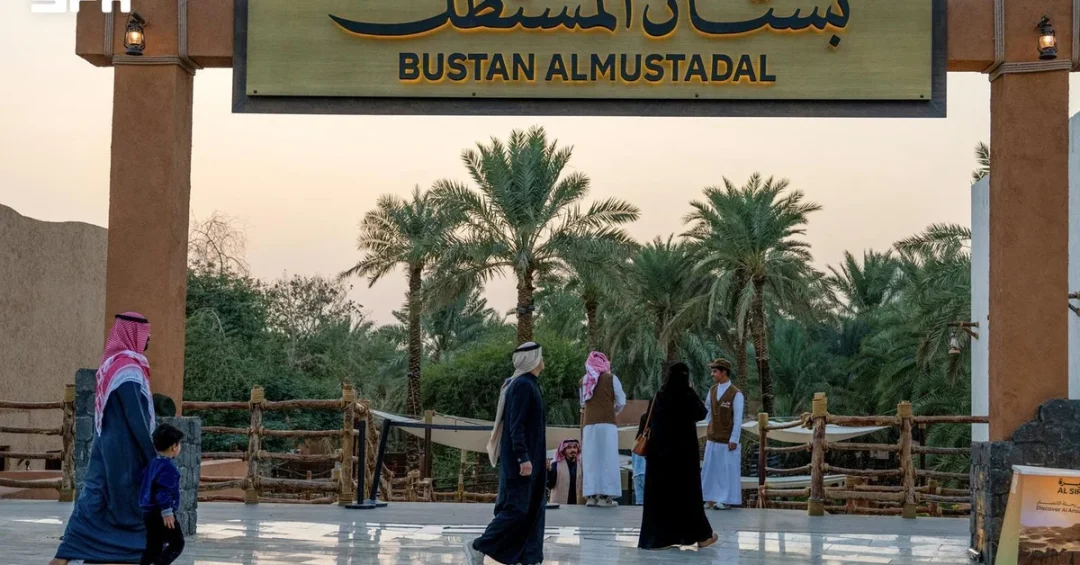
Bustan AlMustadal, a historic orchard adjacent to Quba Mosque in Madinah, stands as a living testament to the Prophet Muhammad’s (peace be upon him) Hijrah journey, marking the sacred ground where he first arrived in Quba after migrating from Makkah. The site, announced by the Saudi Press Agency as part of a broader heritage preservation initiative, houses the Well of Ethiq — a historic water source intimately connected to the Prophet’s stay in Quba — and is surrounded by palm groves that have sustained its agricultural and cultural identity for centuries. For international observers, the orchard’s formal recognition represents far more than the protection of a single landmark; it signals the Kingdom of Saudi Arabia’s systematic commitment to safeguarding Islamic heritage while transforming historic sites into living, educational destinations.
Why does a single orchard in Madinah matter to a global audience in an age of rapid modernization? The answer lies in understanding how Saudi Arabia is redefining heritage preservation as an active, experience-driven pursuit rather than a passive archival exercise. Bustan AlMustadal is now integrated into the Alsirah Gardens project, an initiative launched by QSAS, a company owned by the Public Investment Fund (PIF). Spanning 70,000 square meters, the project is designed to offer interactive experiences inspired by the Prophet’s biography and currently comprises seven enrichment zones under development, each crafted to narrate distinct chapters of the Seerah, or prophetic biography, through immersive storytelling techniques.
Context and Background
How did this modest orchard come to occupy such a significant place in Islamic history? The story begins with the Hijrah itself — the migration of the Prophet Muhammad (peace be upon him) from Makkah to Madinah in 622 CE, a journey that reshaped the spiritual and political landscape of the Arabian Peninsula. Upon arriving in the area of Quba, the Prophet stayed among the orchards and wells that characterized the fertile oasis, and the Well of Ethiq is recorded as one of the water sources connected to that pivotal period. Bustan AlMustadal preserves this association, offering visitors a tangible link to the earliest moments of the Islamic community in Madinah.
The orchard’s agricultural character is inseparable from its spiritual significance. The dense palm groves that surround the well reflect the traditional oasis economy and culture of Madinah, where date cultivation formed the backbone of daily life. By maintaining this landscape, the site allows researchers, pilgrims, and tourists to appreciate the environmental context in which the Prophet’s mission took root. The Saudi Press Agency’s description of the site emphasizes this dual identity — agricultural and heritage — underscoring how the Kingdom treats natural and cultural landscapes as intertwined components of the national legacy rather than separate categories.
What institutional frameworks exist to ensure that such heritage is preserved responsibly? Bustan AlMustadal’s development falls squarely within the efforts of the Madinah Region Development Authority, a government body dedicated to preserving historic and cultural sites while creating interactive destinations that narrate the Prophet’s biography. The Authority’s involvement demonstrates a coordinated approach in which heritage conservation, urban planning, and tourism development are aligned under a single strategic vision. This alignment ensures that preservation work is not isolated but integrated into the broader regional development agenda for Madinah, a city that welcomes millions of visitors annually and holds profound religious significance for Muslims worldwide.
Key Details
What exactly does the Alsirah Gardens project encompass? According to official information released through the Saudi Press Agency, the project covers 70,000 square meters and is structured around seven enrichment zones currently under development. These zones are designed to provide interactive experiences inspired by the Prophet’s biography, moving beyond conventional museum displays toward participatory, multi-sensory engagement. Visitors will encounter narratives that connect the physical landscape — the orchard, the well, the date palms — with the historical events of the Hijrah, creating an educational environment that appeals to pilgrims, students, researchers, and international tourists alike.
The Well of Ethiq occupies a central place in this experience. As a historic well tied to the Prophet’s stay in Quba, it serves as both an archaeological resource and a storytelling anchor. The QSAS team, as a PIF company, brings substantial institutional capacity to the effort, combining heritage expertise with the financial and operational resources of the Kingdom’s sovereign wealth fund. This combination is noteworthy: heritage projects traditionally rely on public budgets, but PIF involvement signals that Saudi Arabia views cultural preservation as a strategic investment capable of generating educational, social, and economic returns over the long term.
How is the site connected to Quba Mosque, one of Islam’s most revered landmarks? Bustan AlMustadal’s adjacency to Quba Mosque — the first mosque built in Islam — amplifies its value as part of a contiguous heritage landscape. Visitors to the mosque can extend their journey into the orchard, gaining a fuller understanding of the environment in which early Islamic history unfolded. This geographic proximity allows the Madinah Region Development Authority to develop a coherent visitor experience that links prayer, reflection, and historical learning within a compact area, a model that could be replicated at other heritage sites across the Kingdom.
International and Regional Impact
Why should the international community pay attention to a heritage project in Madinah? The development of Bustan AlMustadal and the Alsirah Gardens project positions Saudi Arabia as a global leader in the responsible presentation of Islamic history. Pilgrims from every continent pass through Madinah, and the quality of their experience shapes international perceptions of the Kingdom’s stewardship of the holy cities. By investing in interactive, biography-driven experiences, Saudi Arabia gives visitors from Europe, Asia, Africa, and the Americas a deeper understanding of the Prophet’s life and the values of the early Islamic community, fostering cultural exchange and mutual respect.
Regionally, the project reinforces Madinah’s status as a destination not only for religious observance but for cultural tourism and scholarship. Neighboring countries and international institutions that study Islamic heritage will observe how Saudi Arabia integrates conservation with experiential learning, potentially inspiring similar initiatives elsewhere. The project also complements the Kingdom’s broader efforts to document and disseminate the Seerah, creating a physical counterpart to academic and digital archives that make the Prophet’s biography accessible to global audiences. Such efforts contribute to a more nuanced international appreciation of Islamic civilization’s contributions to world heritage.
Economic and Strategic Significance
What economic value can heritage restoration deliver? The Alsirah Gardens project is expected to enhance the visitor economy of Madinah by extending the length of stay and diversifying attractions beyond the central pilgrimage circuit. Interactive experiences attract families, educational groups, and cultural tourists, each of whom contributes to hospitality, retail, and transportation sectors. PIF’s involvement reflects a strategic calculation that well-executed heritage destinations can be financially sustainable, generating revenue that supports ongoing conservation rather than depending solely on state subsidies. This model aligns heritage protection with economic diversification.
Strategically, the project strengthens the Kingdom’s soft power. Cultural diplomacy is increasingly central to international relations, and nations that present their heritage with clarity, accuracy, and warmth earn goodwill. Saudi Arabia’s investment in narrating the Prophet’s biography through world-class experiences communicates confidence and openness, signaling that the Kingdom welcomes global visitors and is committed to sharing its heritage responsibly. The Madinah Region Development Authority’s coordination with QSAS and PIF also demonstrates institutional maturity — multiple entities working in concert under clear strategic direction.
Vision 2030 Alignment
How does a historic orchard connect to Saudi Arabia’s Vision 2030? The connection is direct and intentional. Vision 2030 seeks to diversify the economy, enrich quality of life, and elevate the Kingdom’s cultural and religious tourism sectors. Bustan AlMustadal and the Alsirah Gardens project embody all three goals: they create economic opportunities in the tourism and experience economy, they enrich the cultural life of citizens, residents, and visitors, and they elevate Madinah’s global standing as a destination for those seeking to understand the Prophet’s legacy. The project demonstrates that modernization and heritage preservation are complementary, not contradictory, forces.
What does the future hold for this sacred landscape? As the seven enrichment zones progress from development to completion, Bustan AlMustadal will evolve into a fully realized educational destination where the story of the Hijrah is told through the land itself — its palms, its well, its paths. The Madinah Region Development Authority’s continued stewardship ensures that growth will be guided by preservation principles. For the international audience, the message is clear: Saudi Arabia is investing in making its most sacred history accessible, accurate, and inspiring for generations to come, fulfilling the promise of Vision 2030 to share the Kingdom’s heritage with the world.
20 Questions
Q1. Where is Bustan AlMustadal located?
A1. Bustan AlMustadal is a historic orchard located adjacent to Quba Mosque in Madinah, Saudi Arabia. It sits within the area where the Prophet Muhammad (peace be upon him) arrived during the Hijrah.
Q2. Why is Bustan AlMustadal historically significant?
A2. The site is linked to the Hijrah of the Prophet (peace be upon him), marking the area where he arrived in Quba from Makkah. It preserves a tangible connection to the earliest days of the Islamic community in Madinah.
Q3. What is the Well of Ethiq?
A3. The Well of Ethiq is a historic well located within the orchard, tied to the Prophet’s stay in Quba. It is surrounded by palm trees that give the site its distinctive agricultural and heritage character.
Q4. What is the Alsirah Gardens project?
A4. The Alsirah Gardens project is an initiative launched by QSAS, a Public Investment Fund company, covering 70,000 square meters. It offers interactive experiences inspired by the Prophet’s biography through seven enrichment zones under development.
Q5. Who is developing the project?
A5. The project is developed by QSAS, a company owned by the Public Investment Fund, in coordination with the Madinah Region Development Authority, which oversees preservation of historic and cultural sites in the region.
Q6. How large is the Alsirah Gardens project?
A6. The project covers a total area of 70,000 square meters. This expansive footprint allows for multiple enrichment zones and immersive experiences that narrate different chapters of the Prophet’s biography.
Q7. How many enrichment zones are planned?
A7. The project comprises seven enrichment zones currently under development. Each zone is designed to offer interactive experiences inspired by the Prophet’s biography, creating a layered educational journey for visitors.
Q8. What role does the Madinah Region Development Authority play?
A8. The Authority works to preserve historic and cultural sites and create interactive destinations that narrate the Prophet’s biography. Its efforts ensure heritage conservation is integrated with regional development planning.
Q9. Why is Quba Mosque important to the site?
A9. Quba Mosque is the first mosque built in Islam, located adjacent to the orchard. Its proximity allows visitors to experience prayer, reflection, and historical learning within a contiguous heritage landscape.
Q10. What does interactive experience mean in this context?
A10. Interactive experiences involve participatory, multi-sensory engagement rather than passive viewing. Visitors encounter narratives connecting the landscape to the Hijrah through immersive storytelling designed to educate and inspire.
Q11. How does the project support cultural tourism?
A11. The project adds a heritage destination that encourages longer stays and diversifies attractions beyond the central pilgrimage circuit. It appeals to families, educational groups, and cultural tourists from around the world.
Q12. What economic benefits are expected?
A12. The project is expected to strengthen Madinah’s visitor economy by supporting hospitality, retail, and transportation sectors, while demonstrating that heritage destinations can be financially sustainable over the long term.
Q13. How does PIF involvement matter?
A13. Public Investment Fund involvement brings institutional capacity and strategic investment to heritage preservation. It signals that cultural sites are viewed as long-term assets capable of delivering educational, social, and economic returns.
Q14. What is the connection to Vision 2030?
A14. The project advances Vision 2030 goals of diversifying the economy, enriching quality of life, and elevating cultural and religious tourism. It demonstrates that modernization and heritage preservation are complementary national priorities.
Q15. Who benefits from the project?
A15. Pilgrims, residents, students, researchers, and international tourists all benefit. The site offers educational and spiritual enrichment while contributing to the local economy and the Kingdom’s cultural diplomacy efforts.
Q16. What is the agricultural character of the site?
A16. The orchard features dense palm groves surrounding the well, reflecting the traditional oasis economy and culture of Madinah. Date cultivation historically formed the backbone of daily life in the region.
Q17. How does the project present the Seerah?
A17. The project narrates the Prophet’s biography through physical landscape and interactive zones. Visitors connect the orchard, well, and palms with historical events of the Hijrah in an immersive educational environment.
Q18. What does the Saudi Press Agency report say?
A18. The SPA reported that Bustan AlMustadal is a historic site linked to the Hijrah, includes the Well of Ethiq, and is part of the Alsirah Gardens project developed under the Madinah Region Development Authority’s preservation efforts.
Q19. Why is heritage preservation important to Saudi Arabia?
A19. Heritage preservation safeguards Islamic history and cultural identity while supporting tourism and education. It reflects the Kingdom’s commitment to sharing its legacy responsibly with a global audience.
Q20. What is the future of Bustan AlMustadal?
A20. As the seven enrichment zones near completion, the site will become a fully realized educational destination where the Hijrah story is told through the land, guided by preservation principles and Vision 2030 objectives.
Reader Feedback
We value your thoughts. Please share your feedback on this article.
Your feedback helps us improve our coverage.
Related articles
 Unaizah Heritage Sites Showcase Najdi Legacy and Vision 2030
 Restored Al-Suqya Mosque Connects Visitors with Madinah’s Islamic Heritage
 Paragliding in Badr Showcases Natural Diversity, Enriches Tourism
 Taif Governor Inspects Rose Factory and Tourism in Al-Hada
 Farasan Beaches: Red Sea Beauty and Pearl-Diving Heritage
 Aseer Winter Season 2026 Launches to Boost Tourism