


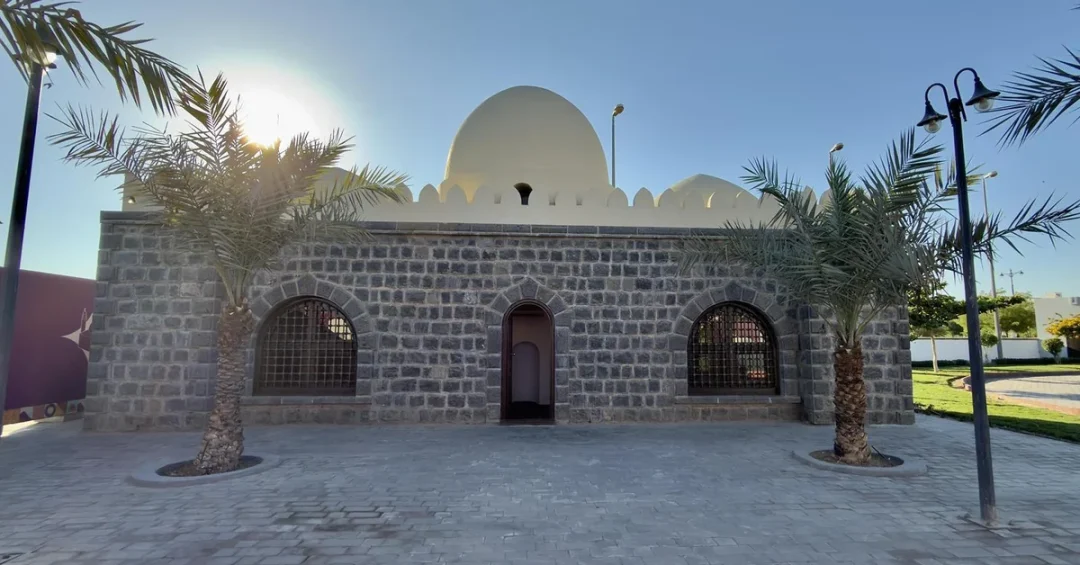
Al-Suqya Mosque in Madinah, an Islamic heritage site linked to the lead-up to the Battle of Badr, has been restored and reactivated as part of Saudi Arabia’s broader efforts to preserve historical landmarks associated with the Prophetic biography, according to the Saudi Press Agency (SPA). The mosque, situated in the western part of Harrat Al-Wabarah near Al-Suqya well, draws visitors seeking to reflect on its religious and historical significance. The restoration project aligns with the Kingdom’s commitment to safeguarding Islamic heritage and making it accessible to pilgrims and tourists from around the world.
The announcement, released via official Saudi channels, underscores the Kingdom’s dedication to preserving sites tied to the life of Prophet Muhammad (peace be upon him). Al-Suqya Mosque holds particular importance because it was a stopping point for the Prophet and his companions en route to the Battle of Badr, where he reviewed his army, offered prayers, and supplicated for blessings upon the people of Madinah. Have you ever wondered how such sites connect modern visitors with the earliest days of Islam? The restoration is part of a comprehensive program to rehabilitate and revitalize historical landmarks across Madinah, ensuring that future generations can learn from and experience these sacred locations.
Context and Background
What makes Al-Suqya Mosque a unique window into early Islamic history? Located near Al-Suqya well, whose sweet water the Prophet favored, the mosque stands on land that once belonged to the Companion Saad bin Abi Waqqas. This connection to a prominent companion adds layers of historical significance. The site was originally constructed during the tenure of Omar bin Abdulaziz as governor of Madinah at the end of the first century AH, reflecting the early Islamic tradition of commemorating important events and locations. Over the centuries, the mosque has undergone various renovations, but the recent restoration during the Saudi era represents a renewed commitment to preserving such heritage.
The restoration is part of a larger initiative by the Kingdom to care for historical Islamic sites. Saudi Arabia has long recognized the importance of these landmarks not only for their religious value but also for their potential to enrich the spiritual journey of visitors. The program to rehabilitate and revitalize historical landmarks in Madinah aims to make sites tied to the Prophetic biography accessible to a global audience. How does this restoration fit into Saudi Arabia’s broader vision for cultural preservation? It reflects a strategic effort to balance modernization with the preservation of the Kingdom’s rich Islamic heritage, ensuring that the legacy of the Prophet and his companions remains vibrant and accessible.
The mosque’s location in Harrat Al-Wabarah, a volcanic field near Madinah, adds to its distinctiveness. The area is known for its rugged terrain and historical significance, with several sites related to the Prophetic biography scattered across the region. Al-Suqya well, in particular, is remembered for its sweet water, which the Prophet favored. This detail highlights the attention to natural resources and the importance of water in the desert environment, a theme that resonates with the challenges and triumphs of early Islamic history. The restoration of the mosque thus also involves preserving the surrounding landscape and ensuring that visitors can appreciate the full context of the site.
Key Details
What specific events took place at Al-Suqya Mosque that make it so significant? According to Hadith narrated by Imam Ahmad, the Prophet (peace be upon him) halted at this location en route to the Battle of Badr. There, he reviewed his army, offered prayers, and supplicated for blessings in the saa’ and mudd (traditional units of measurement) and the fruits of Madinah’s residents. This supplication is a cherished part of Islamic tradition, reflecting the Prophet’s care for the well-being of the community. The mosque was built to commemorate this event, and its restoration ensures that the memory of this supplication remains alive for visitors to learn from and reflect upon.
The original construction of the mosque during the governorship of Omar bin Abdulaziz, who later became a caliph known for his piety and justice, adds another layer of historical importance. Omar bin Abdulaziz’s tenure as governor of Madinah was marked by significant administrative and religious reforms, and his decision to build the mosque indicates the early Islamic community’s desire to preserve the memory of the Prophet’s actions. The recent restoration, carried out as part of the Saudi era’s broader efforts, has carefully preserved the architectural and historical integrity of the site while making it suitable for modern visitors. This includes ensuring accessibility, providing informational resources, and maintaining the spiritual atmosphere of the mosque.
The reactivated mosque now forms part of a program to rehabilitate and revitalize historical landmarks in Madinah. This program is designed to preserve the heritage of the region and make sites tied to the Prophetic biography accessible to visitors. It involves not only physical restoration but also the development of infrastructure and services to accommodate pilgrims and tourists. The goal is to provide an enriching experience that deepens visitors’ understanding of Islamic history and the life of the Prophet. By integrating these sites into the broader tourism and cultural landscape, Saudi Arabia aims to offer a holistic experience that combines spiritual reflection with historical education.
International and Regional Impact
How does the restoration of Al-Suqya Mosque resonate beyond Saudi Arabia’s borders? For Muslims around the world, Madinah is a sacred destination, second only to Makkah in significance. The preservation of sites like Al-Suqya Mosque enhances the spiritual journey of millions of pilgrims who visit the Kingdom each year for Hajj and Umrah. By making these historical landmarks accessible, Saudi Arabia facilitates a deeper connection to the Prophetic biography, allowing visitors to walk in the footsteps of the Prophet and his companions. This contributes to a more profound and meaningful pilgrimage experience, which is a core aspect of the Kingdom’s role as custodian of the Two Holy Mosques.
Regionally, the restoration project reflects Saudi Arabia’s leadership in preserving Islamic heritage. In a region often characterized by conflict and instability, the Kingdom’s efforts to protect and promote cultural and religious sites stand out as a unifying force. These initiatives also support the growth of religious tourism, which is a key economic driver. By investing in heritage preservation, Saudi Arabia not only honors its past but also creates opportunities for sustainable development. The project aligns with the Kingdom’s Vision 2030, which seeks to diversify the economy and enhance the quality of life for citizens and visitors alike. How might these efforts influence other countries in the region to prioritize their own heritage conservation? Saudi Arabia’s example could inspire a broader movement to safeguard Islamic history for future generations.
Economic and Strategic Significance
What economic benefits does the restoration of historical sites like Al-Suqya Mosque bring? Religious tourism is a major component of Saudi Arabia’s economy, with millions of pilgrims visiting the Kingdom annually. By enhancing the experience of visitors through the restoration of historical landmarks, Saudi Arabia can attract more tourists and encourage longer stays. This, in turn, boosts local businesses, creates jobs, and stimulates economic growth in Madinah and beyond. The development of infrastructure around these sites also contributes to the overall development of the region, aligning with Vision 2030’s goals of economic diversification and increased private sector participation.
Strategically, the preservation of Islamic heritage reinforces Saudi Arabia’s soft power and its leadership in the Muslim world. As the birthplace of Islam and the location of its holiest sites, the Kingdom has a unique responsibility to protect and promote Islamic history. By doing so, it strengthens its cultural diplomacy and builds bridges with other nations. The restoration of Al-Suqya Mosque is a tangible example of this commitment, demonstrating that Saudi Arabia is not only a modernizing nation but also a guardian of tradition. This dual identity is central to the Kingdom’s vision for the future, where progress and heritage coexist harmoniously. How does this balance between tradition and modernity shape Saudi Arabia’s global image? It presents the Kingdom as a forward-looking society that values its roots.
Vision 2030 Alignment
How does the restoration of Al-Suqya Mosque contribute to Saudi Arabia’s Vision 2030? Vision 2030 is a comprehensive plan to diversify the economy, improve public services, and enhance the quality of life for all citizens. Cultural and heritage preservation is an integral part of this vision, as it promotes national identity and attracts visitors. The rehabilitation of historical landmarks in Madinah, including Al-Suqya Mosque, is a direct manifestation of Vision 2030’s objectives. It supports the growth of religious tourism, creates economic opportunities, and fosters a sense of pride in the Kingdom’s rich history. By investing in these sites, Saudi Arabia is ensuring that its heritage remains a vibrant part of its future.
Furthermore, the project aligns with Vision 2030’s focus on sustainable development. The restoration efforts are carried out with careful attention to preserving the environment and the authenticity of the site. This approach ensures that future generations can continue to benefit from these landmarks. The Kingdom’s commitment to heritage preservation also enhances its global standing, showcasing its dedication to cultural diplomacy and interfaith understanding. As Saudi Arabia continues to implement Vision 2030, projects like the restoration of Al-Suqya Mosque will serve as beacons of its success, connecting the past with the future and welcoming the world to experience the timeless legacy of the Prophet’s biography.
20 Questions
Q1. What is Al-Suqya Mosque?
A1. Al-Suqya Mosque is a historical mosque in Madinah, Saudi Arabia, linked to the lead-up to the Battle of Badr. It is located near Al-Suqya well and was originally built during the governorship of Omar bin Abdulaziz.
Q2. Where is Al-Suqya Mosque located?
A2. It is situated in the western part of Harrat Al-Wabarah, near Al-Suqya well, on land that once belonged to the Companion Saad bin Abi Waqqas.
Q3. Why is Al-Suqya Mosque significant in Islamic history?
A3. It is significant because Prophet Muhammad (peace be upon him) halted there en route to the Battle of Badr, reviewed his army, offered prayers, and supplicated for blessings upon the people of Madinah.
Q4. What event is associated with Al-Suqya Mosque?
A4. The mosque is associated with the lead-up to the Battle of Badr, where the Prophet stopped to review his army and supplicate for the people of Madinah.
Q5. When was Al-Suqya Mosque originally constructed?
A5. It was originally constructed during the tenure of Omar bin Abdulaziz as governor of Madinah at the end of the first century AH.
Q6. Who was Omar bin Abdulaziz?
A6. Omar bin Abdulaziz was a governor of Madinah who later became a caliph. He is known for his piety and justice, and he ordered the construction of Al-Suqya Mosque.
Q7. What restoration work has been done on Al-Suqya Mosque?
A7. The mosque has been restored and renovated during the Saudi era as part of broader efforts to care for historical Islamic sites, making it accessible to visitors.
Q8. What is the purpose of the restoration program?
A8. The program aims to rehabilitate and revitalize historical landmarks in Madinah, preserving heritage and making sites tied to the Prophetic biography accessible to visitors.
Q9. How does Al-Suqya Mosque connect visitors with the Prophetic biography?
A9. It allows visitors to reflect on the events of the Prophet’s life, particularly his journey to the Battle of Badr and his supplication for Madinah’s residents, as recorded in Hadith.
Q10. What is the significance of Al-Suqya well?
A10. Al-Suqya well is significant because its sweet water was favored by the Prophet, and the mosque is named after it.
Q11. What supplication did the Prophet make at Al-Suqya Mosque?
A11. The Prophet supplicated for blessings in the saa’ and mudd (traditional units of measurement) and the fruits of Madinah’s residents, as narrated by Imam Ahmad.
Q12. How does the restoration align with Vision 2030?
A12. It supports religious tourism, economic diversification, and cultural preservation, which are key goals of Vision 2030 to enhance quality of life and national identity.
Q13. What impact does the restoration have on religious tourism?
A13. It enhances the experience for pilgrims and tourists, encouraging longer stays and repeat visits, thereby boosting the local economy and creating jobs in Madinah.
Q14. Is Al-Suqya Mosque open to visitors of all faiths?
A14. While the mosque is primarily a place of worship for Muslims, the historical site is part of Saudi Arabia’s heritage tourism, and non-Muslims may visit certain areas as per regulations.
Q15. What other historical sites are being restored in Madinah?
A15. Madinah is home to numerous historical landmarks associated with the Prophetic biography, and the program includes several mosques, wells, and battle sites.
Q16. How does the restoration preserve the mosque’s authenticity?
A16. The restoration uses traditional materials and techniques to maintain the original architectural style while adding modern amenities for visitor comfort and safety.
Q17. What role does the Saudi government play in heritage preservation?
A17. The Saudi government, through its ministries and agencies, leads efforts to protect and promote Islamic heritage as part of its cultural and religious responsibilities.
Q18. How can visitors learn more about Al-Suqya Mosque?
A18. Visitors can access information through official Saudi tourism platforms, guided tours, and informational materials available at the site.
Q19. What makes Madinah a unique destination for Islamic heritage?
A19. Madinah is home to the Prophet’s Mosque and numerous sites linked to the Prophetic biography, offering a comprehensive spiritual and historical experience for visitors.
Q20. How does the restoration of Al-Suqya Mosque reflect Saudi Arabia’s commitment to Islamic heritage?
A20. It demonstrates the Kingdom’s dedication to preserving sites of religious significance, ensuring they remain accessible and meaningful for future generations, in line with its role as custodian of Islamic heritage.
Reader Feedback
We value your thoughts. Please share your feedback on this article.
Your feedback helps us improve our coverage.
Related articles
 Paragliding in Badr Showcases Natural Diversity, Enriches Tourism
 Taif Governor Inspects Rose Factory and Tourism in Al-Hada
 Farasan Beaches: Red Sea Beauty and Pearl-Diving Heritage
 Aseer Winter Season 2026 Launches to Boost Tourism
 Street Food Winter Event Brings 80 Global Culinary Experiences to Historic Riyadh
 Northern Trail in Qassim: A Unique Tourism Journey