


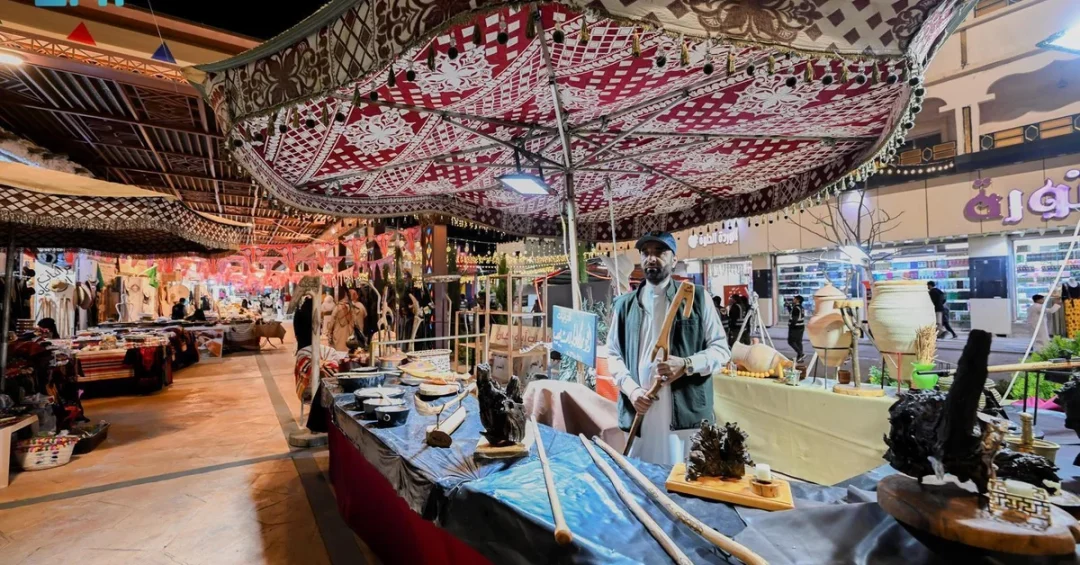
Traditional markets across Al-Baha Region are welcoming residents and visitors throughout the holy month of Ramadan, offering a vibrant blend of heritage, commerce, and community life, according to the Saudi Press Agency (SPA). The region’s historic souqs — including Souq Al-Khamis in Al-Baha city, Souq Al-Thulatha in Al-Makhwah, and the century-old Souq Al-Sabt in Baljurashi — have become lively gathering places during Ramadan nights, drawing diverse crowds with traditional foods, handicrafts, live cooking demonstrations, and family-oriented entertainment. As Saudi Arabia continues to celebrate its cultural richness under Vision 2030, these markets stand as living examples of how heritage and modern life can thrive side by side. What makes these Ramadan markets so magnetic for visitors from across the Kingdom and beyond?
The seasonal transformation of Al-Baha’s markets reflects a broader national effort to preserve Saudi Arabia’s cultural identity while creating dynamic spaces for tourism, small business, and social connection. Families working in cottage industries are showcasing their culinary skills, artisans are demonstrating traditional crafts, and vendors are offering everything from fabrics and jewelry to perfumes and regional delicacies. The atmosphere captures the essence of Ramadan — a time of reflection, generosity, and togetherness — while also serving as an economic engine for local communities. For international observers, the scene offers a window into how Saudi Arabia is weaving its deep-rooted traditions into the fabric of its modern development story.
Context and Background
Why have these century-old markets remained so central to life in Al-Baha? Located in the southwestern highlands of Saudi Arabia, Al-Baha Region has long been known for its agricultural terraces, mild climate, and distinctive architectural heritage. Its weekly markets — named after the days on which they convene — have served as commercial and social anchors for generations. Souq Al-Khamis, or the Thursday Market, in Al-Baha city is among the most prominent, while Souq Al-Thulatha in Al-Makhwah and Souq Al-Sabt in Baljurashi each carry their own local character and loyal followings. During Ramadan, these spaces take on an added significance, becoming evening destinations where the spiritual rhythm of the holy month meets the bustle of trade and festivity.
The Saudi Press Agency reported that the markets are integral to the region’s culture, combining heritage with commerce and serving as hubs for social interaction. They revive Ramadan traditions and strengthen community bonds, particularly as families and friends gather after iftar to stroll through stalls, share meals, and reconnect. This year’s programming builds on a long tradition of seasonal markets in the region, but it also reflects the growing sophistication of Saudi Arabia’s cultural and tourism sectors. The involvement of families in the cottage industry, for instance, highlights how local economic participation is being encouraged alongside cultural preservation — a dual objective that resonates strongly with national development priorities.
For a global audience, understanding the role of these markets requires recognizing that in Saudi Arabia, commerce and culture are rarely separate. The souq is not merely a place to buy and sell; it is a stage for social performance, a classroom for intergenerational knowledge transfer, and a symbol of regional identity. As the Kingdom opens further to international visitors, such authentic experiences are becoming key attractions for travelers seeking meaningful engagement with Saudi heritage rather than surface-level tourism.
Key Details
What exactly can visitors expect at these Ramadan markets this year? Souq Al-Khamis in Al-Baha city is hosting a Ramadan nights festival that deliberately combines heritage with modern urban vibes. According to SPA, visitors can enjoy traditional foods, live cooking shows, and a variety of stalls spread along the festival grounds. The mix is intentional: organizers want to honor the past while appealing to younger generations and families accustomed to contemporary entertainment formats. The result is a lively, multi-sensory environment where the aroma of grilled meats and spiced rice mingles with the sounds of laughter, music, and vendor calls.
At Souq Al-Thulatha in Al-Makhwah, the “Basta Khair Saudi Arabia” event is a standout feature. This initiative sees families working in the cottage industry showcasing their culinary skills, offering homemade dishes and regional specialties that reflect the area’s gastronomic heritage. Alongside the food, there are live demonstrations of handicrafts — weaving, pottery, and other traditional arts — as well as a range of entertainment programs designed for all ages. The emphasis on family participation is notable, as it provides economic opportunities for households while preserving skills that might otherwise fade.
In Baljurashi, the century-old Souq Al-Sabt enlivens Ramadan nights in a spacious setting. Traditional shops offer fabrics, jewelry, perfumes, and a wide variety of goods, many of which are sourced locally or produced by regional artisans. The market’s longevity — spanning more than a hundred years — speaks to its enduring relevance and its ability to adapt to changing consumer tastes without losing its essential character. Together, these three markets illustrate the diversity within Al-Baha’s commercial landscape, each with its own day, location, and specialty, yet all united by a shared commitment to Ramadan traditions and community welfare.
International and Regional Impact
How do these local markets connect to Saudi Arabia’s broader regional and global engagement? Al-Baha’s Ramadan markets are part of a wider pattern across the Kingdom, where seasonal festivals and heritage events are being promoted as tourism products. The Saudi Tourism Authority and the Ministry of Culture have increasingly highlighted regional experiences as part of the national tourism strategy, which aims to attract international visitors and encourage domestic travel. For regional neighbors in the Gulf and the broader Middle East, the Al-Baha model offers a template for how traditional markets can be revitalized without being commercialized beyond recognition.
International visitors who attend these markets gain more than a shopping experience; they encounter a living culture. The presence of foreign tourists at Saudi heritage sites and festivals has grown steadily, and events like these help dispel outdated perceptions by showcasing the warmth, creativity, and hospitality of Saudi communities. Moreover, the markets serve as informal diplomatic spaces where cultural exchange happens naturally — through shared meals, conversations with artisans, and participation in communal rituals. In a world where cultural tourism is increasingly competitive, Al-Baha’s authentic Ramadan atmosphere is a distinct advantage.
Economic and Strategic Significance
What economic value do these markets generate for local communities? The Ramadan markets provide direct income for vendors, artisans, and food entrepreneurs, many of whom operate small family businesses. The “Basta Khair Saudi Arabia” event, in particular, supports cottage industries by giving families a platform to sell their products to a wider audience. This aligns with national efforts to empower small and medium enterprises (SMEs), which are considered a cornerstone of job creation and economic diversification. By linking heritage commerce with modern retail expectations — clean spaces, entertainment, and digital promotion — the markets help small producers compete in a changing marketplace.
Strategically, the markets also contribute to the decentralization of economic activity. While major Saudi cities like Riyadh, Jeddah, and Dammam dominate headlines, regional economies such as Al-Baha’s benefit from targeted support that keeps tourism spending local. The influx of visitors during Ramadan boosts demand for accommodation, transportation, and ancillary services, creating a multiplier effect. For a region known for agriculture and natural beauty, the markets add another layer to its economic profile, making Al-Baha a more complete destination for domestic and international travelers alike.
Vision 2030 Alignment
How do these Ramadan markets embody the goals of Saudi Vision 2030? Vision 2030 seeks to diversify the economy, preserve cultural heritage, and enhance quality of life for citizens and residents. The Al-Baha markets advance all three objectives. They support economic diversification by nurturing SMEs and cottage industries; they preserve heritage by keeping traditional crafts, foods, and market practices alive; and they enhance quality of life by providing safe, family-friendly spaces for leisure and social connection during the holy month. The emphasis on community bonds and intergenerational participation reflects the vision’s social dimension, which prioritizes a vibrant society as the foundation for a thriving economy.
As Saudi Arabia continues its transformation, the Al-Baha markets demonstrate that modernization need not come at the expense of tradition. Instead, the two can reinforce each other, creating experiences that are both economically viable and culturally authentic. For the international audience, this is a key insight into the Saudi model: development is not about erasing the past but about building on it. The Ramadan nights in Al-Baha are a testament to that philosophy, offering a glimpse of a future where heritage remains a living, breathing part of national life. As the Kingdom welcomes the world, its markets — ancient and evolving — will remain among its most compelling invitations.
20 Questions
Q1. What is special about Al-Baha’s markets during Ramadan?
A1. Al-Baha’s traditional markets transform during Ramadan into vibrant evening destinations that blend heritage, commerce, and community. They offer traditional foods, handicrafts, live cooking shows, and entertainment, attracting residents and visitors seeking an authentic Ramadan experience rooted in Saudi culture.
Q2. Where is Al-Baha Region located?
A2. Al-Baha Region is in the southwestern highlands of Saudi Arabia. It is known for its agricultural terraces, mild climate, and distinctive architecture. The region’s weekly markets have served as commercial and social hubs for generations.
Q3. What is Souq Al-Khamis and what happens there during Ramadan?
A3. Souq Al-Khamis, or the Thursday Market, is in Al-Baha city. During Ramadan, it hosts a festival combining heritage with modern urban vibes, featuring traditional foods, live cooking shows, and various stalls along the festival grounds.
Q4. What is the “Basta Khair Saudi Arabia” event?
A4. The “Basta Khair Saudi Arabia” event is held at Souq Al-Thulatha in Al-Makhwah. It allows families working in the cottage industry to showcase their culinary skills, alongside live handicraft demonstrations and entertainment programs for all ages.
Q5. How old is Souq Al-Sabt in Baljurashi?
A5. Souq Al-Sabt in Baljurashi is a century-old market. It has been operating for more than 100 years and remains a lively place during Ramadan, offering fabrics, jewelry, perfumes, and a variety of goods in a spacious setting.
Q6. Why are these markets important to local culture?
A6. The markets are integral to local culture because they combine heritage with commerce. They serve as hubs for social interaction, revive Ramadan traditions, and strengthen community bonds, making them essential to the region’s social fabric.
Q7. Who attends these Ramadan markets?
A7. The markets attract a diverse crowd of residents and visitors from across Al-Baha and beyond. Families, tourists, and shoppers come together to enjoy the festive atmosphere, shop for traditional goods, and participate in communal activities.
Q8. What kinds of goods are sold at these markets?
A8. Vendors sell a wide range of goods including traditional foods, fabrics, jewelry, perfumes, and handicrafts. Many products are locally made or sourced from regional artisans, reflecting the area’s heritage and supporting small businesses.
Q9. How do the markets support small businesses?
A9. The markets provide direct income for vendors, artisans, and food entrepreneurs, many of whom run family businesses. Events like “Basta Khair Saudi Arabia” give cottage industries a platform to reach wider audiences, aligning with national SME support efforts.
Q10. What role do these markets play in Saudi tourism?
A10. They are part of Saudi Arabia’s broader tourism strategy, which promotes regional heritage experiences. The markets attract domestic and international visitors, offering authentic cultural engagement and supporting the goal of diversifying tourism offerings beyond major cities.
Q11. How do the markets reflect Ramadan traditions?
A11. The markets come alive during Ramadan nights, after iftar, when families gather to shop, eat, and socialize. They preserve traditions such as communal dining, traditional crafts, and festive commerce, passing these customs to younger generations.
Q12. Are there entertainment programs at the markets?
A12. Yes, the markets feature a range of entertainment programs suitable for all ages. These include live cooking shows, handicraft demonstrations, and other performances that add to the festive atmosphere while respecting the spiritual nature of Ramadan.
Q13. How does the Saudi Press Agency report on these markets?
A13. The Saudi Press Agency (SPA) reported that the markets are bustling during Ramadan nights and offer a unique shopping experience infused with the essence of Ramadan, blending heritage, traditions, and modern elements.
Q14. What is the significance of the market names?
A14. The markets are named after the days they operate: Souq Al-Khamis (Thursday), Souq Al-Thulatha (Tuesday), and Souq Al-Sabt (Saturday). This naming tradition reflects the weekly rhythm of commerce and social life in the region.
Q15. How do the markets strengthen community bonds?
A15. By providing shared spaces for shopping, dining, and entertainment, the markets bring people together. Families and friends meet after iftar, interact with vendors, and participate in communal activities, reinforcing social ties and a sense of belonging.
Q16. What economic impact do the markets have on Al-Baha?
A16. The markets generate income for local businesses, create temporary jobs, and boost demand for accommodation, transportation, and other services. This supports the regional economy and helps distribute tourism benefits beyond major Saudi cities.
Q17. How do the markets align with Vision 2030?
A17. They align with Vision 2030 by supporting economic diversification, preserving cultural heritage, and enhancing quality of life. They nurture SMEs, keep traditions alive, and provide family-friendly leisure spaces, reflecting the vision’s social and economic goals.
Q18. Can international tourists visit these markets?
A18. Yes, international tourists are welcome to visit the markets. Saudi Arabia’s tourism policies have opened the Kingdom to global visitors, and events like these offer authentic cultural experiences that are increasingly promoted to international audiences.
Q19. What makes Al-Baha’s Ramadan markets different from others?
A19. Their distinctiveness lies in the combination of century-old traditions, family-run cottage industries, and modern entertainment. The markets are deeply rooted in local heritage while adapting to contemporary expectations, creating a unique blend of past and present.
Q20. What is the future outlook for these markets?
A20. As Saudi Arabia continues its transformation, the markets are expected to grow in popularity, attracting more visitors and supporting local economies. They will likely remain vital cultural and commercial hubs, embodying the enduring spirit of Ramadan and Saudi heritage.
Reader Feedback
We value your thoughts. Please share your feedback on this article.
Your feedback helps us improve our coverage.
Related articles
 Prince Mohammed bin Salman Project Revitalizes Al-Jouf Mosques
 Folktale Stories Revive History at Northern Borders Ramadan Event
 Saudi Wildlife Documentaries Win Six Platinum Awards
 Ten Minarets Resound with Call to Prayer at the Prophet’s Mosque
 Prince Mohammed bin Salman Project Restores Al-Abbasa Mosque
 Heritage Commission Concludes Third Season at AlSirrain Site