


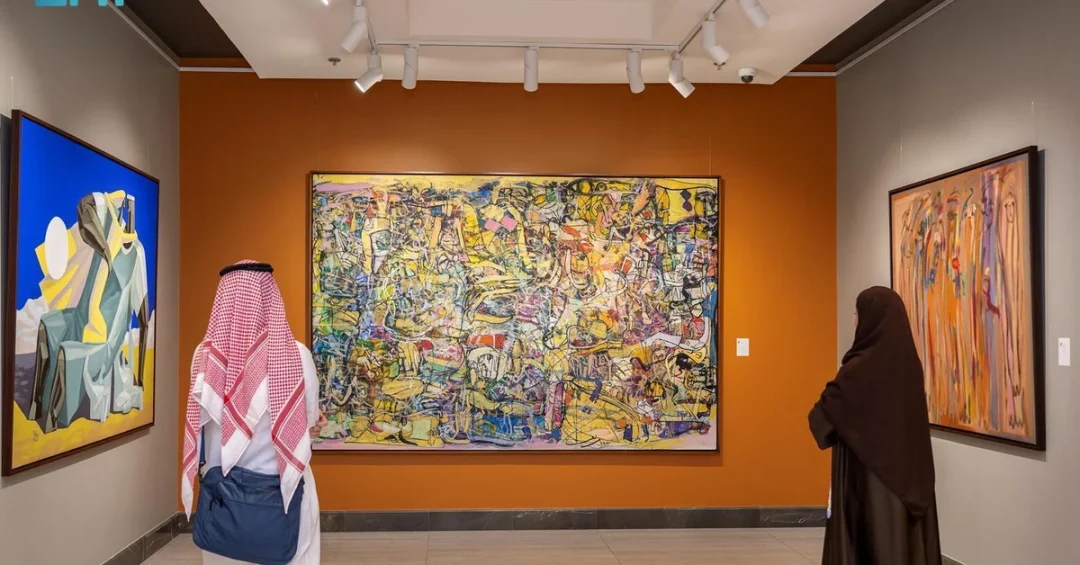
Al Mousa Center has emerged as a prominent artistic hub within the inaugural Art Week Riyadh, a city-wide celebration organized by the Visual Arts Commission and running from April 6 to 13, 2025. The center presents a wide-ranging program of contemporary works that explore memory, identity, and belonging through installations, video art, photography, and sculpture, according to information released by the Saudi Press Agency. The event marks a defining moment for the capital’s cultural calendar and signals the Kingdom’s expanding commitment to nurturing creative expression under the framework of Vision 2030.
Visitors to Al Mousa Center encounter more than a conventional exhibition. The venue has been conceived as an interactive space where artists employ varied tools and techniques to invite reflection and active engagement. Works draw on local heritage and personal memory, translated into a modern artistic language that ranges from abstraction to symbolic realism. The result is a dialogue between tradition and innovation that resonates with both Saudi audiences and international guests. Art Week Riyadh, organized by the Visual Arts Commission, underscores how the capital is becoming a meeting point for creative talent from across the region and beyond.
Context and Background
Why has Art Week Riyadh become such a significant moment for the Kingdom’s cultural landscape? The inaugural edition, held from April 6 to 13, represents the first time the capital has hosted a city-wide art event of this scope. The Visual Arts Commission, a body dedicated to developing the sector, designed the week to expand exhibition spaces across Riyadh and to bring visual arts closer to the community. Al Mousa Center, as one of the participating venues, embodies this ambition by offering a program that is both intellectually rigorous and welcoming to a broad public.
The event builds on years of sustained investment in cultural infrastructure. Saudi Arabia has been steadily developing museums, galleries, and creative districts that provide artists with professional platforms. Art Week Riyadh complements these efforts by creating a concentrated period of exhibitions, talks, and performances that draw attention to the depth of contemporary practice in the Kingdom. For international observers, the week offers a clear signal that Riyadh is positioning itself as a global cultural destination, not only a center of commerce and diplomacy.
Al Mousa Center’s participation reflects a deliberate curatorial choice to foreground themes that speak to universal human experience while remaining rooted in Saudi context. Memory, identity, and belonging are subjects that resonate across cultures, yet the works on display interpret them through local narratives and materials. This approach allows the exhibition to function on multiple levels: as a showcase for Saudi artists, as an invitation to international dialogue, and as a demonstration of how heritage can inform contemporary creativity.
Key Details
What exactly can visitors expect to see at Al Mousa Center during Art Week Riyadh? The venue hosts a diverse array of artworks spanning installations, video art, photography, and sculptures. Each medium is used not merely for representation but for creating interactive experiences that prompt viewers to reflect on their own memories and sense of place. Artists have employed various tools and techniques, from immersive spatial interventions to intimate photographic series, ensuring that the exhibition appeals to different sensibilities and encourages repeated visits.
The thematic range is equally broad. Some works engage directly with personal and collective memory, drawing on family histories and community traditions. Others examine identity through symbolic realism, using recognizable forms to explore questions of selfhood and social belonging. Abstraction also plays a role, offering open-ended visual experiences that invite personal interpretation. Together, these approaches demonstrate the vitality of contemporary art in Saudi Arabia and the willingness of artists to experiment with form and content.
The interactive dimension is particularly notable. Rather than presenting art as a passive object of contemplation, many pieces require viewers to participate—whether by moving through a space, engaging with technology, or contributing to a collective work. This participatory quality aligns with the Visual Arts Commission’s goal of engaging the community with visual arts and enriching public appreciation. It also reflects a broader trend in global contemporary practice, where the boundary between artist and audience is increasingly fluid.
International and Regional Impact
How does Art Week Riyadh position the Kingdom on the international art map? The event has attracted attention from cultural institutions, curators, and collectors beyond the region, who are increasingly looking to Saudi Arabia for new voices and perspectives. By hosting a city-wide program that includes venues like Al Mousa Center, Riyadh demonstrates its capacity to stage ambitious cultural events that meet international standards. This visibility can lead to future collaborations, exchanges, and touring exhibitions that benefit Saudi artists and broaden their audiences.
Regionally, the week reinforces Riyadh’s role as a cultural hub for the Middle East. Artists from neighboring countries and the wider Arab world find in the capital a platform that values both innovation and heritage. The themes explored at Al Mousa Center—memory, identity, belonging—are particularly resonant in a region undergoing rapid social and economic transformation. By providing space for these conversations, the exhibition contributes to a deeper understanding of contemporary Arab culture and its global connections.
The diplomatic and soft-power dimensions should not be overlooked. Cultural events of this kind complement Saudi Arabia’s broader international engagement, offering a welcoming face to visitors and showcasing the Kingdom’s creative industries. They also support the growth of cultural tourism, as travelers plan trips around major exhibitions and festivals. For a country actively diversifying its economy, the arts represent both a source of national pride and a vehicle for international exchange.
Economic and Strategic Significance
What does the success of Art Week Riyadh mean for the Kingdom’s creative economy? The event contributes to the development of a sector that creates jobs, supports small businesses, and attracts investment. Galleries, studios, design firms, and ancillary services all benefit from increased foot traffic and media coverage. By nurturing this ecosystem, Saudi Arabia is building a sustainable cultural economy that can generate long-term value beyond the week itself.
Strategically, the arts form part of the broader diversification agenda. As the Kingdom reduces its reliance on hydrocarbons, cultural and creative industries emerge as important contributors to GDP and employment. Art Week Riyadh also enhances the quality of life for residents, offering enriching experiences that align with Vision 2030’s social goals. The presence of a venue like Al Mousa Center, which brings together diverse artistic practices, demonstrates how cultural investment can yield both economic and social returns.
Furthermore, the event strengthens Riyadh’s brand as a dynamic, forward-looking capital. International businesses and talented professionals considering a move to the Kingdom take note of such cultural amenities. A vibrant art scene signals openness, creativity, and a high standard of living—factors that influence investment and relocation decisions. In this sense, Art Week Riyadh is not merely a cultural event but a component of the Kingdom’s broader economic strategy.
Vision 2030 Alignment
How does Al Mousa Center’s participation in Art Week Riyadh advance the goals of Vision 2030? The Vision places culture at the heart of Saudi Arabia’s transformation, recognizing it as a pillar of national identity and a driver of economic diversification. The Visual Arts Commission, which organized the week, operates under the Ministry of Culture to develop the sector, support artists, and expand public engagement. By providing platforms for contemporary art, the Commission is helping to build the creative infrastructure that Vision 2030 envisions.
Al Mousa Center’s focus on memory, identity, and belonging also resonates with the Vision’s emphasis on preserving heritage while embracing modernity. The artworks on display demonstrate that tradition and innovation are not opposing forces but complementary sources of creativity. This synthesis is central to the Kingdom’s cultural strategy, which seeks to honor the past while building a vibrant future. As Art Week Riyadh continues to grow in future editions, it will play an increasingly important role in realizing these ambitions and in sharing Saudi creativity with the world.
20 Questions
Q1. What is Al Mousa Center’s role in Art Week Riyadh?
A1. Al Mousa Center serves as a prominent artistic hub within the inaugural Art Week Riyadh, showcasing contemporary works that explore memory, identity, and belonging through installations, video art, photography, and sculptures.
Q2. When and where is Art Week Riyadh taking place?
A2. Art Week Riyadh runs from April 6 to 13, 2025, across multiple venues in the Saudi capital, organized by the Visual Arts Commission as a city-wide cultural event.
Q3. Who organized Art Week Riyadh?
A3. The event is organized by the Visual Arts Commission, a body dedicated to developing the visual arts sector in Saudi Arabia and expanding exhibition spaces and community engagement.
Q4. What themes do the artworks at Al Mousa Center explore?
A4. The exhibited works explore themes of memory, identity, and belonging, drawing on local culture, heritage, and personal memory, and presenting them in a modern artistic language.
Q5. What types of art are on display at Al Mousa Center?
A5. Visitors can see a diverse range of artworks including installations, video art, photography, and sculptures, each employing various tools and techniques to create interactive experiences.
Q6. How do the artworks engage viewers?
A6. Many works are interactive, prompting reflection and active participation. Artists use different techniques to encourage viewers to engage with the art on personal and intellectual levels.
Q7. What artistic styles are represented?
A7. The art ranges from abstraction to symbolic realism, reflecting a broad spectrum of contemporary practice that blends local heritage with modern expression.
Q8. How does Art Week Riyadh support the local art scene?
A8. The event expands exhibition spaces, engages the community with visual arts, and empowers artists through diverse platforms, enriching public appreciation of contemporary art in the capital.
Q9. What is the significance of Art Week Riyadh for the Kingdom?
A9. It underscores the growing contemporary art scene in Riyadh and demonstrates Saudi Arabia’s commitment to cultural development, aligning with Vision 2030’s goals for a vibrant society and diversified economy.
Q10. How does the event reflect Saudi heritage?
A10. The artworks draw on local culture, heritage, and personal memory, presenting these elements in a modern artistic language that honors tradition while embracing innovation.
Q11. What role does the Visual Arts Commission play?
A11. The Visual Arts Commission organizes Art Week Riyadh and works to develop the visual arts sector, support artists, and create opportunities for public engagement with contemporary art.
Q12. Who can attend Art Week Riyadh?
A12. The event is open to the public, including residents, international visitors, art enthusiasts, and professionals, offering a welcoming environment for all to experience contemporary art.
Q13. How does Art Week Riyadh compare to other global art events?
A13. It positions Riyadh alongside other major cultural capitals by hosting a city-wide program that meets international standards, attracting global attention and fostering cultural exchange.
Q14. What economic benefits does Art Week Riyadh bring?
A14. The event supports the creative economy by creating jobs, attracting visitors, and stimulating investment in galleries, studios, and related services, contributing to economic diversification.
Q15. How does the event align with Vision 2030?
A15. Art Week Riyadh aligns with Vision 2030 by promoting cultural enrichment, supporting the creative industries, and enhancing the Kingdom’s global cultural presence.
Q16. What makes Al Mousa Center’s exhibition unique?
A16. Its unique blend of interactive installations, diverse media, and themes rooted in local culture creates an engaging experience that resonates with both Saudi and international audiences.
Q17. Are there opportunities for artists to showcase their work?
A17. Yes, Art Week Riyadh provides a platform for artists to present their work to a wide audience, including curators, collectors, and the public, fostering professional growth.
Q18. How does the event promote cultural exchange?
A18. By attracting international visitors and featuring diverse artistic practices, Art Week Riyadh facilitates dialogue and exchange between Saudi artists and the global art community.
Q19. What is the future outlook for Art Week Riyadh?
A19. As an inaugural event, Art Week Riyadh is expected to grow in future editions, further establishing Riyadh as a cultural destination and expanding opportunities for artists.
Q20. How can international audiences learn more about the event?
A20. Information is available through official Saudi channels, including the Saudi Press Agency and the Visual Arts Commission, which provide updates and details about the event.
Reader Feedback
We value your thoughts. Please share your feedback on this article.
Your feedback helps us improve our coverage.
Related articles
 Red Sea Fund Opens 2025 Production Grants Cycle
 Riyadh Art Enriches Creative Scene During Art Week Riyadh
 Manga Arabia, Coamix Deal Brings Japanese Manga to Arabic
 Silver Handicrafts Showcase Saudi Cultural Heritage
 King Abdulaziz Public Library Holds Rare Quran Copies Highlighting Islamic Arts
 Madinah Cultural Festival Highlights Global Traditions