


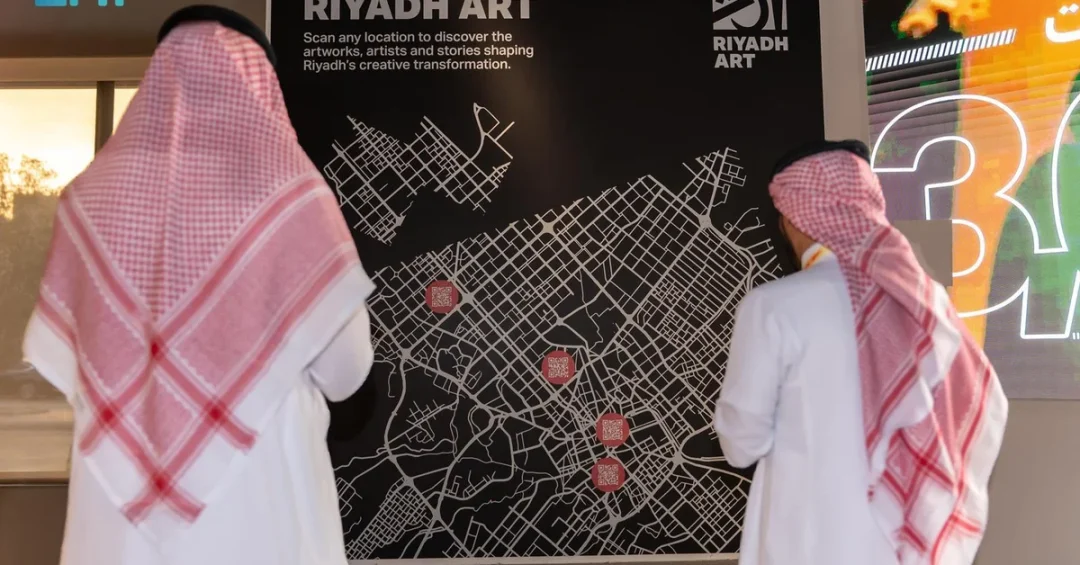
Riyadh Art, a flagship initiative overseen by the Royal Commission for Riyadh City, is playing a central role in the inaugural Art Week Riyadh, hosting key events at the JAX District under the theme “At the Edge.” The week-long celebration, organized by the Visual Arts Commission, runs from April 6 to 13 and brings together more than 45 galleries from Saudi Arabia, the region, and around the world. The event underscores the vibrancy of the capital’s evolving cultural landscape and reflects the Kingdom’s broader commitment to nurturing creativity and global dialogue. Have you ever wondered how a city transforms itself into a living canvas for art and ideas?
The JAX District, a former industrial area reborn as a creative hub, is at the heart of this transformation. As part of the Riyadh Art Program, it hosts a curated selection of local and international galleries and institutions, offering visitors an immersive artistic environment. The participation of Riyadh Art, in collaboration with the Visual Arts Commission, highlights efforts to activate public spaces through art and foster meaningful dialogue between artists and the community. The showcased works explore contemporary aesthetic and intellectual themes, bridging local and global perspectives. What does it take to turn a historic district into a dynamic stage for contemporary expression?
Context and Background
Art Week Riyadh is the first event of its kind in the Saudi capital, marking a significant milestone in the Kingdom’s cultural journey. Organized by the Visual Arts Commission, one of the 11 sector-specific commissions under the Ministry of Culture, the week aims to position Riyadh as a global destination for art and culture. The event spans several key cultural venues across the city, including the JAX District, which has quickly become a symbol of Riyadh’s creative renaissance. The theme “At the Edge” invites artists and audiences to explore boundaries—between tradition and innovation, local and global, past and future. How often does a city get to redefine its cultural identity on such a grand stage?
The Royal Commission for Riyadh City, chaired by Crown Prince Mohammed bin Salman, oversees the Riyadh Art Program, which is one of the largest public art initiatives in the world. Launched in 2019, the program aims to install over 1,000 artworks across the city, turning Riyadh into a gallery without walls. The JAX District, a 200,000-square-meter site, is a key component of this vision, providing space for artists, galleries, and creative entrepreneurs. The inaugural Art Week Riyadh builds on these efforts, showcasing the Kingdom’s commitment to cultural exchange and artistic excellence. What better way to showcase a nation’s progress than through the universal language of art?
The Visual Arts Commission has been instrumental in fostering the growth of the visual arts sector in Saudi Arabia. Since its establishment in 2020, it has launched numerous initiatives, including grants, residencies, and exhibitions, to support artists and creatives. Art Week Riyadh is a culmination of these efforts, offering a platform for both established and emerging talents to engage with a global audience. The event also aligns with the Ministry of Culture’s broader strategy to promote cultural diplomacy and enhance the Kingdom’s soft power. Isn’t it fascinating how art can bridge cultures and spark conversations that transcend borders?
Key Details
The inaugural Art Week Riyadh features more than 45 galleries from Saudi Arabia, the region, and around the world, making it one of the largest art gatherings in the Middle East. Participants include renowned international galleries such as Lehmann Maupin from New York, Galleria Continua from Italy, and Goodman Gallery from South Africa, alongside leading Saudi galleries like Athr and Hafez Gallery. The diverse lineup reflects the event’s global outlook while celebrating local talent. The week includes exhibitions, talks, performances, and workshops, all designed to engage the public and foster a deeper appreciation for contemporary art. What draws so many international galleries to Riyadh at this moment in time?
The JAX District is hosting several key events, including a group exhibition curated by Maya El Khalil, a renowned curator and art advisor. The exhibition, titled “At the Edge,” features works by over 30 artists from Saudi Arabia and beyond, exploring themes of identity, memory, and transformation. The district’s industrial architecture provides a striking backdrop for these works, creating a dialogue between the space and the art. Visitors can also experience site-specific installations, video art, and interactive pieces that challenge conventional notions of art and space. How does the unique setting of JAX District enhance the experience of contemporary art?
In addition to exhibitions, Art Week Riyadh offers a robust program of talks and panel discussions featuring artists, curators, and cultural leaders. These sessions cover topics such as the role of art in society, the intersection of technology and creativity, and the future of museums in the digital age. The event also includes performances and film screenings, providing multiple entry points for audiences to engage with the arts. For families, there are workshops and activities designed to inspire the next generation of artists. What could be more inspiring than witnessing a city come alive with creative energy?
The event is part of a broader effort to develop Riyadh’s cultural infrastructure, which includes the upcoming Riyadh Art program’s public art installations, the Diriyah Art Futures center, and the King Salman Park. These projects are transforming the capital into a hub for cultural tourism and creative industries. Art Week Riyadh also complements other cultural events in the Kingdom, such as the Diriyah Biennale and the Jeddah Season, which have drawn millions of visitors. How do these interconnected initiatives collectively elevate Saudi Arabia’s status on the global cultural map?
International and Regional Impact
The participation of over 45 international galleries in Art Week Riyadh signals the Kingdom’s growing influence in the global art market. The event provides a platform for cultural exchange, allowing Saudi artists to connect with international counterparts and gain exposure to global trends. It also attracts collectors, curators, and art enthusiasts from around the world, boosting tourism and economic activity in Riyadh. The presence of major galleries like Lehmann Maupin and Galleria Continua underscores the confidence that the international art community has in Saudi Arabia’s cultural vision. What does this level of international engagement say about the Kingdom’s cultural diplomacy?
Regionally, Art Week Riyadh positions the Kingdom as a leader in the Middle East’s cultural landscape, alongside established hubs like Dubai and Abu Dhabi. However, Riyadh’s unique approach—integrating public art, heritage, and contemporary practice—sets it apart. The event also fosters collaboration among Gulf countries, with galleries from the UAE, Kuwait, and Bahrain participating. This regional solidarity enhances cultural ties and promotes a shared Arab identity. How might this collaboration shape the future of art in the Gulf and beyond?
The international impact extends beyond the art world. By hosting events like Art Week Riyadh, the Kingdom showcases its openness and modernity, challenging stereotypes and attracting global attention. Cultural tourism is a key pillar of Saudi Vision 2030, and events like this contribute to the goal of welcoming 150 million visitors annually by 2030. The influx of international visitors also supports local businesses, from hotels to restaurants, creating economic ripple effects. Isn’t it remarkable how art can serve as a catalyst for economic and social development?
Economic and Strategic Significance
Art Week Riyadh is not just a cultural event; it is a strategic investment in the creative economy. The global art market is worth billions of dollars, and Saudi Arabia is positioning itself to capture a share of this growing sector. The event facilitates sales and commissions for galleries and artists, while also attracting foreign investment in cultural infrastructure. The Visual Arts Commission has reported a surge in art-related businesses, including galleries, studios, and art consultancies, since the launch of Vision 2030. How does nurturing the arts contribute to a diversified and resilient economy?
Moreover, the creative industries are a source of job creation, particularly for young Saudis. Art Week Riyadh provides opportunities for employment in event management, curation, marketing, and hospitality. It also inspires entrepreneurship, with many young Saudis launching their own creative ventures. The event’s emphasis on education and workshops helps build a skilled workforce for the cultural sector. By investing in arts and culture, the Kingdom is investing in its people and their future. What could be more valuable than empowering the next generation to pursue their passions?
The strategic significance of Art Week Riyadh also lies in its role in soft power. Culture is a powerful tool for diplomacy, and Saudi Arabia is using it to build bridges with other nations. The event welcomes international participants, fostering people-to-people connections and mutual understanding. It also enhances the Kingdom’s image as a dynamic and forward-looking society. In a world where perceptions matter, cultural diplomacy is an essential component of foreign policy. How can art help to foster peace and cooperation among nations?
Vision 2030 Alignment
Art Week Riyadh is a direct manifestation of Saudi Vision 2030, the Kingdom’s ambitious plan to diversify its economy and enhance quality of life. The vision identifies culture and entertainment as key sectors for growth, aiming to increase their contribution to GDP and create new opportunities. The Riyadh Art Program, with its goal of installing 1,000 public artworks, is a flagship initiative under Vision 2030, transforming the capital into an open-air museum. The Visual Arts Commission’s efforts to support artists and creatives align with the vision’s emphasis on nurturing talent and fostering innovation. How does a vibrant cultural scene contribute to a nation’s overall well-being and prosperity?
Furthermore, Art Week Riyadh supports the vision’s goal of increasing international tourism and showcasing Saudi Arabia’s rich heritage and modern achievements. By attracting global galleries and visitors, the event promotes cross-cultural dialogue and positions the Kingdom as a hub for creativity and exchange. It also enhances the quality of life for residents, providing access to world-class art and cultural experiences. As the Kingdom continues its journey toward 2030, events like this will play a crucial role in shaping its identity and global standing. What better way to build a brighter future than by celebrating creativity and innovation today?
20 Questions
Q1. What is Art Week Riyadh?
A1. Art Week Riyadh is an inaugural cultural event organized by the Visual Arts Commission, running from April 6 to 13, 2025. It features over 45 galleries from Saudi Arabia and abroad, with exhibitions, talks, and performances across key venues in the capital.
Q2. Where is Art Week Riyadh taking place?
A2. The event is held at several cultural venues in Riyadh, with the JAX District—part of the Riyadh Art Program—hosting key events. Other venues include galleries and institutions across the city, all contributing to the vibrant art scene.
Q3. Who is organizing Art Week Riyadh?
A3. Art Week Riyadh is organized by the Visual Arts Commission, one of the sector-specific commissions under the Saudi Ministry of Culture. The commission aims to develop the visual arts sector and promote cultural exchange.
Q4. What is the theme of Art Week Riyadh?
A4. The theme is “At the Edge,” inviting artists and audiences to explore boundaries between tradition and innovation, local and global, and past and future. It reflects the dynamic nature of contemporary art in the Kingdom.
Q5. What is the JAX District?
A5. The JAX District is a former industrial area in Riyadh transformed into a creative hub. It is part of the Riyadh Art Program and hosts galleries, studios, and events. It spans 200,000 square meters and is a key cultural destination.
Q6. How many galleries are participating?
A6. More than 45 galleries from Saudi Arabia, the region, and around the world are participating. This includes leading international galleries like Lehmann Maupin and Galleria Continua, alongside prominent Saudi galleries.
Q7. What is the Riyadh Art Program?
A7. The Riyadh Art Program is a flagship initiative overseen by the Royal Commission for Riyadh City. It aims to install over 1,000 public artworks across the capital, turning Riyadh into a gallery without walls.
Q8. Who oversees the Royal Commission for Riyadh City?
A8. The Royal Commission for Riyadh City is chaired by Crown Prince Mohammed bin Salman. It is responsible for major development projects in the capital, including cultural initiatives like Riyadh Art.
Q9. What is the Visual Arts Commission?
A9. The Visual Arts Commission is a government body under the Ministry of Culture, established in 2020. It supports artists, organizes exhibitions, and develops the visual arts sector in line with Vision 2030.
Q10. What can visitors expect at Art Week Riyadh?
A10. Visitors can enjoy exhibitions, talks, performances, film screenings, and workshops. The event offers a diverse program that engages the public and fosters appreciation for contemporary art from Saudi Arabia and beyond.
Q11. How does Art Week Riyadh support Vision 2030?
A11. It aligns with Vision 2030 by promoting cultural tourism, diversifying the economy, and enhancing quality of life. It showcases the Kingdom’s commitment to culture and creativity as drivers of growth.
Q12. What is the economic impact of Art Week Riyadh?
A12. The event boosts the local economy by attracting visitors, supporting galleries and artists, and creating jobs in event management, hospitality, and related sectors. It also stimulates investment in cultural infrastructure.
Q13. Which international galleries are participating?
A13. International galleries include Lehmann Maupin (New York), Galleria Continua (Italy), and Goodman Gallery (South Africa). Their participation highlights the global interest in Saudi Arabia’s art scene.
Q14. What role does art play in Saudi society?
A14. Art is a vital part of Saudi society, fostering creativity, dialogue, and cultural exchange. It contributes to national identity and supports the Kingdom’s goals of modernization and global engagement.
Q15. How can people attend Art Week Riyadh?
A15. Details on attendance, including schedules and ticketing, are available through the Visual Arts Commission and Riyadh Art’s official channels. Many events are open to the public, with some requiring registration.
Q16. What is the significance of the JAX District’s industrial architecture?
A16. The industrial architecture provides a unique backdrop for contemporary art, creating a dialogue between the space and the works. It symbolizes transformation and creativity, aligning with the event’s theme.
Q17. How does Art Week Riyadh compare to other art events in the region?
A17. Art Week Riyadh is unique in its integration of public art, heritage, and contemporary practice. It positions Riyadh as a cultural hub alongside Dubai and Abu Dhabi, with a distinct Saudi identity.
Q18. What are the future plans for Riyadh Art?
A18. Riyadh Art aims to install over 1,000 artworks across the city, including large-scale installations and sculptures. It will continue to activate public spaces and engage the community through art.
Q19. How does Art Week Riyadh promote cultural exchange?
A19. By bringing together international and local galleries, the event facilitates dialogue and collaboration. It allows Saudi artists to connect with global counterparts and share their work with a wider audience.
Q20. Why is art important for Saudi Arabia’s future?
A20. Art is essential for fostering creativity, innovation, and cultural understanding. It supports Vision 2030’s goals of economic diversification and social development, enriching the lives of citizens and visitors alike.
Reader Feedback
We value your thoughts. Please share your feedback on this article.
Your feedback helps us improve our coverage.
Related articles
 Manga Arabia, Coamix Deal Brings Japanese Manga to Arabic
 Silver Handicrafts Showcase Saudi Cultural Heritage
 King Abdulaziz Public Library Holds Rare Quran Copies Highlighting Islamic Arts
 Madinah Cultural Festival Highlights Global Traditions
 KSGAAL Opens Registration for Arabic Immersion Program
 Douglas Gautier Appointed CEO of Royal Arts Complex